Interior of a Church (c. 1680): Art, History and Details
Interior of a Church at the Cleveland Museum of Art: c. 1680, oil on canvas. Explore the work's context, creator attribution and collection history.
Oldest entries first, in a fixed order. Newly added articles appear at the end. Explore a shuffled selection →
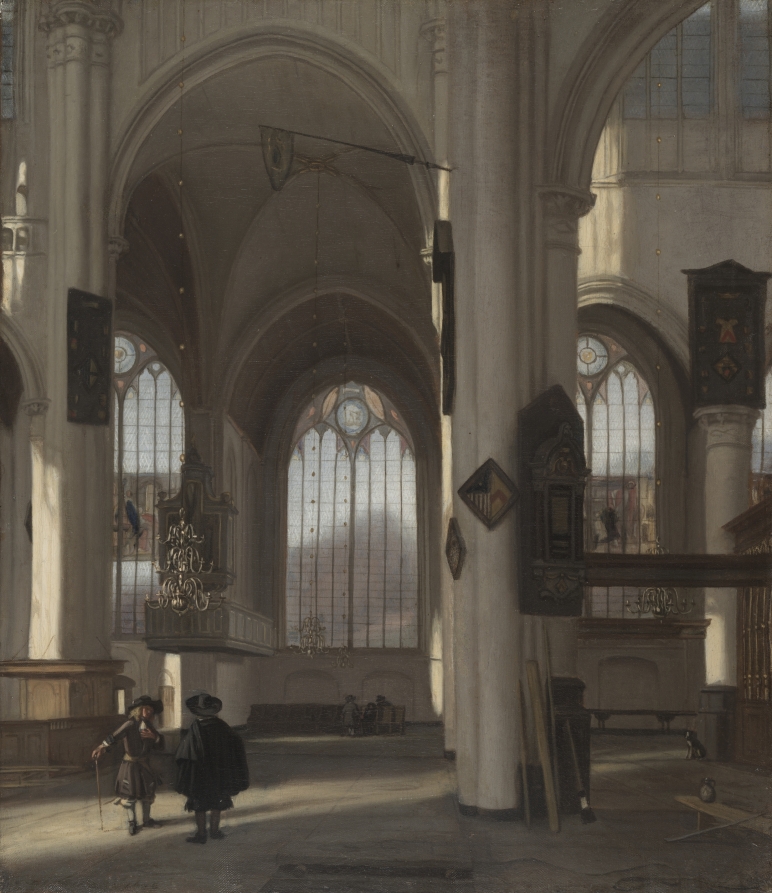
Interior of a Church at the Cleveland Museum of Art: c. 1680, oil on canvas. Explore the work's context, creator attribution and collection history.
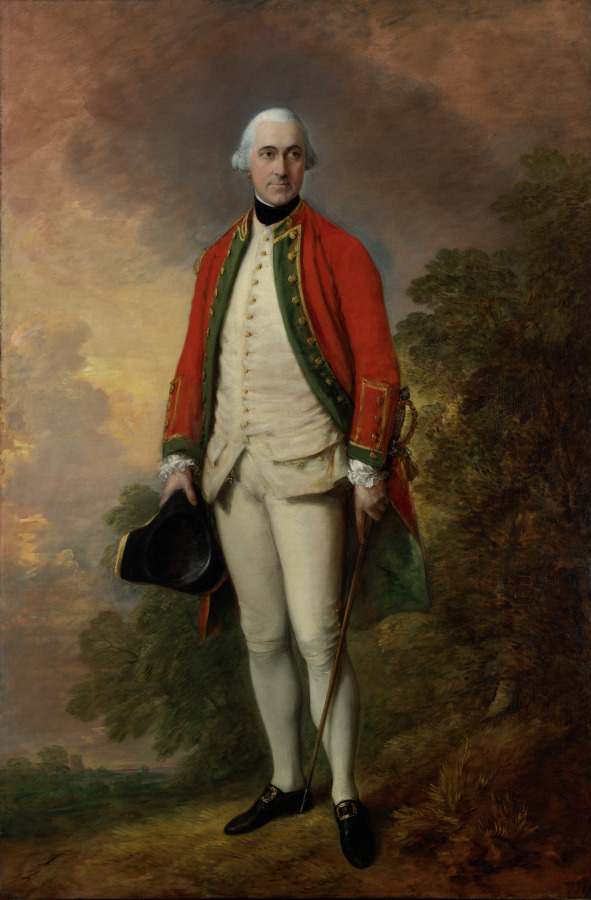
Portrait of George Pitt, First Baron Rivers at the Cleveland Museum of Art: 1769, oil on canvas. Explore the work's context, creator attribution and collection history.
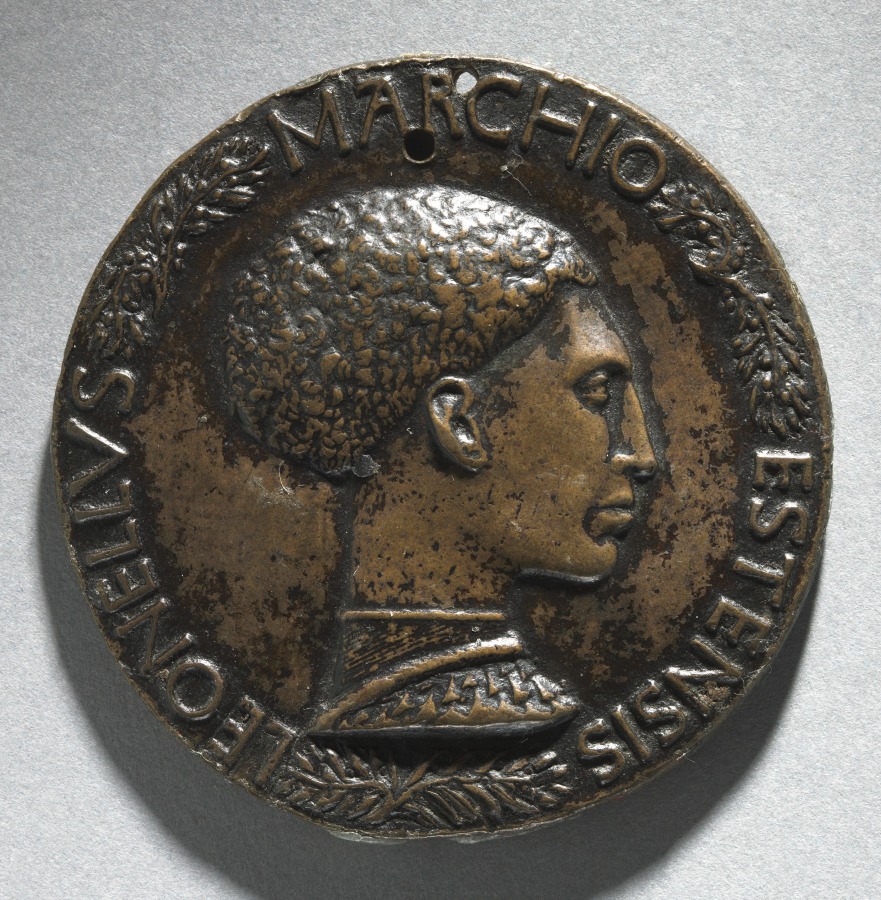
Portrait of Leonello D'Este, Marquess of Ferrara (obverse and reverse) at the Cleveland Museum of Art: c. 1440–44, bronze. Explore the work's context, creator attribution and collection history.

Portrait of Leonello D'Este, Marquess of Ferrara (obverse) at the Cleveland Museum of Art: c. 1440–44, bronze. Explore the work's context, creator attribution and collection history.

Portrait of Leonello D'Este, Marquess of Ferrara (reverse) at the Cleveland Museum of Art: c. 1440–44, bronze. Explore the work's context, creator attribution and collection history.
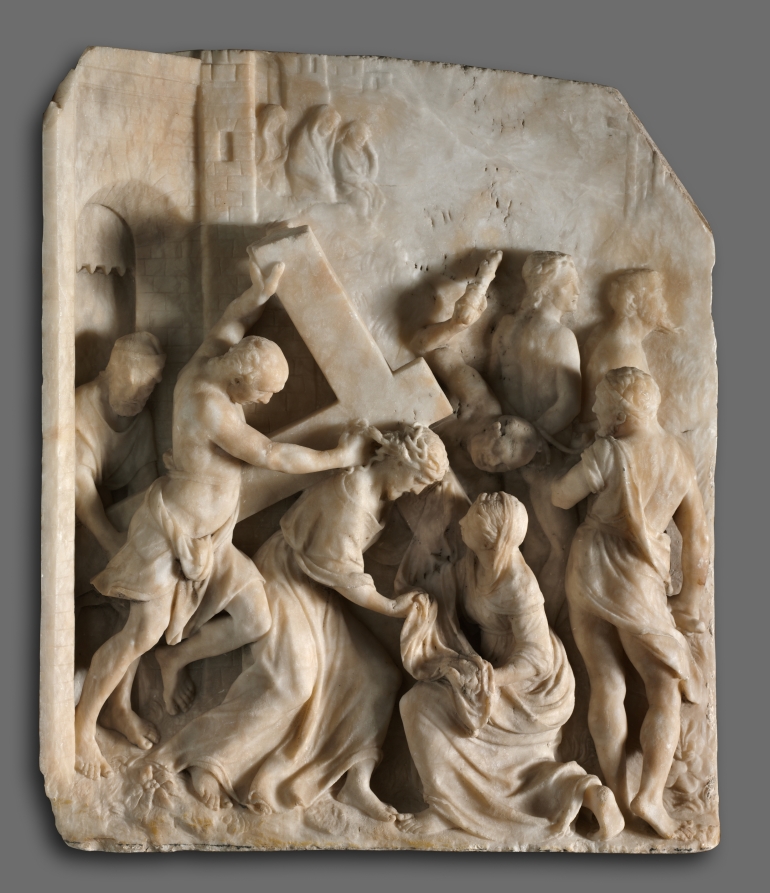
Christ Carrying the Cross with Saints Simon and Veronica at the Cleveland Museum of Art: c. 1545, alabaster. Explore the work's context, creator attribution and collection history.
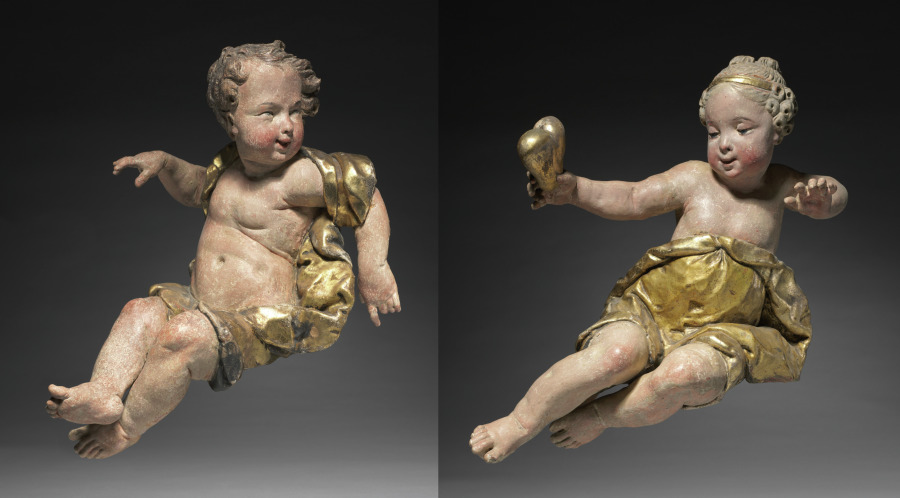
Putti Pair at the Cleveland Museum of Art: mid-1700s, painted and gilded wood. Explore the work's context, creator attribution and collection history.

La Serpentara near Olevano at the Cleveland Museum of Art: 1829, pen and brown ink over black chalk. Explore the work's context, creator attribution and collection history.
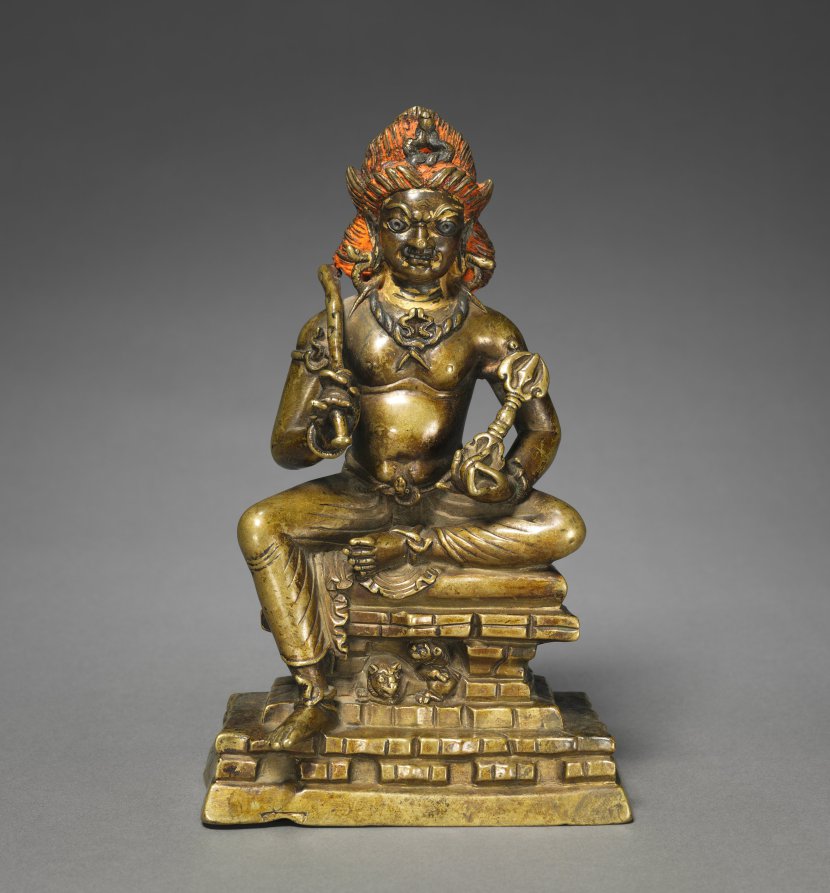
Vajrapani at the Cleveland Museum of Art: 700s, bronze with silver overlay and gum tempera. Explore the work's context, creator attribution and collection history.

Gateway Bracket at the Cleveland Museum of Art: 150–200 CE, sandstone. Explore the work's context, creator attribution and collection history.

The Five Hundred Arhats at the Cleveland Museum of Art: 1591–1626, Handscroll; ink and color on paper. Explore the work's context, creator attribution and collection history.
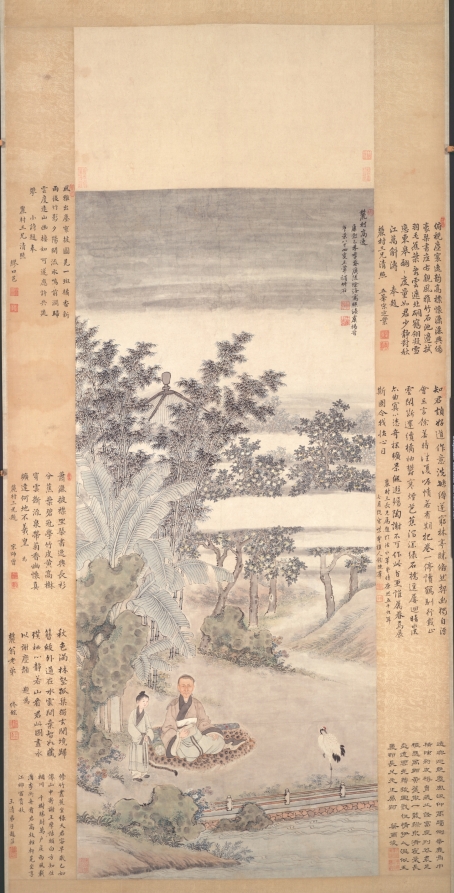
Portrait of An Qi at the Cleveland Museum of Art: 1715, hanging scroll; ink and color on paper. Explore the work's context, creator attribution and collection history.
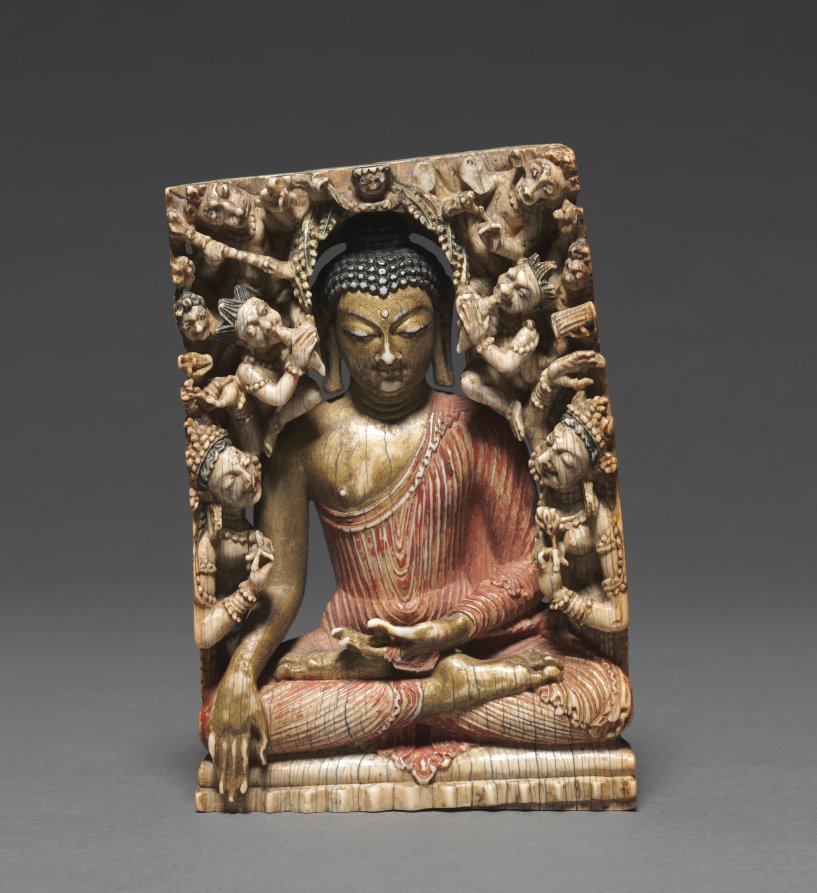
Temptation of Buddha by the Evil Forces of Mara at the Cleveland Museum of Art: 700s, ivory with gold and polychrome. Explore the work's context, creator attribution and collection history.
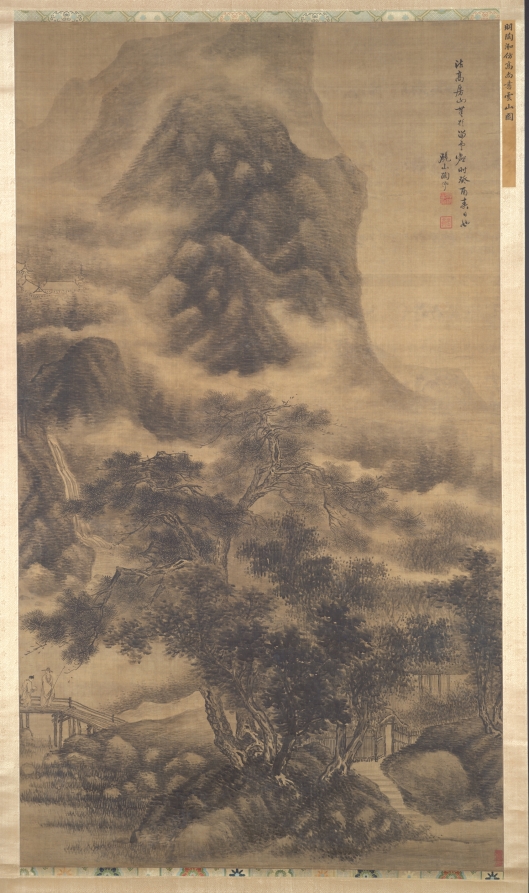
Clouds Visiting a Mountain Retreat at the Cleveland Museum of Art: 1633, Hanging scroll; ink on silk. Explore the work's context, creator attribution and collection history.
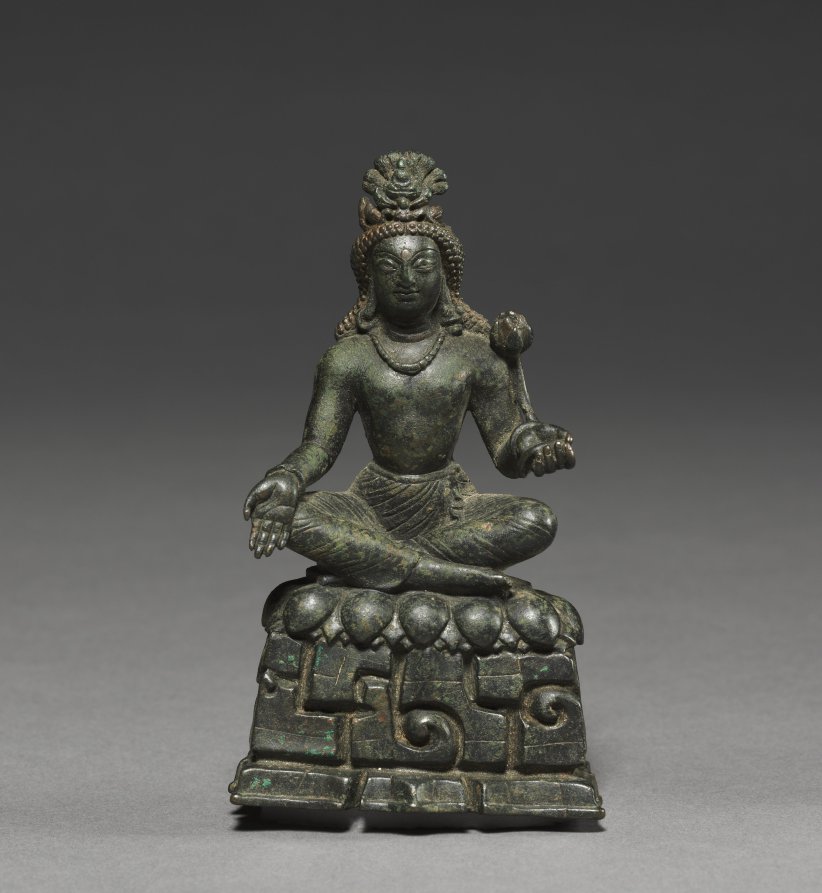
Padmapani Lokeshvara Seated on the Rock at the Cleveland Museum of Art: 700s, bronze with silver overlay. Explore the work's context, creator attribution and collection history.
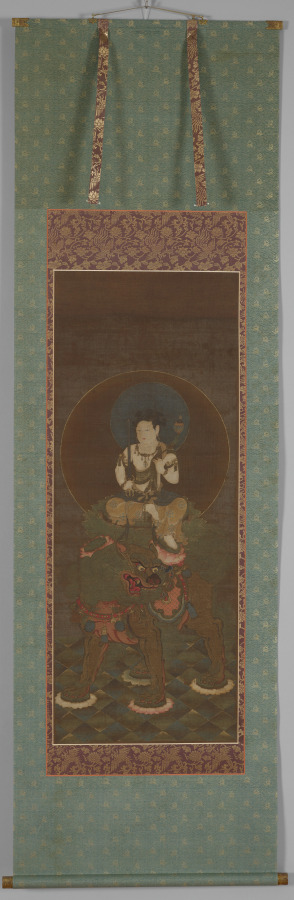
Monju with Five Hair Knots at the Cleveland Museum of Art: late 1200s–early 1300s, Hanging scroll; ink, color, gold, and cut gold on silk. Explore the work's context, creator attribution and collection history.
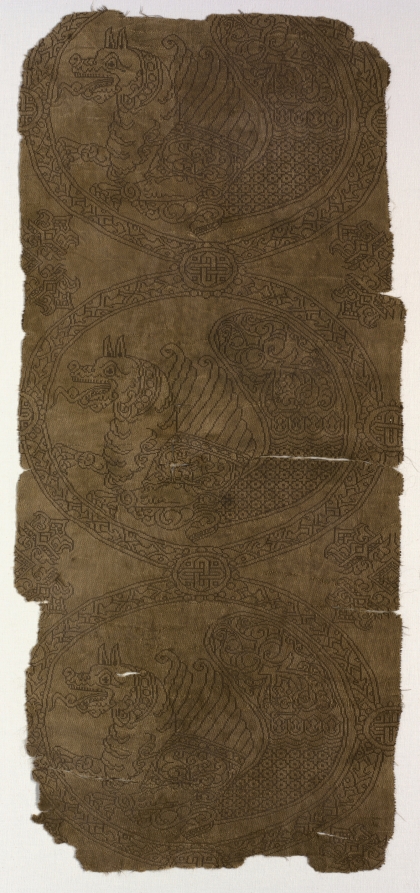
Fragment with Senmurvs at the Cleveland Museum of Art: prior to 1971, Silk: lampas weave. Explore the work's context, creator attribution and collection history.
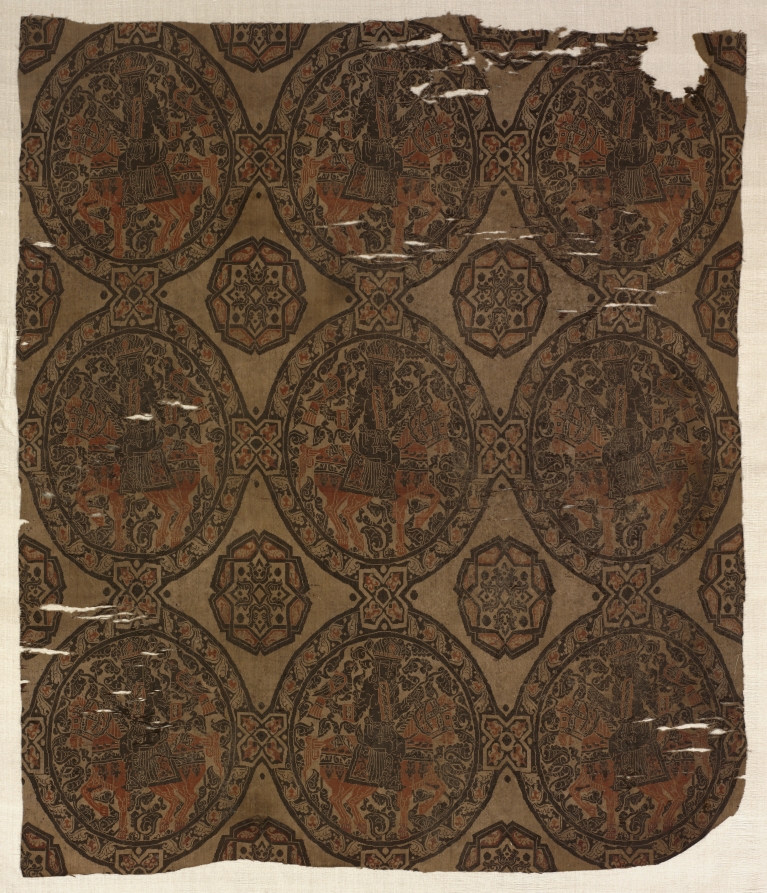
Fragment with Equestrian Falconer King at the Cleveland Museum of Art: prior to 1971, Silk: lampas weave. Explore the work's context, creator attribution and collection history.
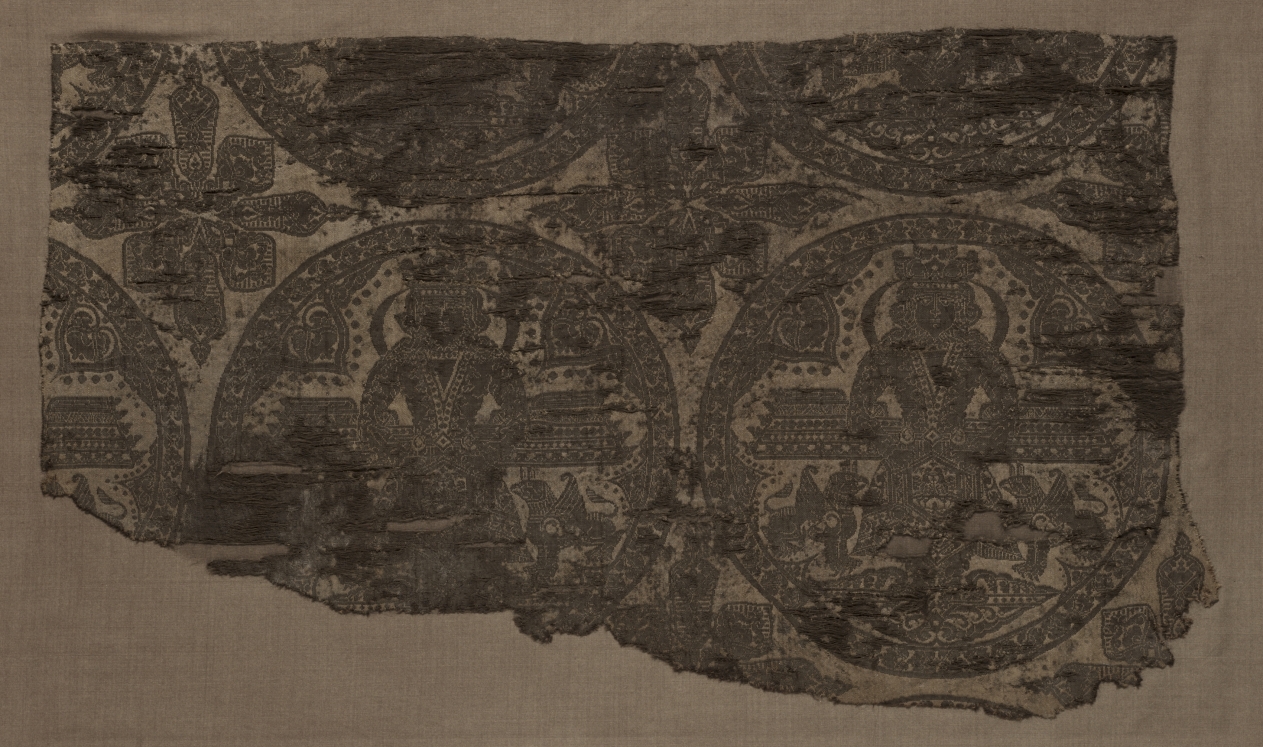
Enthroned King Flanked by Griffins at the Cleveland Museum of Art: prior to 1971, Silk: lampas weave. Explore the work's context, creator attribution and collection history.
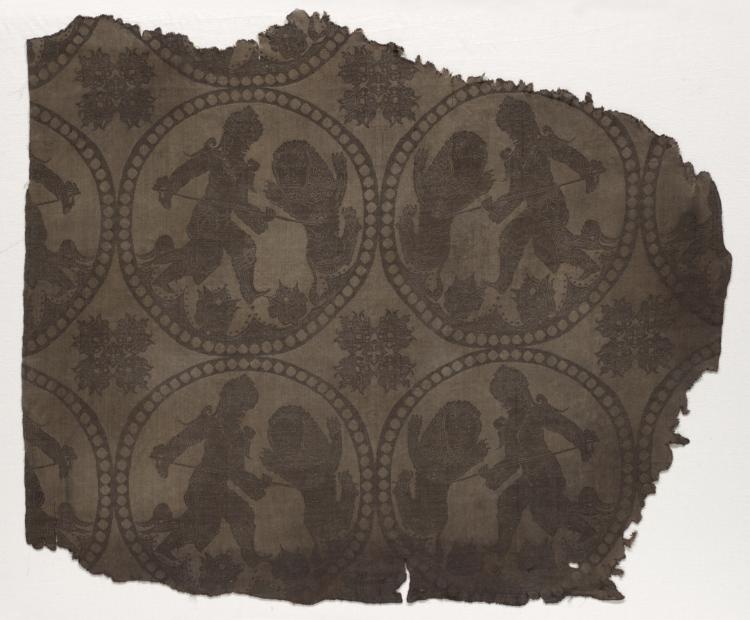
Roundels with King Spearing Lion at the Cleveland Museum of Art: prior to 1971, Silk: lampas weave. Explore the work's context, creator attribution and collection history.

Bench at the Cleveland Museum of Art: c. 1900, gilt wood. Explore the work's context, creator attribution and collection history.

Sofa at the Cleveland Museum of Art: c. 1820, wood with painted and gilded decoration. Explore the work's context, creator attribution and collection history.
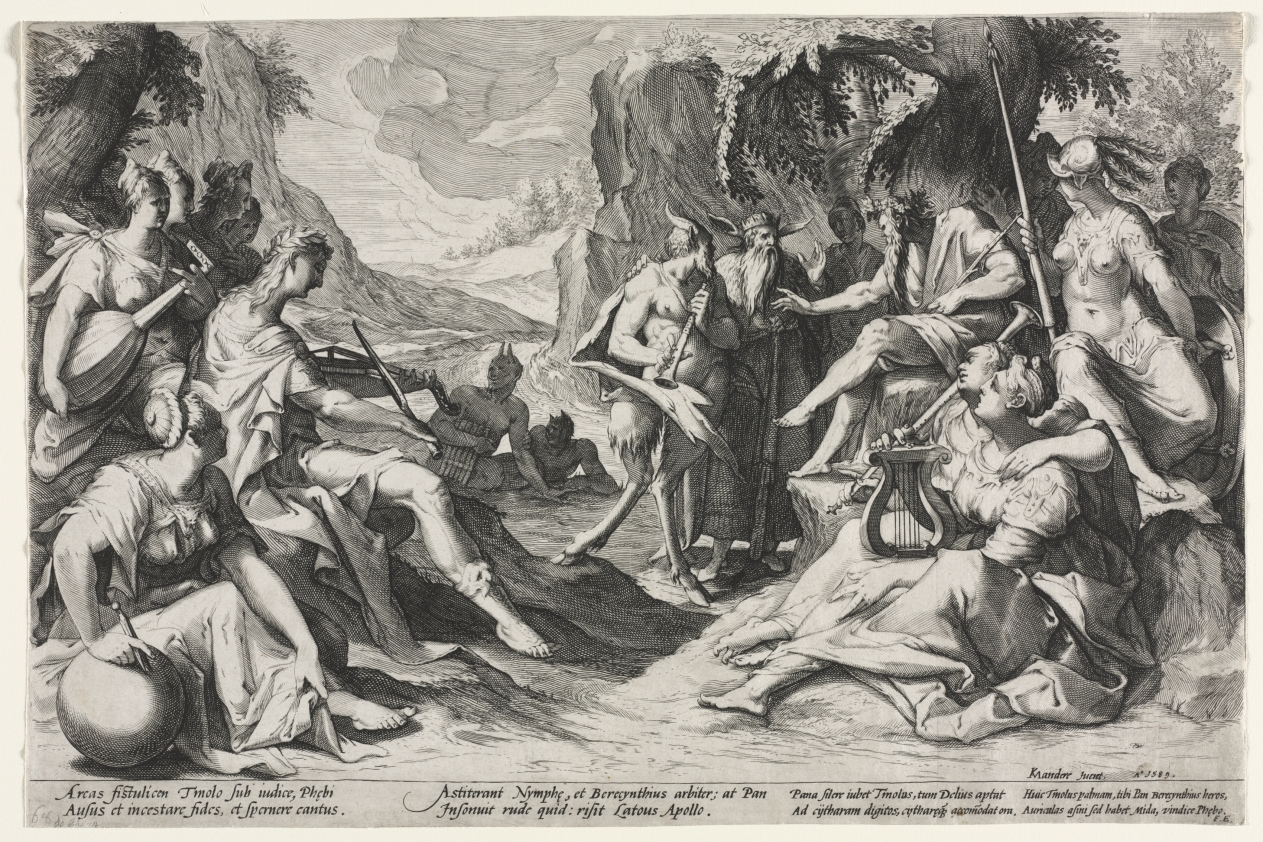
The Judgment of Midas at the Cleveland Museum of Art: 1589, engraving. Explore the work's context, creator attribution and collection history.
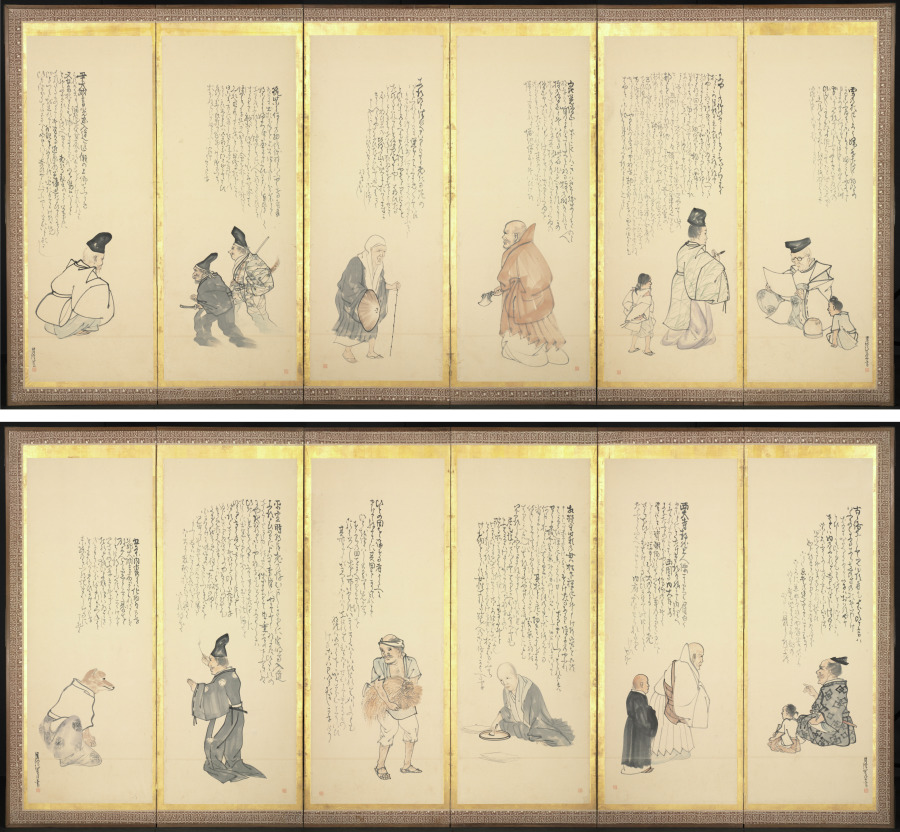
Scenes from Essays in Idleness at the Cleveland Museum of Art: late 1700s–early 1800s, Pair of six-panel folding screens; ink and color on paper. Explore the work's context, creator attribution and collection history.
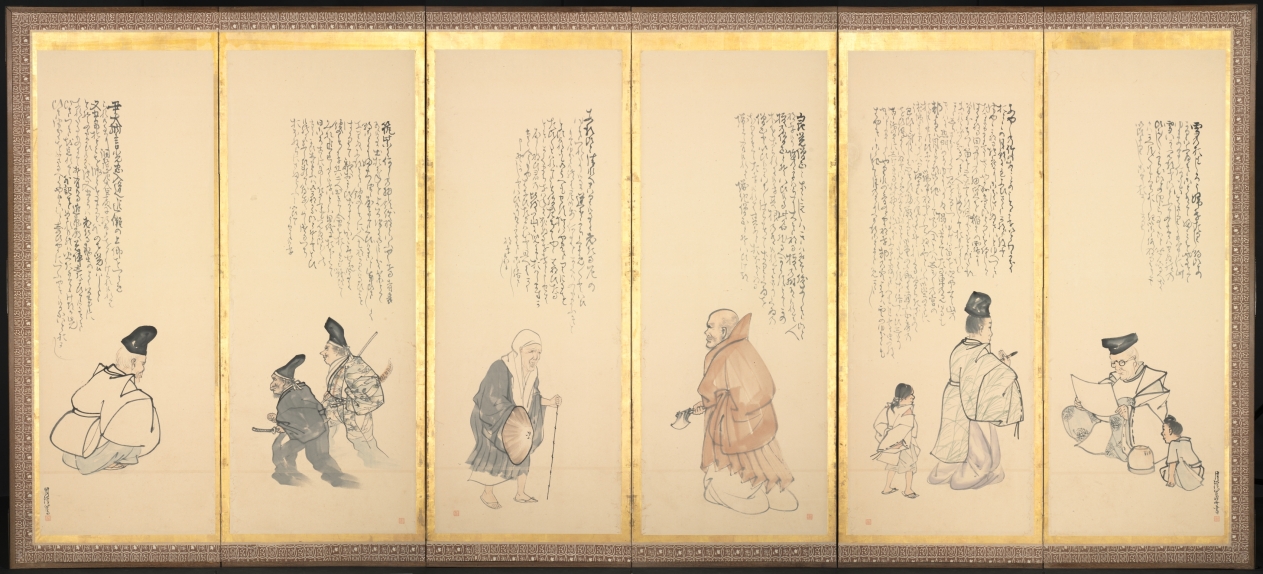
Scenes from Essays in Idleness at the Cleveland Museum of Art: late 1700s–early 1800s, One of a pair of six-panel folding screens; ink and color on paper. Explore the work's context, creator attribution and collection history.
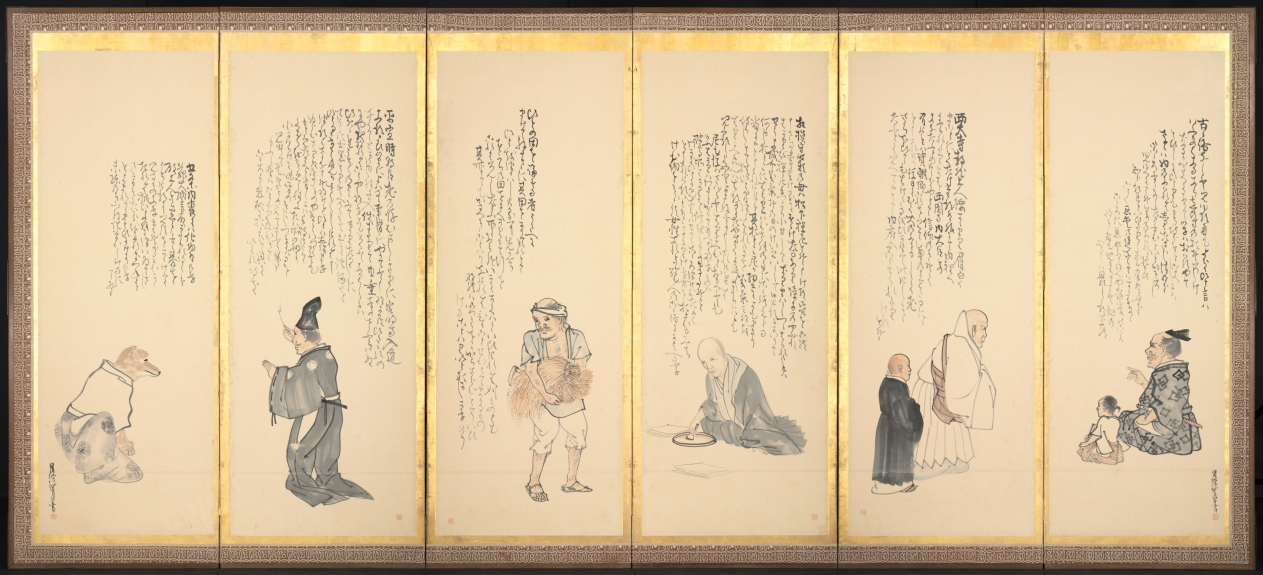
Scenes from Essays in Idleness at the Cleveland Museum of Art: late 1700s–early 1800s, One of a pair of six-panel folding screens; ink and color on paper. Explore the work's context, creator attribution and collection history.
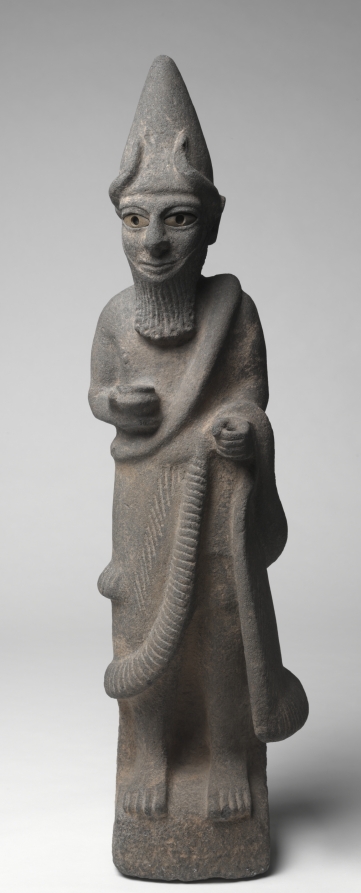
Priest-King or Deity at the Cleveland Museum of Art: c. 1600 BCE, basalt with bone eyes (left, ancient; right, restored). Explore the work's context, creator attribution and collection history.
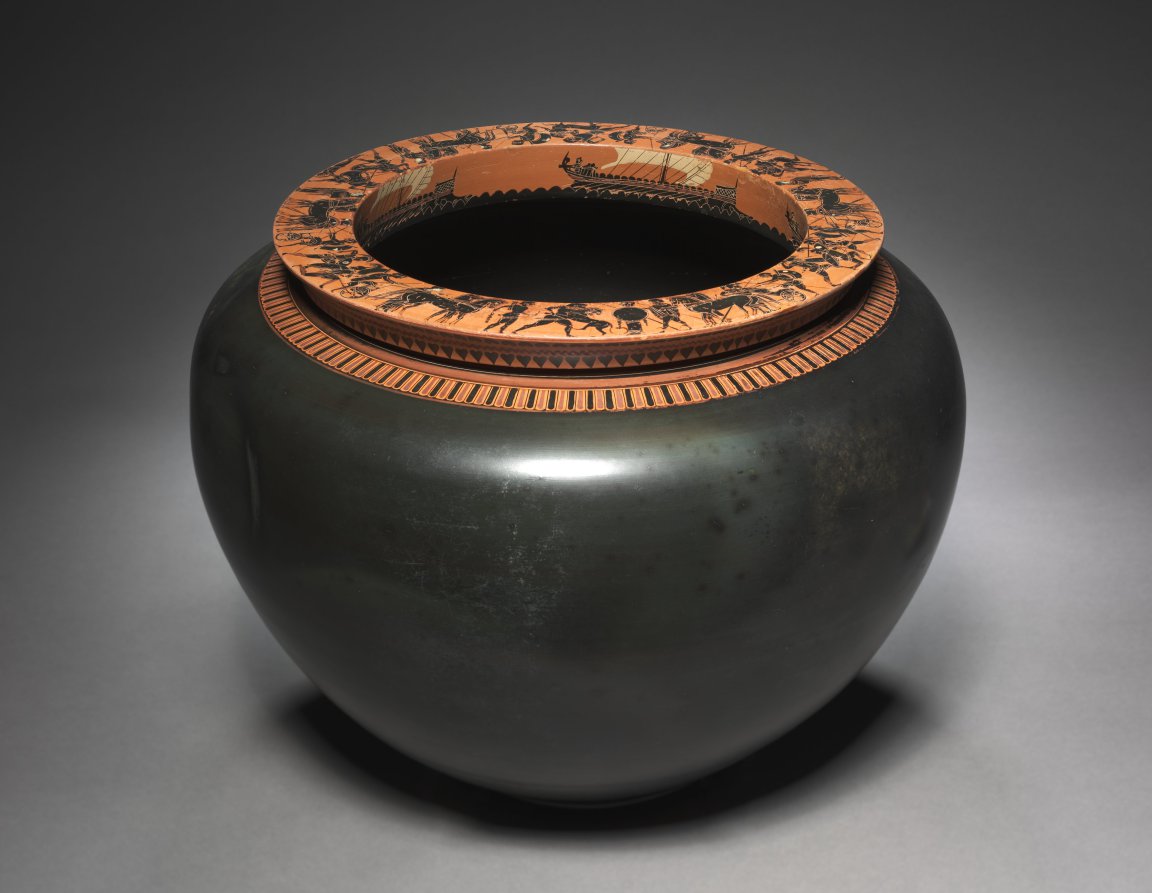
Black-Figure Dinos (Mixing Vessel): Warships (Int.); Heroic Scenes (Top) at the Cleveland Museum of Art: c. 520–515 BCE, ceramic. Explore the work's context, creator attribution and collection history.
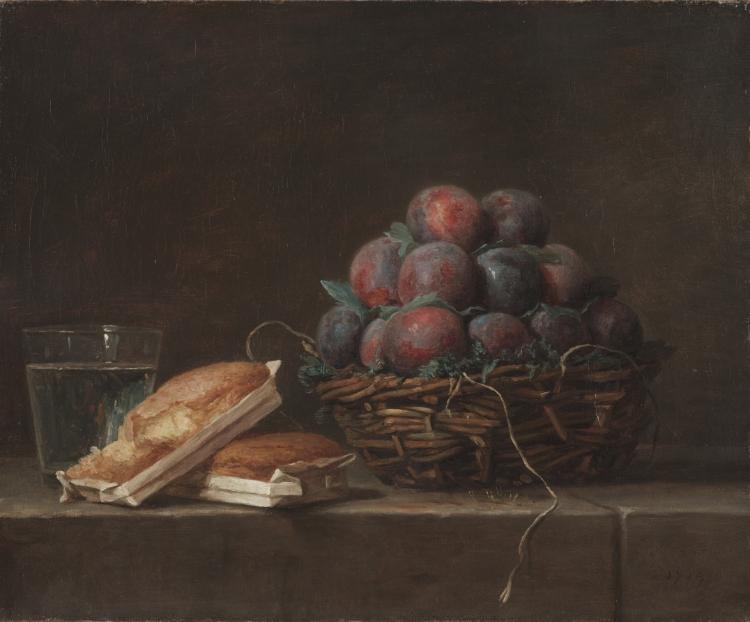
Basket of Plums at the Cleveland Museum of Art: 1769, oil on canvas. Explore the work's context, creator attribution and collection history.
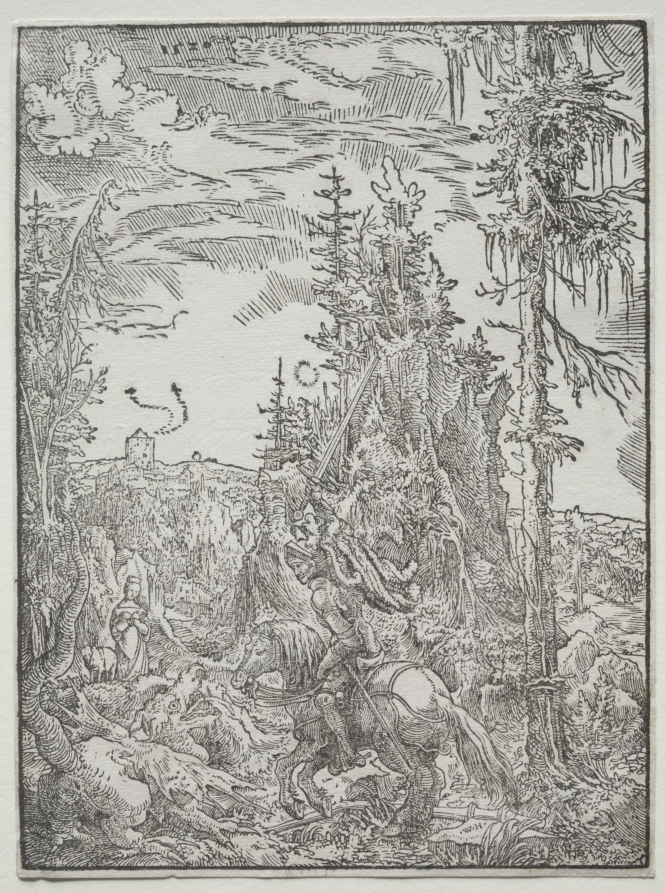
St. George and the Dragon at the Cleveland Museum of Art: 1520, woodcut. Explore the work's context, creator attribution and collection history.

Nine Celestial Bodies (Navagraha) at the Cleveland Museum of Art: 700s, Sandstone. Explore the work's context, creator attribution and collection history.
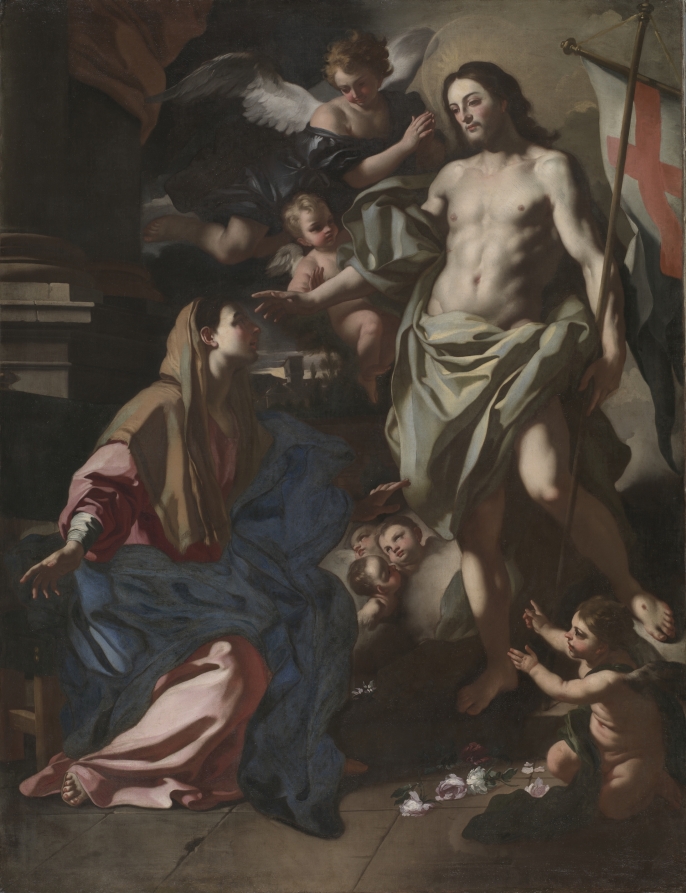
The Risen Christ Appearing to the Virgin at the Cleveland Museum of Art: c. 1708, oil on canvas. Explore the work's context, creator attribution and collection history.
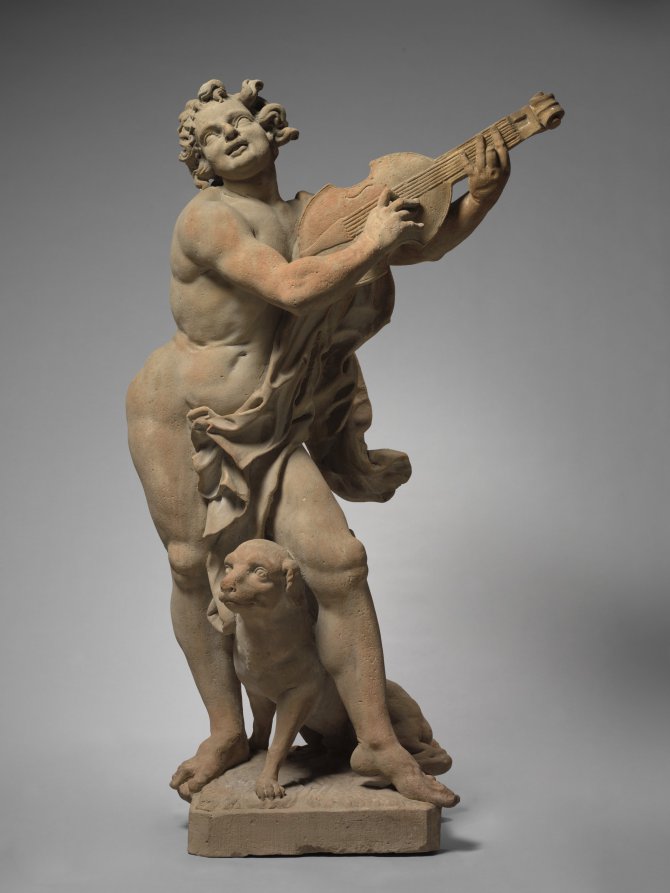
Orpheus and Cerberus at the Cleveland Museum of Art: c. 1765, sandstone. Explore the work's context, creator attribution and collection history.
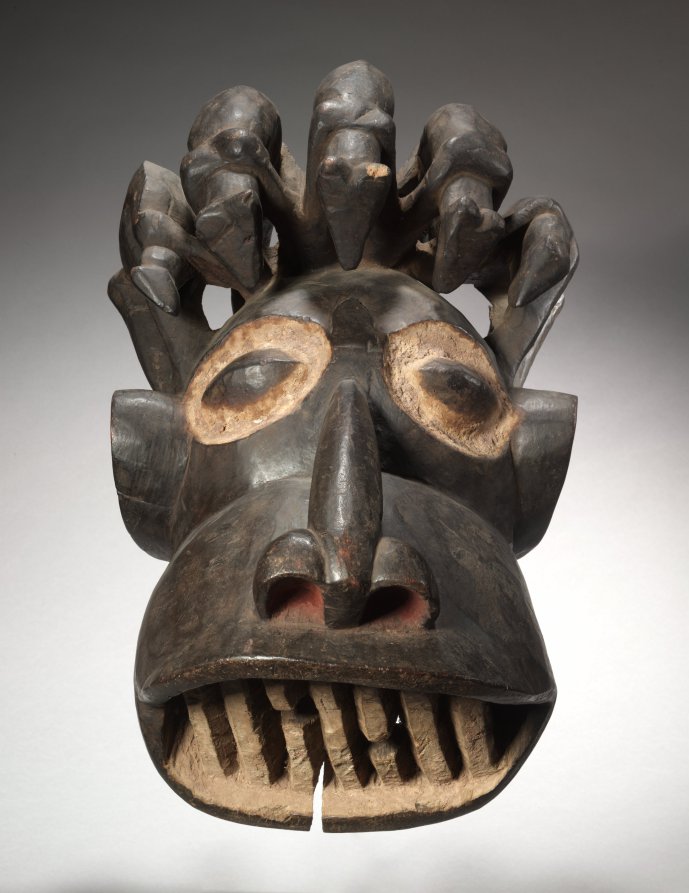
Helmet Mask at the Cleveland Museum of Art: early 1900s, Wood, paint, organic material, and iron alloy. Explore the work's context, creator attribution and collection history.
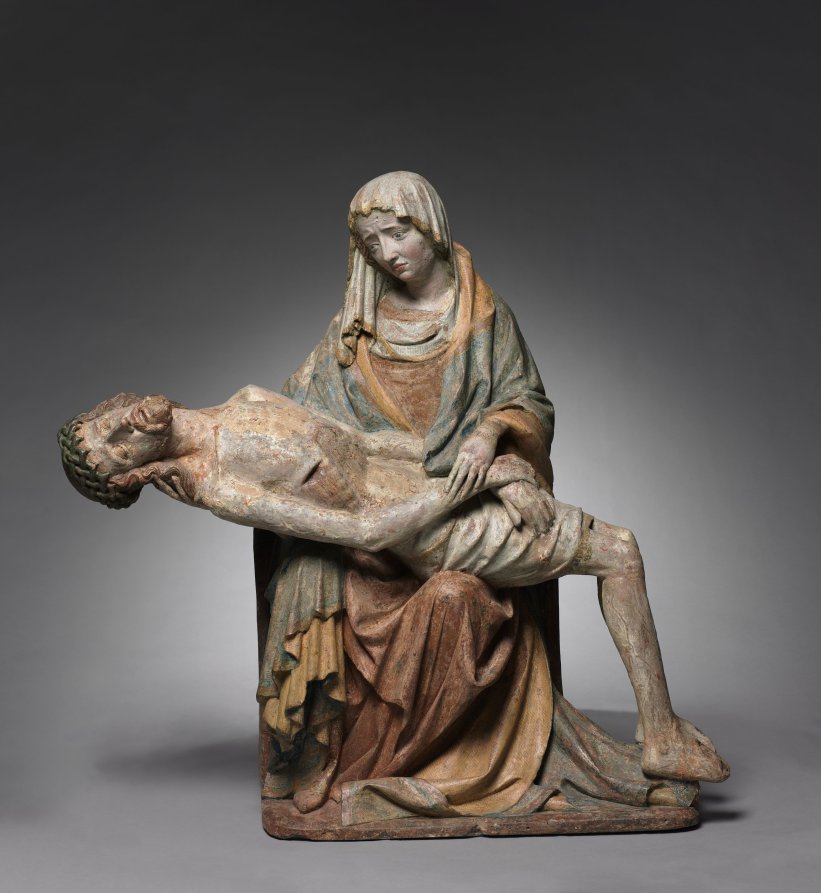
Vesperbild (Pietà) at the Cleveland Museum of Art: c. 1420, painted cast stone. Explore the work's context, creator attribution and collection history.
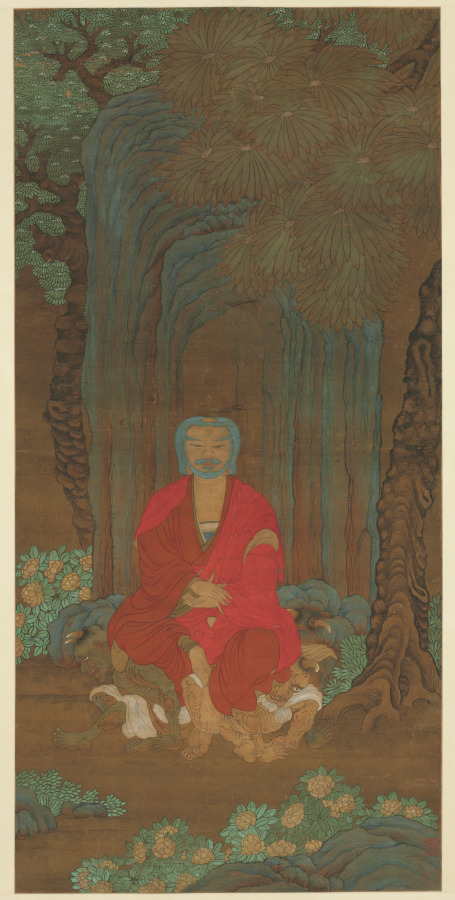
Shakyamuni under the Bodhi Tree at the Cleveland Museum of Art: 1600–1650, hanging scroll; ink and color on silk. Explore the work's context, creator attribution and collection history.
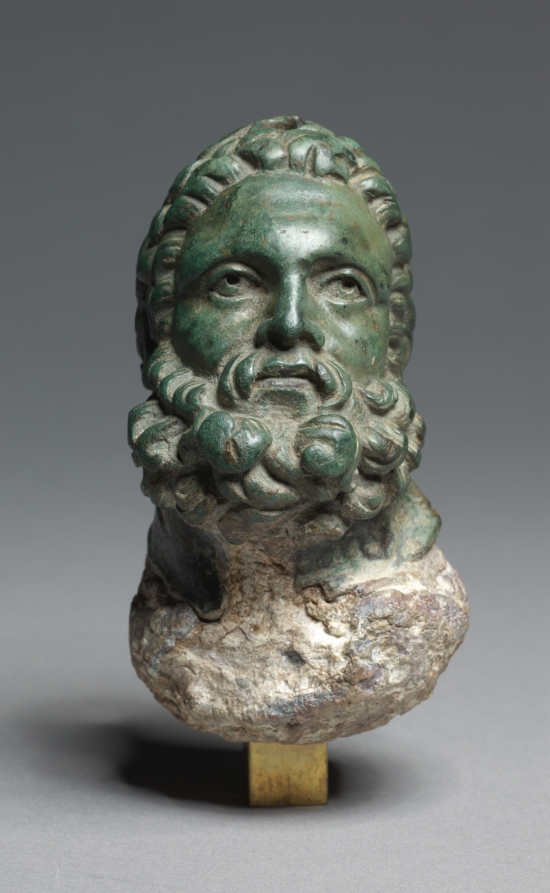
Head of Herakles Refashioned as a Weight at the Cleveland Museum of Art: 300–200 BCE, bronze filled with lead. Explore the work's context, creator attribution and collection history.
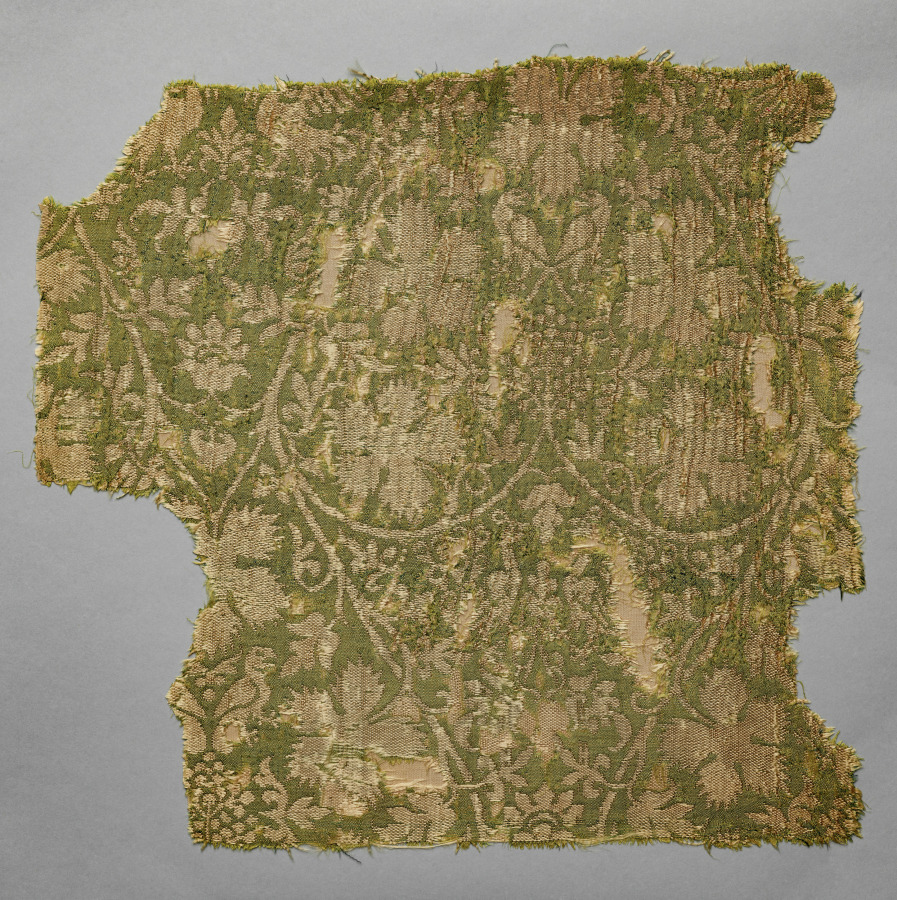
Silk fragment with scrolling vines, grape leaves, grapes, and birds at the Cleveland Museum of Art: 1325–50, Silk: lampas weave. Explore the work's context, creator attribution and collection history.
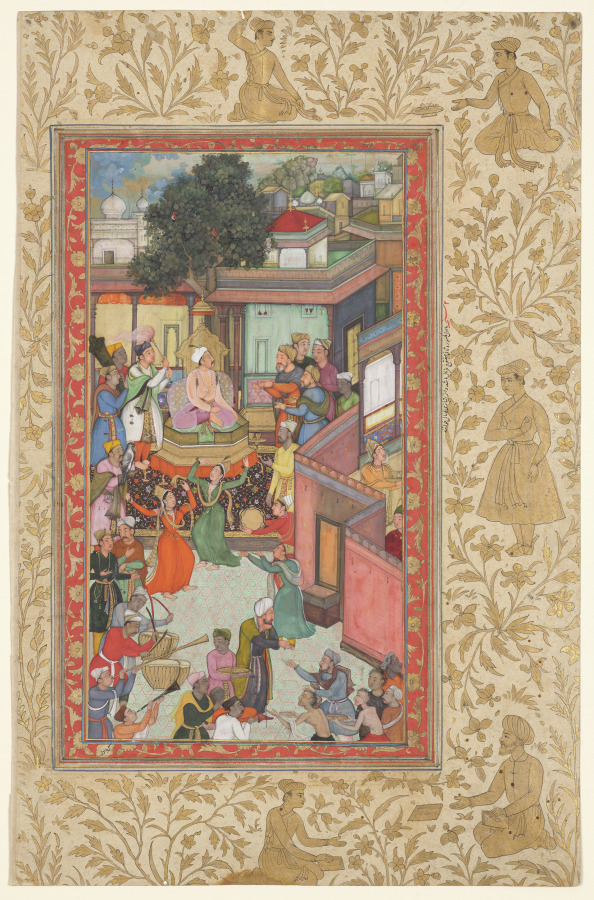
Circumcision ceremony for Akbar’s sons, painting 126 from an Akbar-nama (Book of Akbar) of Abu’l Fazl (Indian, 1551–1602) at the Cleveland Museum of Art: c. 1602–3, gum tempera, ink, and gold on paper. Explore the work's context, creator at
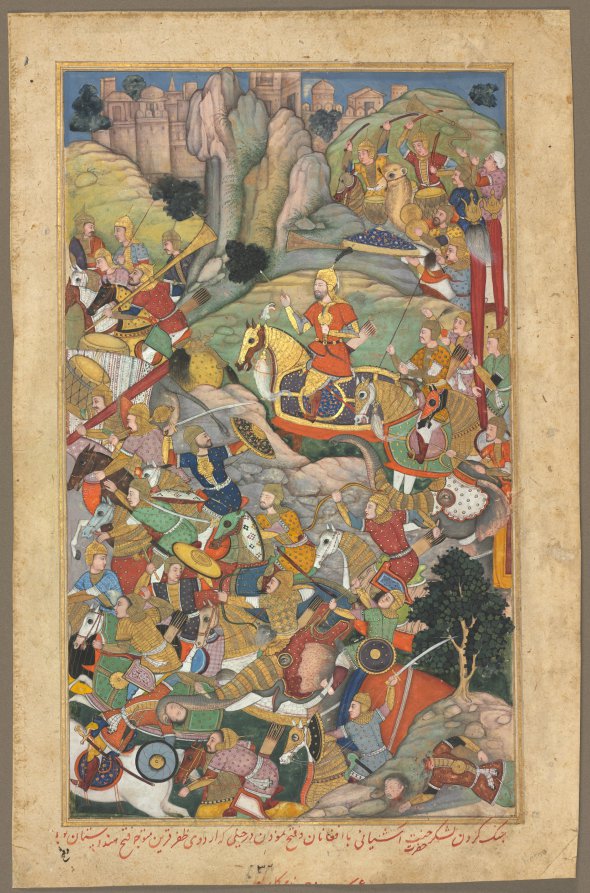
Mughal ruler Humayun defeating the Afghans before reconquering India, folio from an Akbar-nama (Book of Akbar) of Abu’l Fazl (Indian, 1551–1602) at the Cleveland Museum of Art: c. 1590, Gum tempera, ink, and gold on paper. Explore the work'