Shiva as Lord of Music (c. 1000): Art, History and Details
Shiva as Lord of Music at the Cleveland Museum of Art: c. 1000, bronze. Explore the work's context, creator attribution and collection history.
Oldest entries first, in a fixed order. Newly added articles appear at the end. Explore a shuffled selection →

Shiva as Lord of Music at the Cleveland Museum of Art: c. 1000, bronze. Explore the work's context, creator attribution and collection history.

The Monk Gautama, Enthroned: Folio 2 (recto), from a Kalpa-sutra and Story of Kalakacharya of Devachandra at the Cleveland Museum of Art: 1279, gum tempera and ink on palm leaf. Explore the work's context, creator attribution and collection

Monk Teaching Lay Disciple: Colophon page from a Kalpa-sutra and Story of Kalakacharya of Devachandra at the Cleveland Museum of Art: 1279, Gum tempera and ink on palm leaf. Explore the work's context, creator attribution and collection his
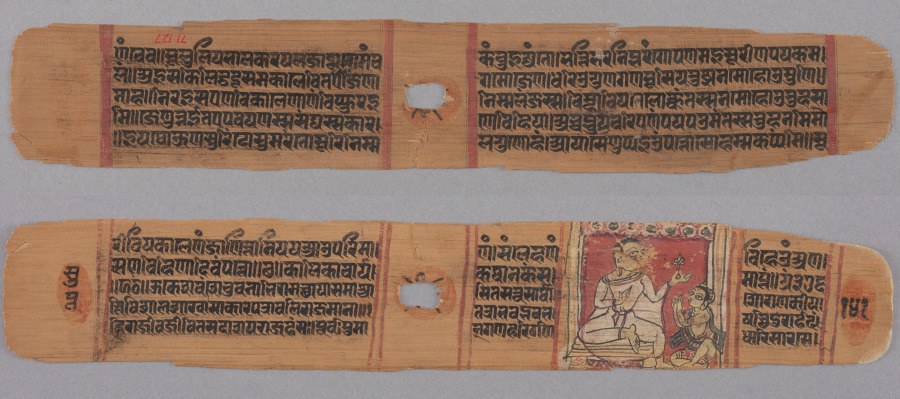
Folio 141, from a Kalpa-sutra and Story of Kalakacharya: Text (recto); Monk Holding a Flower Venerated by a Lay disciple (verso) at the Cleveland Museum of Art: 1287, Gum tempera and ink on palm leaf. Explore the work's context, creator att
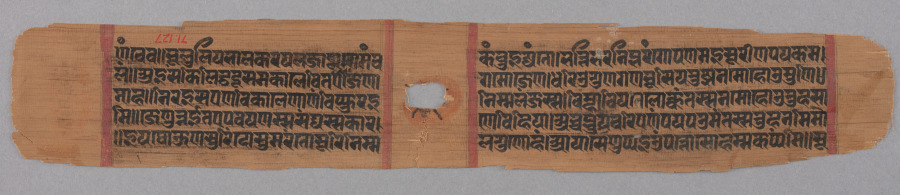
Folio 141 (recto), from a Kalpa-sutra and Story of Kalakacharya at the Cleveland Museum of Art: 1287, gum tempera and ink on palm leaf. Explore the work's context, creator attribution and collection history.
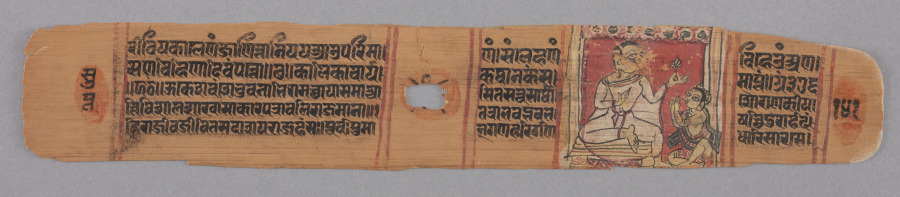
Monk Holding a Flower Venerated by a Lay Disciple: Folio 141 (verso), from a Kalpa-sutra and Story of Kalakacharya at the Cleveland Museum of Art: 1287, Gum tempera and ink on palm leaf. Explore the work's context, creator attribution and c

Folio 2 from a Parshvanatha Charitra (Life and Stories of Lord Parshva) of Bhavadeva-suri: Monk preaching to a disciple with a lay audience (recto); Text (verso) at the Cleveland Museum of Art: c. 1275–1300, Gum tempera and ink on palm leaf

Monk preaching to a disciple with a lay audience, folio 2 (recto) from a Parshvanatha Charitra (Life and Stories of Lord Parshva) of Bhavadeva-suri at the Cleveland Museum of Art: c. 1275–1300, Gum tempera and ink on palm leaf. Explore the

Text, folio 2 (verso) from a Parshvanatha Charitra (Life and Stories of Lord Parshva) of Bhavadeva-suri at the Cleveland Museum of Art: c. 1275–1300, Gum tempera and ink on palm leaf. Explore the work's context, creator attribution and coll
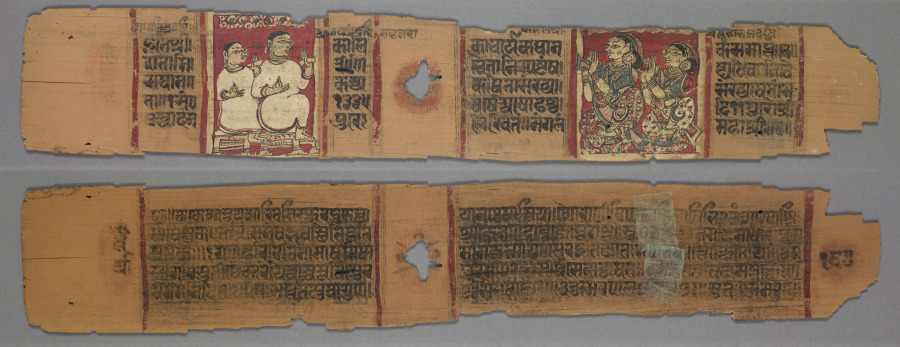
Folio 167, from a Kalpa-sutra and Story of Kalakacharya: two nuns teaching lay women (recto); genealogical text (verso) at the Cleveland Museum of Art: 1278, Gum tempera and ink on palm leaf. Explore the work's context, creator attribution

Two nuns teaching lay women, colophon page of folio 167 (recto) from a Kalpa-sutra and Story of Kalakacharya at the Cleveland Museum of Art: 1278, Gum tempera and ink on palm leaf. Explore the work's context, creator attribution and collect

Genealogical text, folio 167 (verso) from a Kalpa-sutra and Story of Kalakacharya at the Cleveland Museum of Art: 1278, Gum tempera and ink on palm leaf. Explore the work's context, creator attribution and collection history.
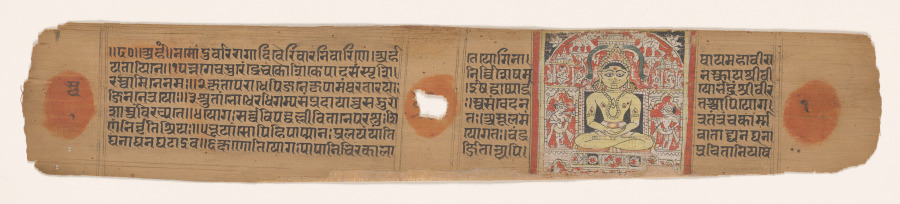
Rishabha enthroned, folio 1 (verso) from a Yoga-shastra of Hemachandra at the Cleveland Museum of Art: c. 1275, Gum tempera and ink on palm leaf. Explore the work's context, creator attribution and collection history.

Folio 22 from a Yoga-shastra of Hemachandra: Jain Monk with disciple and two laymen, two Nuns, and a laywoman (recto); Text (verso) at the Cleveland Museum of Art: c. 1275, Gum tempera and ink on palm leaf. Explore the work's context, creat

Folio 1, from a Great Poem about Twos (Dvyashraya Mahakavya) of Hemachandra with Commentary by Abhayatilaka at the Cleveland Museum of Art: 1428, Gum tempera and ink on palm leaf. Explore the work's context, creator attribution and collecti
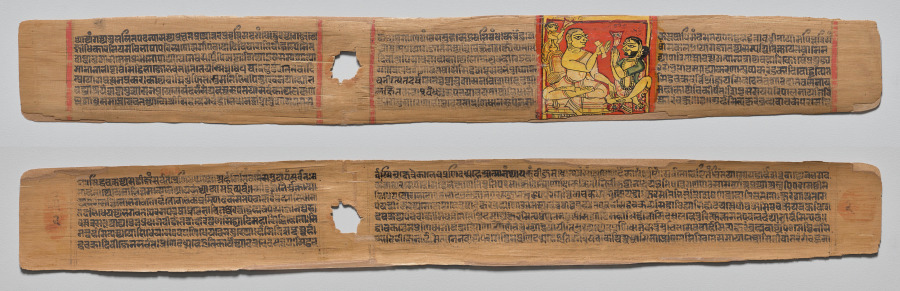
Folio 2, from a Great Poem about Twos (Dvyashraya Mahakavya) of Hemachandra with Commentary by Abhayatilaka at the Cleveland Museum of Art: 1428, gum tempera and ink on palm leaf. Explore the work's context, creator attribution and collecti
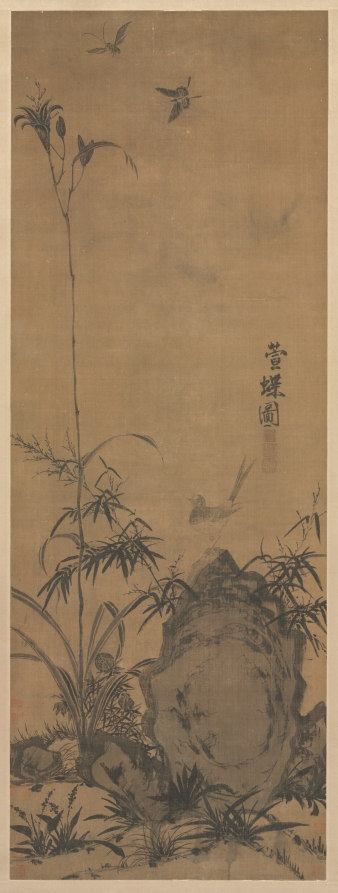
Lily and Butterflies at the Cleveland Museum of Art: 1300s, Hanging scroll; ink on silk. Explore the work's context, creator attribution and collection history.
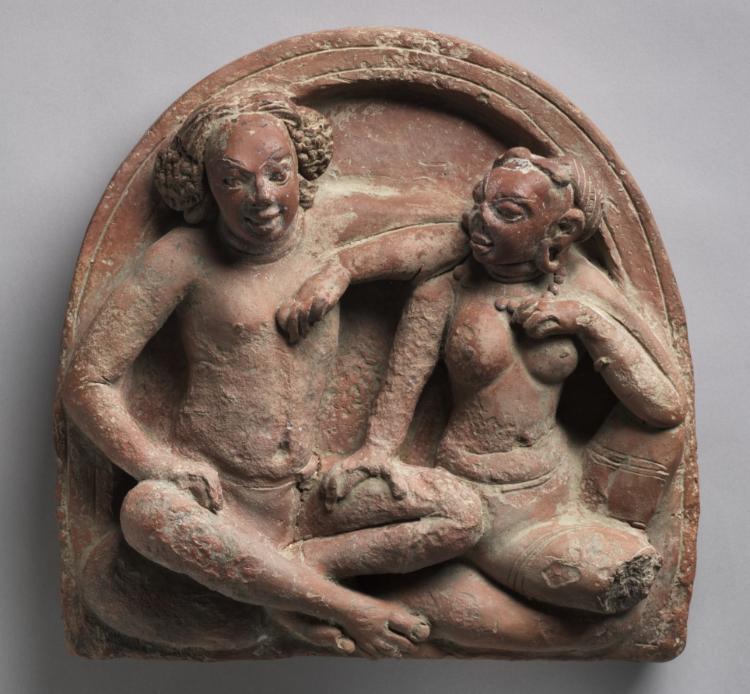
Amorous Couple (Mithuna) at the Cleveland Museum of Art: 400s, terracotta. Explore the work's context, creator attribution and collection history.
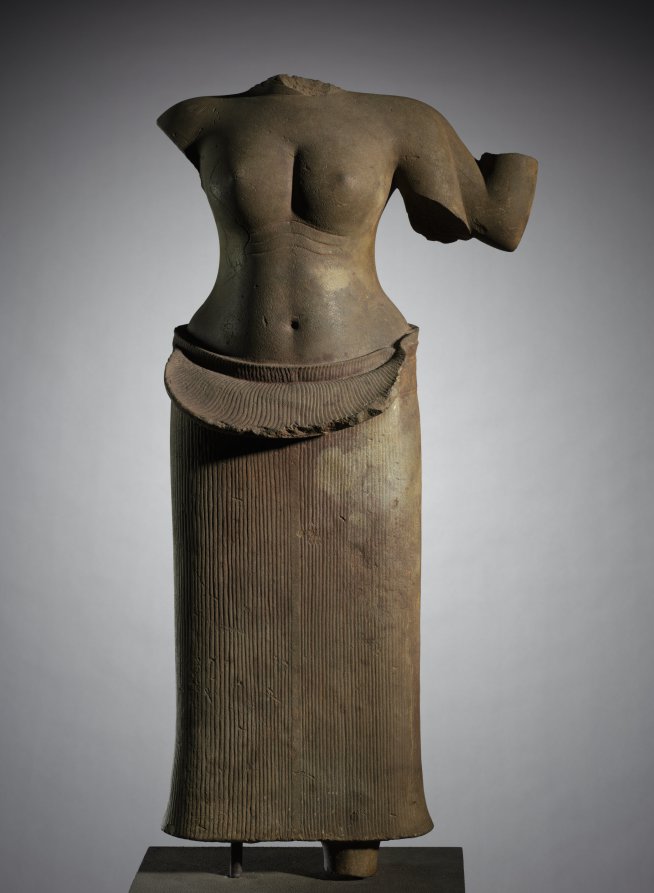
Standing Female Deity at the Cleveland Museum of Art: 900s, stone. Explore the work's context, creator attribution and collection history.
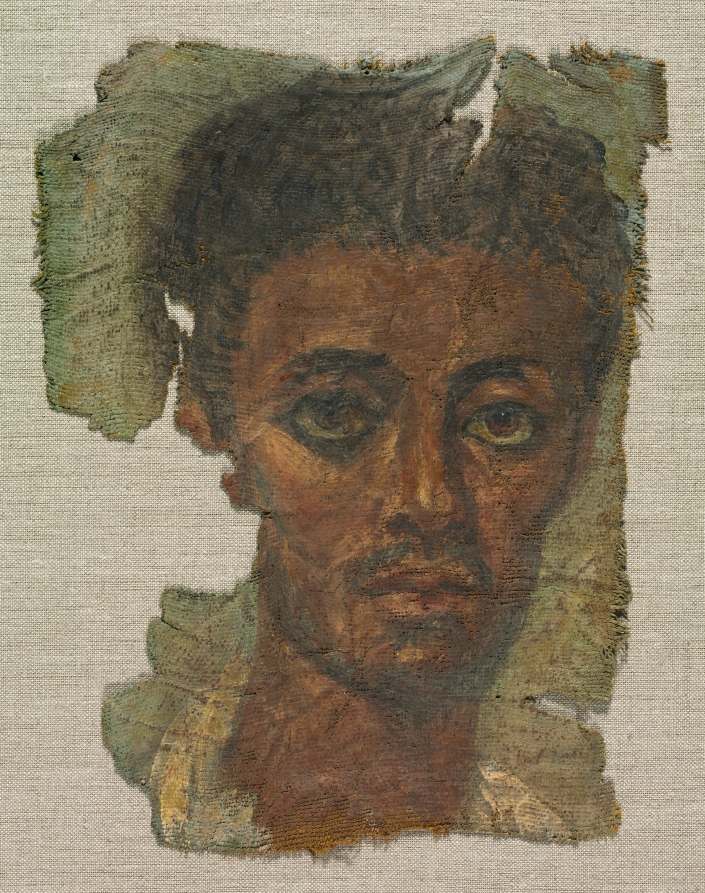
Funerary Panel of a Man at the Cleveland Museum of Art: about 138–92 CE, encaustic on linen. Explore the work's context, creator attribution and collection history.
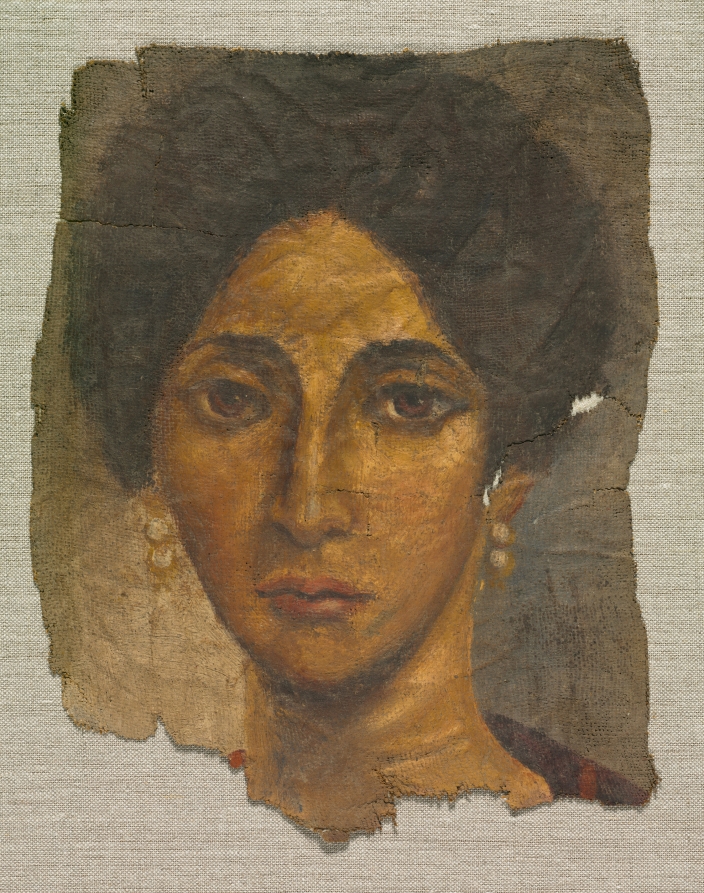
Funerary Portrait of a Woman at the Cleveland Museum of Art: c. 138–92 CE, encaustic on linen. Explore the work's context, creator attribution and collection history.
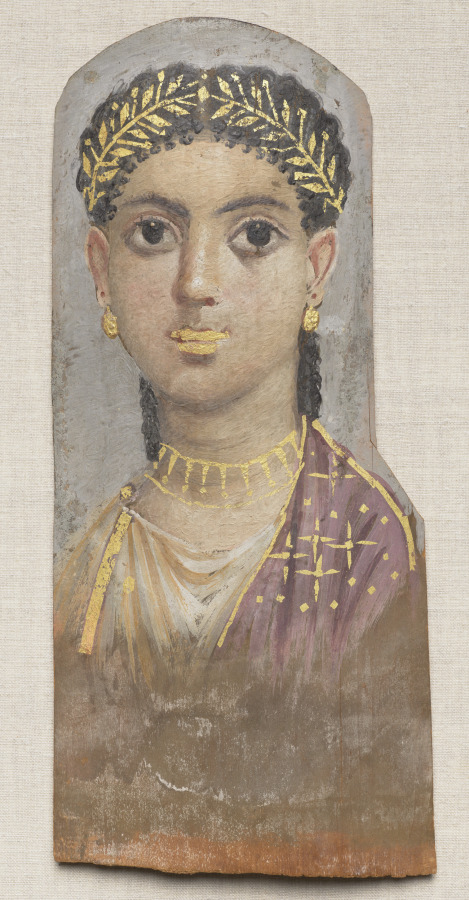
Funerary Portrait of a Young Girl at the Cleveland Museum of Art: c. 25–37 CE, encaustic on linden wood. Explore the work's context, creator attribution and collection history.

Vase with Golden Pheasants at the Cleveland Museum of Art: 1736–95, porcelain painted in polychrome enamels over transparent glaze. Explore the work's context, creator attribution and collection history.

Malagan Memorial Festival Pole at the Cleveland Museum of Art: 1800s, painted wood, sea snail opercula. Explore the work's context, creator attribution and collection history.
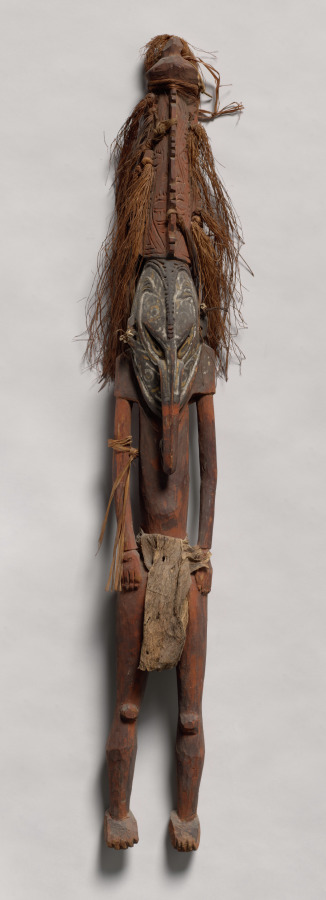
Ancestral Figure at the Cleveland Museum of Art: 1800s, painted wood with fiber and tapa cloth. Explore the work's context, creator attribution and collection history.
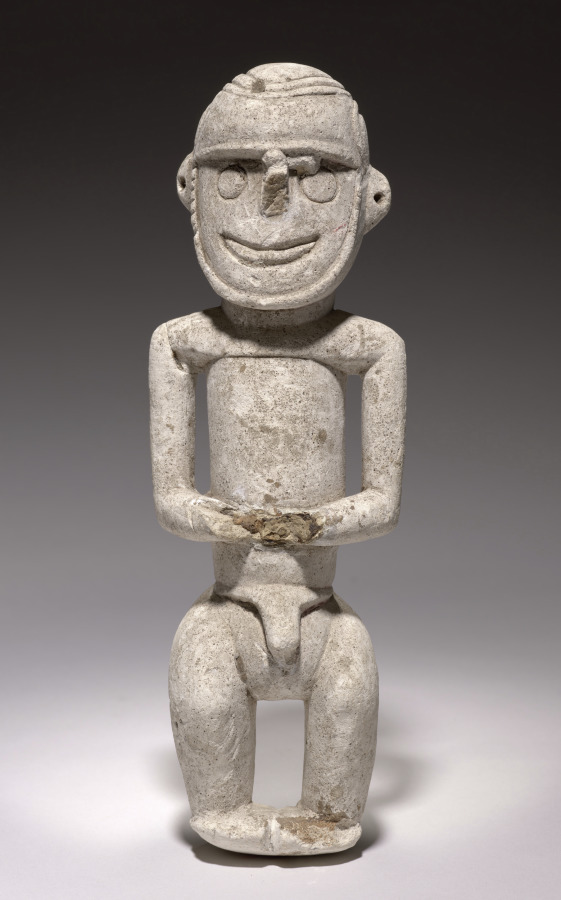
Male Ancestor Figure at the Cleveland Museum of Art: before 1930, limestone. Explore the work's context, creator attribution and collection history.
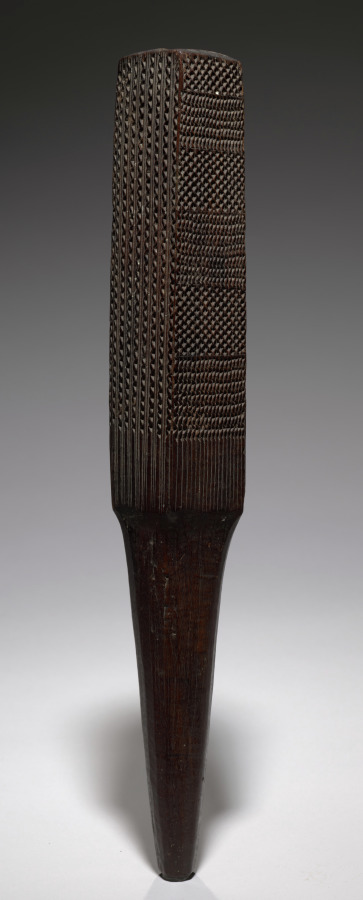
Tapa Cloth Beater (l'e kuku) at the Cleveland Museum of Art: before 1930, wood. Explore the work's context, creator attribution and collection history.
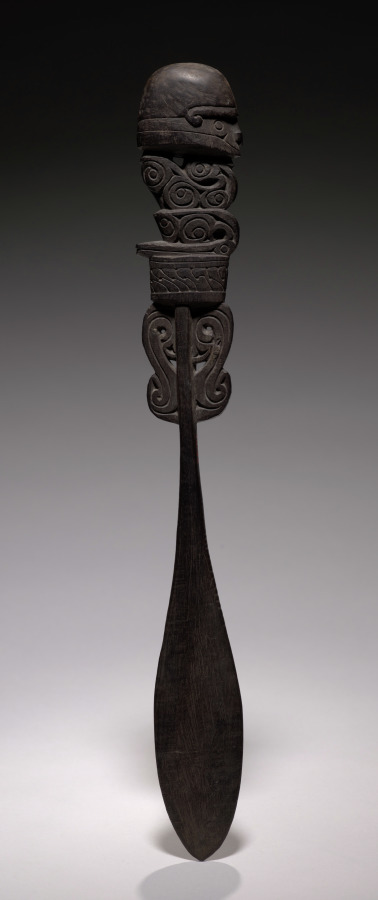
Lime Spatula at the Cleveland Museum of Art: before 1930, wood. Explore the work's context, creator attribution and collection history.
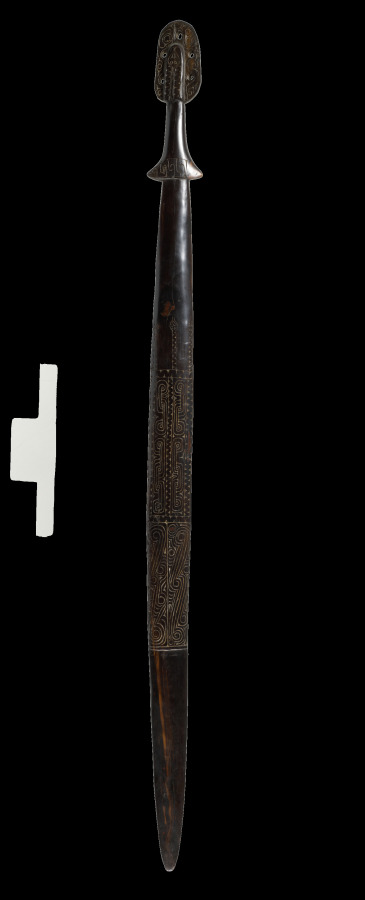
Club at the Cleveland Museum of Art: before 1930, wood. Explore the work's context, creator attribution and collection history.
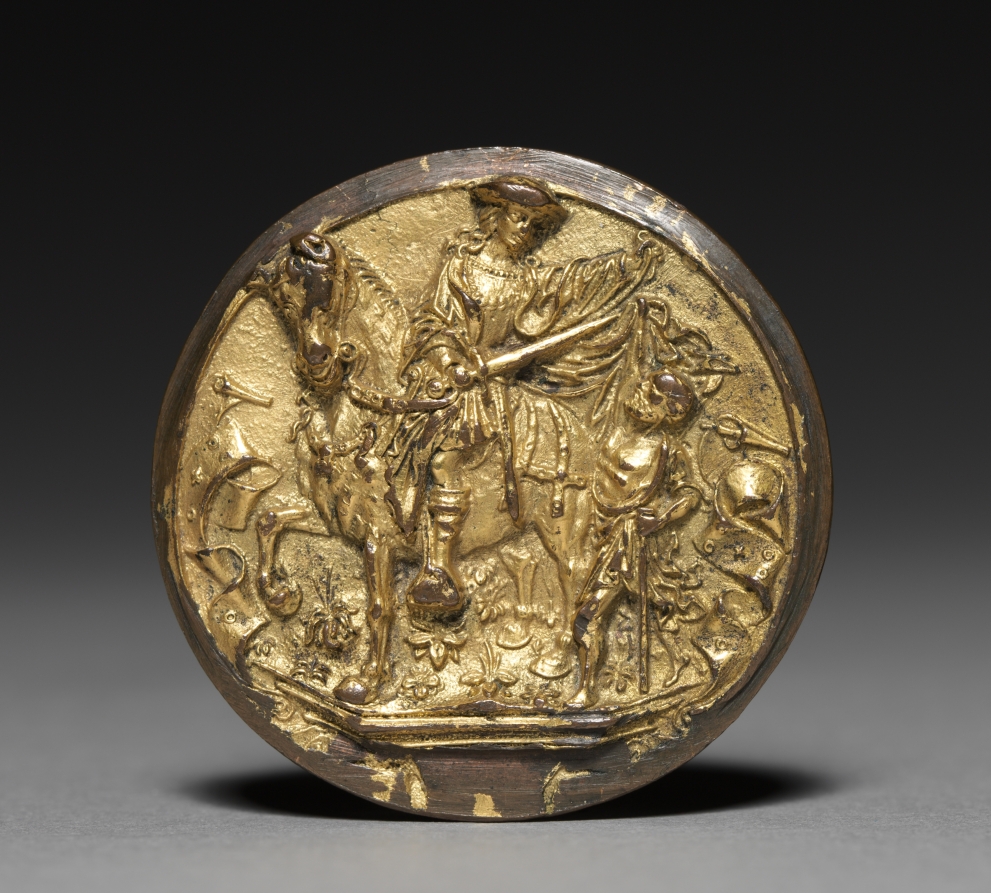
Saint Martin and the Beggar at the Cleveland Museum of Art: early 1500s, gilt bronze. Explore the work's context, creator attribution and collection history.
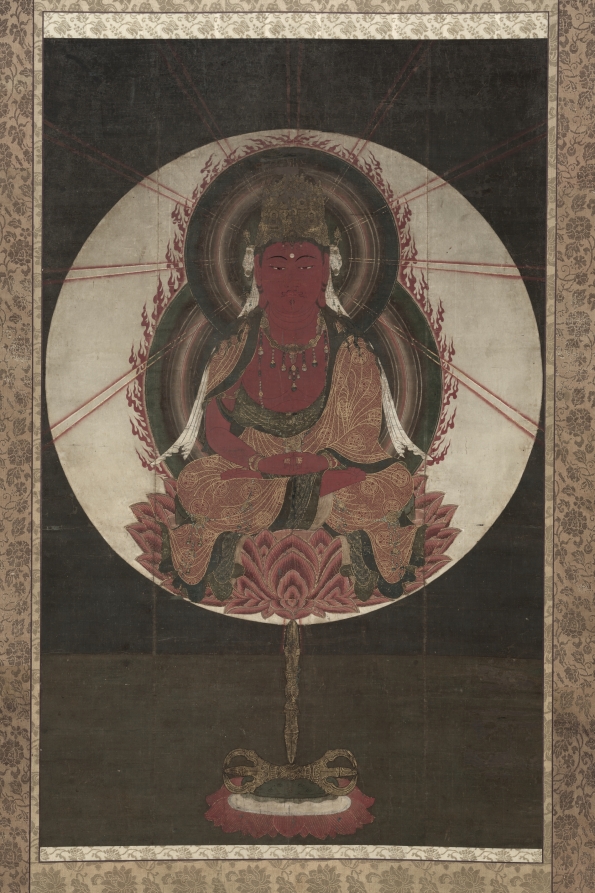
Red Amida at the Cleveland Museum of Art: 1300s, hanging scroll; ink, color, and gold on silk. Explore the work's context, creator attribution and collection history.
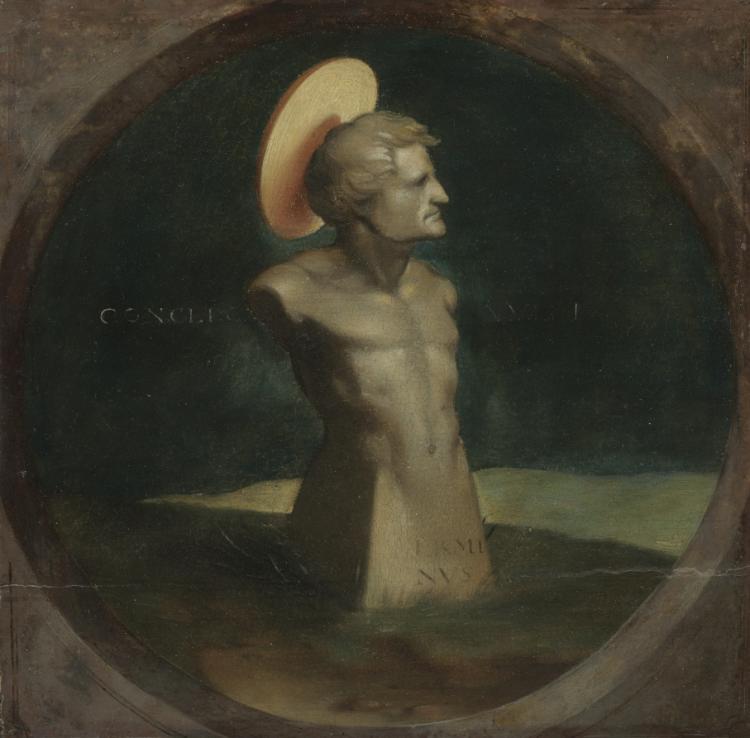
Terminus, the Device of Erasmus at the Cleveland Museum of Art: c. 1532, oil on wood. Explore the work's context, creator attribution and collection history.

Portable Buddhist Temple at the Cleveland Museum of Art: 900s, Kaolin with traces of pigment. Explore the work's context, creator attribution and collection history.
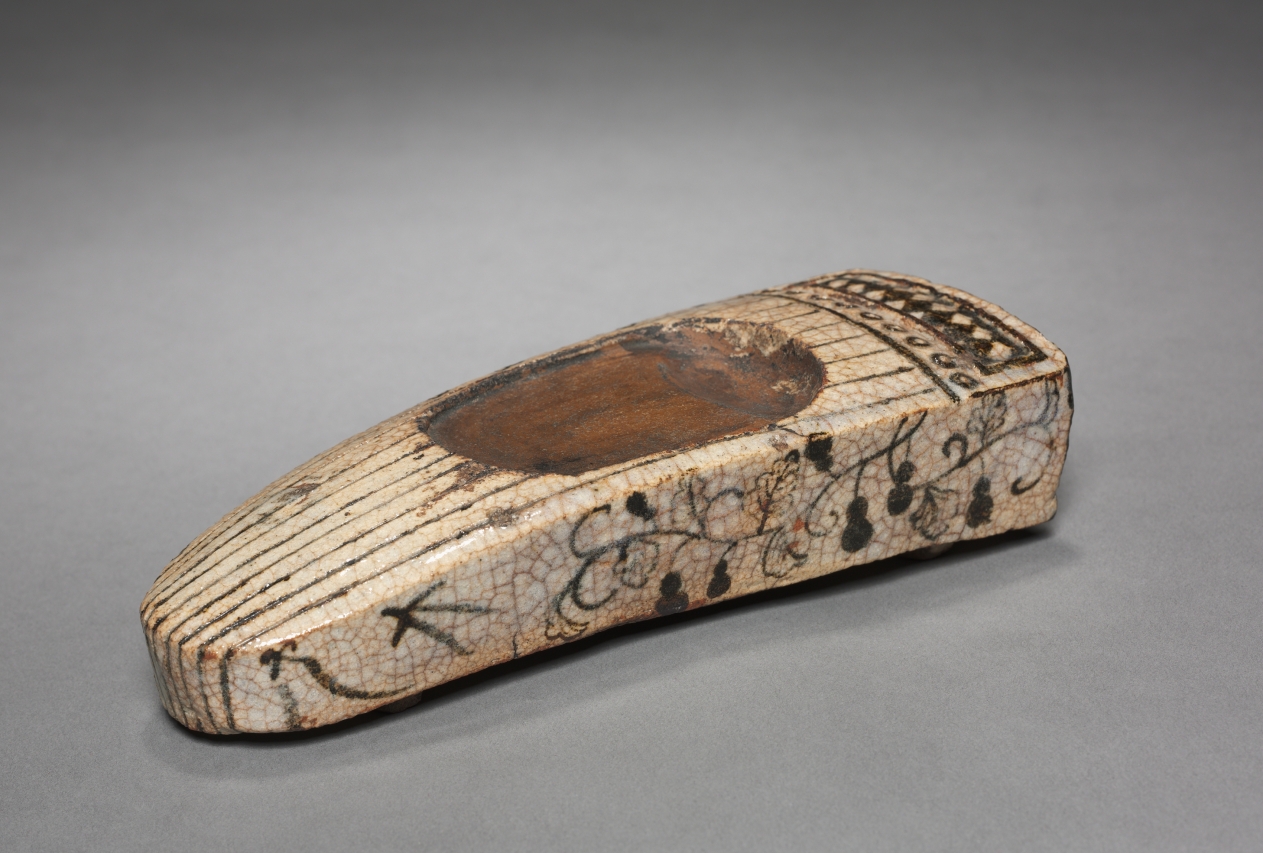
Inkstone in the Form of a Koto at the Cleveland Museum of Art: 1600s, Stoneware with underglaze iron decoration (Shino ware, Mino type). Explore the work's context, creator attribution and collection history.
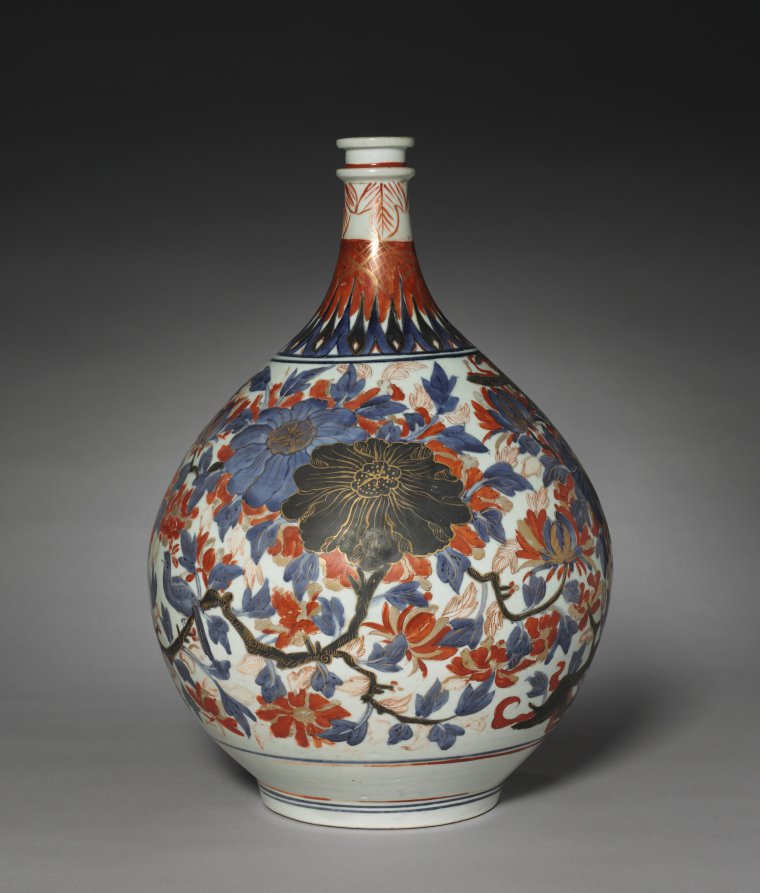
Apothecary's Bottle at the Cleveland Museum of Art: 1670s, porcelain with underglaze blue and overglaze color enamels (Hizen ware, Arita type). Explore the work's context, creator attribution and collection history.

Krishna sporting with the gopis in the Jumna River, from a Bhagavata Purana at the Cleveland Museum of Art: c. 1525–40, Gum tempera and ink on paper. Explore the work's context, creator attribution and collection history.
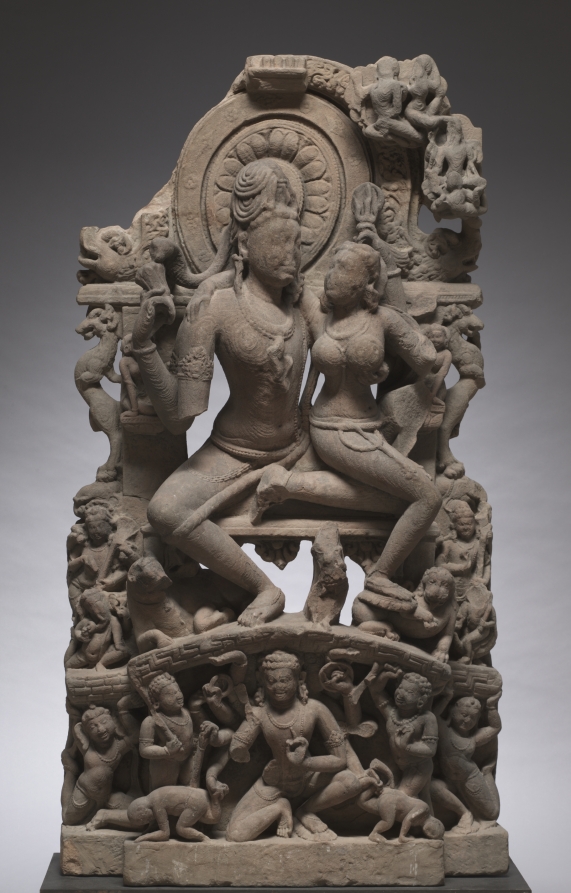
Ravana Shaking Mount Kailasa at the Cleveland Museum of Art: 700s, sandstone. Explore the work's context, creator attribution and collection history.
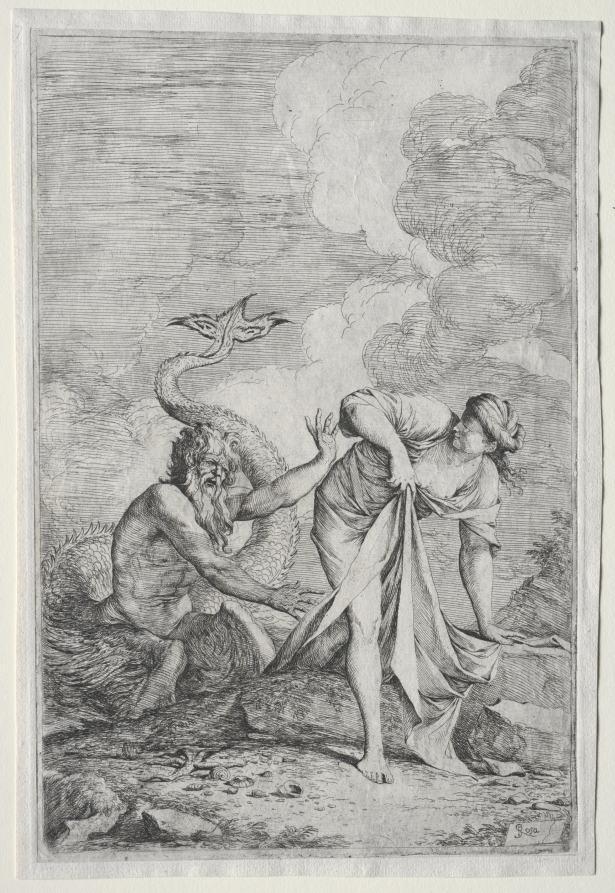
Glaucus and Scylla at the Cleveland Museum of Art: c. 1661, etching. Explore the work's context, creator attribution and collection history.
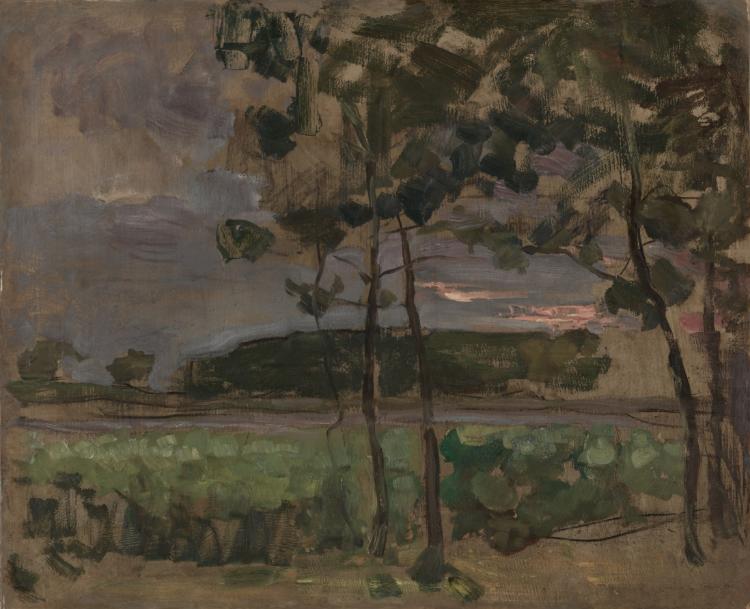
Field with Young Trees in the Foreground at the Cleveland Museum of Art: c. 1907, oil on paper laid on board. Explore the work's context, creator attribution and collection history.

Two Angels and Cherubs Bearing an Icon of Christ at the Cleveland Museum of Art: c. 1670–80, terracotta. Explore the work's context, creator attribution and collection history.