Hunchback Seated on a Stool (c. 600–800): Art, History and Details
Hunchback Seated on a Stool at the Cleveland Museum of Art: c. 600–800, earthenware with colored slips. Explore the work's context, creator attribution and collection history.
Oldest entries first, in a fixed order. Newly added articles appear at the end. Explore a shuffled selection →
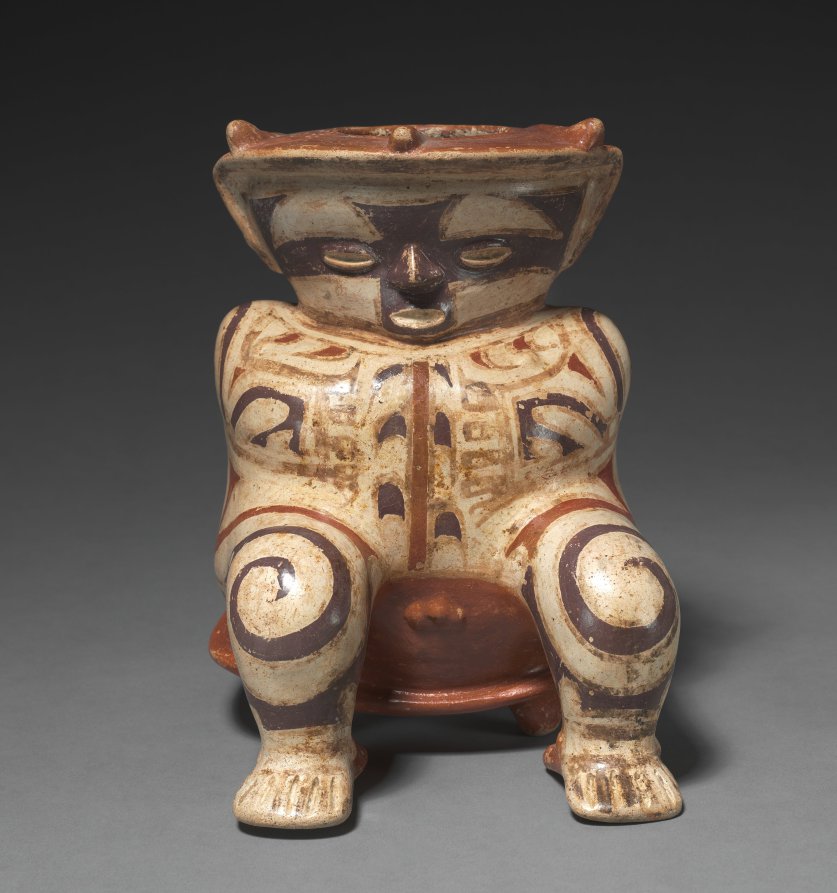
Hunchback Seated on a Stool at the Cleveland Museum of Art: c. 600–800, earthenware with colored slips. Explore the work's context, creator attribution and collection history.
Set of Four Painted Characters at the Cleveland Museum of Art: early 1900s, hanging scroll, ink and color on paper; unmounted. Explore the work's context, creator attribution and collection history.
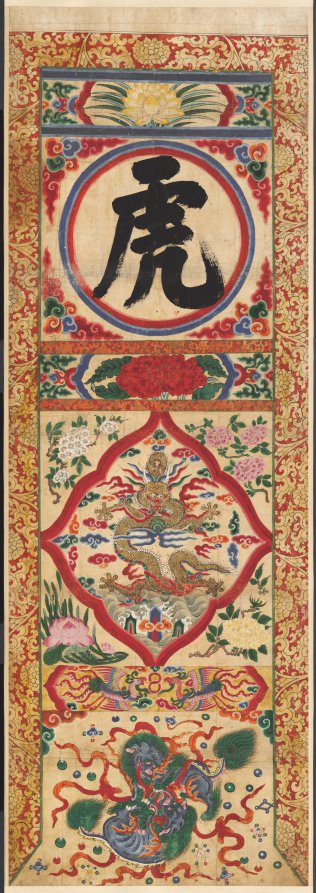
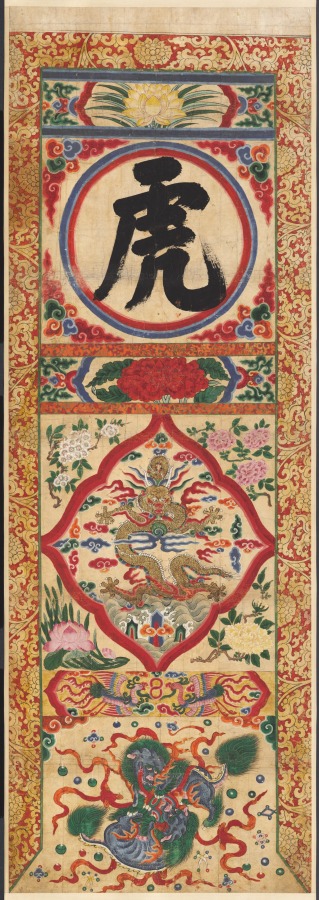
Painted Panel of Character "Tiger" at the Cleveland Museum of Art: early 1900s, hanging scroll, ink and color on paper; unmounted. Explore the work's context, creator attribution and collection history.
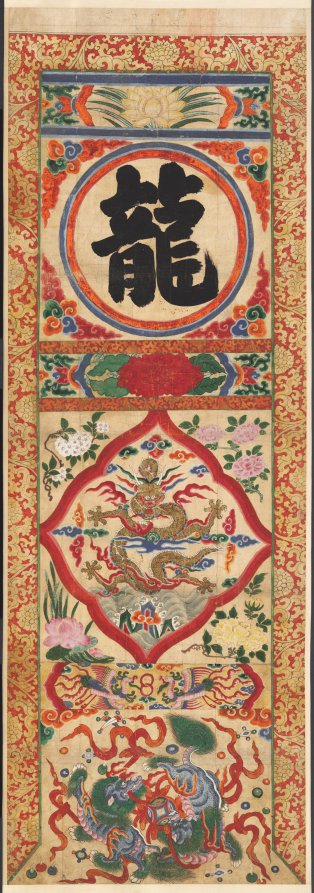
Painted Panel of Character "Dragon" at the Cleveland Museum of Art: early 1900s, hanging scroll, ink and color on paper; unmounted. Explore the work's context, creator attribution and collection history.

Painted Panel of Character "Whistle" at the Cleveland Museum of Art: early 1900s, hanging scroll, ink and color on paper; unmounted. Explore the work's context, creator attribution and collection history.

Painted Panel of Character "Recite" at the Cleveland Museum of Art: early 1900s, hanging scroll, ink and color on paper; unmounted. Explore the work's context, creator attribution and collection history.

The Assembly of Tejaprabha Buddha at the Cleveland Museum of Art: 1878, hanging scroll; ink, color, and gold on silk. Explore the work's context, creator attribution and collection history.
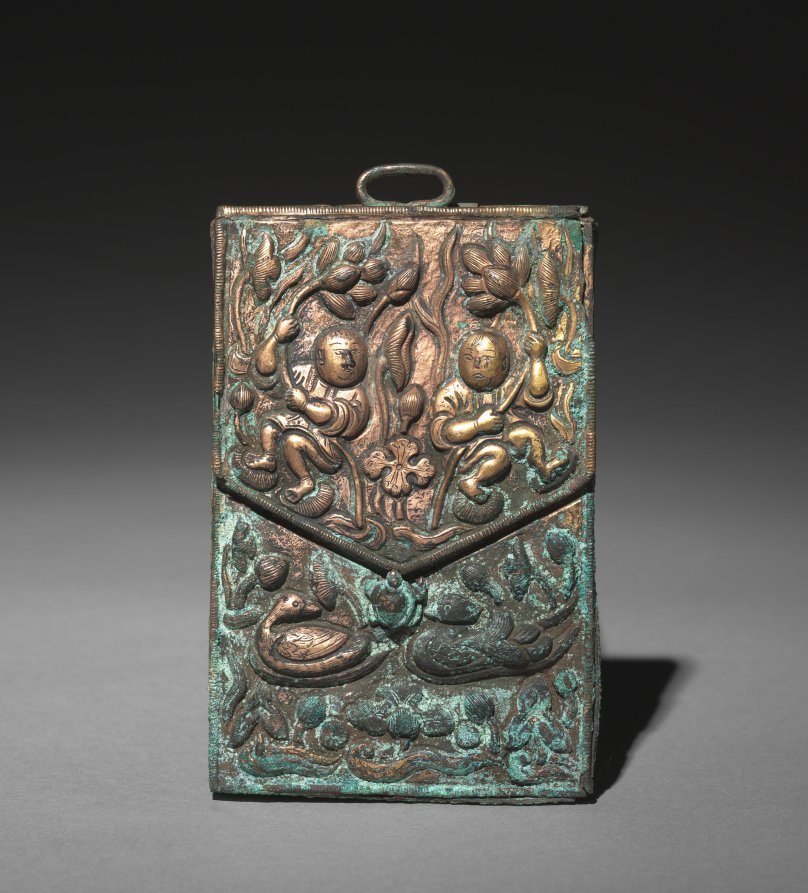
Sutra Container at the Cleveland Museum of Art: 1100s, gilt bronze with incised and high relief decoration. Explore the work's context, creator attribution and collection history.

Buddhist Sutra Container at the Cleveland Museum of Art: 1100s–1200s, gilt silver with incised Buddhist designs. Explore the work's context, creator attribution and collection history.
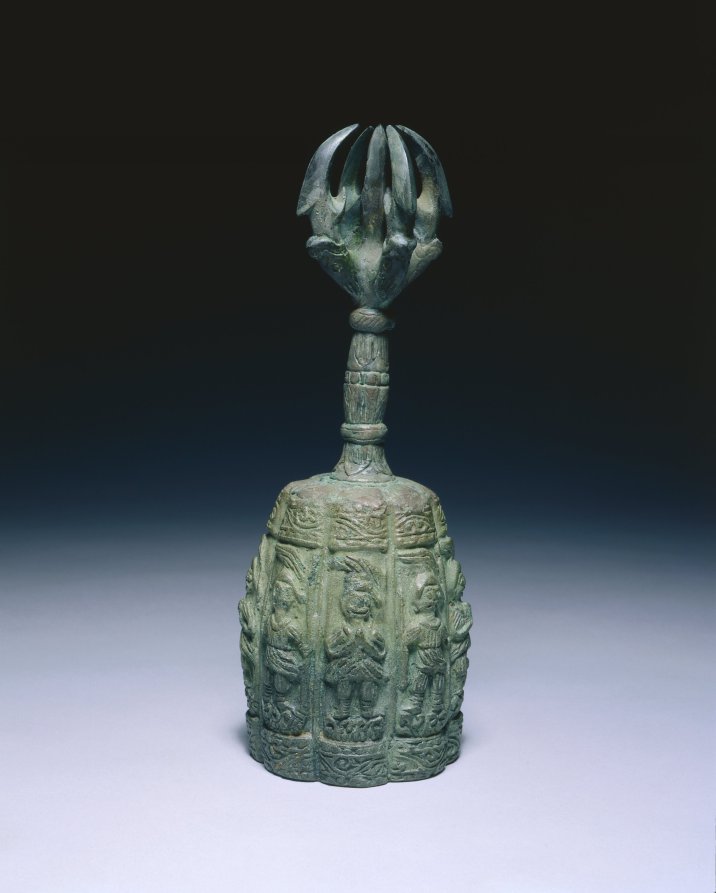
Buddhist Ritual Bell at the Cleveland Museum of Art: 1300s, bronze; with incised designs. Explore the work's context, creator attribution and collection history.

Book of Hours (Use of Utrecht) at the Cleveland Museum of Art: c. 1460–1465, ink, tempera, and gold on vellum; binding: brown Morocco over original wooden boards. Explore the work's context, creator attribution and collection history.

Book of Hours (Use of Utrecht): fol. 14r, Initial with The Nativity at the Cleveland Museum of Art: c. 1460–1465, ink, tempera, and gold on vellum; binding: brown Morocco over original wooden boards. Explore the work's context, creator attr

Book of Hours (Use of Utrecht): fol. 157v, Text at the Cleveland Museum of Art: c. 1460–1465, ink, tempera, and gold on vellum; binding: brown Morocco over original wooden boards. Explore the work's context, creator attribution and collecti
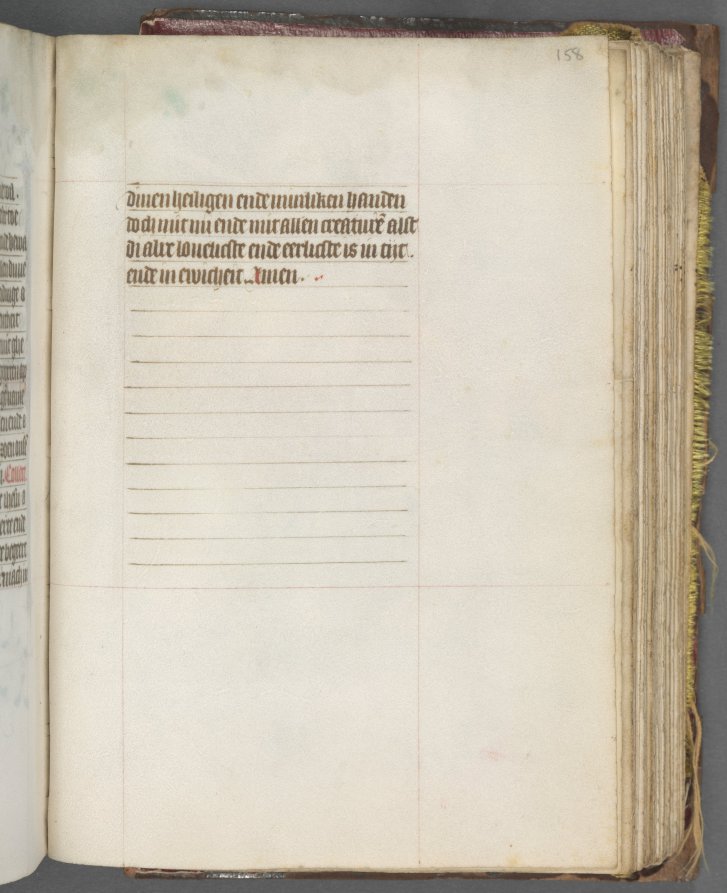
Book of Hours (Use of Utrecht): fol. 158r, Text at the Cleveland Museum of Art: c. 1460–1465, ink, tempera, and gold on vellum; binding: brown Morocco over original wooden boards. Explore the work's context, creator attribution and collecti
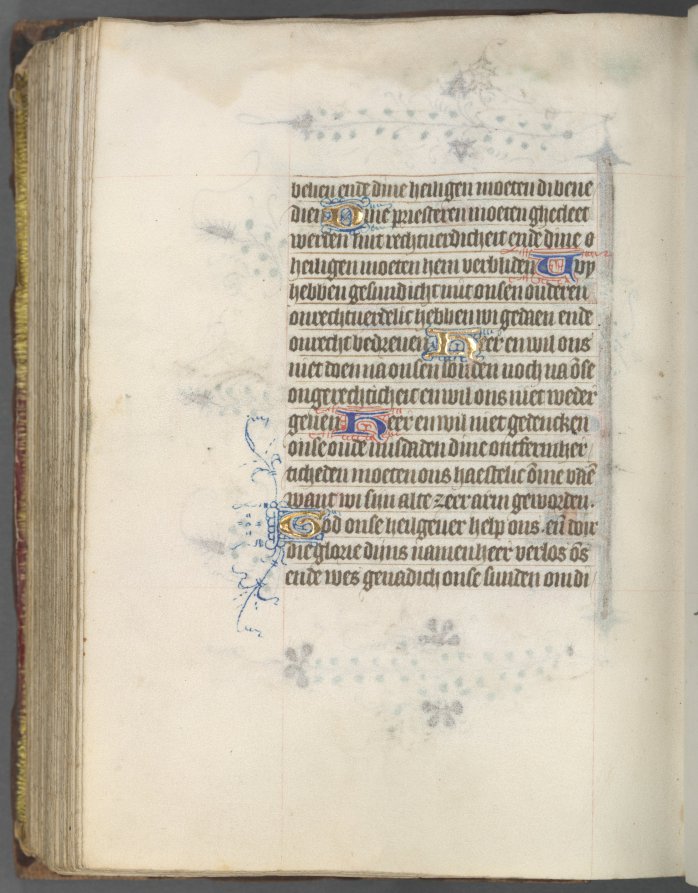
Book of Hours (Use of Utrecht): fol. 174v, Text at the Cleveland Museum of Art: c. 1460–1465, ink, tempera, and gold on vellum; binding: brown Morocco over original wooden boards. Explore the work's context, creator attribution and collecti

Book of Hours (Use of Utrecht): fol. 175r, Text at the Cleveland Museum of Art: c. 1460–1465, ink, tempera, and gold on vellum; binding: brown Morocco over original wooden boards. Explore the work's context, creator attribution and collecti

Book of Hours (Use of Utrecht): fol. 221v, Adoration of the Magi at the Cleveland Museum of Art: c. 1460–1465, ink, tempera, and gold on vellum; binding: brown Morocco over original wooden boards. Explore the work's context, creator attribu

Book of Hours (Use of Utrecht): fol. 222r, Initial with Three Kings at the Cleveland Museum of Art: c. 1460–1465, ink, tempera, and gold on vellum; binding: brown Morocco over original wooden boards. Explore the work's context, creator attr

Book of Hours (Use of Utrecht): fol. 62v, The Nativity at the Cleveland Museum of Art: c. 1460–1465, ink, tempera, and gold on vellum; binding: brown Morocco over original wooden boards. Explore the work's context, creator attribution and c

Book of Hours (Use of Utrecht): fol. 63r, Initial with Holy Trinity at the Cleveland Museum of Art: c. 1460–1465, ink, tempera, and gold on vellum; binding: brown Morocco over original wooden boards. Explore the work's context, creator attr

Gorges Du Tarn Castelbouc at the Cleveland Museum of Art: 1870s, salted paper print from wet collodion negative. Explore the work's context, creator attribution and collection history.

Well of Joab, Jerusalem at the Cleveland Museum of Art: 1857, salt print from wet collodion negative. Explore the work's context, creator attribution and collection history.

Portrait of Lisa Colt Curtis at the Cleveland Museum of Art: 1898, oil on canvas. Explore the work's context, creator attribution and collection history.
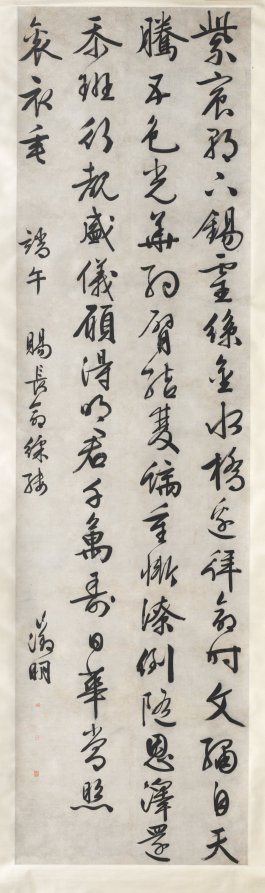
Poem on Imperial Gift of an Embroidered Silk: Calligraphy in Running-Standard Script (xingkaishu) at the Cleveland Museum of Art: c. 1525, Hanging scroll; ink on paper. Explore the work's context, creator attribution and collection history.
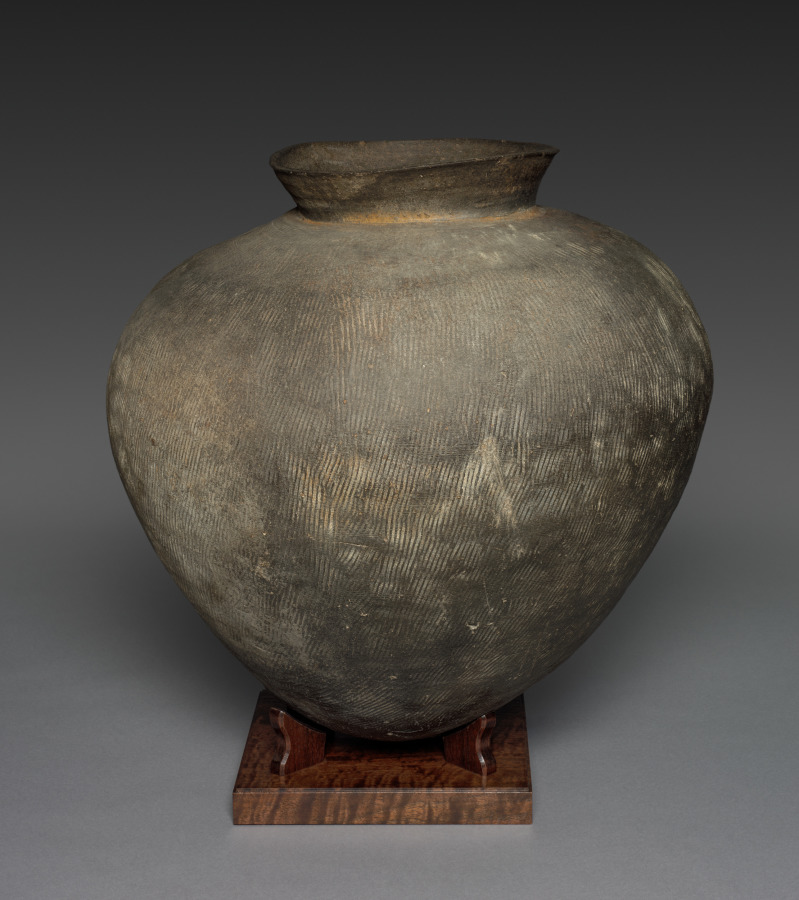
Storage Jar: Sueki ware at the Cleveland Museum of Art: 700s, stoneware with incised and impressed decoration and natural ash glaze. Explore the work's context, creator attribution and collection history.
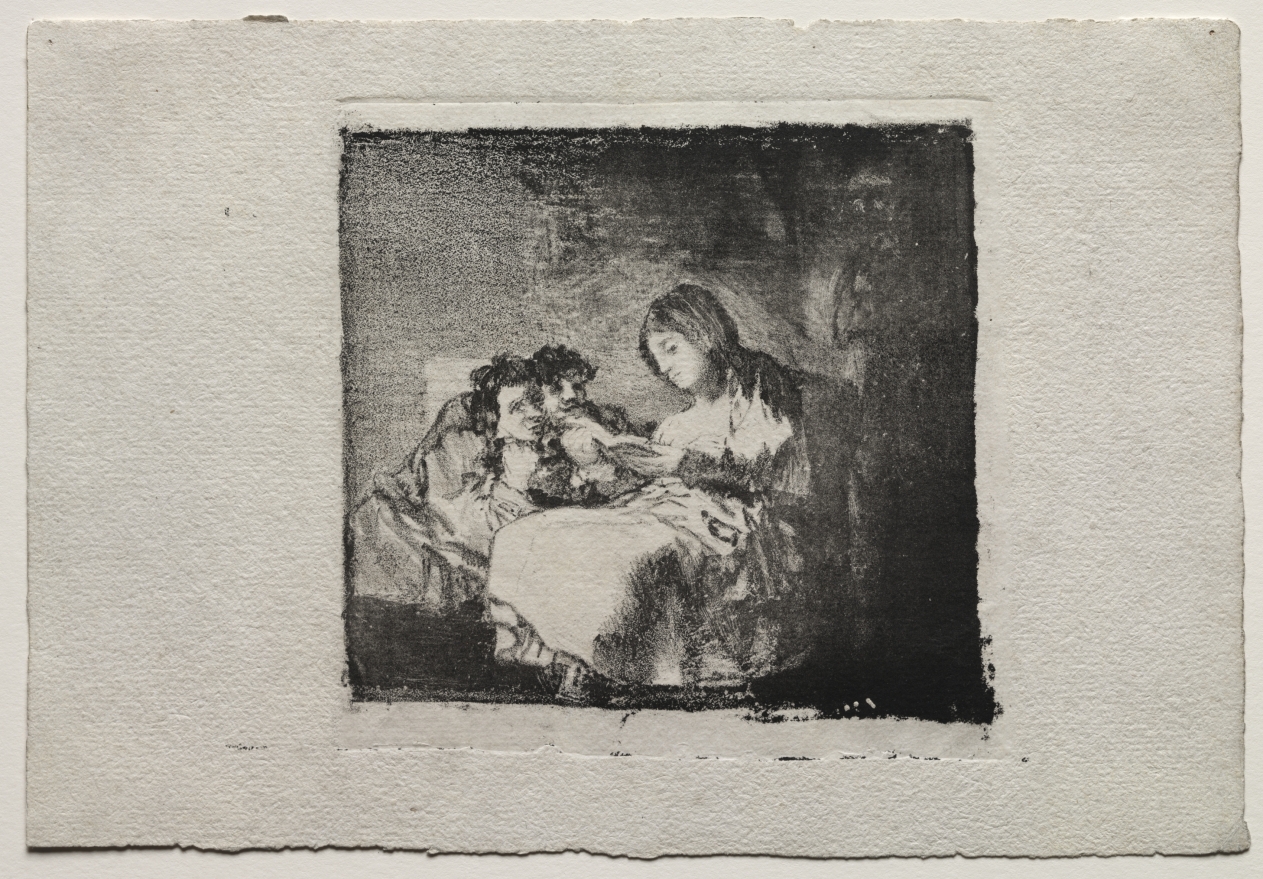
Woman Reading to Two Children at the Cleveland Museum of Art: 1824–25, lithograph. Explore the work's context, creator attribution and collection history.

Kriophoros (Ram-Bearer), Statuette at the Cleveland Museum of Art: 650–600 BCE, terracotta and polychrome. Explore the work's context, creator attribution and collection history.
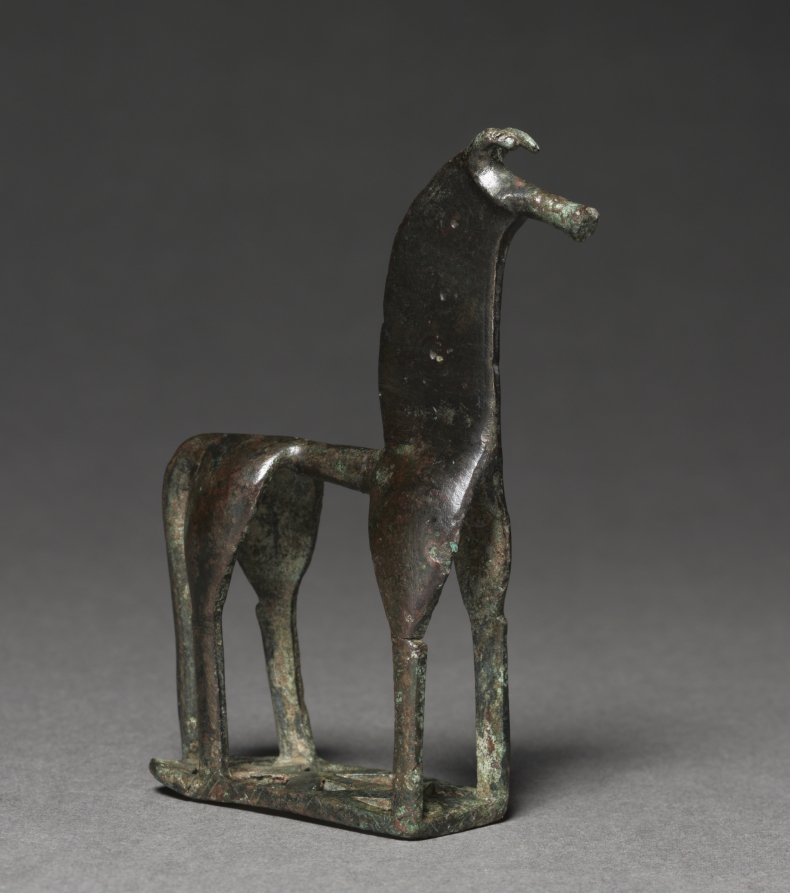
Statuette of a Horse at the Cleveland Museum of Art: 750–700 BCE, bronze. Explore the work's context, creator attribution and collection history.

Artist (or Assistant) with Pipe at the Cleveland Museum of Art: 1853–1857, salt print from wet collodion negative. Explore the work's context, creator attribution and collection history.
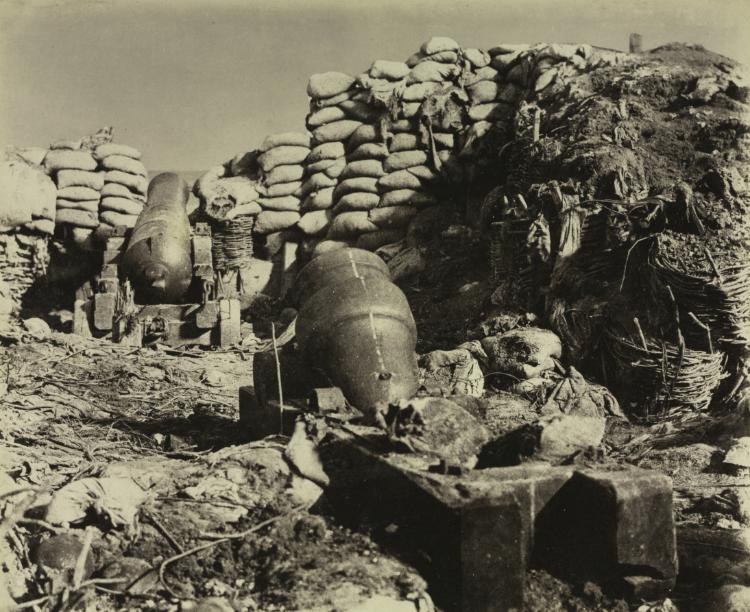
Battery, Malakoff at the Cleveland Museum of Art: 1855, varnished salt or albumen print from waxed paper negative. Explore the work's context, creator attribution and collection history.

Courtyard with Painters at the Cleveland Museum of Art: late 1860s, albumen print from wet collodion negative. Explore the work's context, creator attribution and collection history.
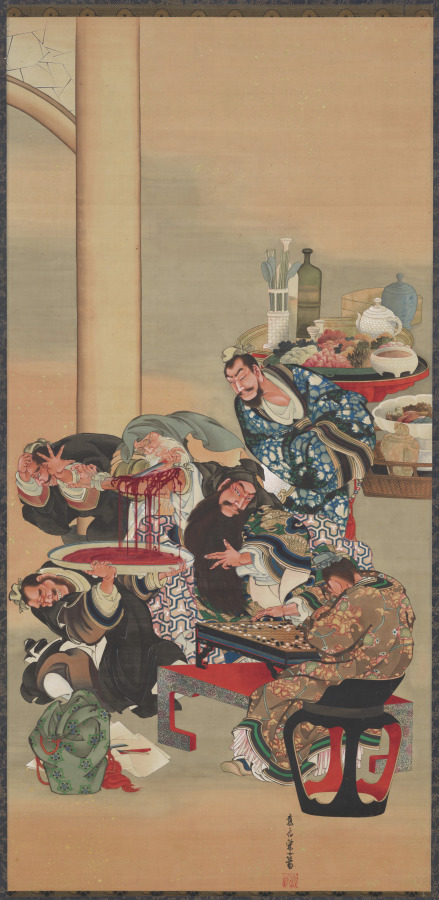
Operating on Guan Yu's Arm at the Cleveland Museum of Art: 1840s, hanging scroll; ink, color, and gold on silk. Explore the work's context, creator attribution and collection history.
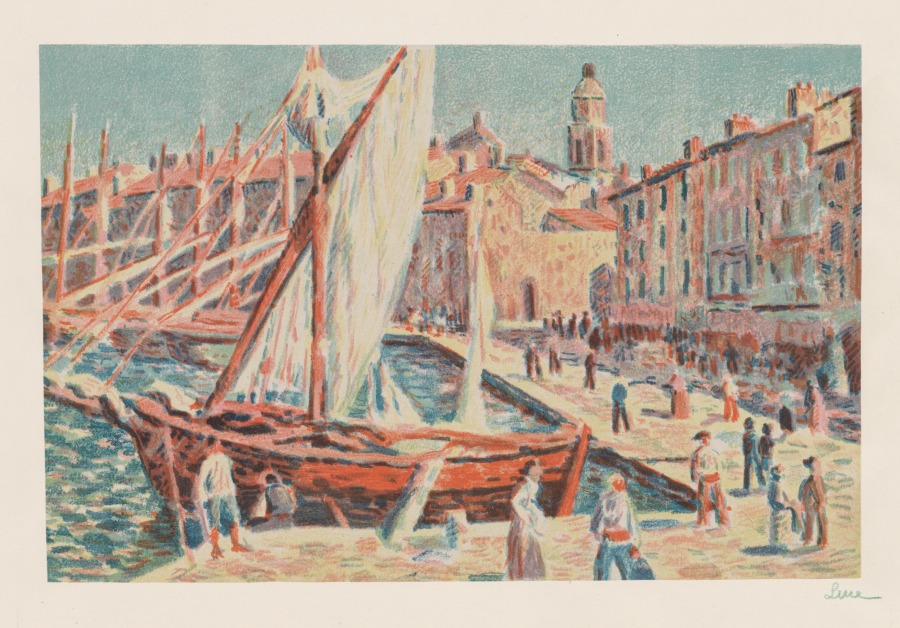
Saint-Tropez at the Cleveland Museum of Art: 1897, color lithograph. Explore the work's context, creator attribution and collection history.

Self-Portrait (negative) at the Cleveland Museum of Art: c. 1853, waxed paper negative. Explore the work's context, creator attribution and collection history.
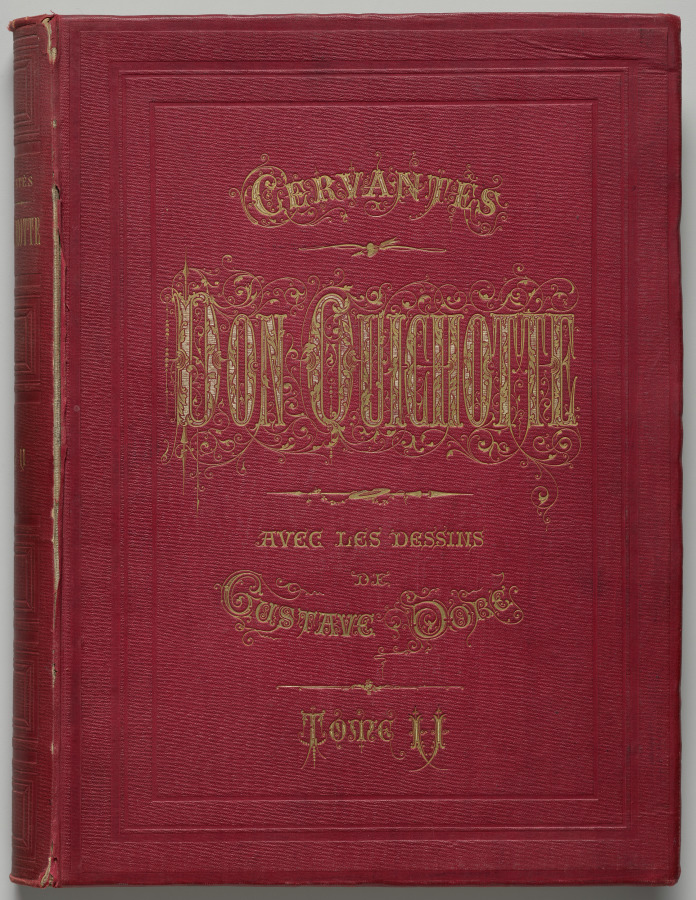
Don Quixote (vol II) at the Cleveland Museum of Art: 1863, wood engraving. Explore the work's context, creator attribution and collection history.

Plate at the Cleveland Museum of Art: c. 1760, salt-glazed stoneware. Explore the work's context, creator attribution and collection history.
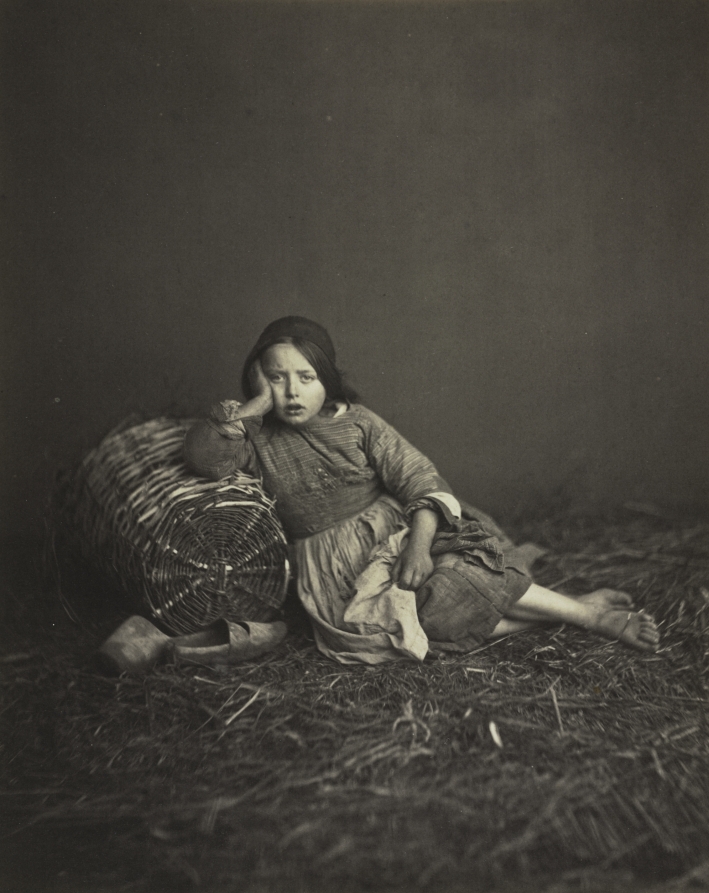
Young Girl Seated on Straw, Leaning on a Basket at the Cleveland Museum of Art: 1862, albumen print from wet collodion negative. Explore the work's context, creator attribution and collection history.
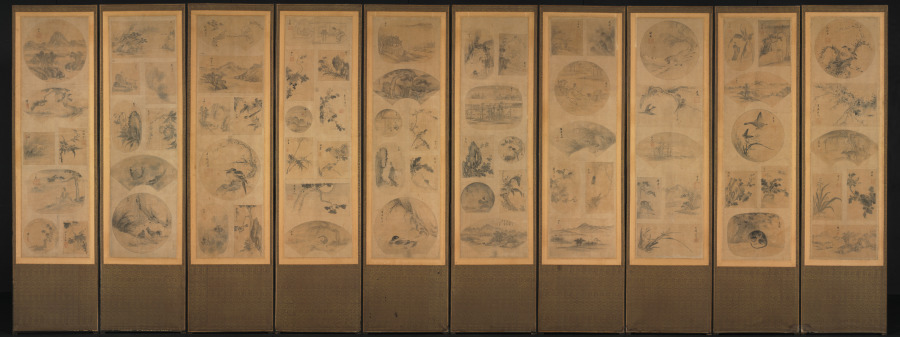
Painting of One Hundred Themes at the Cleveland Museum of Art: late 1800s, Ten-panel folding screen affixed with album leaves (obverse), calligraphy (reverse), ink and color on silk. Explore the work's context, creator attribution and colle
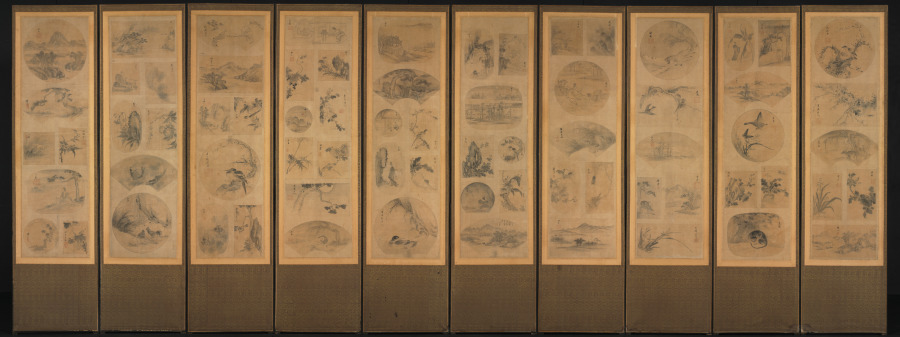
Painting of One Hundred Themes (obverse) at the Cleveland Museum of Art: late 1800s, Ten-panel folding screen affixed with album leaves (obverse), calligraphy (reverse), ink and color on silk. Explore the work's context, creator attribution
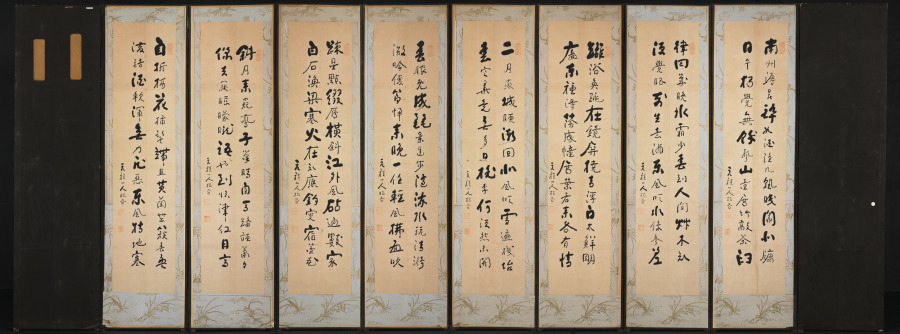
Calligraphy (reverse) at the Cleveland Museum of Art: late 1800s, Ten-panel folding screen affixed with album leaves (obverse), calligraphy (reverse), ink and color on silk. Explore the work's context, creator attribution and collection his