House of Worth — Walking suit — ca. 1889: Fashion History
Explore walking suit (ca. 1889) by House of Worth: materials, catalogue facts and collection credit from the Met's Costume Institute.
Oldest entries first, in a fixed order. Newly added articles appear at the end. Explore a shuffled selection →

Explore walking suit (ca. 1889) by House of Worth: materials, catalogue facts and collection credit from the Met's Costume Institute.

Explore walking dress (ca. 1885) by House of Worth: materials, catalogue facts and collection credit from the Met's Costume Institute.

Explore evening dress (ca. 1880) by House of Worth: materials, catalogue facts and collection credit from the Met's Costume Institute.

Explore dinner dress (1897–1900) by House of Worth: materials, catalogue facts and collection credit from the Met's Costume Institute.
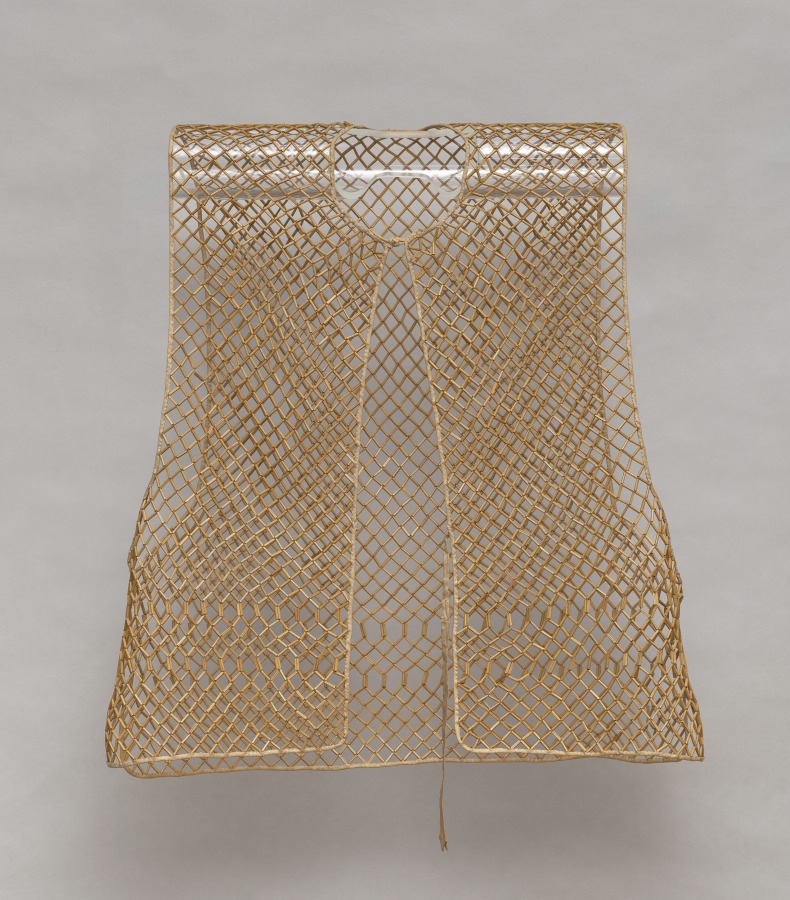
Sleeveless garment at the Cleveland Museum of Art: 1800s, Bamboo beads strung together in diamond and hexagon patterns; edges in plain weave cotton. Explore the work's context, creator attribution and collection history.

Hat (laket) with Pin at the Cleveland Museum of Art: Early 1900s, Raffia, dye, and metal. Explore the work's context, creator attribution and collection history.

Hat (laket mishiing) with a pin at the Cleveland Museum of Art: early 1900s, Raffia, metal, and dye. Explore the work's context, creator attribution and collection history.
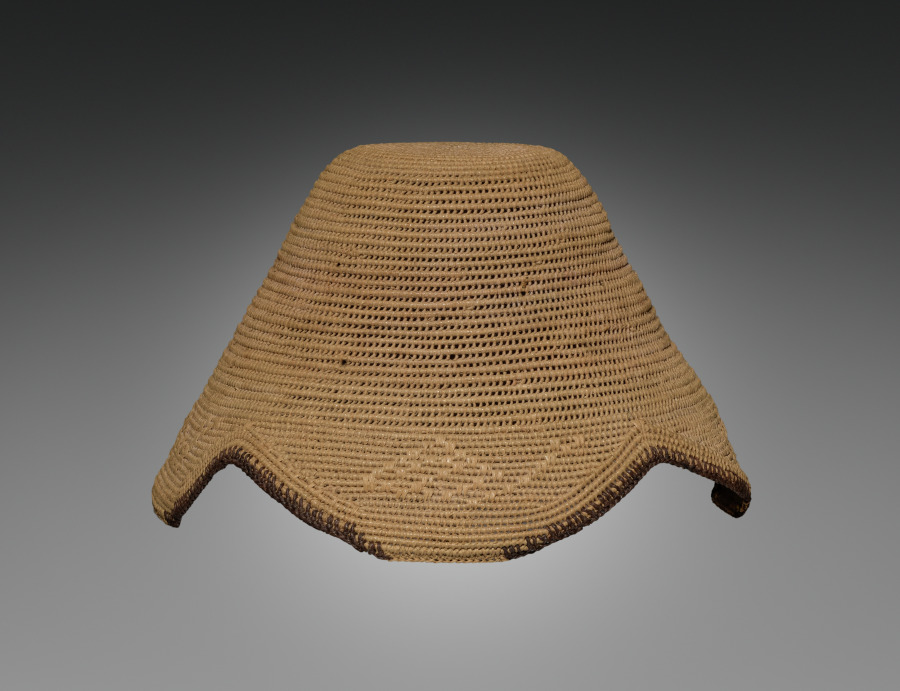
Hat (laket) at the Cleveland Museum of Art: early 1900s, Raffia and dye. Explore the work's context, creator attribution and collection history.

Hat (laket mishiing) with Pin at the Cleveland Museum of Art: early 1900s, Raffia, metal, and dye. Explore the work's context, creator attribution and collection history.

Hat (laket) at the Cleveland Museum of Art: early 1900s, Raffia and dye. Explore the work's context, creator attribution and collection history.
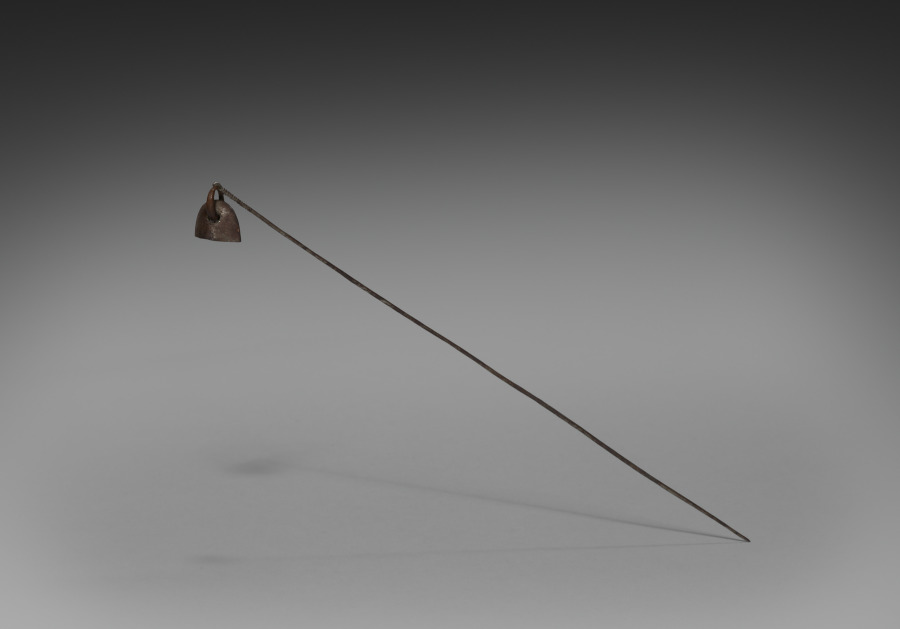
Pin (ndwong angwoong) for a Hat at the Cleveland Museum of Art: early 1900s, Metal. Explore the work's context, creator attribution and collection history.
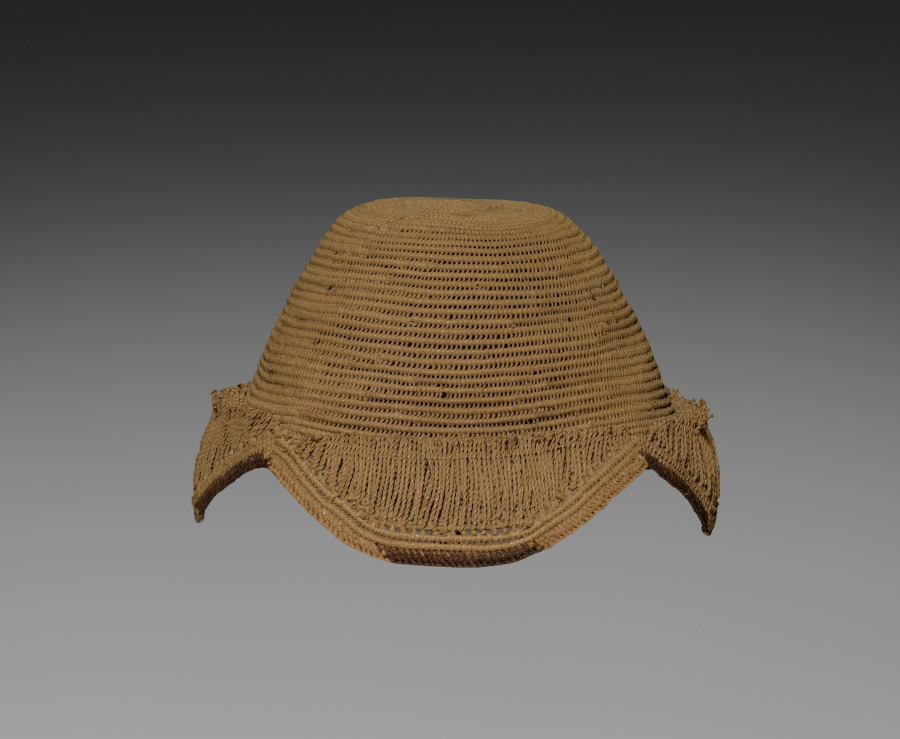
Hat at the Cleveland Museum of Art: early 1900s, Raffia and dye. Explore the work's context, creator attribution and collection history.

Pin for a Hat at the Cleveland Museum of Art: early 1900s, Metal. Explore the work's context, creator attribution and collection history.
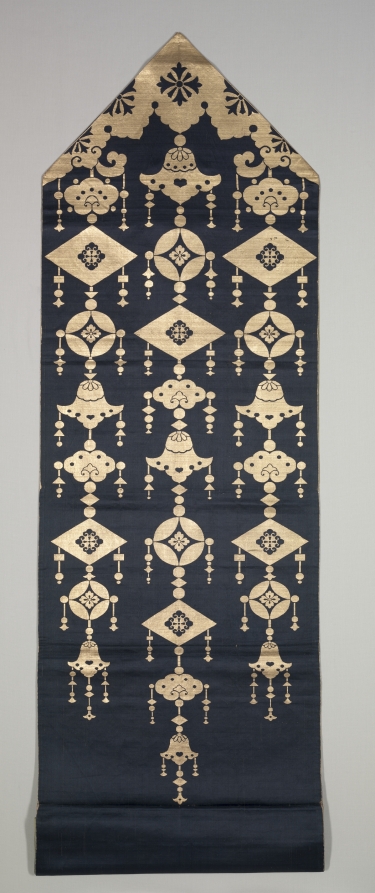
Sumibōshi at the Cleveland Museum of Art: 1800–1850, silksatin weave; metal thread weft. Explore the work's context, creator attribution and collection history.
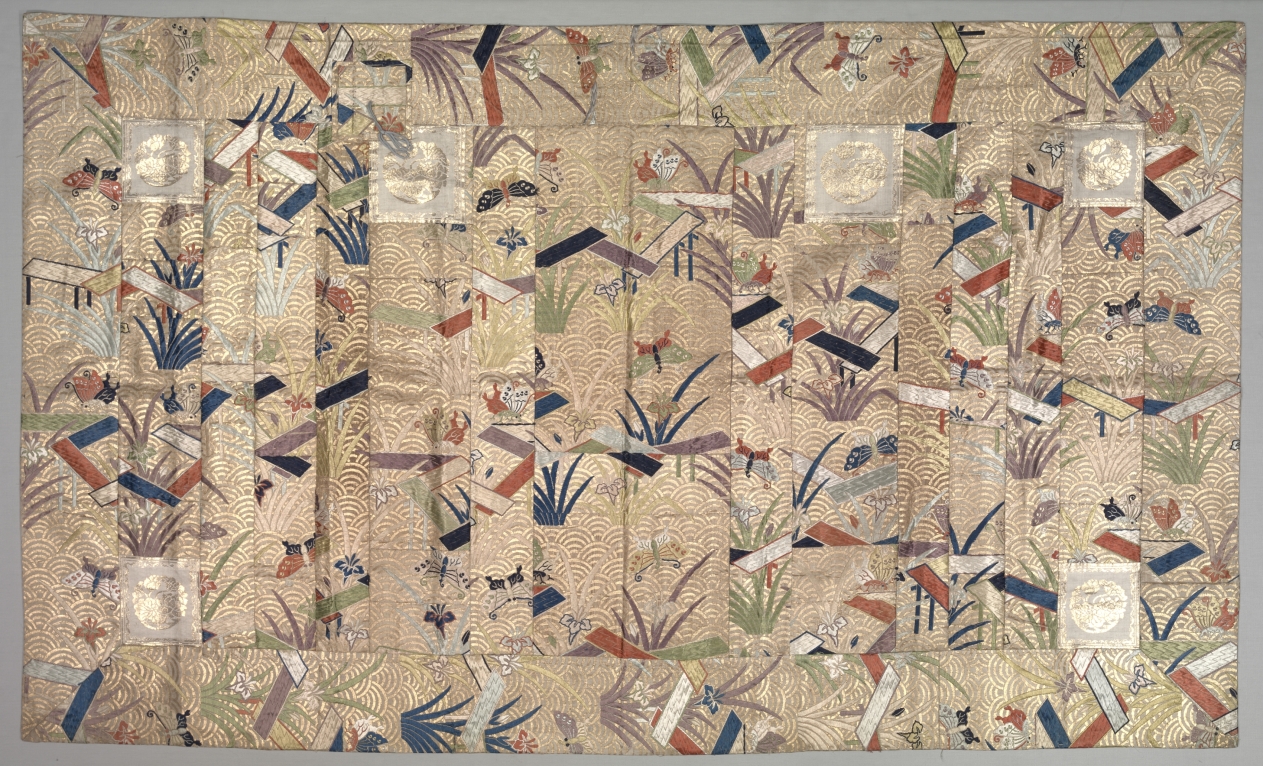
Buddhist Surplice (Kesa) at the Cleveland Museum of Art: early 1900s, silk with supplementary weft, brocaded; metal thread. Explore the work's context, creator attribution and collection history.
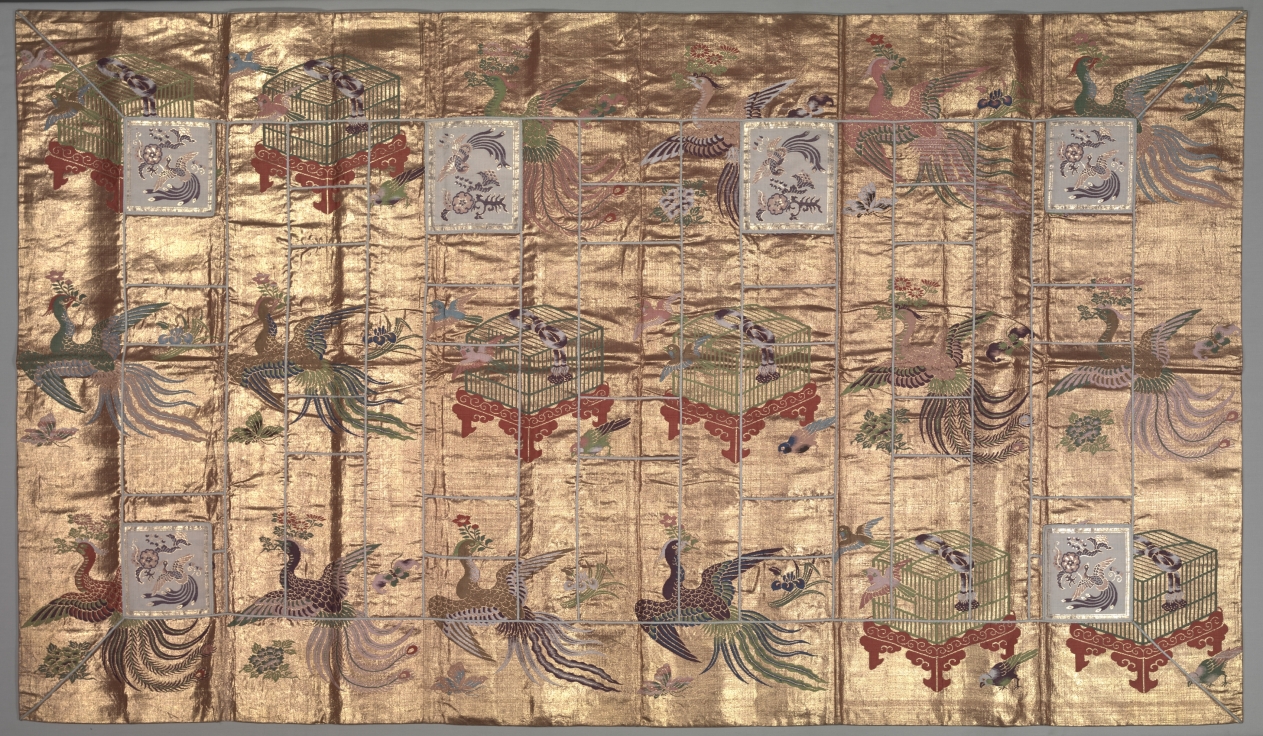
Buddhist Vestment (Kesa) at the Cleveland Museum of Art: early 1900s, silk with supplementary weft, brocaded; metal thread. Explore the work's context, creator attribution and collection history.
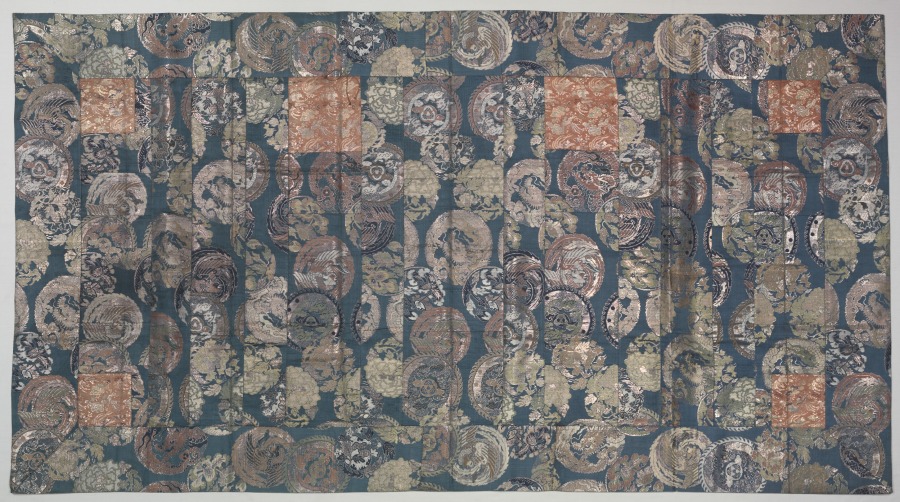
Buddhist Surplice (Kesa) at the Cleveland Museum of Art: early 1900s, silk with supplementary weft, brocaded; metal thread. Explore the work's context, creator attribution and collection history.
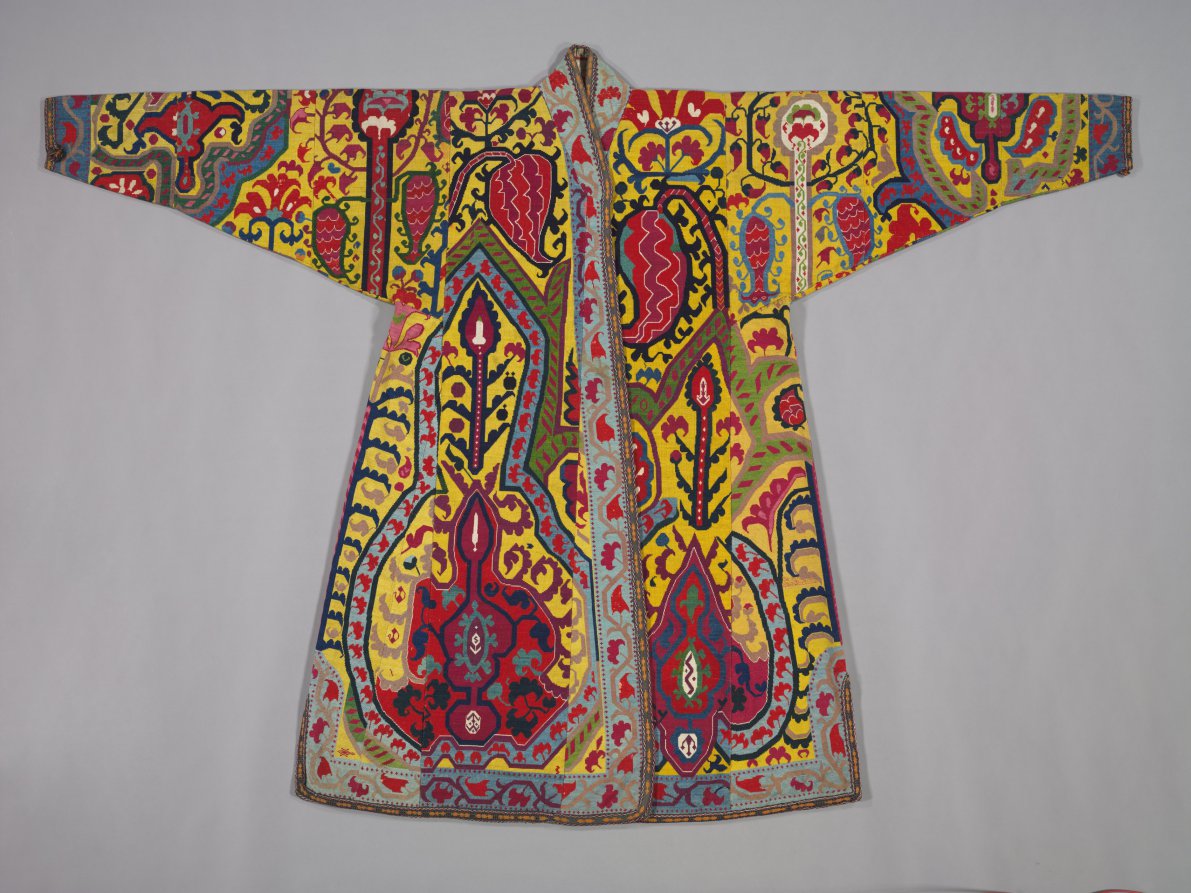
Man's surcoat (khalat) at the Cleveland Museum of Art: late 1800s, Silk: embroidery, cross-stitch. Explore the work's context, creator attribution and collection history.
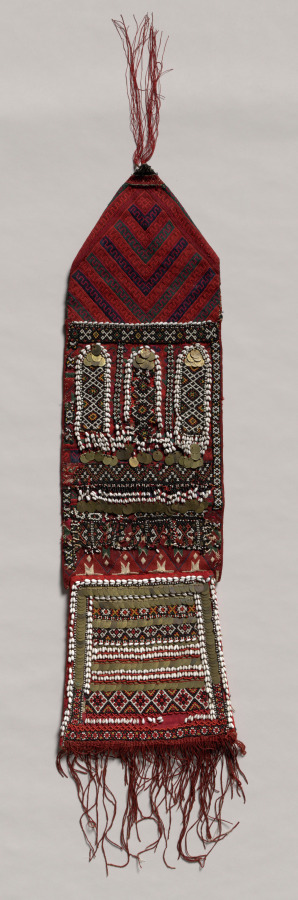
Headdress at the Cleveland Museum of Art: 1800s, Linen, shells, glass beads, metal coins. Explore the work's context, creator attribution and collection history.

Woman's cloak (chyrpy) at the Cleveland Museum of Art: 1800s, Cotton; silk: embroidery. Explore the work's context, creator attribution and collection history.
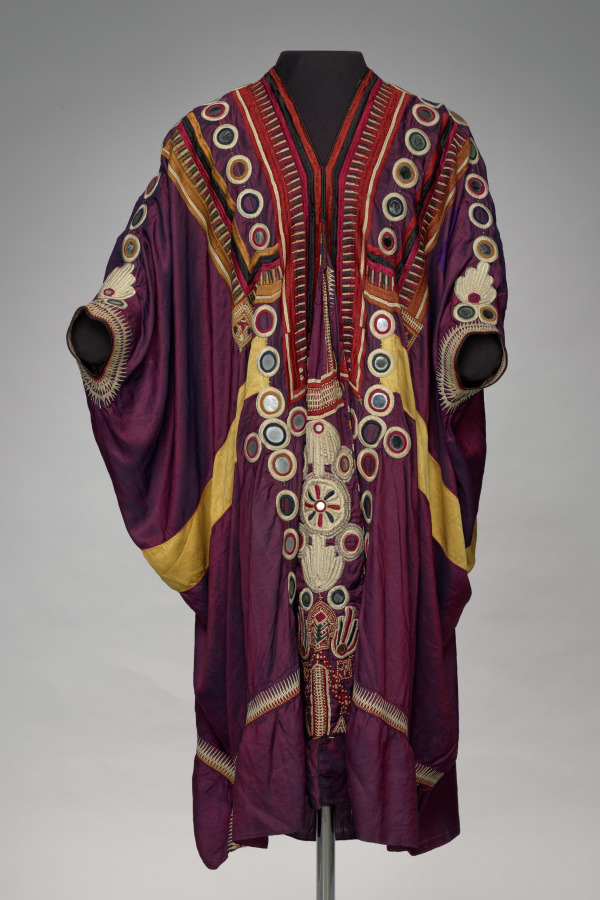
Garment at the Cleveland Museum of Art: c. 1890s, Silk, mirrored glass. Explore the work's context, creator attribution and collection history.
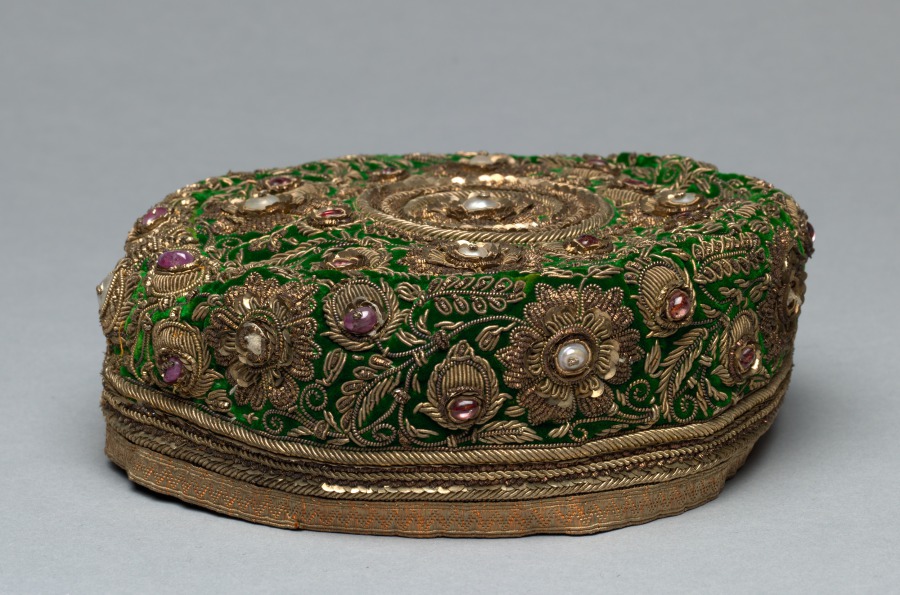
Cap at the Cleveland Museum of Art: 1800s, Velvet embroidered with gilt-silver–wrapped silk thread (zari); silk: lining; rubies, pearls, and spinels. Explore the work's context, creator attribution and collection history.
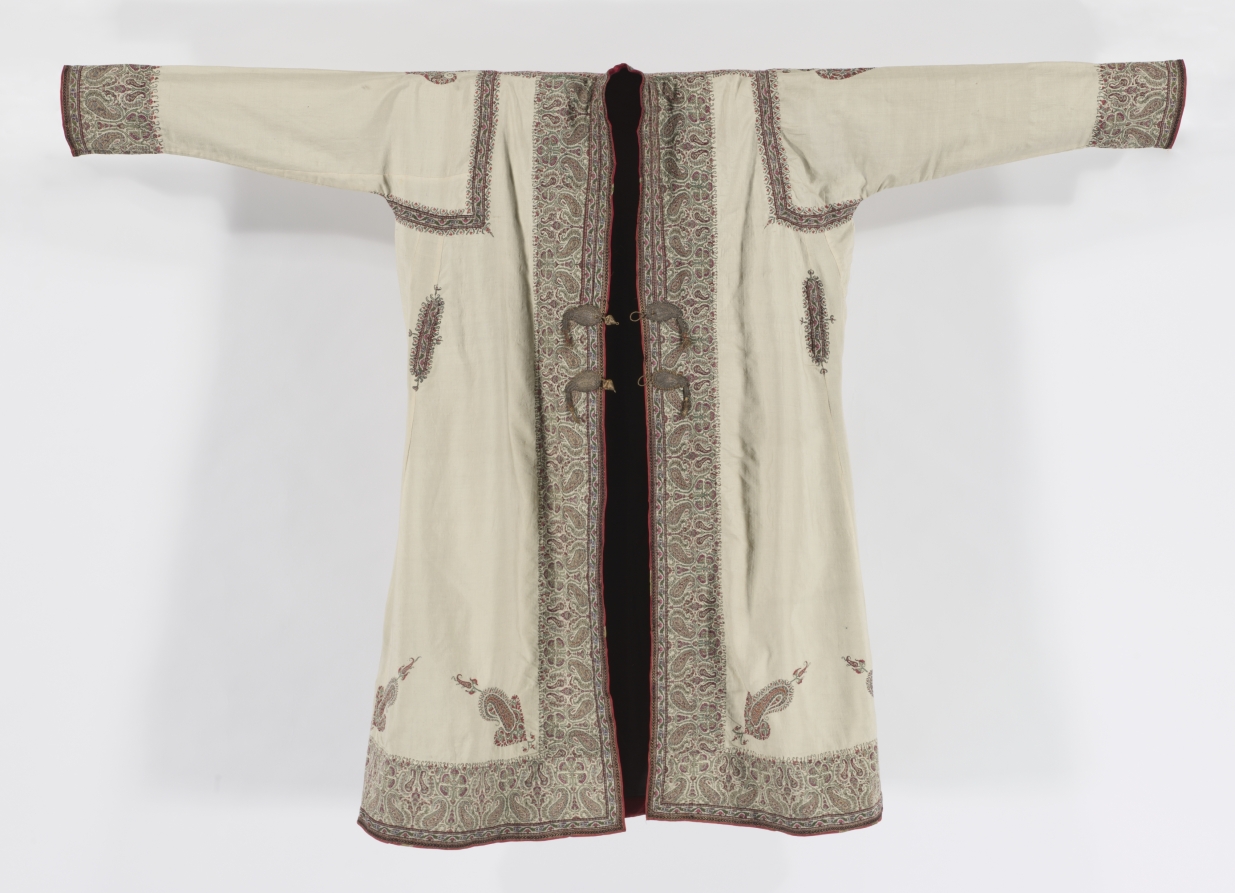
Coat at the Cleveland Museum of Art: early 1900s, wool: embroidery. Explore the work's context, creator attribution and collection history.
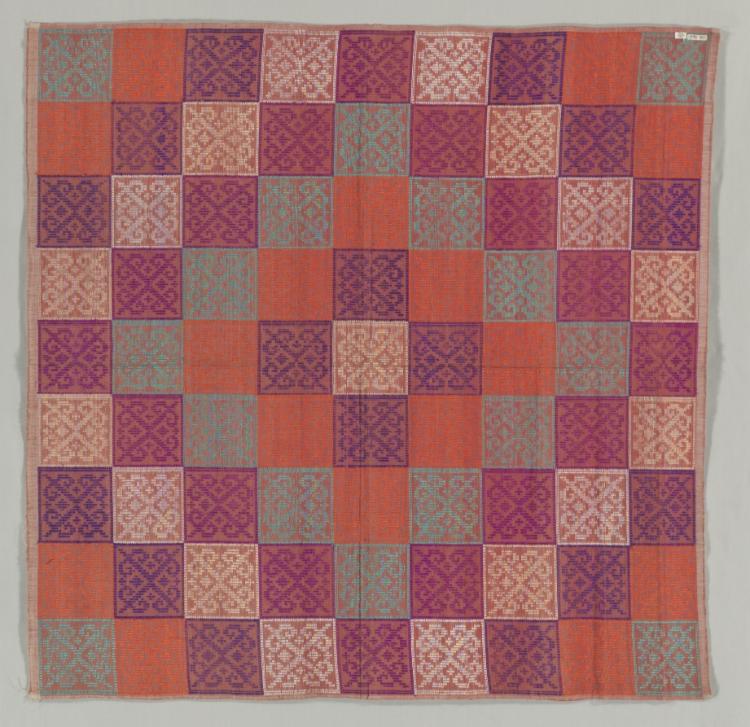
Headcloth (Yakan seputangan) at the Cleveland Museum of Art: c. early 1900s, plain weave with paired weft: cotton; supplementary weft: silk. Explore the work's context, creator attribution and collection history.
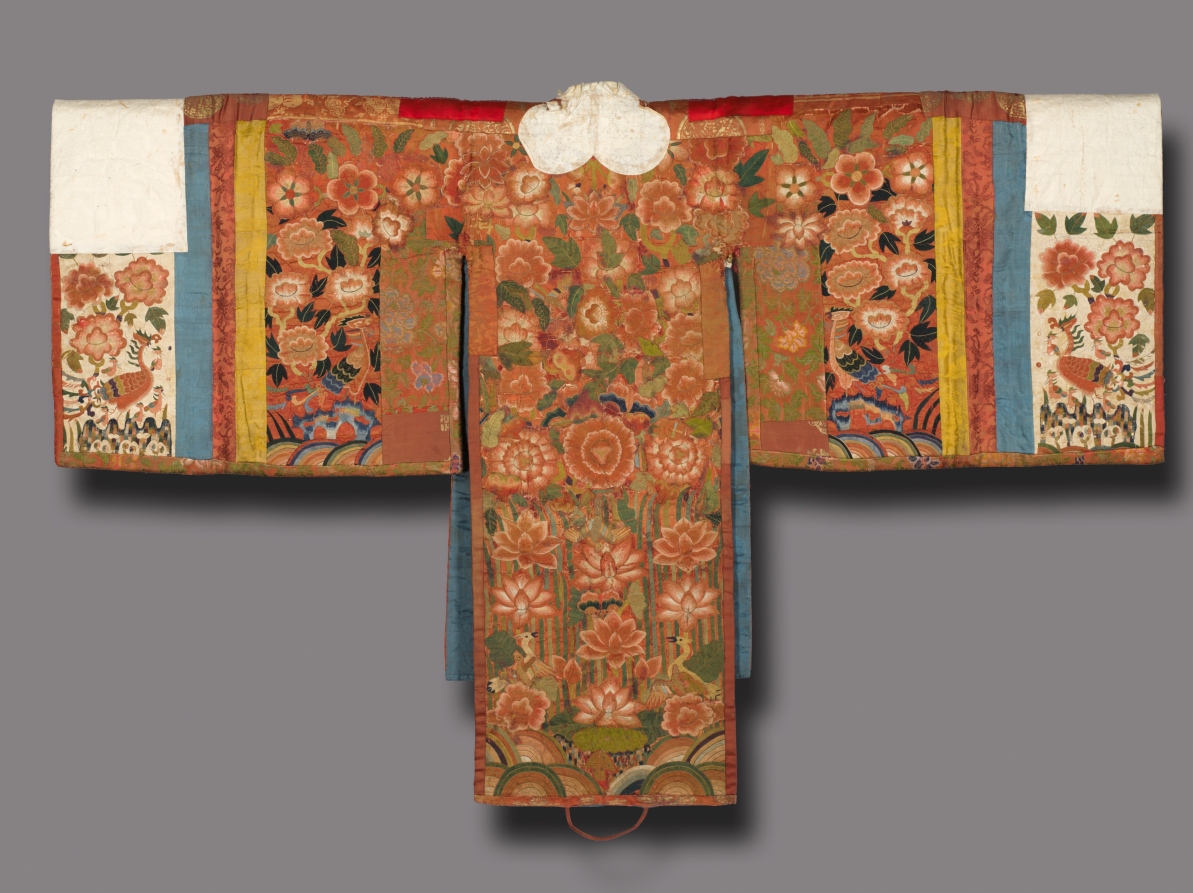
Bridal Robe (Hwarot) at the Cleveland Museum of Art: 1850–1910, Satin weave silk; silk embroidery; paper edging on neck and sleeves. Explore the work's context, creator attribution and collection history.
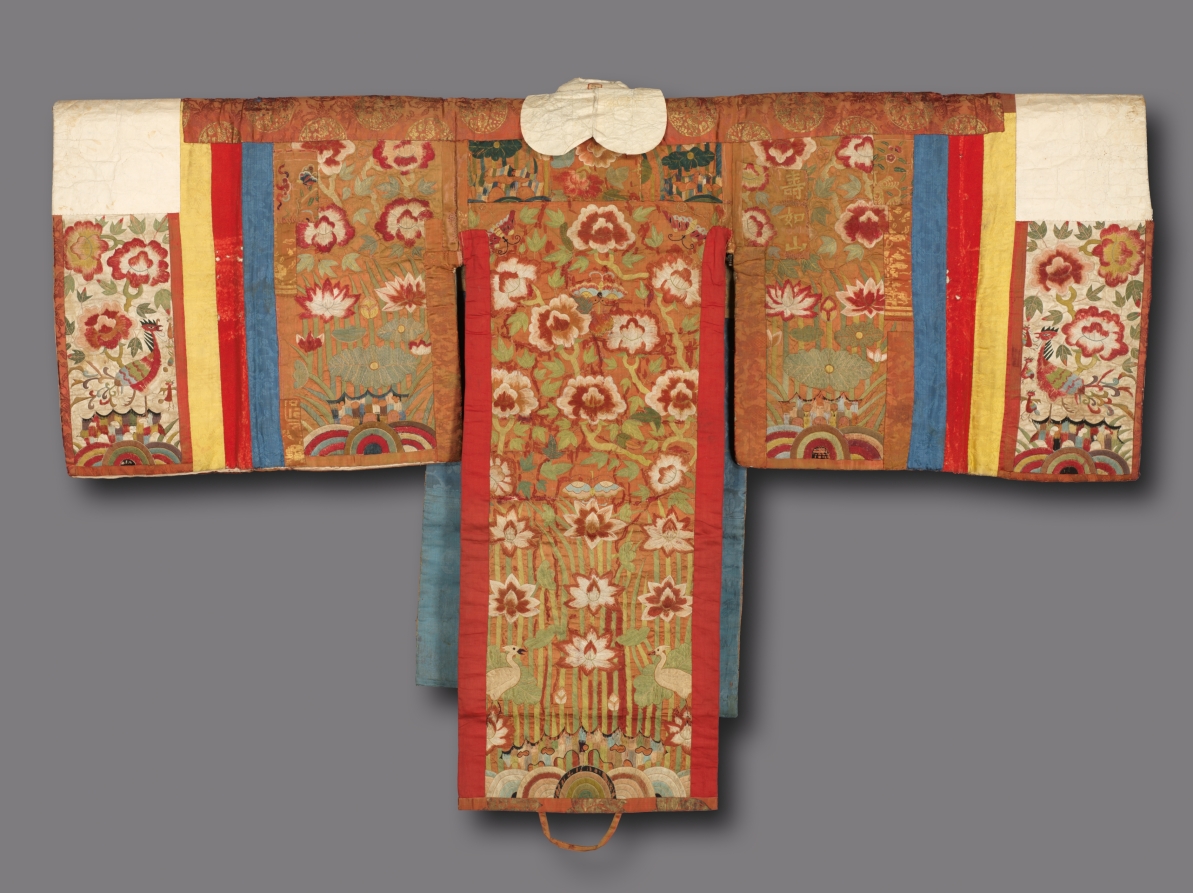
Bridal Robe (Hwarot) at the Cleveland Museum of Art: 1700s, Satin weave silk; silk embroidery; paper edging on neck and sleeves. Explore the work's context, creator attribution and collection history.
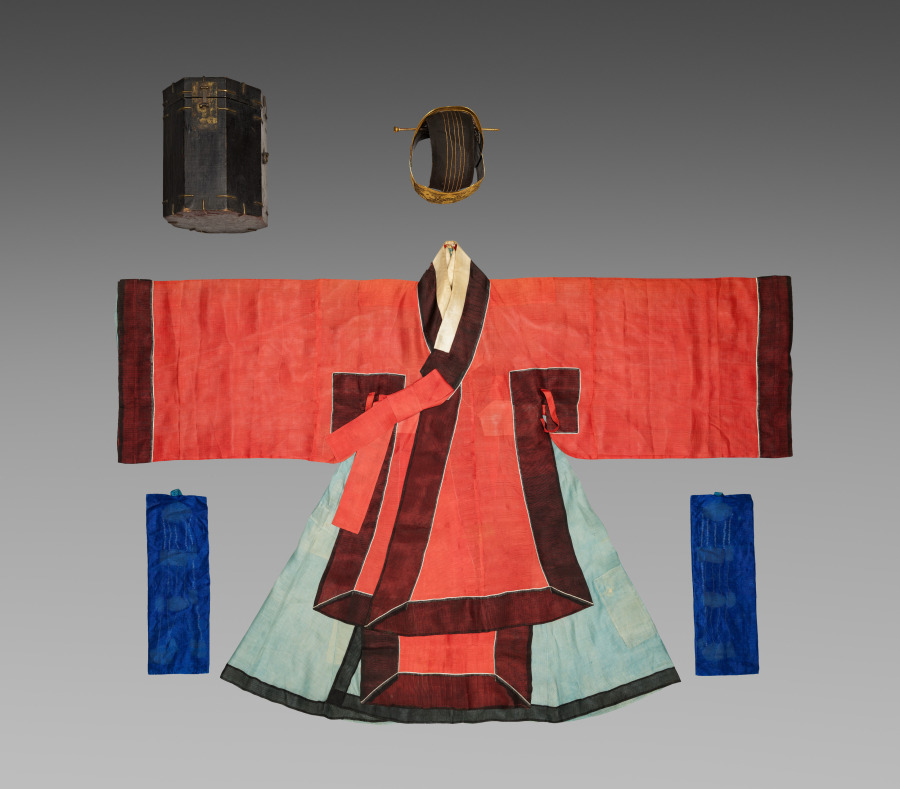
Royal Ceremonial Costume and Accessories at the Cleveland Museum of Art: late 1800s-early 1900s, gilded paper, wire, black silk. Explore the work's context, creator attribution and collection history.
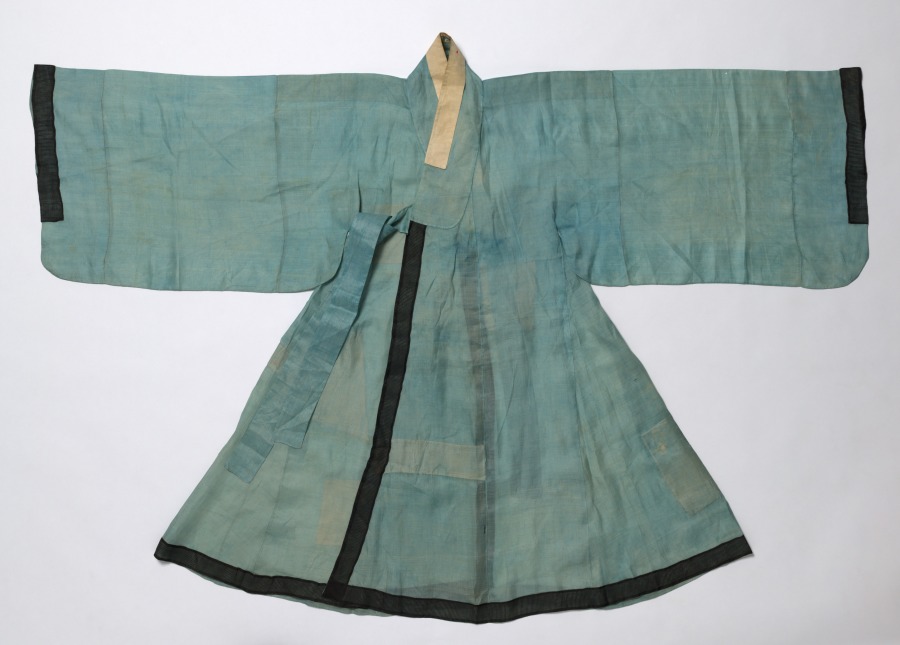
Inner Coat for the Royal Ceremonial Costume at the Cleveland Museum of Art: late 1800s–early 1900s, silk: dyed blue, black, and white; gauze weave. Explore the work's context, creator attribution and collection history.
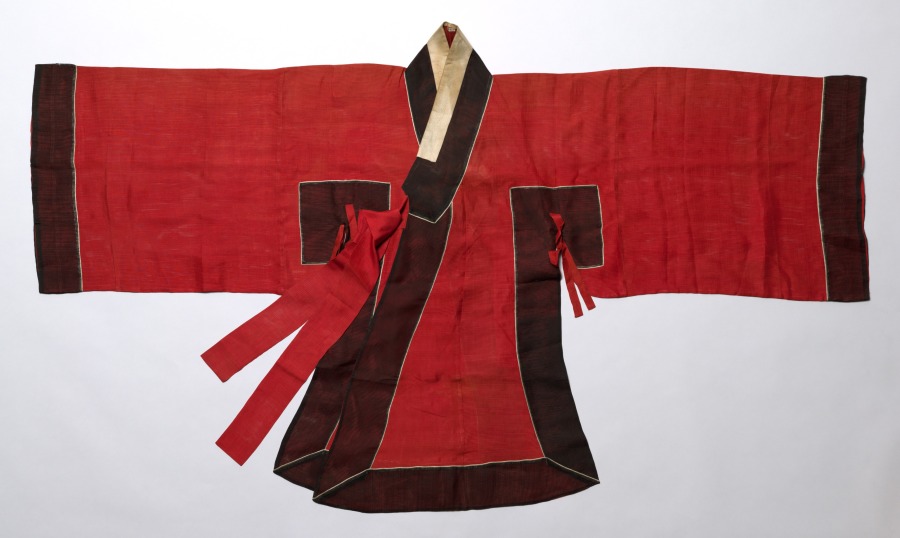
Overcoat for the Royal Ceremonial Costume at the Cleveland Museum of Art: late 1800s–early 1900s, silk: dyed red, black, and white; gauze weave. Explore the work's context, creator attribution and collection history.
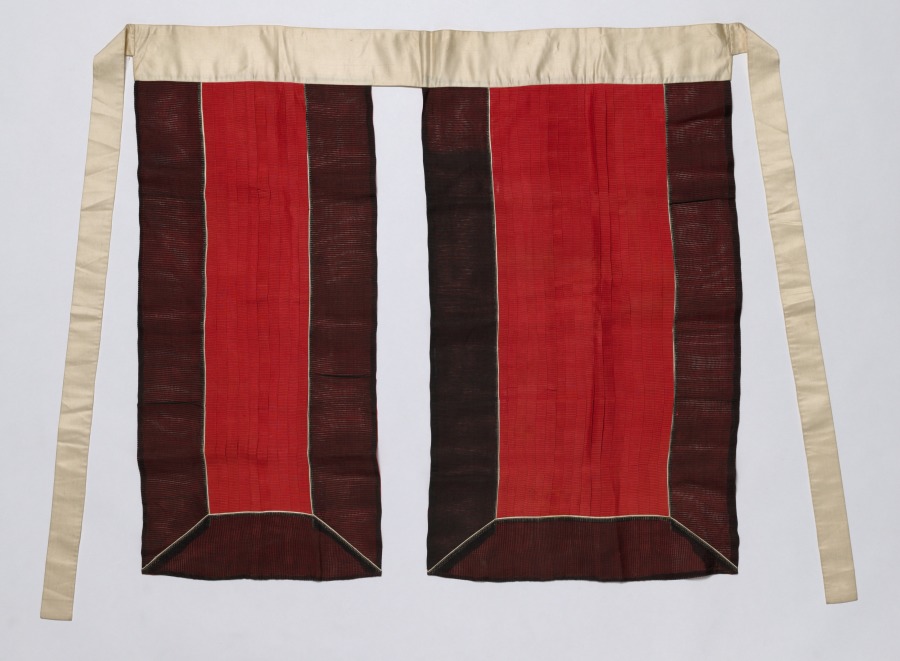
Skirt for the Royal Ceremonial Costume at the Cleveland Museum of Art: late 1800s–early 1900s, red and black silk, gauze weave, with white silk satin waistband and ties. Explore the work's context, creator attribution and collection history
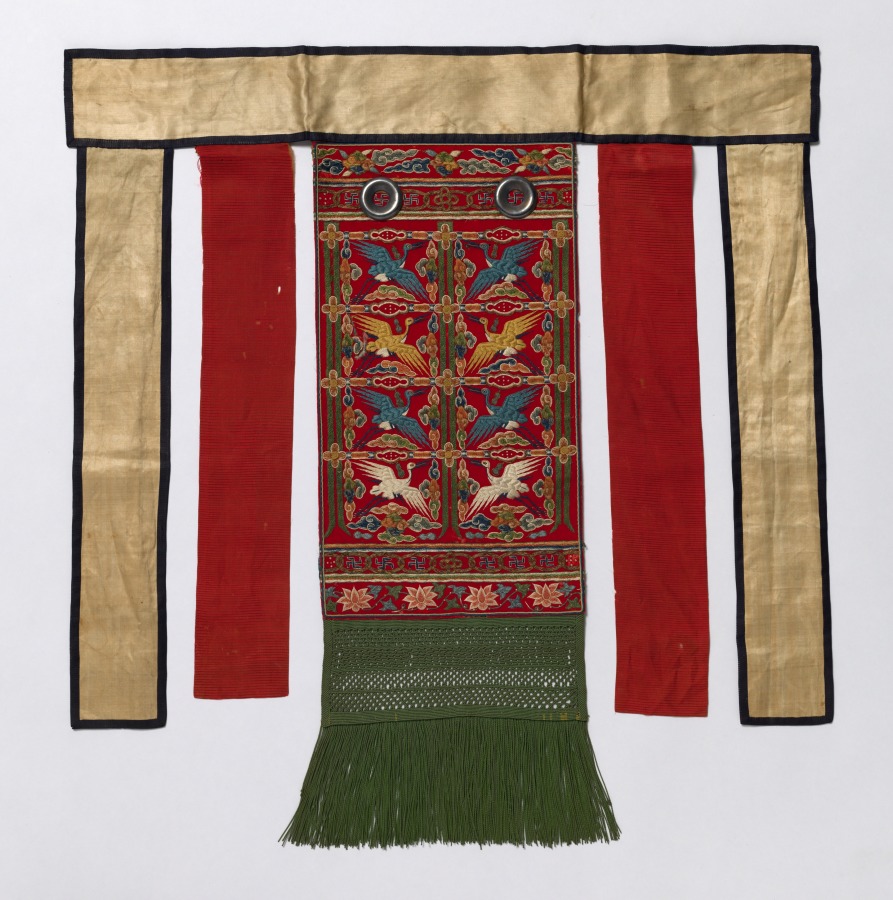
Back Apron for the Royal Ceremonial Robe at the Cleveland Museum of Art: late 1800s–early 1900s, red pile weave, wool or silk, embroidered with silk (polychromatic); red silk, gauze weave; white silk, gauze weave; green silk fringe; metal r
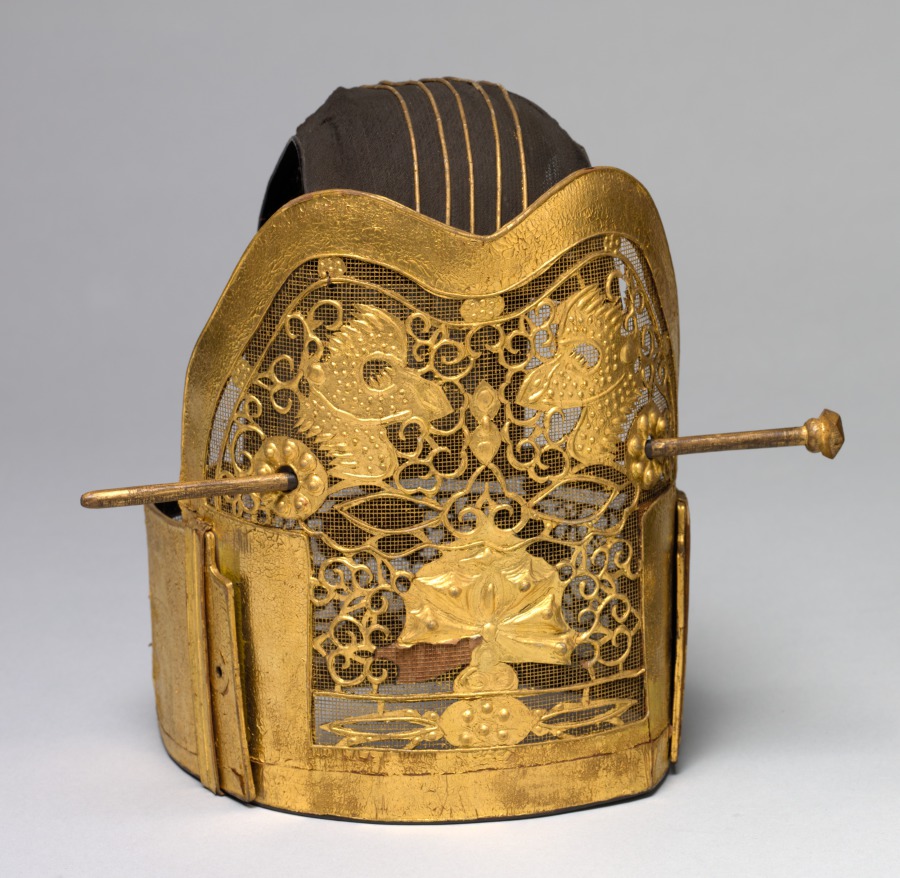
Crown for the Royal Ceremonial Costume at the Cleveland Museum of Art: late 1800s–early 1900s, gilded paper, metal wire, and black silk. Explore the work's context, creator attribution and collection history.
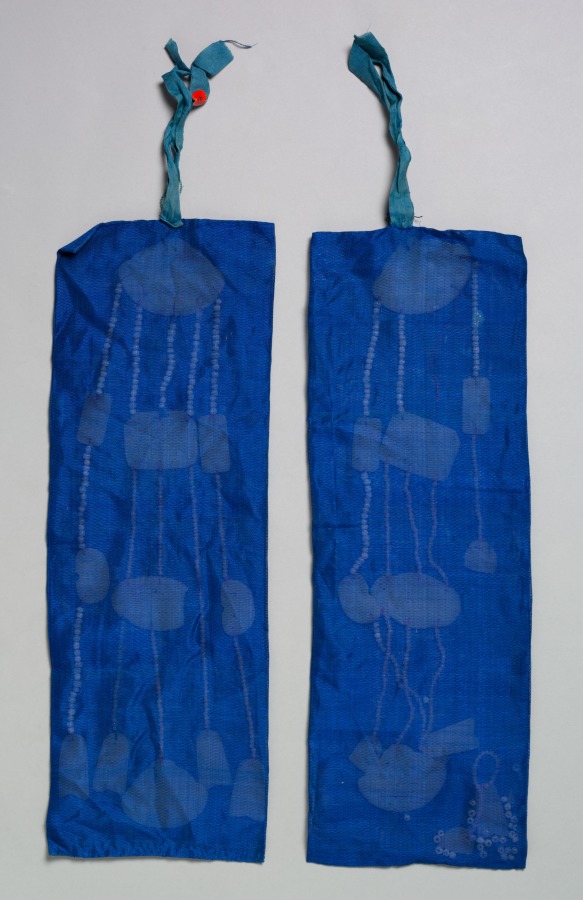
Jade String Pendant for the Royal Ceremonial Costume at the Cleveland Museum of Art: late 1800s–early 1900s, Silk: gauze weave and plain weave; jade and beads (2 sizes). Explore the work's context, creator attribution and collection history

Jade String Pendant (right) for the Royal Ceremonial Costume at the Cleveland Museum of Art: late 1800s–early 1900s, Blue silk, gauze weave and plain weave; jade and beads (2 sizes). Explore the work's context, creator attribution and colle
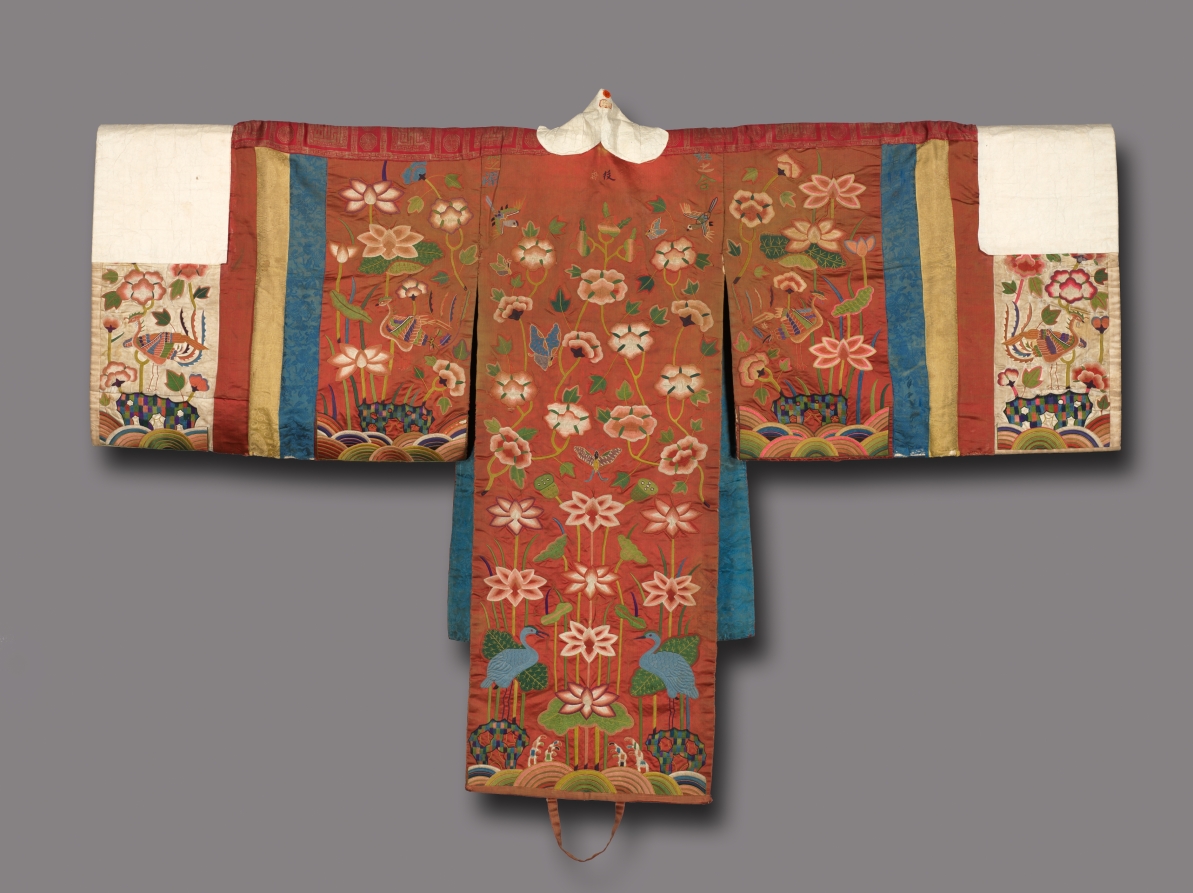
Bridal Robe (Hwarot) at the Cleveland Museum of Art: late 1800s, Silk: satin weave; embroidery; paper edging on neck and sleeves. Explore the work's context, creator attribution and collection history.
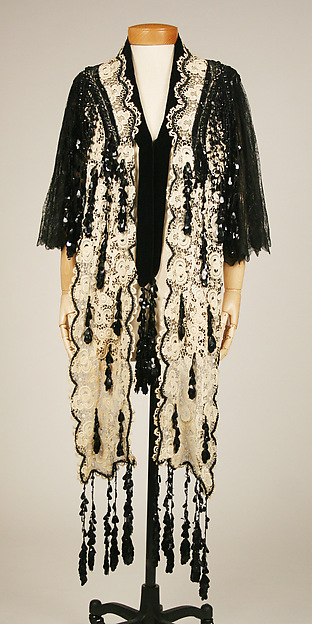
Explore mantle (early 1890s) by House of Worth: materials, catalogue facts and collection credit from the Met's Costume Institute.
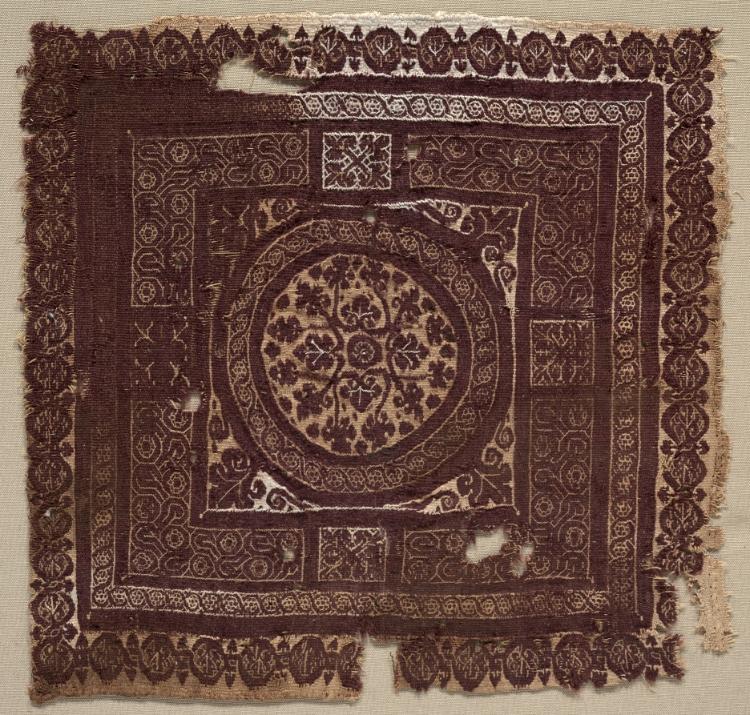
Ornament from a Garment at the Cleveland Museum of Art: 400s–600s CE, Linen, undyed; wool, dyed; tapestry weave with supplementary weft wrapping. Explore the work's context, creator attribution and collection history.

Alb at the Cleveland Museum of Art: Embroidered Linen: 1600s; Lace Flounce: 1700s, Plain weave linen embroidered in gold and silver; linen bobbin lace (Point d’Angleterre a Reseau). Explore the work's context, creator attribution and collec
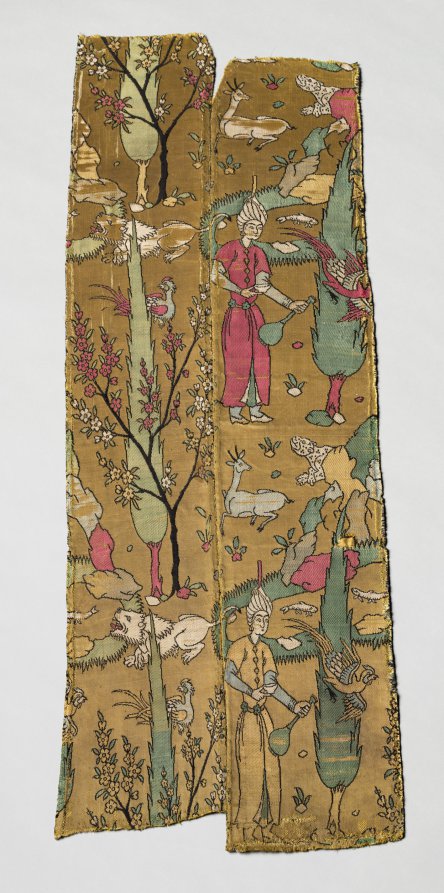
Wine bearers in landscape, from a robe at the Cleveland Museum of Art: 1525–50, Silk: lampas. Explore the work's context, creator attribution and collection history.
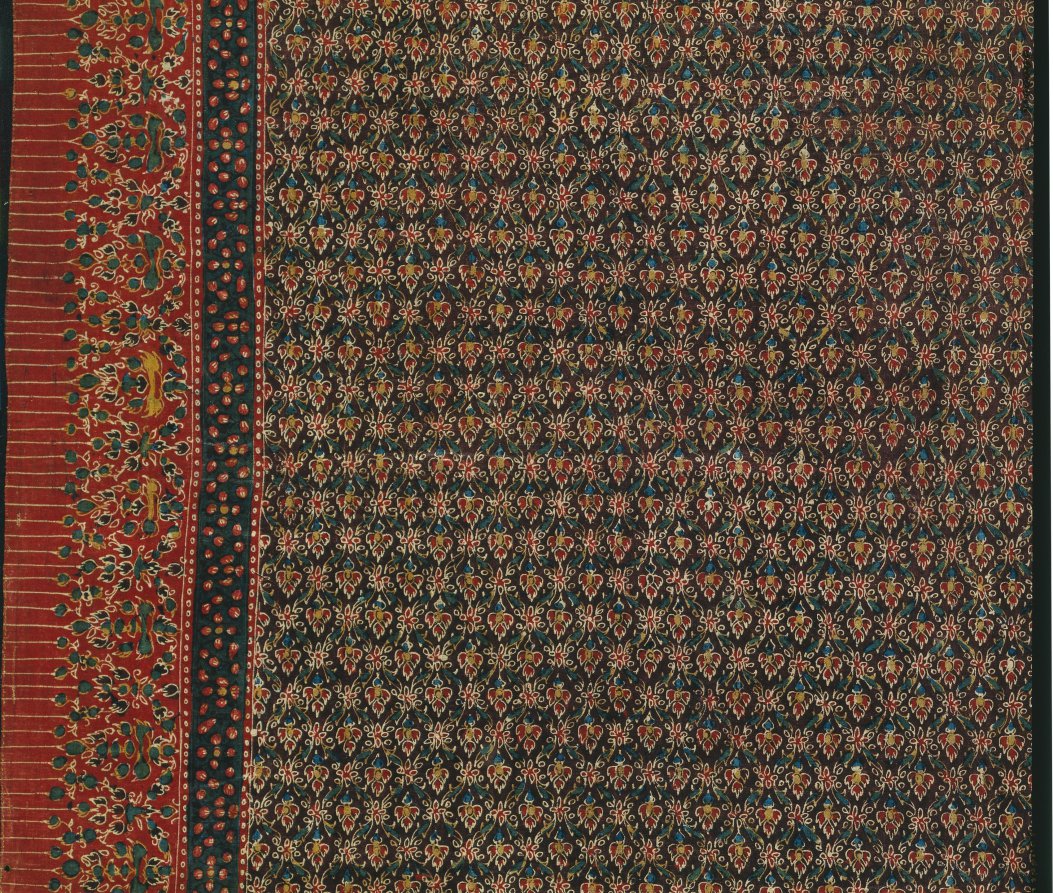
Loin Cloth "Pha nung" or Cloth for Wrapped Garment at the Cleveland Museum of Art: late 1800s-early 1900s, tabby weave, mordant resist and batik; cotton. Explore the work's context, creator attribution and collection history.