Net Worth →

Lifestyle archive — Page 186

Oldest entries first, in a fixed order. Newly added articles appear at the end. Explore a shuffled selection →

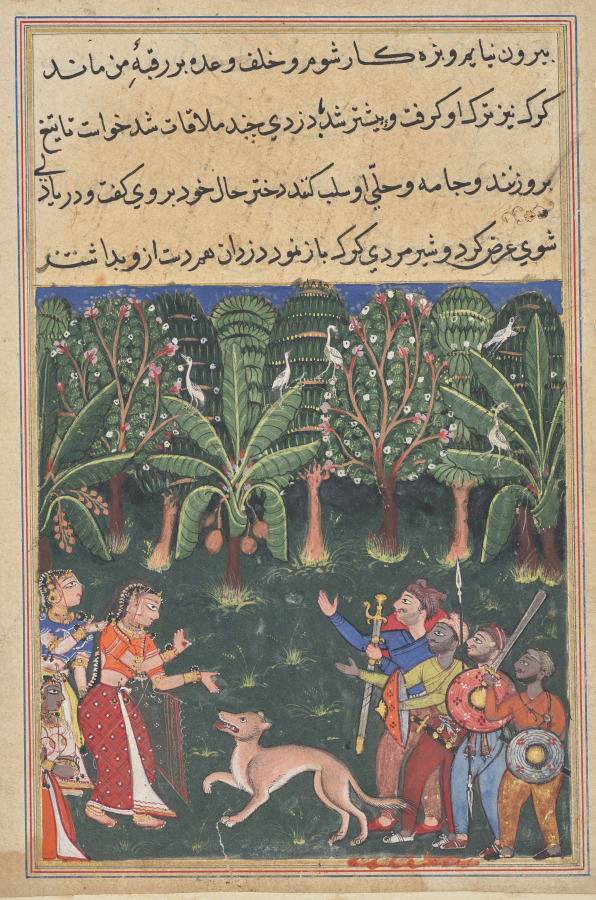
The merchant’s daughter encounters a wolf and bandits on her way to meet the gardener in order to keep her promise, from a Tuti-nama (Tales of a Parrot): Twelfth Night (c. 1560; Cleveland 1962.279.99.b)

The merchant’s daughter encounters a wolf and bandits on her way to meet the gardener in order to keep her promise, from a Tuti-nama (Tales of a Parrot): Twelfth Night (c. 1560): Art, History and Deta

The merchant’s daughter encounters a wolf and bandits on her way to meet the gardener in order to keep her promise, from a Tuti-nama (Tales of a Parrot): Twelfth Night at the Cleveland Museum of Art: c. 1560, gum tempera, ink, and gold on p

The Parrot Addresses Khujasta at the Beginning of the Thirteenth Night, from a Tuti-nama (Tales of a Parrot) (c. 1560; Cleveland 1962.279.102.b)

The Parrot Addresses Khujasta at the Beginning of the Thirteenth Night, from a Tuti-nama (Tales of a Parrot) (c. 1560): Art, History and Details

The Parrot Addresses Khujasta at the Beginning of the Thirteenth Night, from a Tuti-nama (Tales of a Parrot) at the Cleveland Museum of Art: c. 1560, gum tempera, ink, and gold on paper. Explore the work's context, creator attribution and c

The infant son of the king of Isfahan responds to music, from a Tuti-nama (Tales of a Parrot): Thirteenth Night (c. 1560; Cleveland 1962.279.105.a)

The infant son of the king of Isfahan responds to music, from a Tuti-nama (Tales of a Parrot): Thirteenth Night (c. 1560): Art, History and Details

The infant son of the king of Isfahan responds to music, from a Tuti-nama (Tales of a Parrot): Thirteenth Night at the Cleveland Museum of Art: c. 1560, gum tempera, ink, and gold on paper. Explore the work's context, creator attribution an

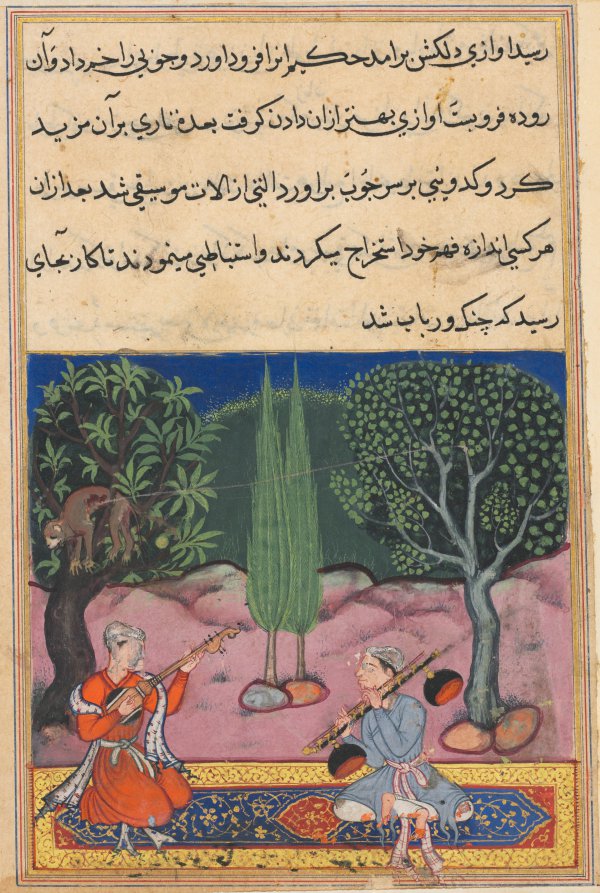
The invention of musical instruments from the intestines of a monkey, from a Tuti-nama (Tales of a Parrot): Fourteenth Night (c. 1560; Cleveland 1962.279.108.b)

The invention of musical instruments from the intestines of a monkey, from a Tuti-nama (Tales of a Parrot): Fourteenth Night (c. 1560): Art, History and Details

The invention of musical instruments from the intestines of a monkey, from a Tuti-nama (Tales of a Parrot): Fourteenth Night at the Cleveland Museum of Art: c. 1560, gum tempera, ink, and gold on paper. Explore the work's context, creator a

The origin of music from a fabulous bird of India which had seven holes in its beak, from a Tuti-nama (Tales of a Parrot): Fourteenth Night (c. 1560; Cleveland 1962.279.110.b)

The origin of music from a fabulous bird of India which had seven holes in its beak, from a Tuti-nama (Tales of a Parrot): Fourteenth Night (c. 1560): Art, History and Details

The origin of music from a fabulous bird of India which had seven holes in its beak, from a Tuti-nama (Tales of a Parrot): Fourteenth Night at the Cleveland Museum of Art: c. 1560, gum tempera, ink, and gold on paper. Explore the work's con

The Parrot Addresses Khujasta at the Beginning of the Fifteenth Night, from a Tuti-nama (Tales of a Parrot) (c. 1560; Cleveland 1962.279.112.a)

The Parrot Addresses Khujasta at the Beginning of the Fifteenth Night, from a Tuti-nama (Tales of a Parrot) (c. 1560): Art, History and Details

The Parrot Addresses Khujasta at the Beginning of the Fifteenth Night, from a Tuti-nama (Tales of a Parrot) at the Cleveland Museum of Art: c. 1560, gum tempera, ink, and gold on paper. Explore the work's context, creator attribution and co

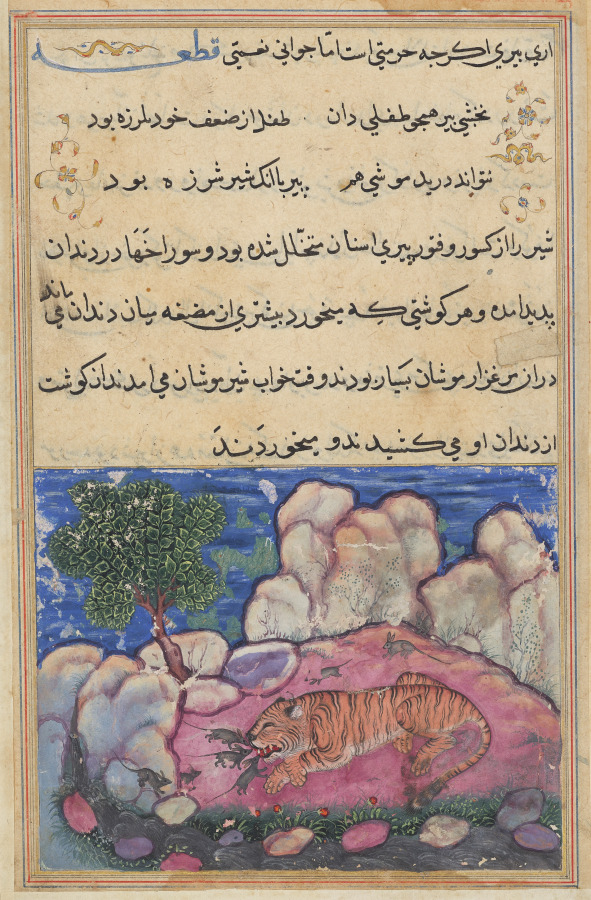
The lion disturbed by mice who eat the food trapped in his aging teeth, from a Tuti-nama (Tales of a Parrot): Fifteenth Night (c. 1560; Cleveland 1962.279.113.a)

The lion disturbed by mice who eat the food trapped in his aging teeth, from a Tuti-nama (Tales of a Parrot): Fifteenth Night (c. 1560): Art, History and Details

The lion disturbed by mice who eat the food trapped in his aging teeth, from a Tuti-nama (Tales of a Parrot): Fifteenth Night at the Cleveland Museum of Art: c. 1560, gum tempera, ink, and gold on paper. Explore the work's context, creator

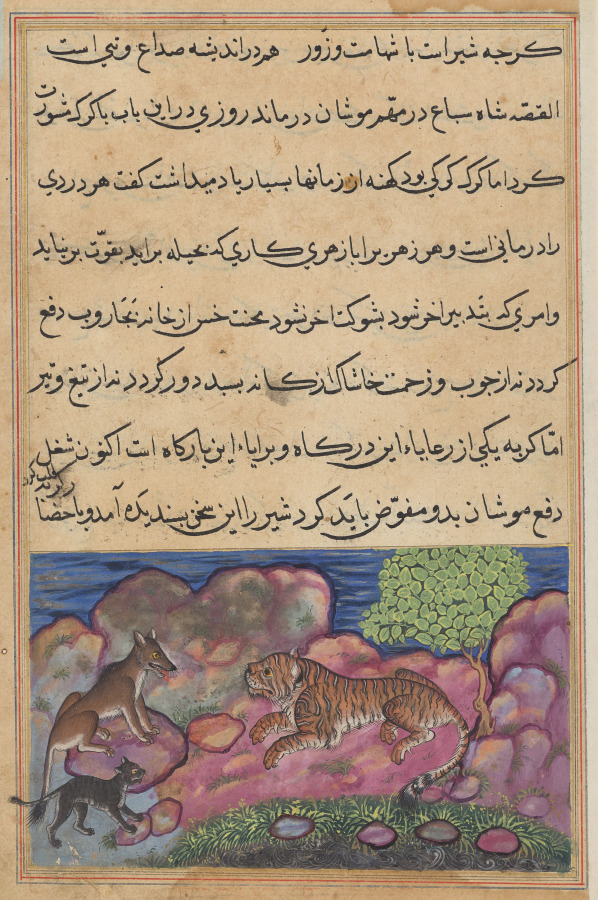
The wolf advises the lion to consult the cat, from a Tuti-nama (Tales of a Parrot): Fifteenth Night (c. 1560; Cleveland 1962.279.114.a)

The wolf advises the lion to consult the cat, from a Tuti-nama (Tales of a Parrot): Fifteenth Night (c. 1560): Art, History and Details

The wolf advises the lion to consult the cat, from a Tuti-nama (Tales of a Parrot): Fifteenth Night at the Cleveland Museum of Art: c. 1560, gum tempera, ink, and gold on paper. Explore the work's context, creator attribution and collection

The cat attacks the mice which disturb the lion, from a Tuti-nama (Tales of a Parrot): Fifteenth Night (c. 1560; Cleveland 1962.279.115.b)

The cat attacks the mice which disturb the lion, from a Tuti-nama (Tales of a Parrot): Fifteenth Night (c. 1560): Art, History and Details

The cat attacks the mice which disturb the lion, from a Tuti-nama (Tales of a Parrot): Fifteenth Night at the Cleveland Museum of Art: c. 1560, gum tempera, ink, and gold on paper. Explore the work's context, creator attribution and collect

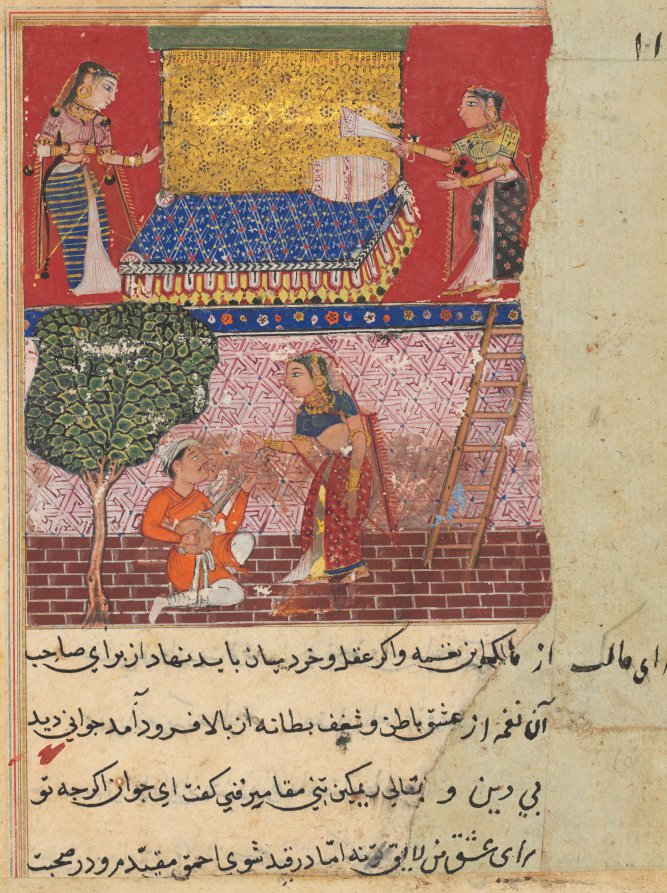
The daughter-in-law of the king of Banaras, charmed by the music of a vagabond, comes down to meet him, from a Tuti-nama (Tales of a Parrot): Sixteenth Night (c. 1560; Cleveland 1962.279.119.b)

The daughter-in-law of the king of Banaras, charmed by the music of a vagabond, comes down to meet him, from a Tuti-nama (Tales of a Parrot): Sixteenth Night (c. 1560): Art, History and Details

The daughter-in-law of the king of Banaras, charmed by the music of a vagabond, comes down to meet him, from a Tuti-nama (Tales of a Parrot): Sixteenth Night at the Cleveland Museum of Art: c. 1560, gum tempera, ink, and gold on paper. Expl

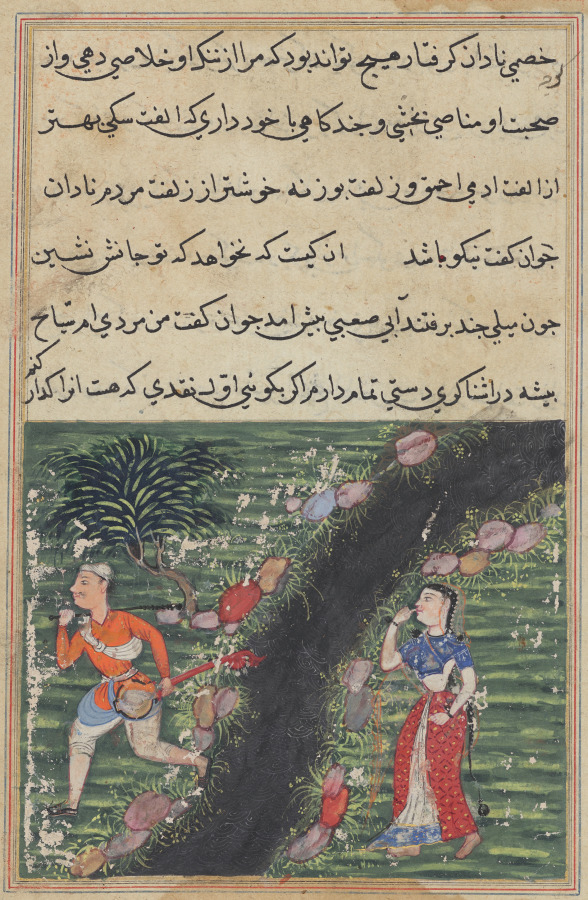
The vagabond crosses a stream with the possessions of the daughter-in-law of the king of Banaras and absconds, from a Tuti-nama (Tales of a Parrot): Sixteenth Night (c. 1560; Cleveland 1962.279.120.a)

The vagabond crosses a stream with the possessions of the daughter-in-law of the king of Banaras and absconds, from a Tuti-nama (Tales of a Parrot): Sixteenth Night (c. 1560): Art, History and Details

The vagabond crosses a stream with the possessions of the daughter-in-law of the king of Banaras and absconds, from a Tuti-nama (Tales of a Parrot): Sixteenth Night at the Cleveland Museum of Art: c. 1560, gum tempera, ink, and gold on pape

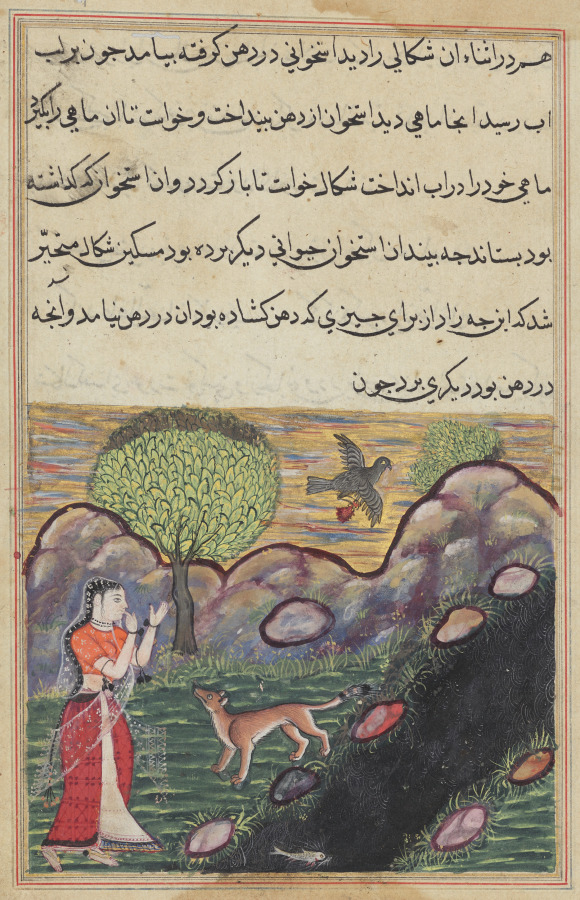
The daughter-in-law of the king of Banaras sees the jackal deprived of its food by a bird, as it unsuccessfully attempts to catch a fish, from a Tuti-nama (Tales of a Parrot): Sixteenth Night (c. 1560; Cleveland 1962.279.121.a)

The daughter-in-law of the king of Banaras sees the jackal deprived of its food by a bird, as it unsuccessfully attempts to catch a fish, from a Tuti-nama (Tales of a Parrot): Sixteenth Night (c. 1560

The daughter-in-law of the king of Banaras sees the jackal deprived of its food by a bird, as it unsuccessfully attempts to catch a fish, from a Tuti-nama (Tales of a Parrot): Sixteenth Night at the Cleveland Museum of Art: c. 1560, gum tem

The daughter-in-law returns from her misadventure, feigning insanity, from a Tuti-nama (Tales of a Parrot): Sixteenth Night (c. 1560; Cleveland 1962.279.122.b)

The daughter-in-law returns from her misadventure, feigning insanity, from a Tuti-nama (Tales of a Parrot): Sixteenth Night (c. 1560): Art, History and Details

The daughter-in-law returns from her misadventure, feigning insanity, from a Tuti-nama (Tales of a Parrot): Sixteenth Night at the Cleveland Museum of Art: c. 1560, gum tempera, ink, and gold on paper. Explore the work's context, creator at

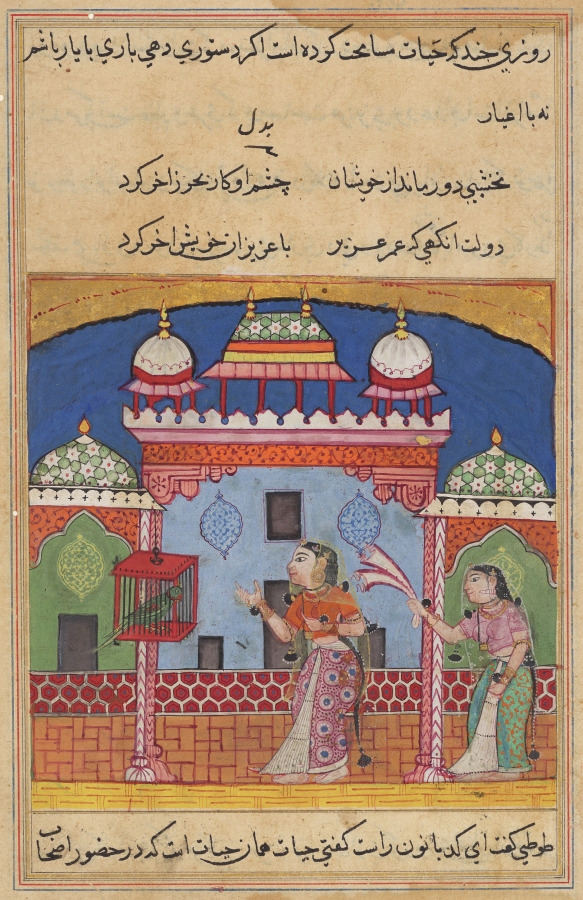
The Parrot Addresses Khujasta at the Beginning of the Seventeenth Night, from a Tuti-nama (Tales of a Parrot) (c. 1560; Cleveland 1962.279.124.a)

The Parrot Addresses Khujasta at the Beginning of the Seventeenth Night, from a Tuti-nama (Tales of a Parrot) (c. 1560): Art, History and Details

The Parrot Addresses Khujasta at the Beginning of the Seventeenth Night, from a Tuti-nama (Tales of a Parrot) at the Cleveland Museum of Art: c. 1560, gum tempera, ink, and gold on paper. Explore the work's context, creator attribution and

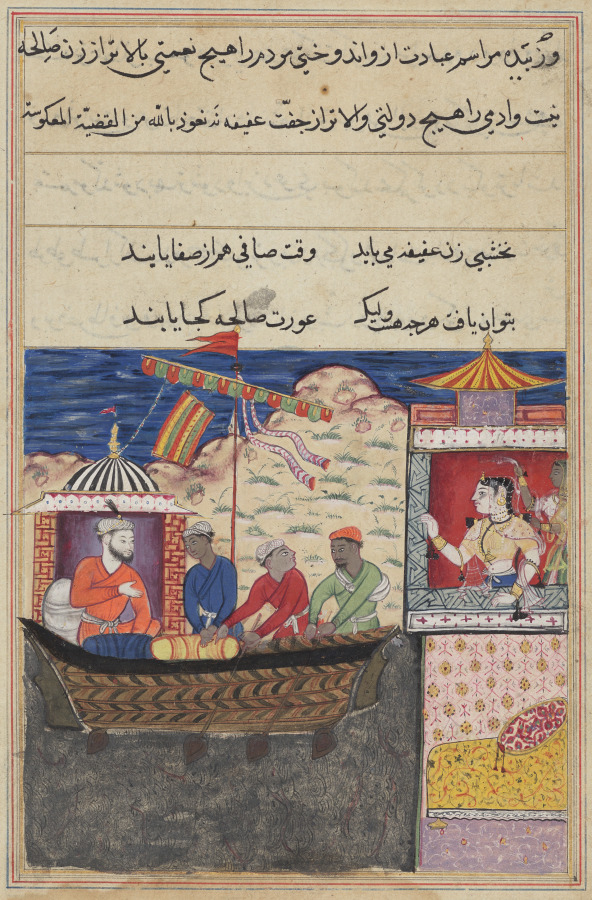
The merchant Mansur departs on a sea voyage, leaving his wife behind, from a Tuti-nama (Tales of a Parrot): Seventeenth Night (c. 1560; Cleveland 1962.279.125.b)

The merchant Mansur departs on a sea voyage, leaving his wife behind, from a Tuti-nama (Tales of a Parrot): Seventeenth Night (c. 1560): Art, History and Details

The merchant Mansur departs on a sea voyage, leaving his wife behind, from a Tuti-nama (Tales of a Parrot): Seventeenth Night at the Cleveland Museum of Art: c. 1560, gum tempera, ink, and gold on paper. Explore the work's context, creator

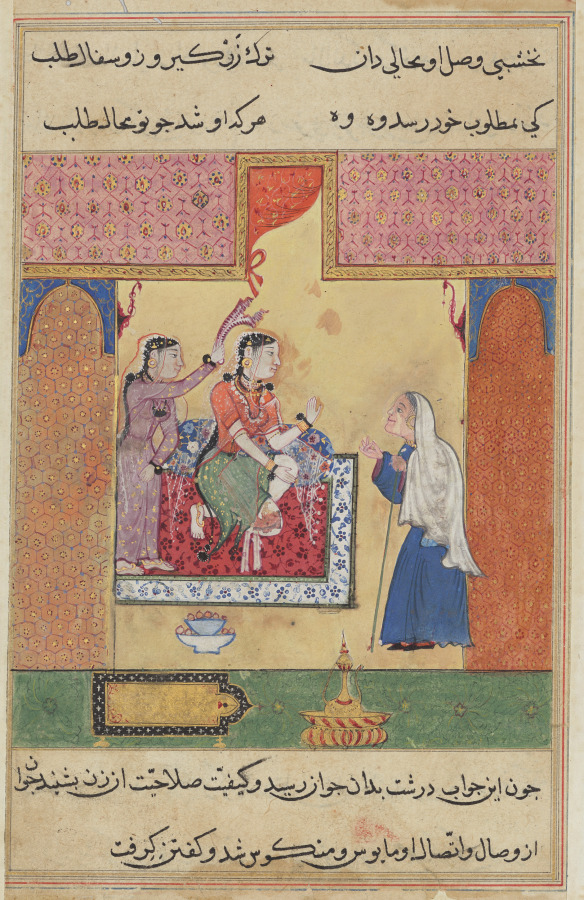
The old procuress conveys the young man’s message of love to Mansur’s wife, from a Tuti-nama (Tales of a Parrot: Seventeenth Night (c. 1560; Cleveland 1962.279.127.a)

The old procuress conveys the young man’s message of love to Mansur’s wife, from a Tuti-nama (Tales of a Parrot: Seventeenth Night (c. 1560): Art, History and Details

The old procuress conveys the young man’s message of love to Mansur’s wife, from a Tuti-nama (Tales of a Parrot: Seventeenth Night at the Cleveland Museum of Art: c. 1560, gum tempera, ink, and gold on paper. Explore the work's context, cre

The young man, who has magically taken on the appearance of Mansur the merchant, arrives at his home, from a Tuti-nama (Tales of a Parrot): Seventeenth Night (c. 1560; Cleveland 1962.279.128.a)

The young man, who has magically taken on the appearance of Mansur the merchant, arrives at his home, from a Tuti-nama (Tales of a Parrot): Seventeenth Night (c. 1560): Art, History and Details

The young man, who has magically taken on the appearance of Mansur the merchant, arrives at his home, from a Tuti-nama (Tales of a Parrot): Seventeenth Night at the Cleveland Museum of Art: c. 1560, gum tempera, ink, and gold on paper. Expl

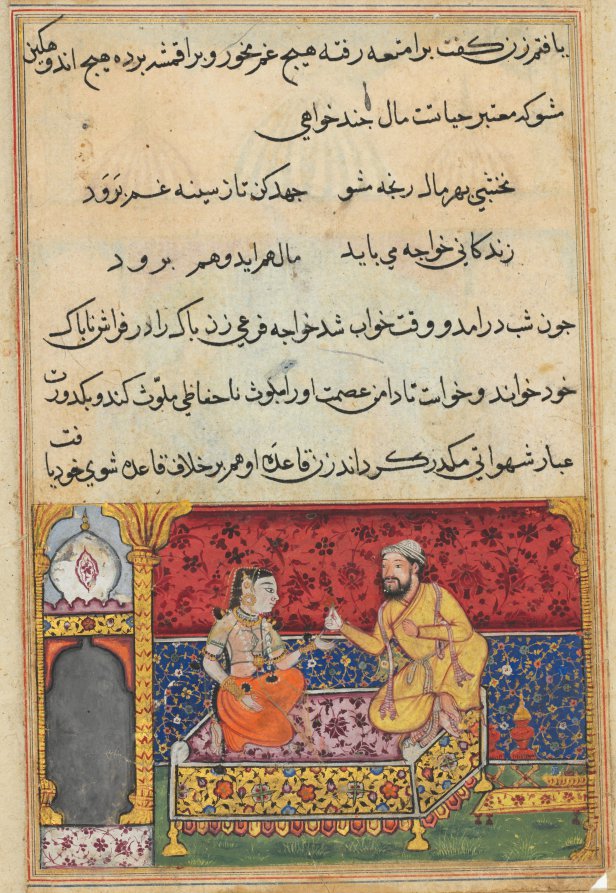
The young man changes himself to look like Mansur, and thus inveigles himself into the bed of Mansur’s wife, but is put off by her, from a Tuti-nama (Tales of a Parrot): Seventeenth Night (c. 1560; Cleveland 1962.279.128.b)

The young man changes himself to look like Mansur, and thus inveigles himself into the bed of Mansur’s wife, but is put off by her, from a Tuti-nama (Tales of a Parrot): Seventeenth Night (c. 1560): A

The young man changes himself to look like Mansur, and thus inveigles himself into the bed of Mansur’s wife, but is put off by her, from a Tuti-nama (Tales of a Parrot): Seventeenth Night at the Cleveland Museum of Art: c. 1560, gum tempera

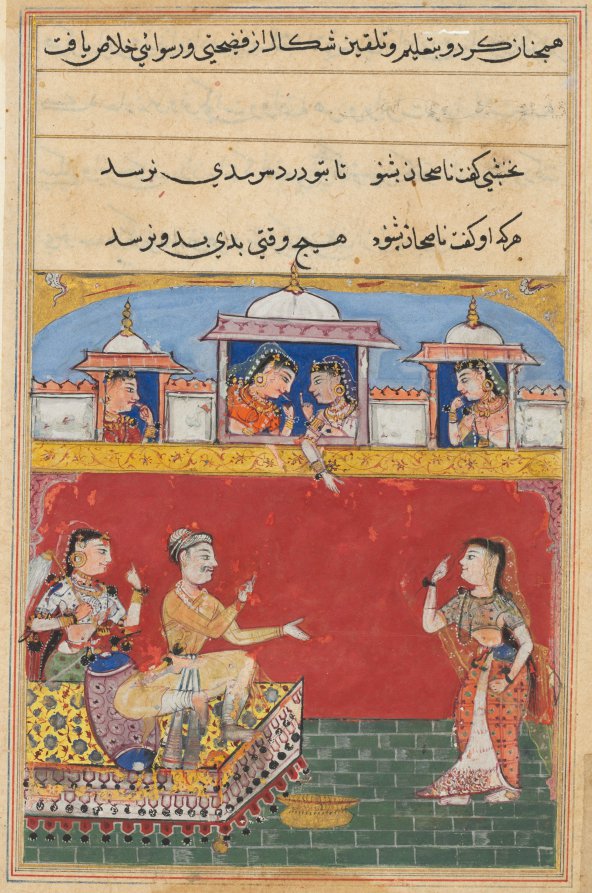
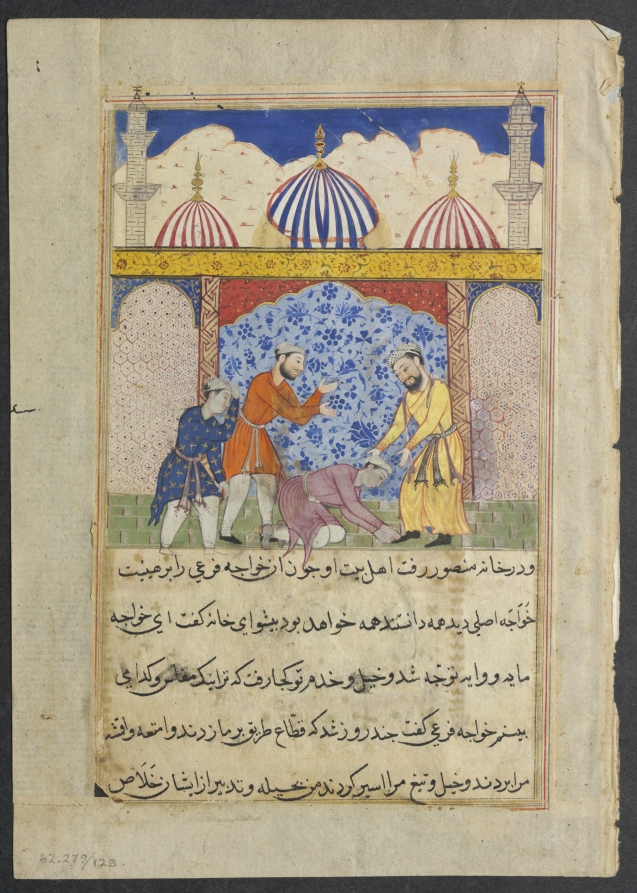
The false Mansur punished before the judge and expelled from the city, from a Tuti-nama (Tales of a Parrot): Seventeenth Night (c. 1560; Cleveland 1962.279.129.b)

The false Mansur punished before the judge and expelled from the city, from a Tuti-nama (Tales of a Parrot): Seventeenth Night (c. 1560): Art, History and Details

The false Mansur punished before the judge and expelled from the city, from a Tuti-nama (Tales of a Parrot): Seventeenth Night at the Cleveland Museum of Art: c. 1560, gum tempera, ink, and gold on paper. Explore the work's context, creator

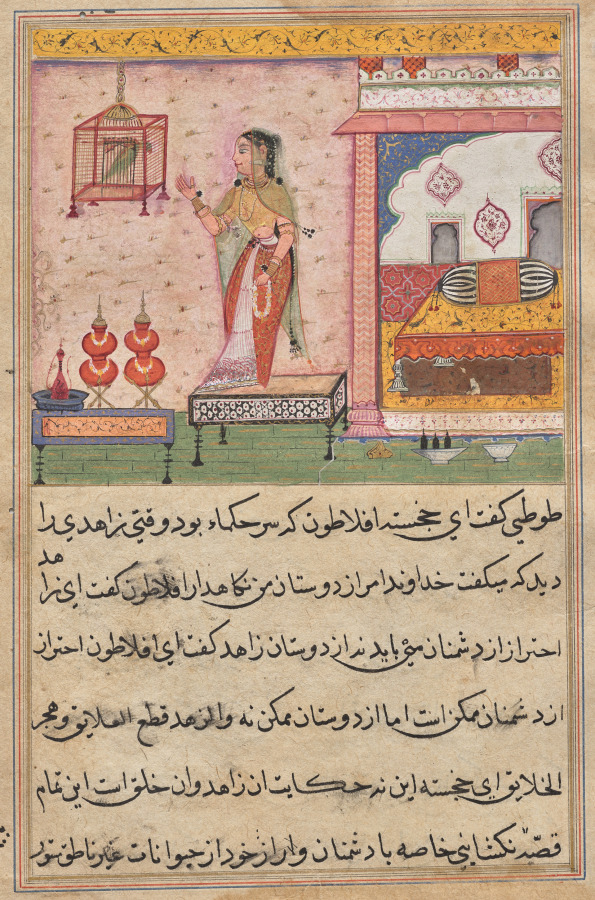
The Parrot Addresses Khujasta at the Beginning of the Eighteenth Night, from a Tuti-nama (Tales of a Parrot) (c. 1560; Cleveland 1962.279.130.b)

The Parrot Addresses Khujasta at the Beginning of the Eighteenth Night, from a Tuti-nama (Tales of a Parrot) (c. 1560): Art, History and Details

The Parrot Addresses Khujasta at the Beginning of the Eighteenth Night, from a Tuti-nama (Tales of a Parrot) at the Cleveland Museum of Art: c. 1560, gum tempera, ink, and gold on paper. Explore the work's context, creator attribution and c

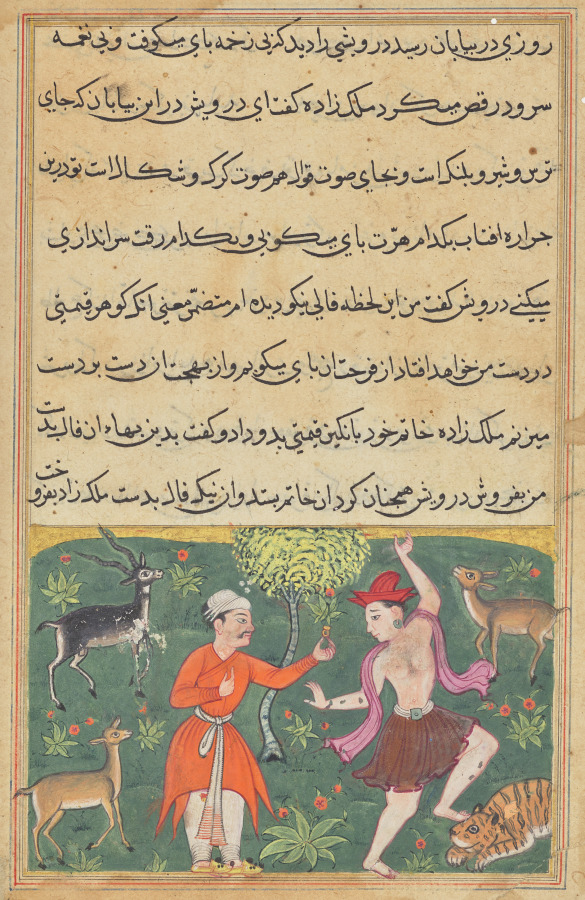
The prince meets a carefree dancing dervish whose good fortune he purchases for his ring, from a Tuti-nama (Tales of a Parrot): Eighteenth Night (c. 1560; Cleveland 1962.279.131.b)

The prince meets a carefree dancing dervish whose good fortune he purchases for his ring, from a Tuti-nama (Tales of a Parrot): Eighteenth Night (c. 1560): Art, History and Details

The prince meets a carefree dancing dervish whose good fortune he purchases for his ring, from a Tuti-nama (Tales of a Parrot): Eighteenth Night at the Cleveland Museum of Art: c. 1560, gum tempera, ink, and gold on paper. Explore the work'

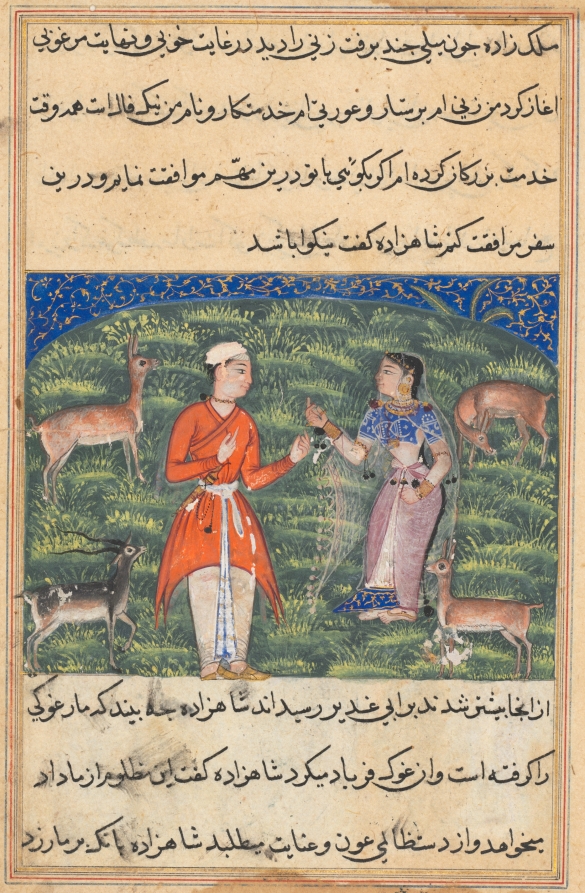
Nikfal, the fortune of the prince in the form of a woman, offers to accompany him, from a Tuti-nama (Tales of a Parrot): Eighteenth Night (c. 1560; Cleveland 1962.279.132.a)

Nikfal, the fortune of the prince in the form of a woman, offers to accompany him, from a Tuti-nama (Tales of a Parrot): Eighteenth Night (c. 1560): Art, History and Details

Nikfal, the fortune of the prince in the form of a woman, offers to accompany him, from a Tuti-nama (Tales of a Parrot): Eighteenth Night at the Cleveland Museum of Art: c. 1560, gum tempera, ink, and gold on paper. Explore the work's conte

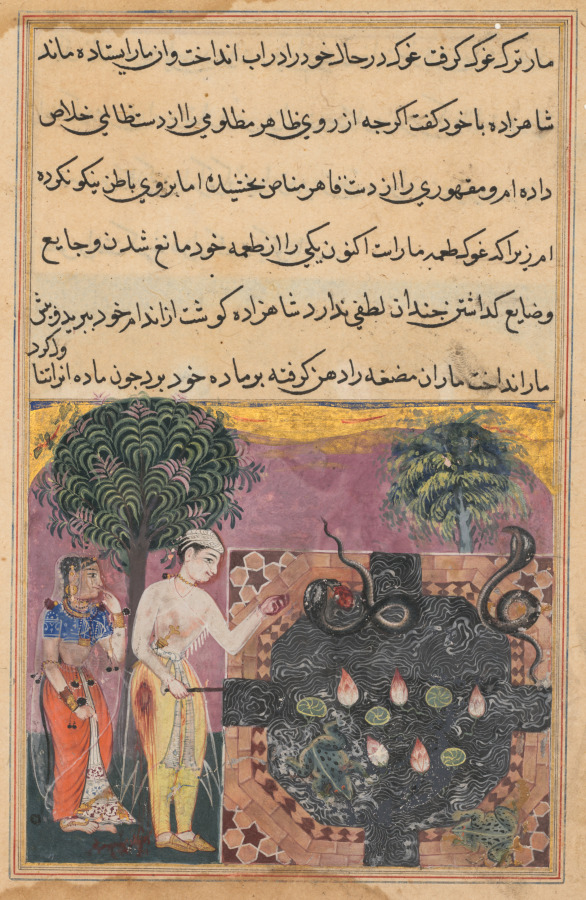
The prince, having deprived the snake of its natural food, a frog, feeds it with a piece of his own flesh, from a Tuti-nama (Tales of a Parrot): Eighteenth Night (c. 1560; Cleveland 1962.279.132.b)

The prince, having deprived the snake of its natural food, a frog, feeds it with a piece of his own flesh, from a Tuti-nama (Tales of a Parrot): Eighteenth Night (c. 1560): Art, History and Details

The prince, having deprived the snake of its natural food, a frog, feeds it with a piece of his own flesh, from a Tuti-nama (Tales of a Parrot): Eighteenth Night at the Cleveland Museum of Art: c. 1560, gum tempera, ink, and gold on paper.

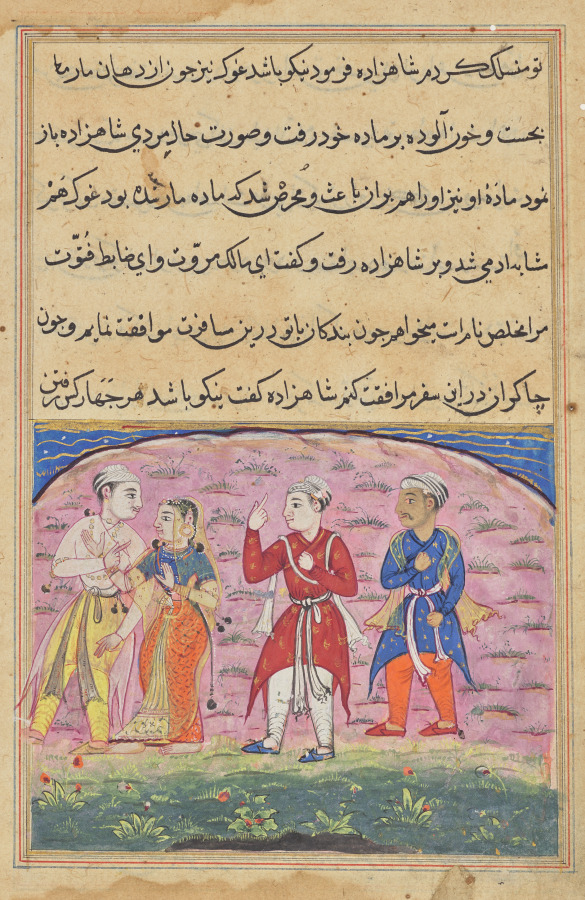
The prince and Nikfal are joined by Khalis and the Mukhlis who are the grateful snake and frog in human form, from a Tuti-nama (Tales of a Parrot): Eighteenth Night (c. 1560; Cleveland 1962.279.134.b)

The prince and Nikfal are joined by Khalis and the Mukhlis who are the grateful snake and frog in human form, from a Tuti-nama (Tales of a Parrot): Eighteenth Night (c. 1560): Art, History and Details

The prince and Nikfal are joined by Khalis and the Mukhlis who are the grateful snake and frog in human form, from a Tuti-nama (Tales of a Parrot): Eighteenth Night at the Cleveland Museum of Art: c. 1560, gum tempera, ink, and gold on pape

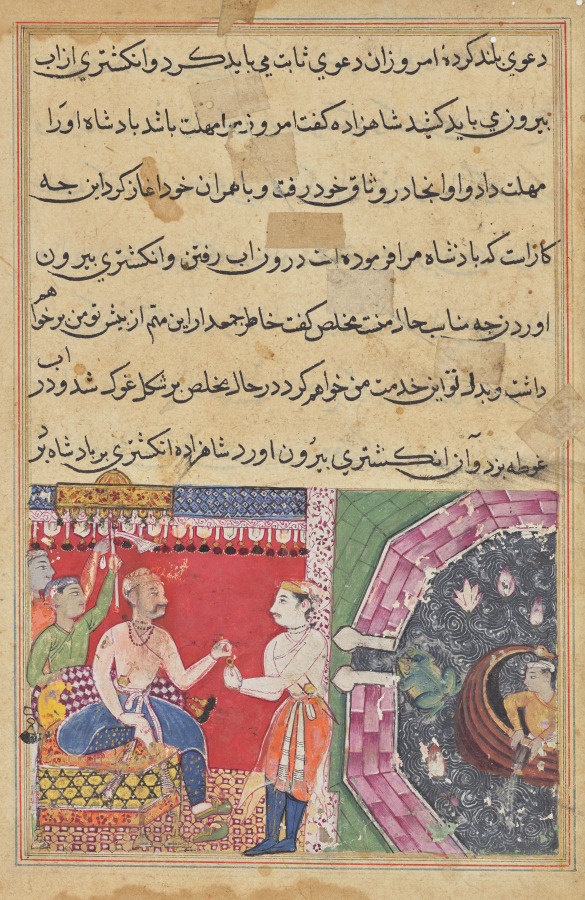
The prince, with the help of Mukhlis who changes into a frog, recovers the ring lost in the sea, and returns it to the king, from a Tuti-nama (Tales of a Parrot): Eighteenth Night (c. 1560; Cleveland 1962.279.135.b)
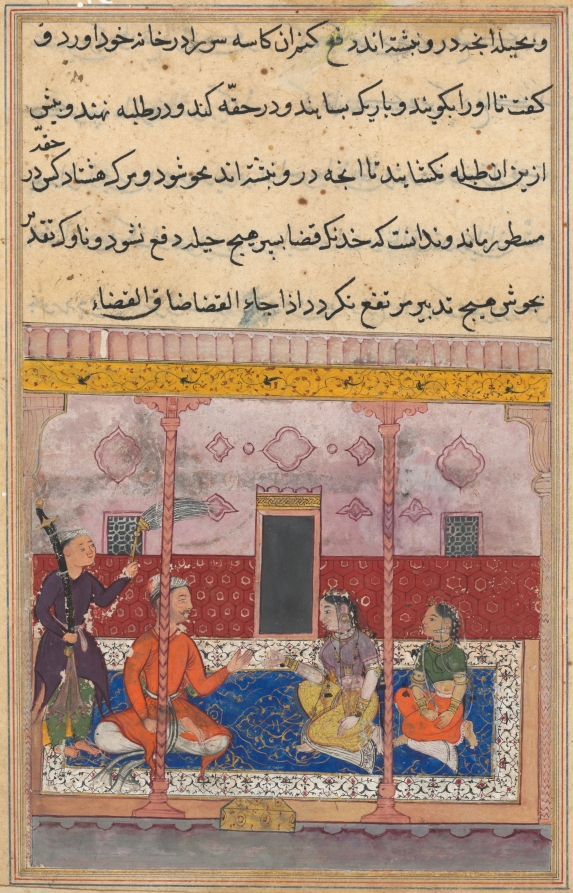
The prince, with the help of Mukhlis who changes into a frog, recovers the ring lost in the sea, and returns it to the king, from a Tuti-nama (Tales of a Parrot): Eighteenth Night (c. 1560): Art, Hist

The prince, with the help of Mukhlis who changes into a frog, recovers the ring lost in the sea, and returns it to the king, from a Tuti-nama (Tales of a Parrot): Eighteenth Night at the Cleveland Museum of Art: c. 1560, gum tempera, ink, a

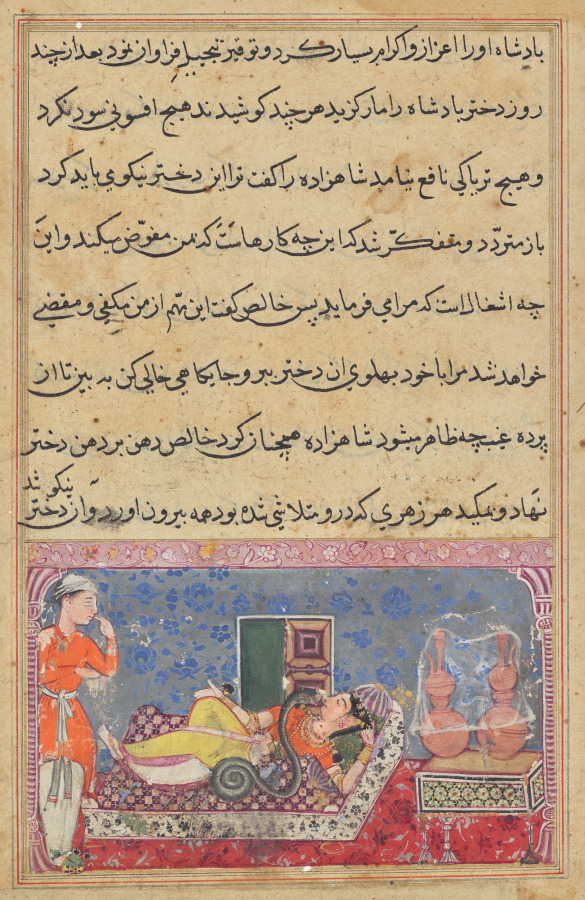
Khalis repays the prince for his kindness by changing into a snake and sucking the poison from the king’s daughter, from a Tuti-nama (Tales of a Parrot): Eighteenth Night (c. 1560; Cleveland 1962.279.136.a)

Khalis repays the prince for his kindness by changing into a snake and sucking the poison from the king’s daughter, from a Tuti-nama (Tales of a Parrot): Eighteenth Night (c. 1560): Art, History and D

Khalis repays the prince for his kindness by changing into a snake and sucking the poison from the king’s daughter, from a Tuti-nama (Tales of a Parrot): Eighteenth Night at the Cleveland Museum of Art: c. 1560, gum tempera, ink, and gold o

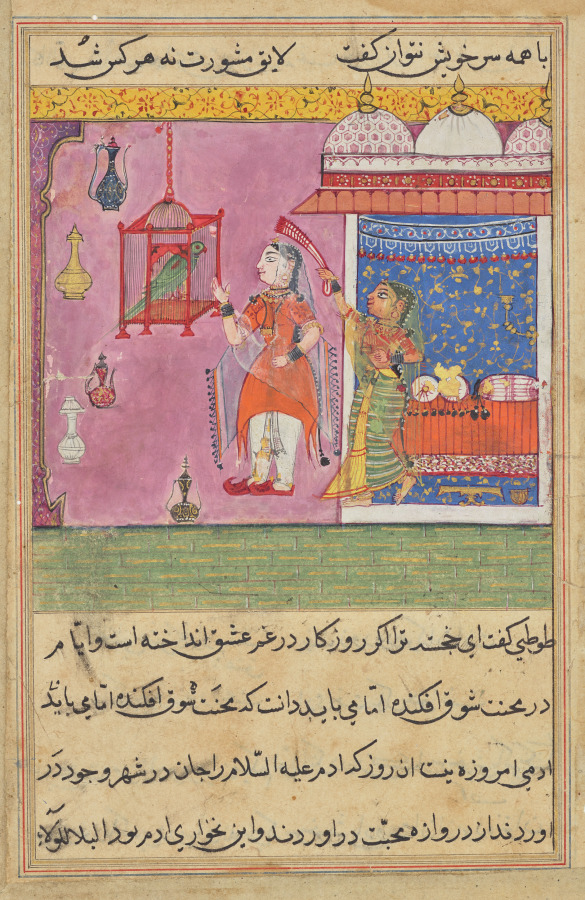
The Parrot Addresses Khujasta at the Beginning of the Nineteenth Night, from a Tuti-nama (Tales of a Parrot) (c. 1560; Cleveland 1962.279.138.a)

The Parrot Addresses Khujasta at the Beginning of the Nineteenth Night, from a Tuti-nama (Tales of a Parrot) (c. 1560): Art, History and Details

The Parrot Addresses Khujasta at the Beginning of the Nineteenth Night, from a Tuti-nama (Tales of a Parrot) at the Cleveland Museum of Art: c. 1560, gum tempera, ink, and gold on paper. Explore the work's context, creator attribution and c

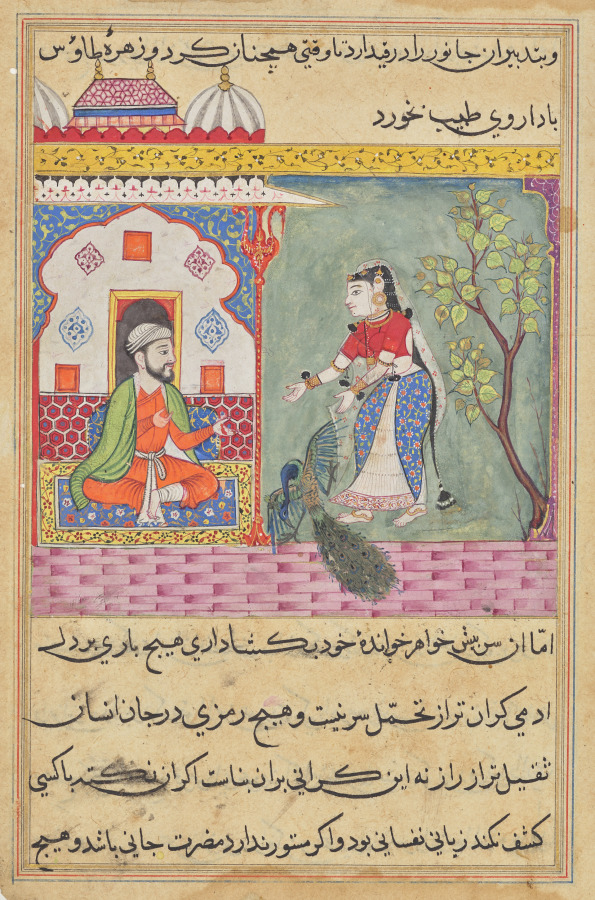
The Brahman’s wife who killed a peacock and ate its gallbladder on the physician’s advice, from a Tuti-nama (Tales of a Parrot): Nineteenth Night (c. 1560; Cleveland 1962.279.140.a)

The Brahman’s wife who killed a peacock and ate its gallbladder on the physician’s advice, from a Tuti-nama (Tales of a Parrot): Nineteenth Night (c. 1560): Art, History and Details

The Brahman’s wife who killed a peacock and ate its gallbladder on the physician’s advice, from a Tuti-nama (Tales of a Parrot): Nineteenth Night at the Cleveland Museum of Art: c. 1560, gum tempera, ink, and gold on paper. Explore the work

The Parrot Addresses Khujasta at the Beginning of the Twentieth Night, from a Tuti-nama (Tales of a Parrot) (c. 1560; Cleveland 1962.279.143.a)

The Parrot Addresses Khujasta at the Beginning of the Twentieth Night, from a Tuti-nama (Tales of a Parrot) (c. 1560): Art, History and Details

The Parrot Addresses Khujasta at the Beginning of the Twentieth Night, from a Tuti-nama (Tales of a Parrot) at the Cleveland Museum of Art: c. 1560, gum tempera, ink, and gold on paper. Explore the work's context, creator attribution and co

Three suitors fight amongst themselves for the hand of the devotee’s daughter, from a Tuti-nama (Tales of a Parrot): Twentieth Night (c. 1560; Cleveland 1962.279.144.b)

Three suitors fight amongst themselves for the hand of the devotee’s daughter, from a Tuti-nama (Tales of a Parrot): Twentieth Night (c. 1560): Art, History and Details

Three suitors fight amongst themselves for the hand of the devotee’s daughter, from a Tuti-nama (Tales of a Parrot): Twentieth Night at the Cleveland Museum of Art: c. 1560, gum tempera, ink, and gold on paper. Explore the work's context, c

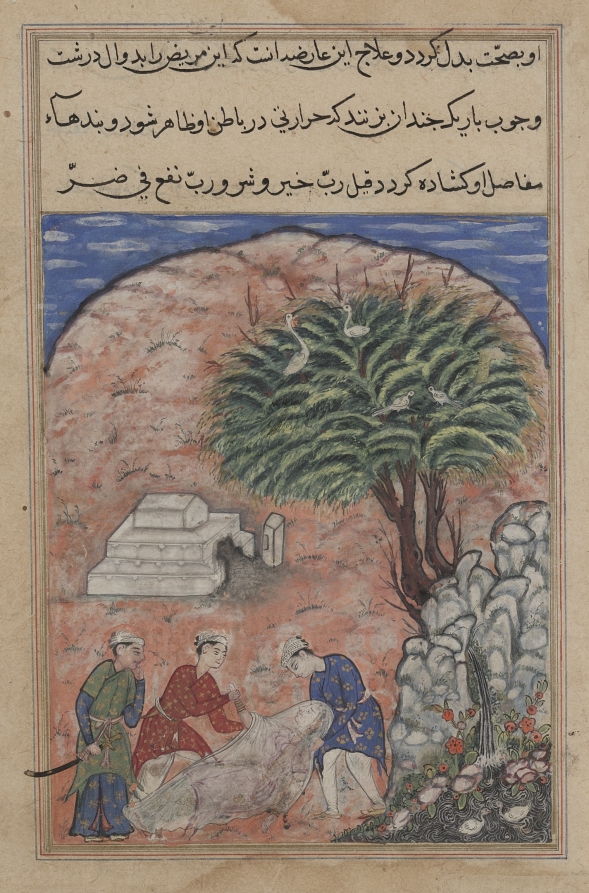
The suitors take the devotee’s daughter out of her tomb after breaking it open, when the physician discovers she is still alive, from a Tuti-nama (Tales of a Parrot): Twentieth Night (c. 1560; Cleveland 1962.279.146.a)

The suitors take the devotee’s daughter out of her tomb after breaking it open, when the physician discovers she is still alive, from a Tuti-nama (Tales of a Parrot): Twentieth Night (c. 1560): Art, H

The suitors take the devotee’s daughter out of her tomb after breaking it open, when the physician discovers she is still alive, from a Tuti-nama (Tales of a Parrot): Twentieth Night at the Cleveland Museum of Art: c. 1560, gum tempera, ink

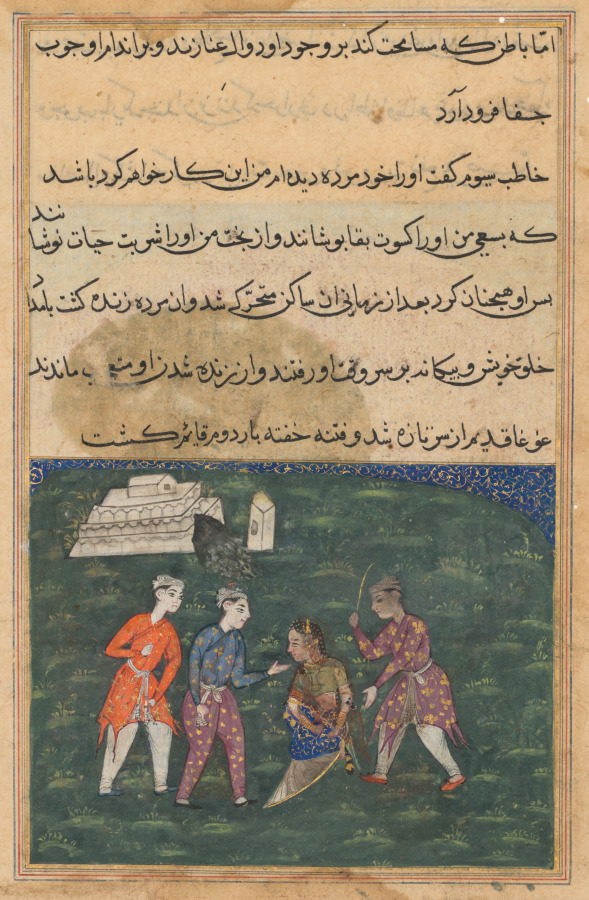
The third suitor strikes the devotee’s daughter and thus restores her to life, from a Tuti-nama (Tales of a Parrot): Twentieth Night (c. 1560; Cleveland 1962.279.146.b)

The third suitor strikes the devotee’s daughter and thus restores her to life, from a Tuti-nama (Tales of a Parrot): Twentieth Night (c. 1560): Art, History and Details

The third suitor strikes the devotee’s daughter and thus restores her to life, from a Tuti-nama (Tales of a Parrot): Twentieth Night at the Cleveland Museum of Art: c. 1560, gum tempera, ink, and gold on paper. Explore the work's context, c

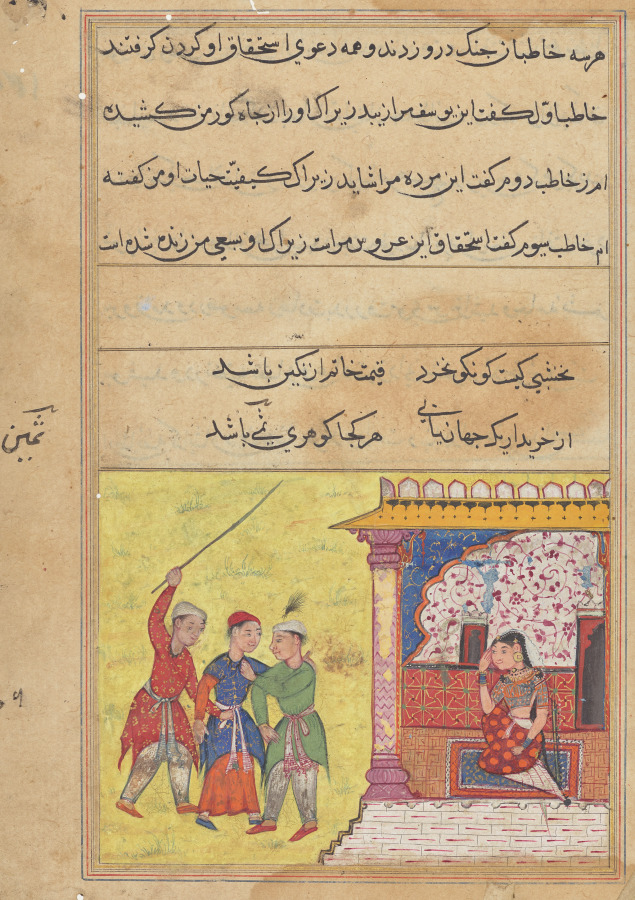
The three suitors again begin to quarrel among themselves for the hand of the devotee’s daughter, from a Tuti-nama (Tales of a Parrot): Twentieth Night (c. 1560; Cleveland 1962.279.147.a)

The three suitors again begin to quarrel among themselves for the hand of the devotee’s daughter, from a Tuti-nama (Tales of a Parrot): Twentieth Night (c. 1560): Art, History and Details

The three suitors again begin to quarrel among themselves for the hand of the devotee’s daughter, from a Tuti-nama (Tales of a Parrot): Twentieth Night at the Cleveland Museum of Art: c. 1560, gum tempera, ink, and gold on paper. Explore th

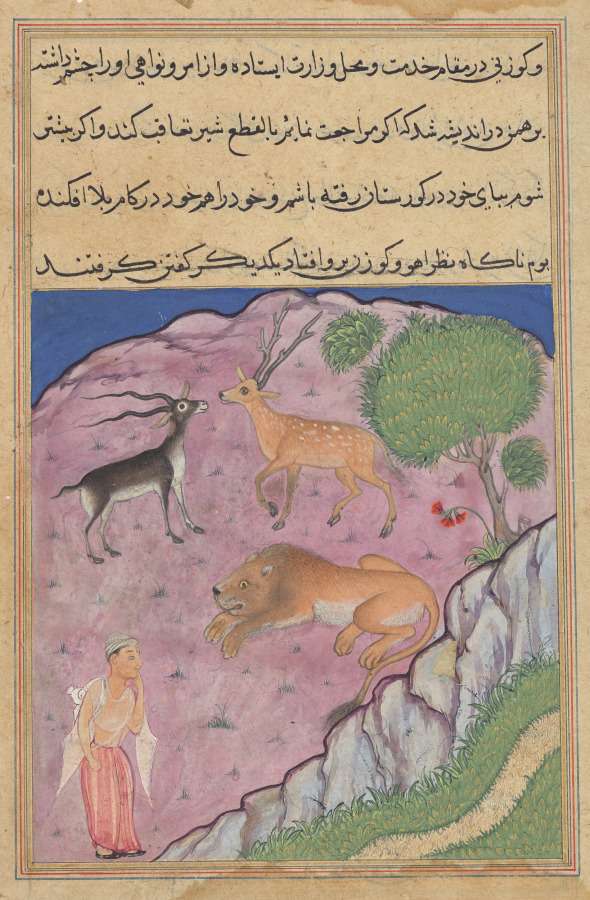
The Brahman comes upon a lion who has a deer and a gazelle as his viziers, from a Tuti-nama (Tales of a Parrot): Twenty-first Night (c. 1560; Cleveland 1962.279.150.a)

The Brahman comes upon a lion who has a deer and a gazelle as his viziers, from a Tuti-nama (Tales of a Parrot): Twenty-first Night (c. 1560): Art, History and Details

The Brahman comes upon a lion who has a deer and a gazelle as his viziers, from a Tuti-nama (Tales of a Parrot): Twenty-first Night at the Cleveland Museum of Art: c. 1560, gum tempera, ink, and gold on paper. Explore the work's context, cr

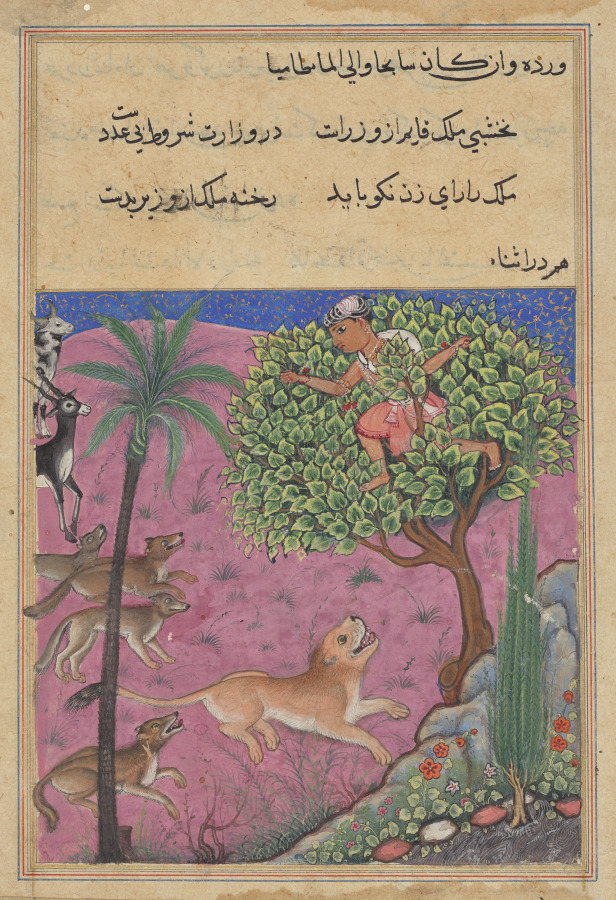
The wolf and the jackal, serving as viziers, instigate the lion who pursues the Brahman up a tree, from a Tuti-nama (Tales of a Parrot): Twenty-first Night (c. 1560; Cleveland 1962.279.152.a)

The wolf and the jackal, serving as viziers, instigate the lion who pursues the Brahman up a tree, from a Tuti-nama (Tales of a Parrot): Twenty-first Night (c. 1560): Art, History and Details

The wolf and the jackal, serving as viziers, instigate the lion who pursues the Brahman up a tree, from a Tuti-nama (Tales of a Parrot): Twenty-first Night at the Cleveland Museum of Art: c. 1560, gum tempera, ink, and gold on paper. Explor

The Parrot Addresses Khujasta at the Beginning of the Twenty-second Night, from a Tuti-nama (Tales of a Parrot) (c. 1560; Cleveland 1962.279.154.a)

The Parrot Addresses Khujasta at the Beginning of the Twenty-second Night, from a Tuti-nama (Tales of a Parrot) (c. 1560): Art, History and Details

The Parrot Addresses Khujasta at the Beginning of the Twenty-second Night, from a Tuti-nama (Tales of a Parrot) at the Cleveland Museum of Art: c. 1560, gum tempera, ink, and gold on paper. Explore the work's context, creator attribution an

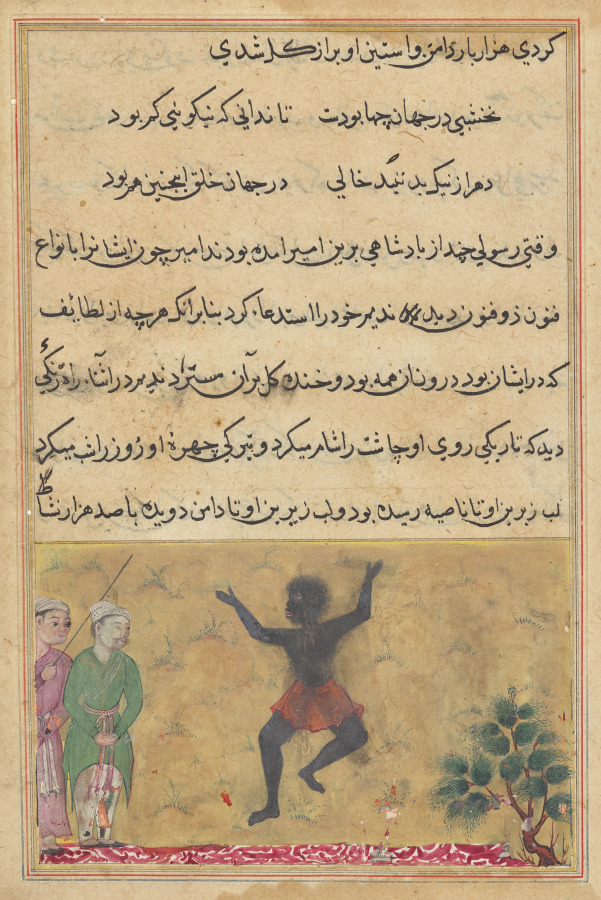
The court jester meets a Zangi dancing with joy, and learns from him that the cause of his happiness is his assignation with a woman who is the jester’s own wife, from a Tuti-nama (Tales of a Parrot): Twenty-second Night (c. 1560; Cleveland 1962.279.155.a)

The court jester meets a Zangi dancing with joy, and learns from him that the cause of his happiness is his assignation with a woman who is the jester’s own wife, from a Tuti-nama (Tales of a Parrot):

The court jester meets a Zangi dancing with joy, and learns from him that the cause of his happiness is his assignation with a woman who is the jester’s own wife, from a Tuti-nama (Tales of a Parrot): Twenty-second Night at the Cleveland Mu

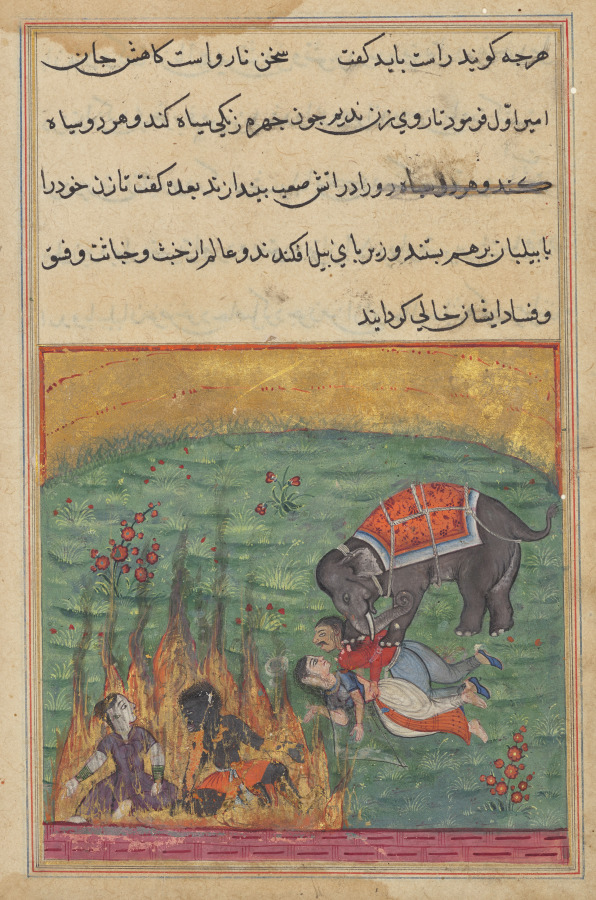
As punishment, the jester’s wife and the Zangi are thrown into fire and the emir’s wife and the mahout are trampled by an elephant, from a Tuti-nama (Tales of a Parrot), Twenty-second Night (c. 1560; Cleveland 1962.279.158.b)

As punishment, the jester’s wife and the Zangi are thrown into fire and the emir’s wife and the mahout are trampled by an elephant, from a Tuti-nama (Tales of a Parrot), Twenty-second Night (c. 1560):

As punishment, the jester’s wife and the Zangi are thrown into fire and the emir’s wife and the mahout are trampled by an elephant, from a Tuti-nama (Tales of a Parrot), Twenty-second Night at the Cleveland Museum of Art: c. 1560, gum tempe

The Parrot Addresses Khujasta at the Beginning of the Twenty-third Night, from a Tuti-nama (Tales of a Parrot) (c. 1560; Cleveland 1962.279.160.a)

The Parrot Addresses Khujasta at the Beginning of the Twenty-third Night, from a Tuti-nama (Tales of a Parrot) (c. 1560): Art, History and Details

The Parrot Addresses Khujasta at the Beginning of the Twenty-third Night, from a Tuti-nama (Tales of a Parrot) at the Cleveland Museum of Art: c. 1560, gum tempera, ink, and gold on paper. Explore the work's context, creator attribution and

The merchant has the hateful skull ground and put into a box, from a Tuti-nama (Tales of a Parrot): Twenty-third Night (c. 1560; Cleveland 1962.279.161.a)

The merchant has the hateful skull ground and put into a box, from a Tuti-nama (Tales of a Parrot): Twenty-third Night (c. 1560): Art, History and Details

The merchant has the hateful skull ground and put into a box, from a Tuti-nama (Tales of a Parrot): Twenty-third Night at the Cleveland Museum of Art: c. 1560, gum tempera, ink, and gold on paper. Explore the work's context, creator attribu