Seated Buddha (mandorla) (1100s): Art, History and Details
Seated Buddha (mandorla) at the Cleveland Museum of Art: 1100s, gilded wood. Explore the work's context, creator attribution and collection history.
Oldest entries first, in a fixed order. Newly added articles appear at the end. Explore a shuffled selection →

Seated Buddha (mandorla) at the Cleveland Museum of Art: 1100s, gilded wood. Explore the work's context, creator attribution and collection history.
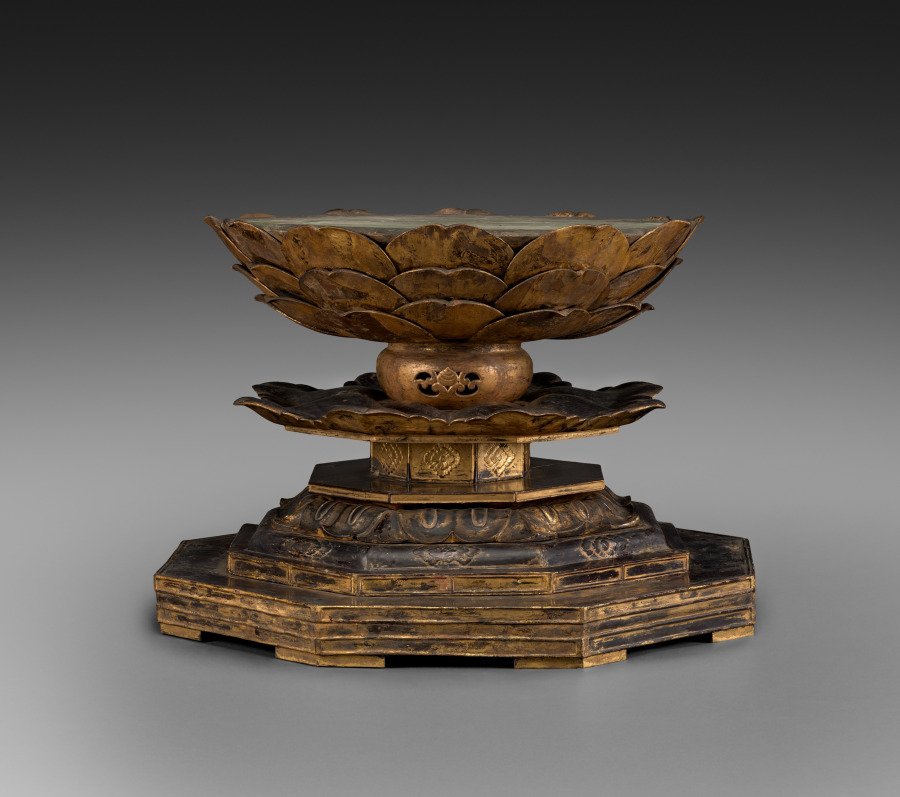
Seated Buddha (lotus pedestal) at the Cleveland Museum of Art: 1100s, gilded wood. Explore the work's context, creator attribution and collection history.
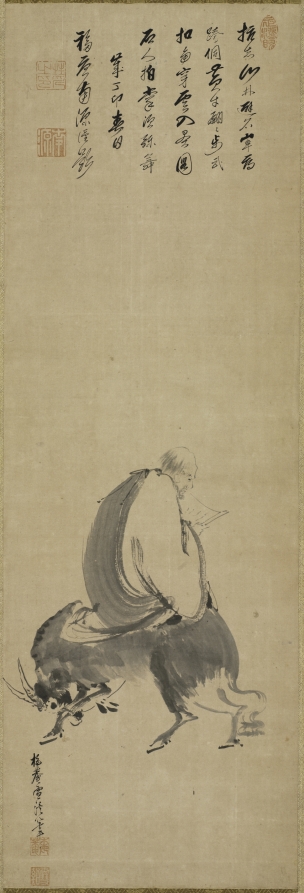
Weizheng Riding on an Ox at the Cleveland Museum of Art: 1687, hanging scroll; ink on paper. Explore the work's context, creator attribution and collection history.

Upper stele with hand for Krishna Lifting Mount Govardhan at the Cleveland Museum of Art: c. 600, Sandstone. Explore the work's context, creator attribution and collection history.
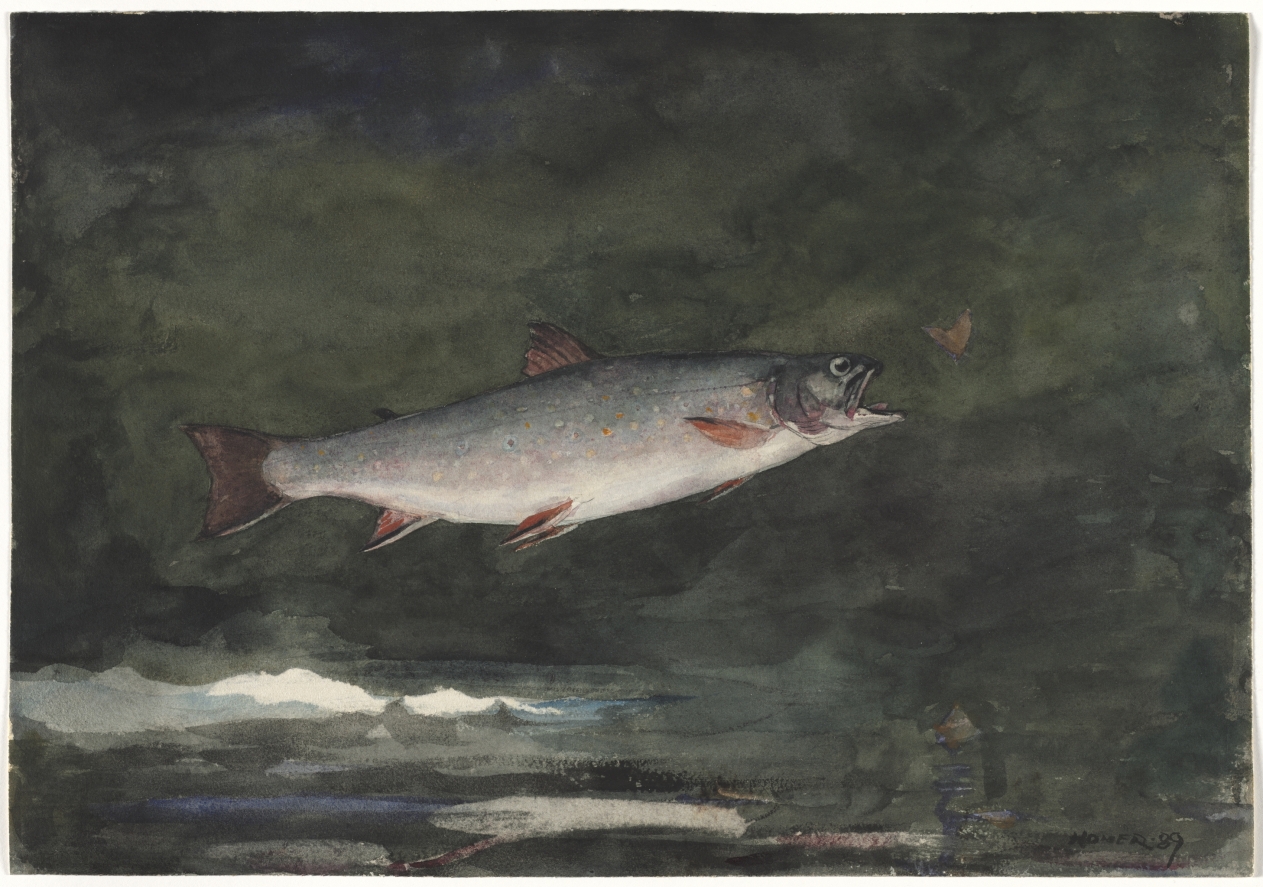
Leaping Trout at the Cleveland Museum of Art: 1889, watercolor over graphite. Explore the work's context, creator attribution and collection history.

Reliquary Statuette of the Virgin and Child at the Cleveland Museum of Art: c. 1330, painted lindenwood. Explore the work's context, creator attribution and collection history.
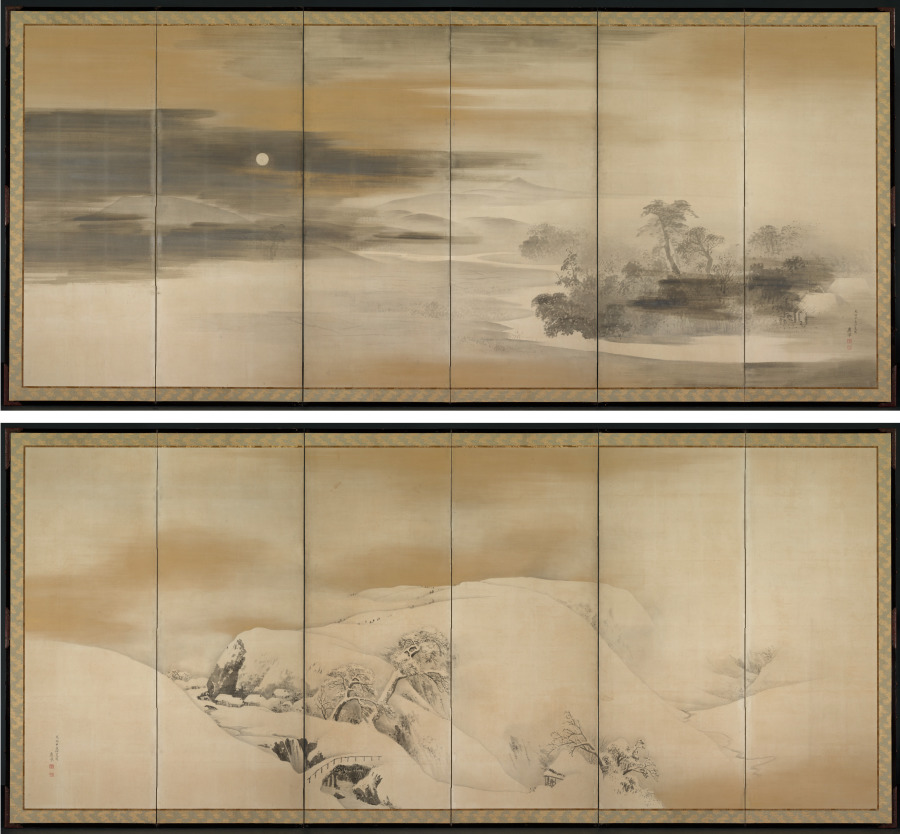
Summer Night; Winter Day at the Cleveland Museum of Art: 1784, Pair of six-panel folding screens, ink, gold, and silver on paper. Explore the work's context, creator attribution and collection history.
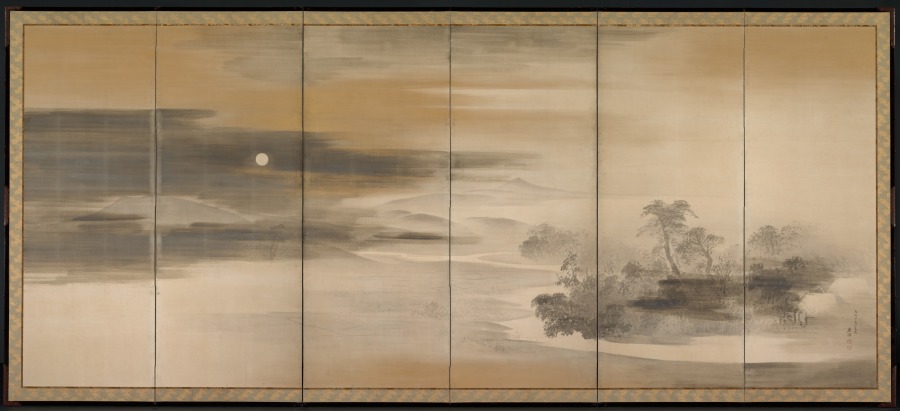
Summer Night at the Cleveland Museum of Art: 1784, Six-panel folding screen, ink, gold, and silver on paper. Explore the work's context, creator attribution and collection history.
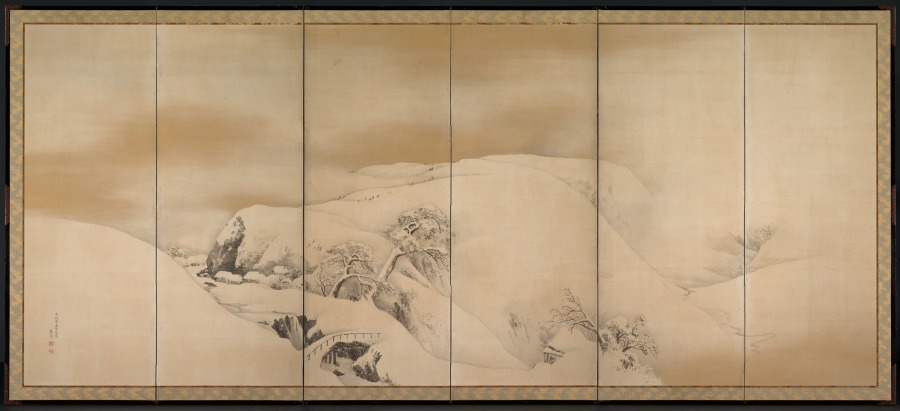
Winter Day at the Cleveland Museum of Art: 1784, Six-panel folding screen, ink, gold, and silver on paper. Explore the work's context, creator attribution and collection history.

The Immortal Li Tieguai at the Cleveland Museum of Art: 1500s, bronze. Explore the work's context, creator attribution and collection history.
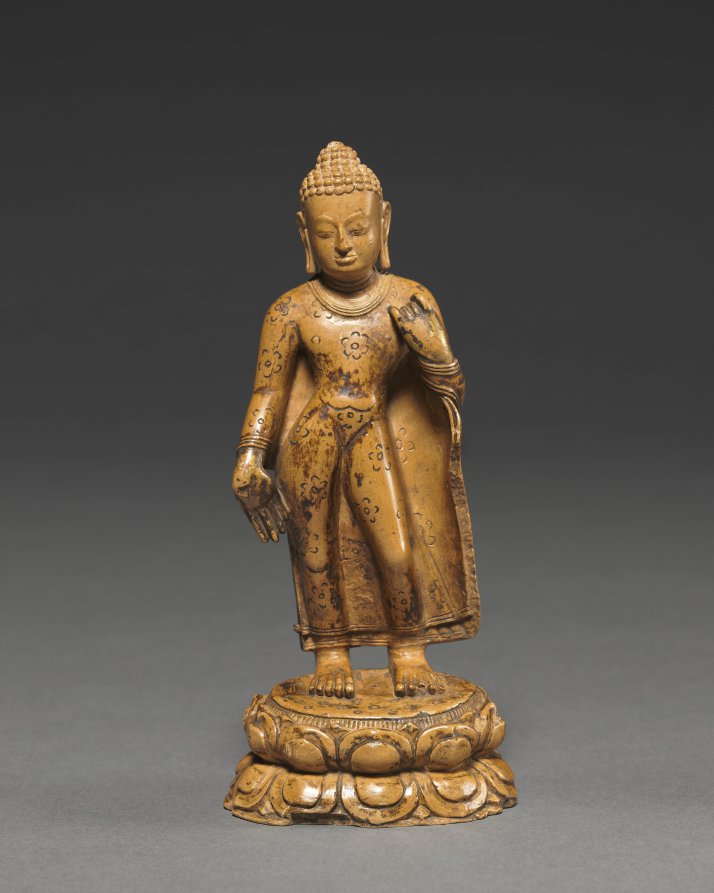
Standing Buddha at the Cleveland Museum of Art: c. 800s, Kaolin. Explore the work's context, creator attribution and collection history.
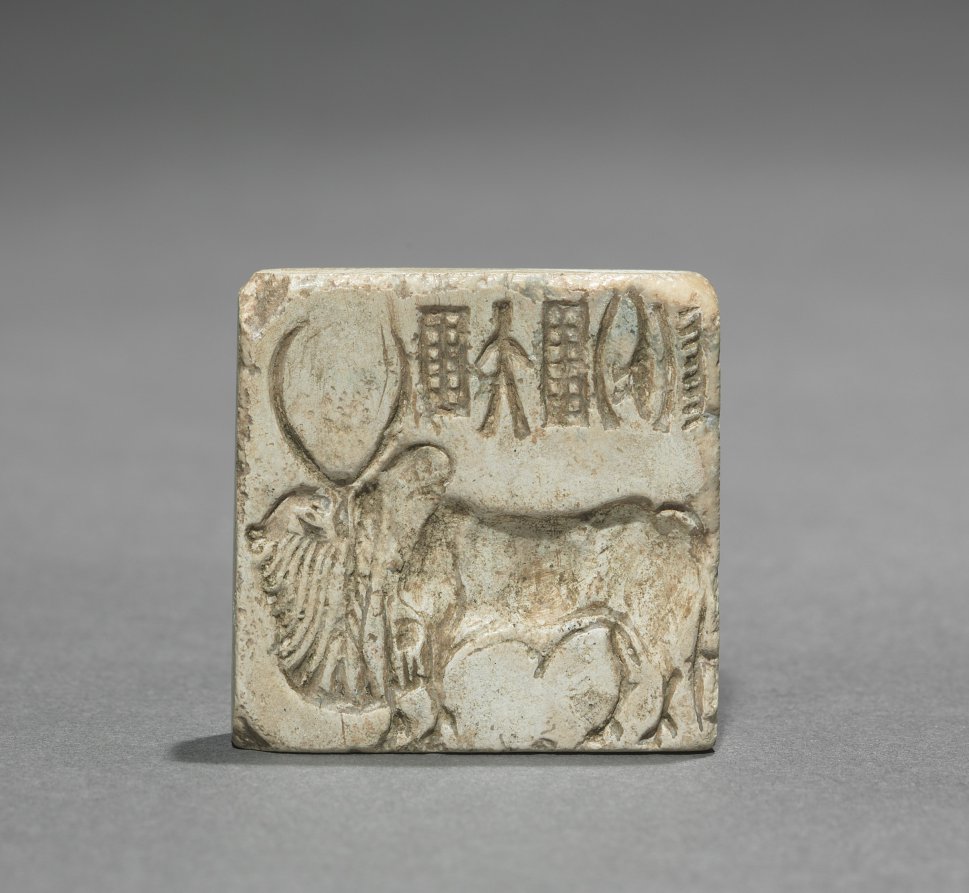
Seal with Two-Horned Bull and Inscription at the Cleveland Museum of Art: c. 2000 BCE, steatite. Explore the work's context, creator attribution and collection history.
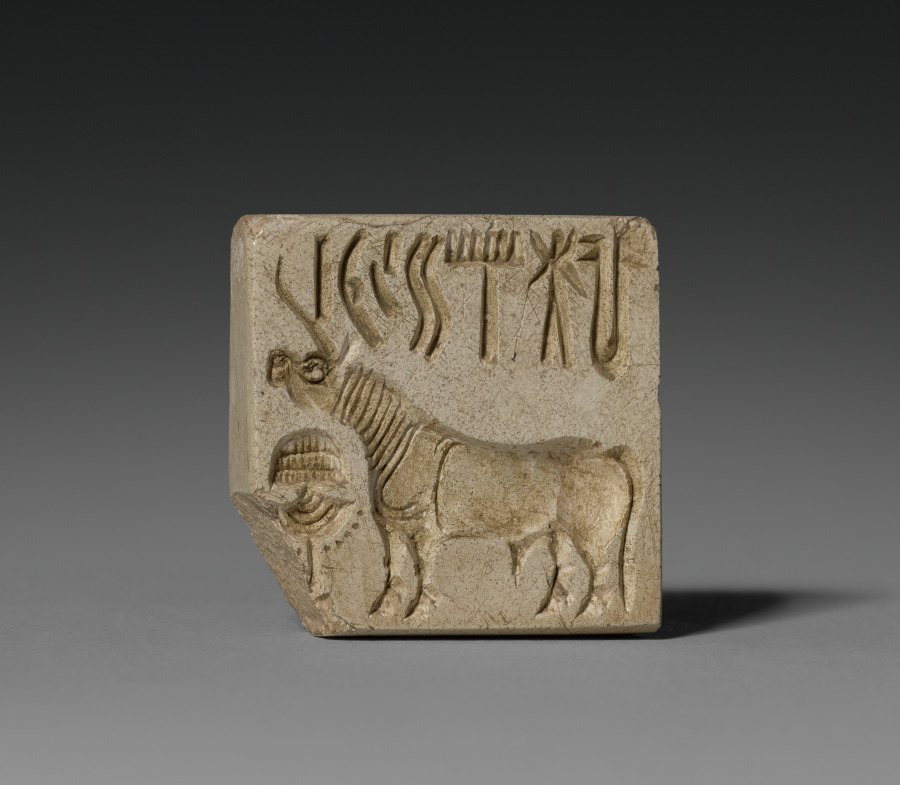
Seal with Unicorn and Inscription at the Cleveland Museum of Art: c. 2000 BCE, steatite. Explore the work's context, creator attribution and collection history.
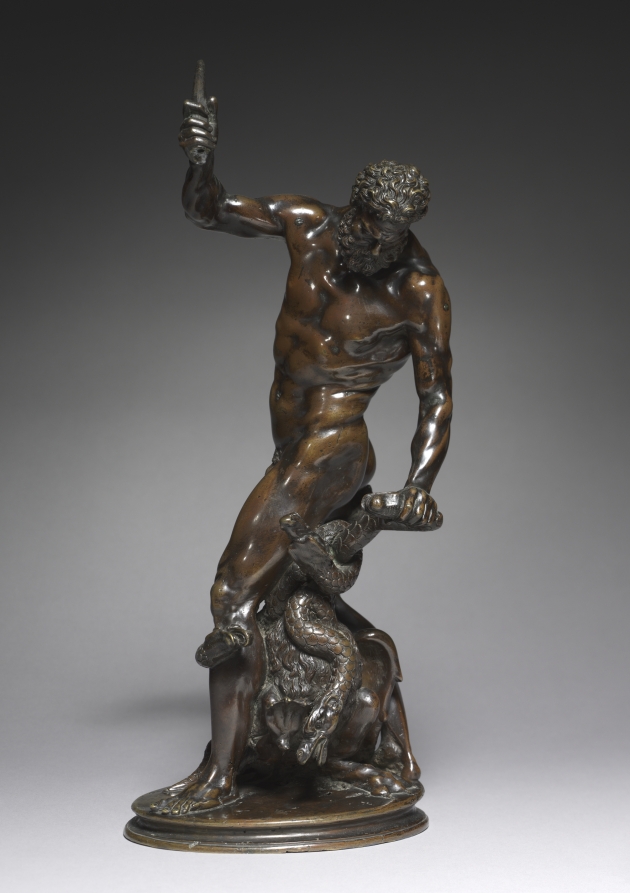
Hercules and the Hydra at the Cleveland Museum of Art: late 1500s-early 1600s, bronze. Explore the work's context, creator attribution and collection history.
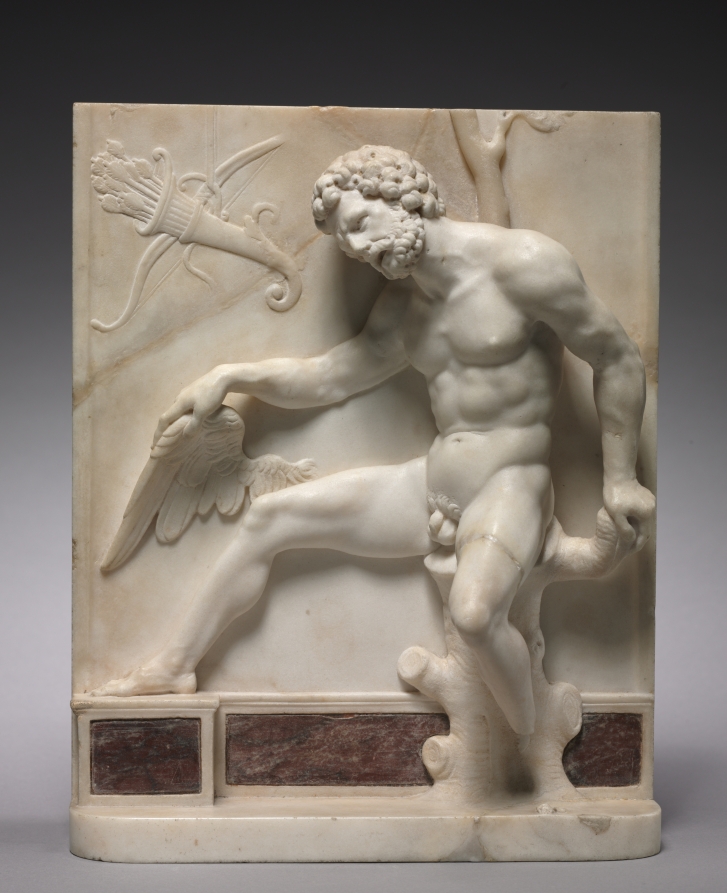
Philoctetes on the Island of Lemnos at the Cleveland Museum of Art: c. 1510–15, marble. Explore the work's context, creator attribution and collection history.
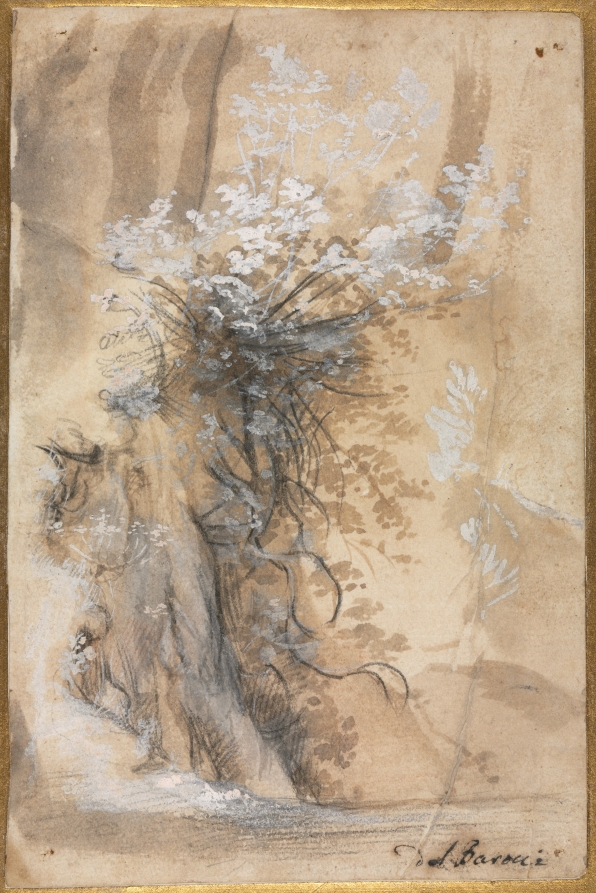
Flowering Bush above an Eroded Bank at the Cleveland Museum of Art: c. 1572–1604, black chalk, brush and brown wash, and lead white (partially oxidized), with traces of red chalk. Explore the work's context, creator attribution and collecti
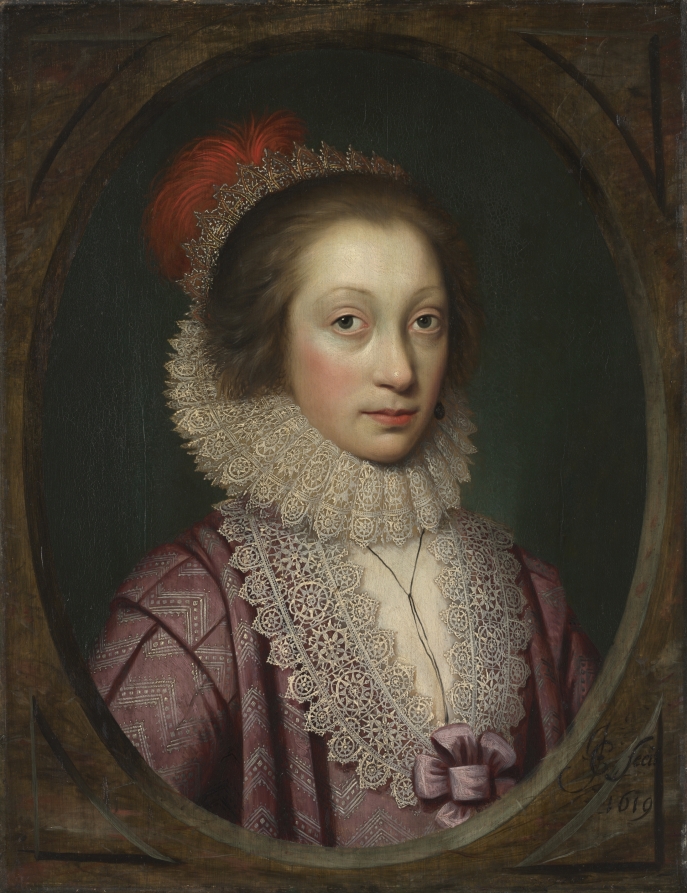
Portrait of a Woman, possibly Elizabeth Boothby at the Cleveland Museum of Art: 1619, oil on wood. Explore the work's context, creator attribution and collection history.
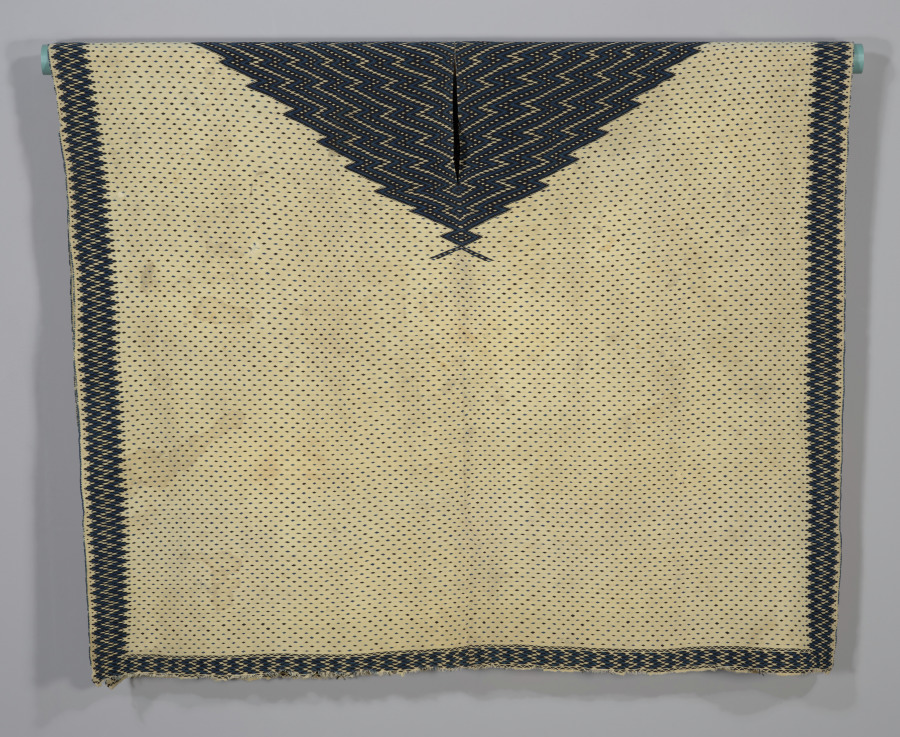
Saltillo Sarape at the Cleveland Museum of Art: c. 1820, Wool, cotton; tapestry weave. Explore the work's context, creator attribution and collection history.
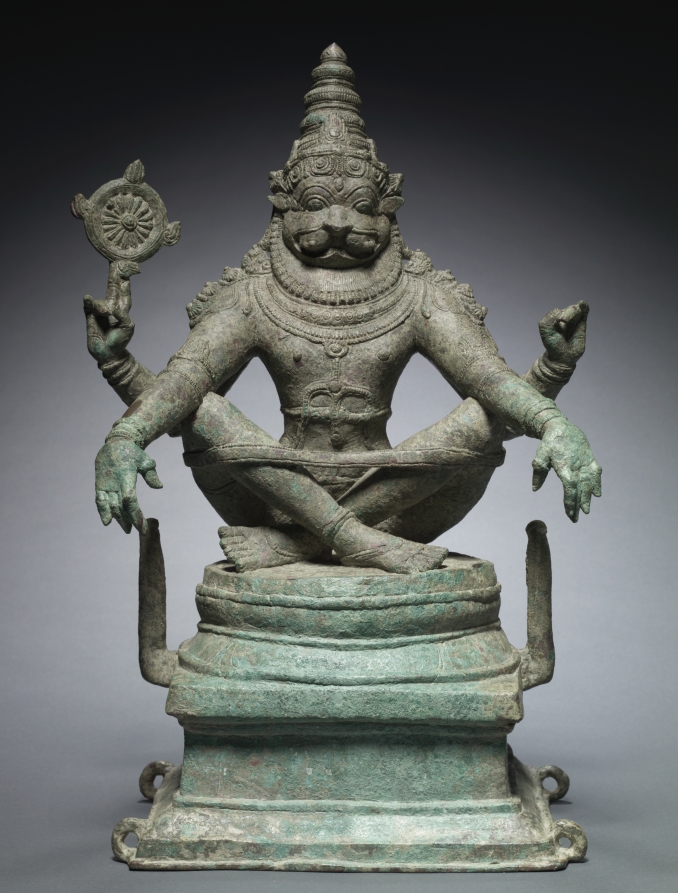
Yoga Narashimha, Vishnu in his Man-Lion Avatar at the Cleveland Museum of Art: c. 1250, bronze. Explore the work's context, creator attribution and collection history.

Pan and Syrinx at the Cleveland Museum of Art: 1720, oil on canvas. Explore the work's context, creator attribution and collection history.
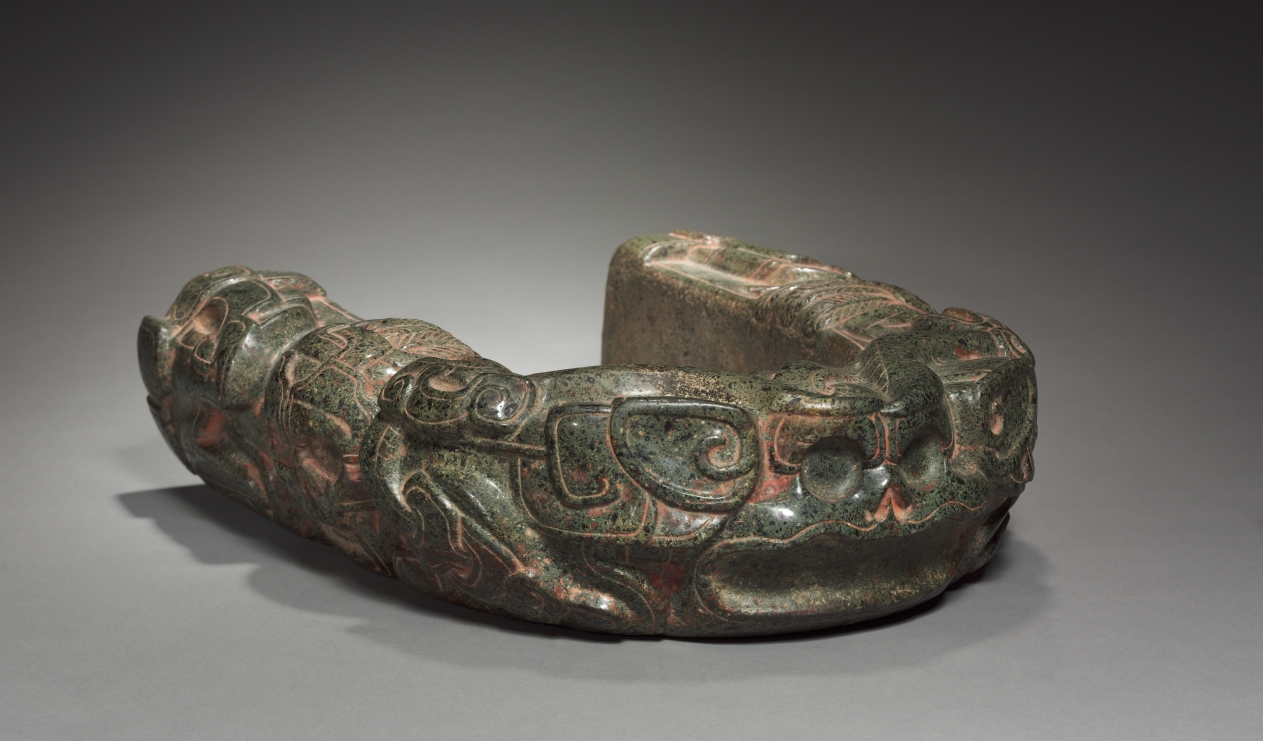
Ballgame Hip Protector (Yoke) at the Cleveland Museum of Art: 600–900, greenstone, pigment. Explore the work's context, creator attribution and collection history.
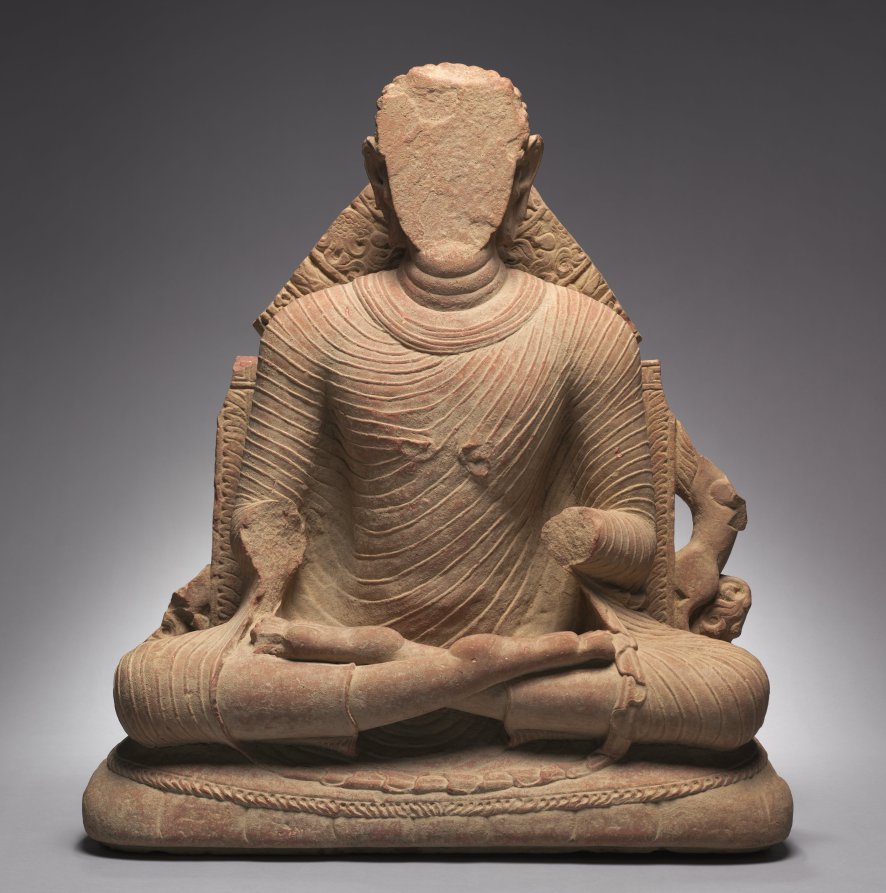
Seated Buddha at the Cleveland Museum of Art: 400–430 CE, red mottled sandstone. Explore the work's context, creator attribution and collection history.

Virgin Crowned by an Angel at the Cleveland Museum of Art: 1520, engraving. Explore the work's context, creator attribution and collection history.
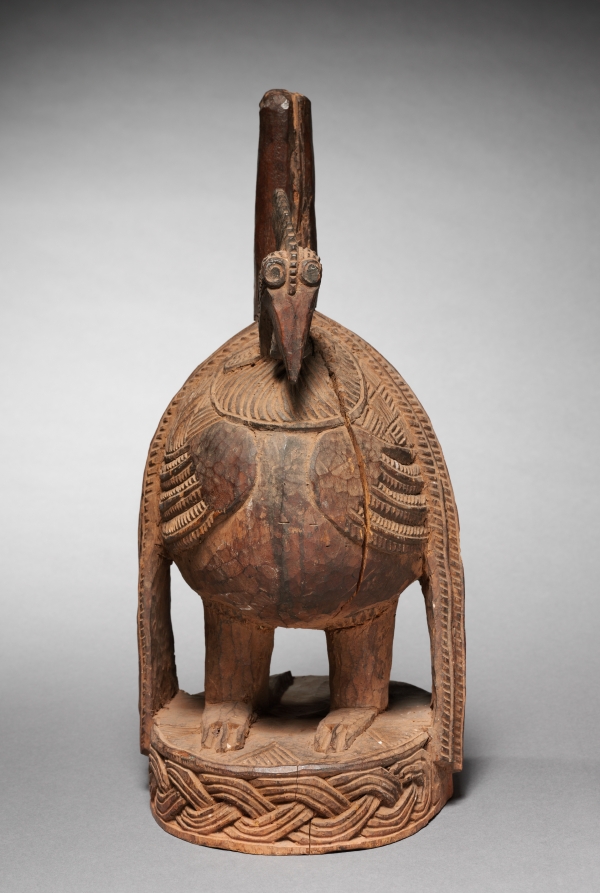
Hen at the Cleveland Museum of Art: 1900s, wood. Explore the work's context, creator attribution and collection history.

Leather Panel at the Cleveland Museum of Art: c. 1350–1400, tooled leather. Explore the work's context, creator attribution and collection history.

Dragon at the Cleveland Museum of Art: 1700s or later, bronze. Explore the work's context, creator attribution and collection history.
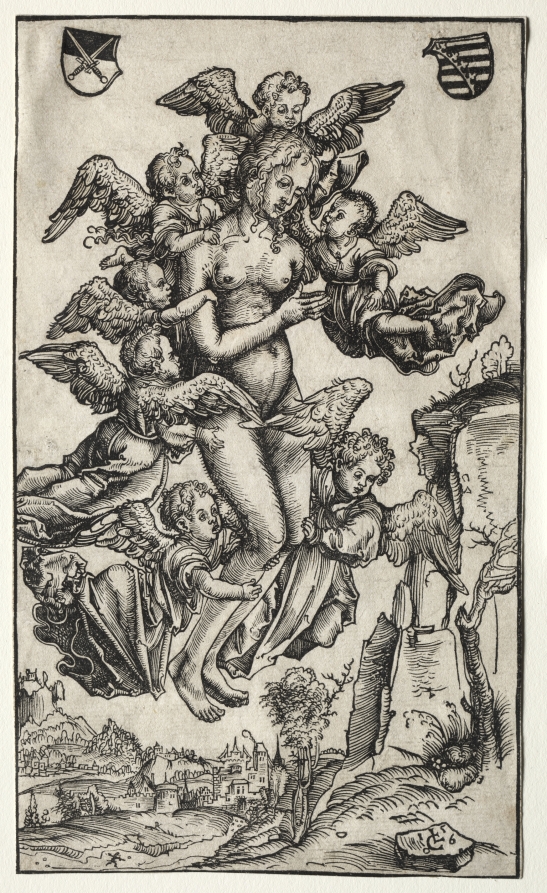
The Ecstasy of St. Mary Magdalene at the Cleveland Museum of Art: 1506, woodcut. Explore the work's context, creator attribution and collection history.
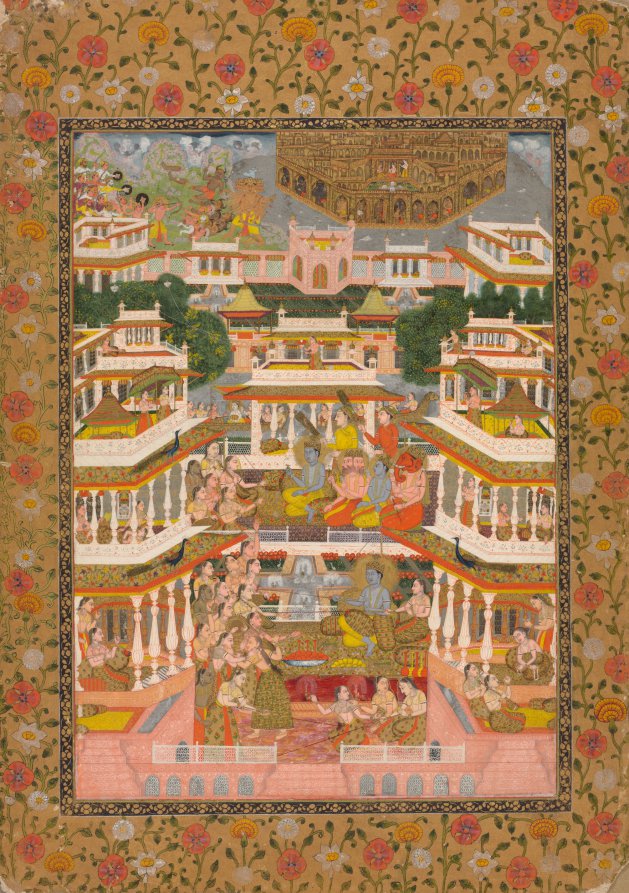
Tiered Court Scene at the Cleveland Museum of Art: c. 1735, Gum tempera, ink, and gold on paper. Explore the work's context, creator attribution and collection history.

Still Life with Herrings at the Cleveland Museum of Art: c. 1735, oil on canvas. Explore the work's context, creator attribution and collection history.

Black-Figure Nikosthenic Amphora (Storage Vessel): Dancing Youths; Sphinxes and Lions; Satyrs and Maenads at the Cleveland Museum of Art: c. 530–510 BCE, ceramic. Explore the work's context, creator attribution and collection history.
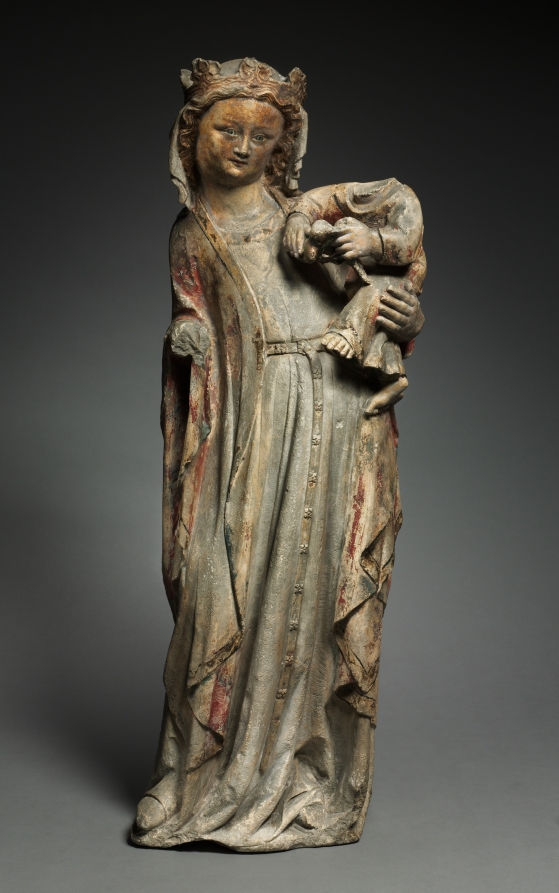
Virgin and Child at the Cleveland Museum of Art: c. 1315–20, limestone with traces of polychromy and gilding. Explore the work's context, creator attribution and collection history.

Return to Nazareth at the Cleveland Museum of Art: 1735, oil on canvas. Explore the work's context, creator attribution and collection history.
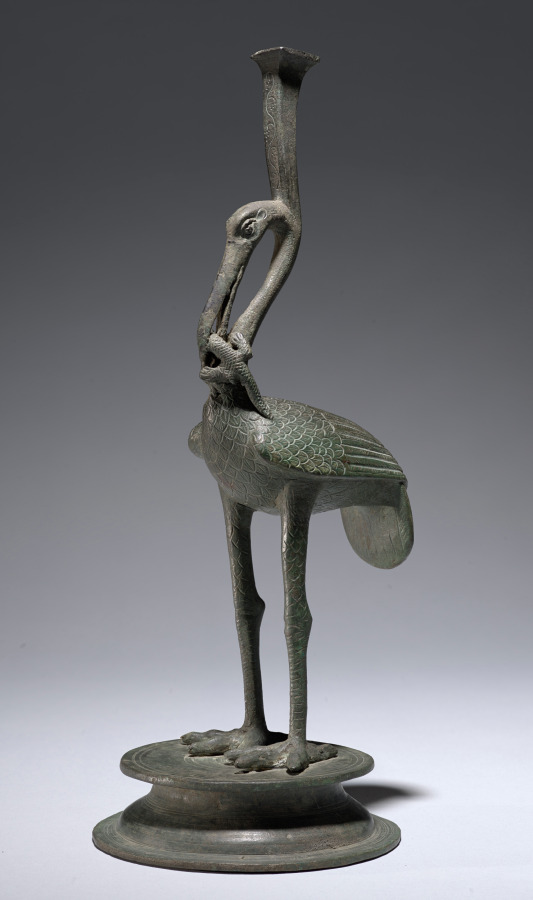
Ibis Eating a Lizard at the Cleveland Museum of Art: 100 BCE–100 CE, bronze, hollow cast. Explore the work's context, creator attribution and collection history.

Architectural Canopy (pair) at the Cleveland Museum of Art: c. 1450–75, limestone from Tonnerre. Explore the work's context, creator attribution and collection history.

Architectural Canopy at the Cleveland Museum of Art: c. 1450–75, limestone from Tonnerre. Explore the work's context, creator attribution and collection history.
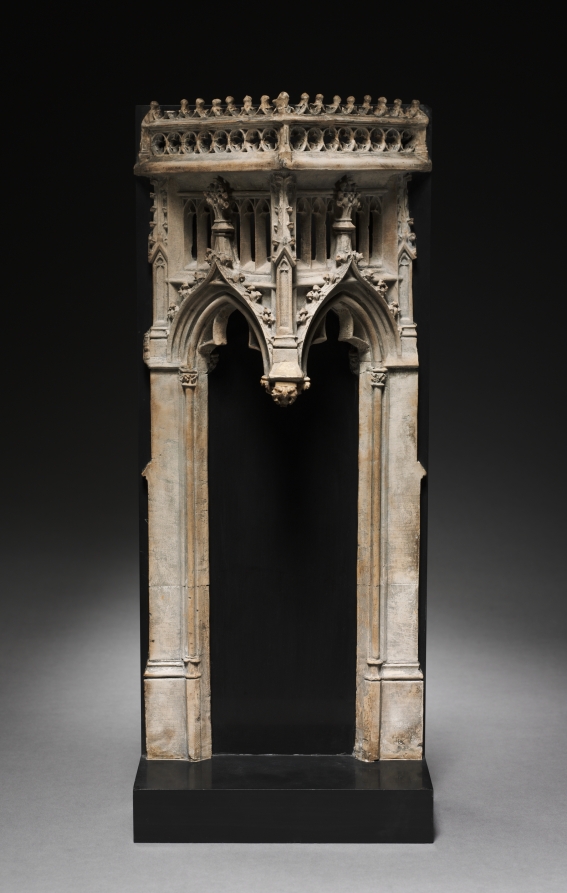
Architectural Canopy at the Cleveland Museum of Art: c. 1450–75, limestone from Tonnerre. Explore the work's context, creator attribution and collection history.
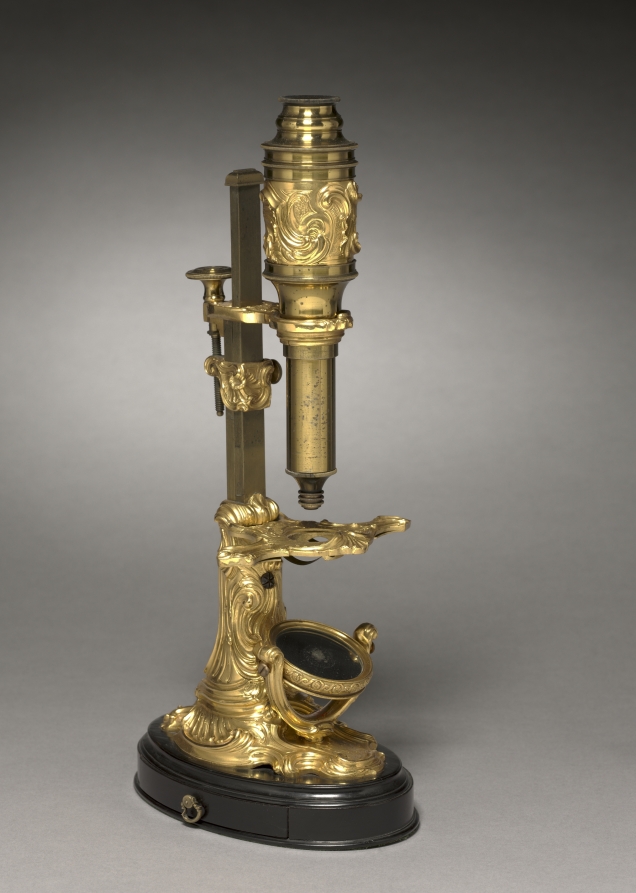
Microscope at the Cleveland Museum of Art: c. 1745– 1765, gilt bronze mounts. Explore the work's context, creator attribution and collection history.
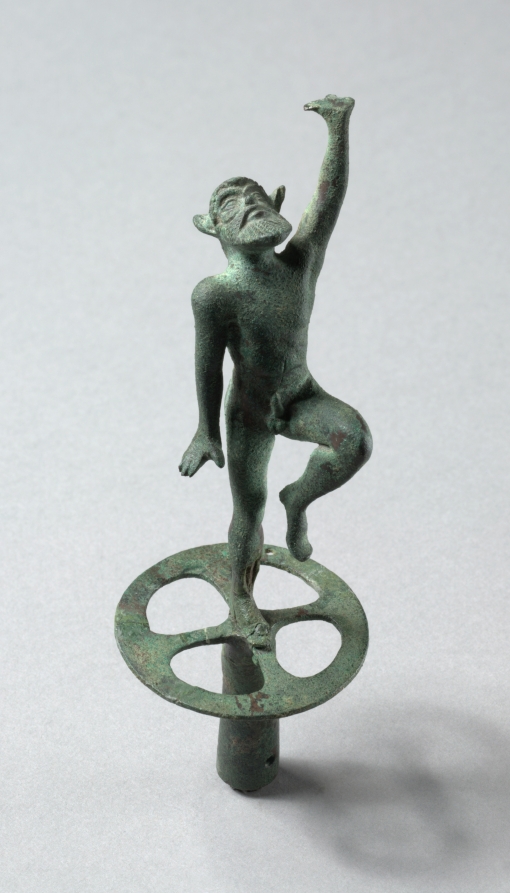
Kottabos Element of a Dancing Satyr at the Cleveland Museum of Art: 470–450 BCE, bronze. Explore the work's context, creator attribution and collection history.
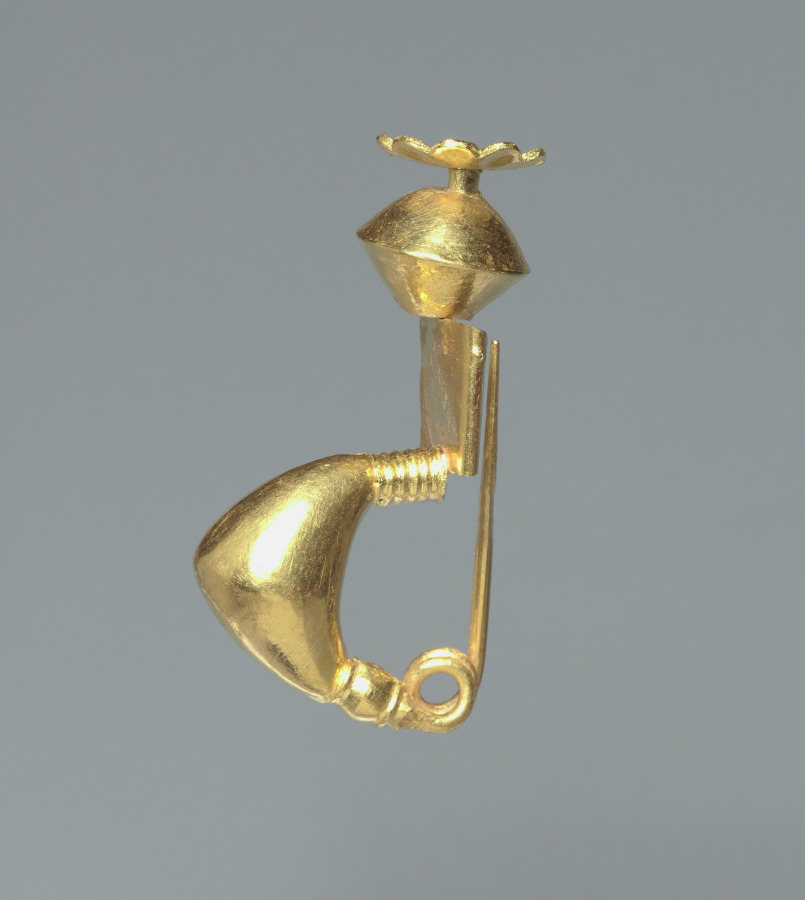
Fibula (Pin) at the Cleveland Museum of Art: 300s BCE, gold. Explore the work's context, creator attribution and collection history.

View from My Window in Rome (recto) Soldier in a Landscape (verso) at the Cleveland Museum of Art: c. 1817, graphite and pen and gray ink, framing lines in pen and black ink and graphite. Explore the work's context, creator attribution and