Ballgame Thin Stone Head (Hacha) (600–900): Art, History and Details
Ballgame Thin Stone Head (Hacha) at the Cleveland Museum of Art: 600–900, stone, pigment. Explore the work's context, creator attribution and collection history.
Oldest entries first, in a fixed order. Newly added articles appear at the end. Explore a shuffled selection →
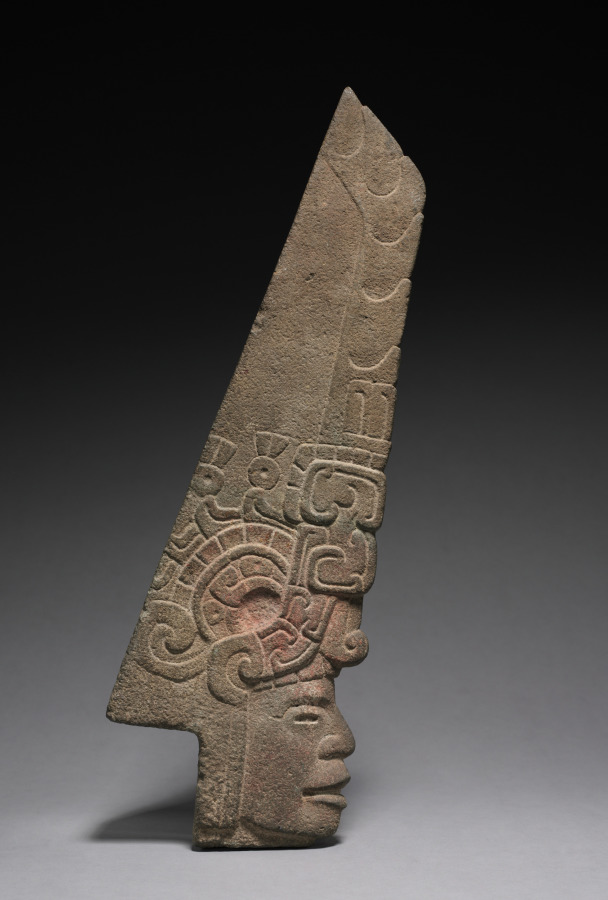
Ballgame Thin Stone Head (Hacha) at the Cleveland Museum of Art: 600–900, stone, pigment. Explore the work's context, creator attribution and collection history.
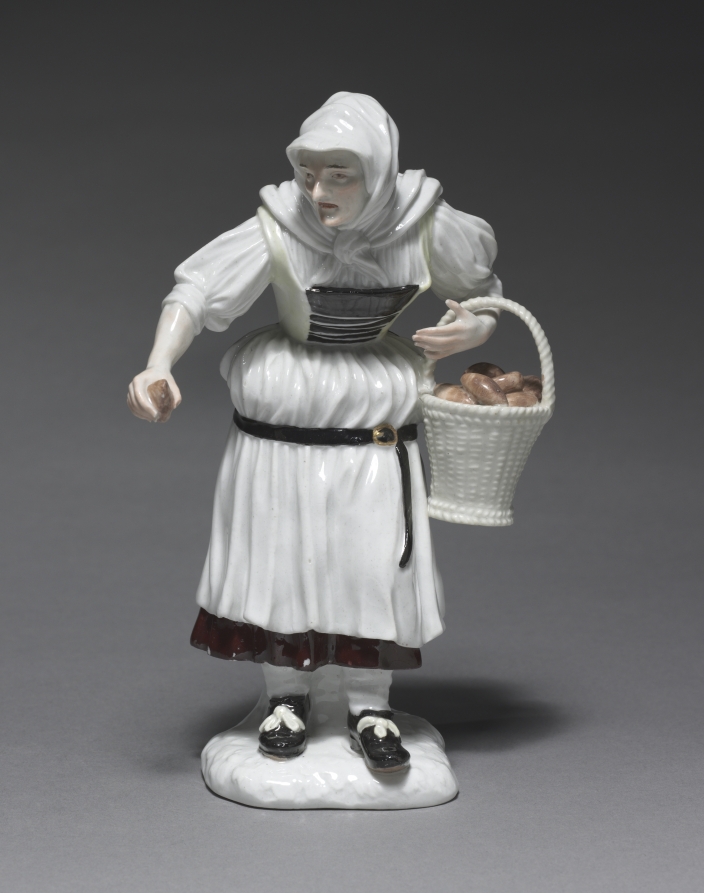
Peasant Woman at the Cleveland Museum of Art: 1740–1750, porcelain with enamel decoration. Explore the work's context, creator attribution and collection history.

Vase at the Cleveland Museum of Art: 1900, silver. Explore the work's context, creator attribution and collection history.
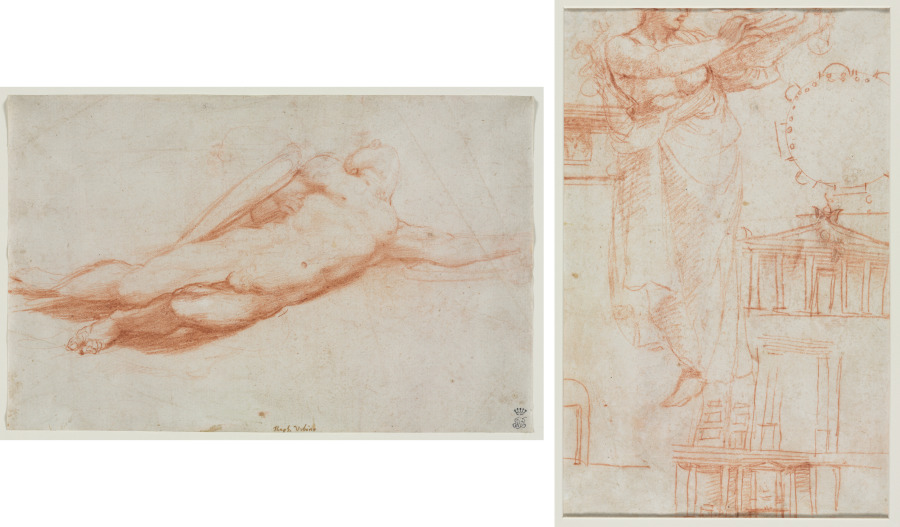
Study of a Fallen Soldier (possibly the Conversion of Saul) (recto); A Draped Female Figure (possibly an Amazon) and Architectural Studies (verso) at the Cleveland Museum of Art: c. 1525, red chalk. Explore the work's context, creator attri

Study of a Fallen Soldier (possibly the Conversion of Saul) (recto) at the Cleveland Museum of Art: c. 1525, red chalk. Explore the work's context, creator attribution and collection history.

A Draped Female Figure (possibly an Amazon) and Architectural Studies (verso) at the Cleveland Museum of Art: c. 1525, red chalk. Explore the work's context, creator attribution and collection history.

Daedalic Pendant with Potnia Theron (Mistress of the Animals) at the Cleveland Museum of Art: 650–600 BCE, gold and glass-like substance. Explore the work's context, creator attribution and collection history.
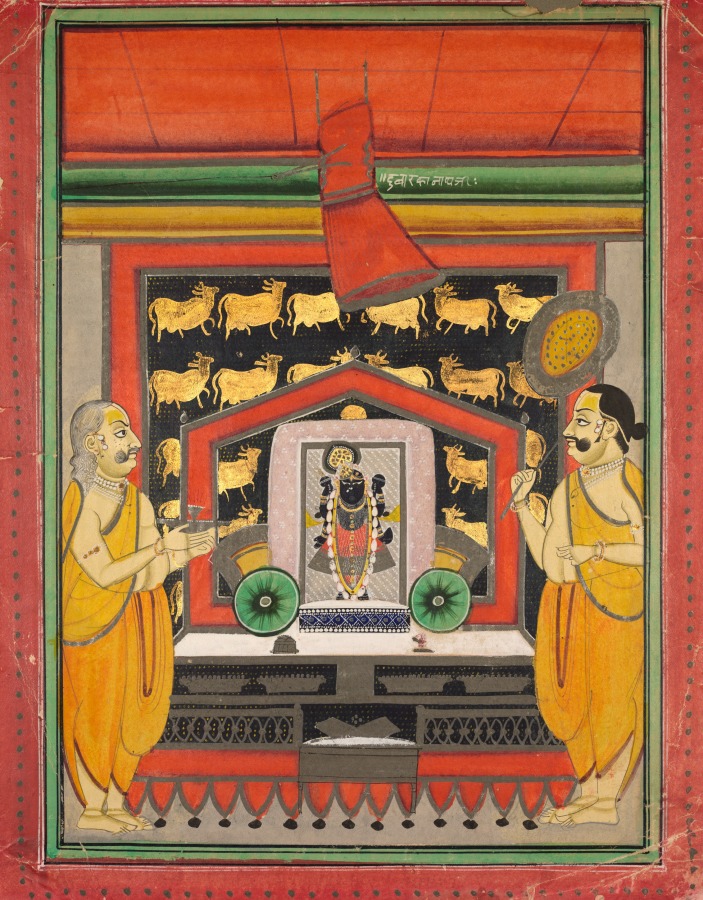
Worship of Dvaraka Nathji at Kankroli at the Cleveland Museum of Art: c. 1880, Gum tempera and gold on paper. Explore the work's context, creator attribution and collection history.
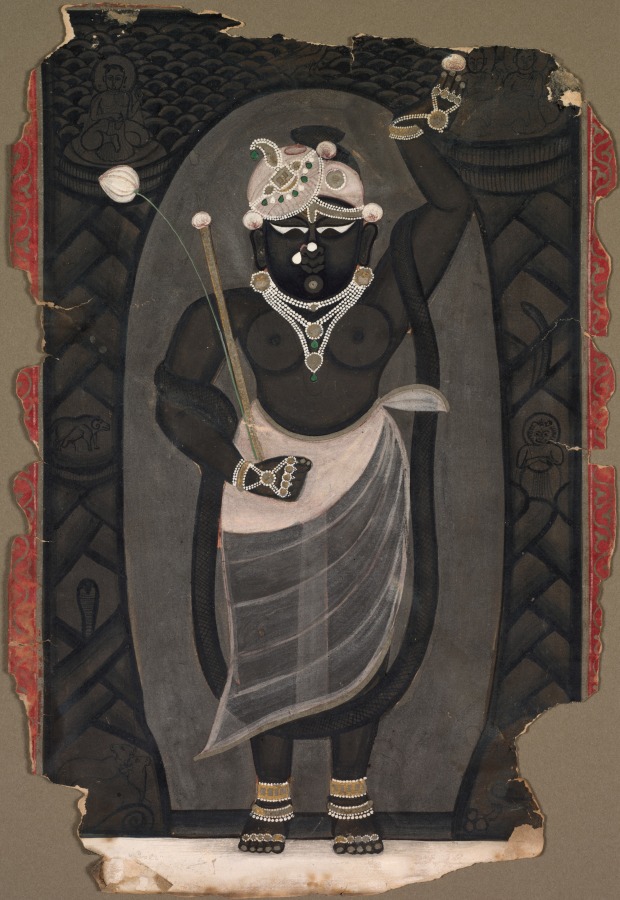
Sri Nathaji at the Cleveland Museum of Art: c. 1900, Gum tempera on paper. Explore the work's context, creator attribution and collection history.
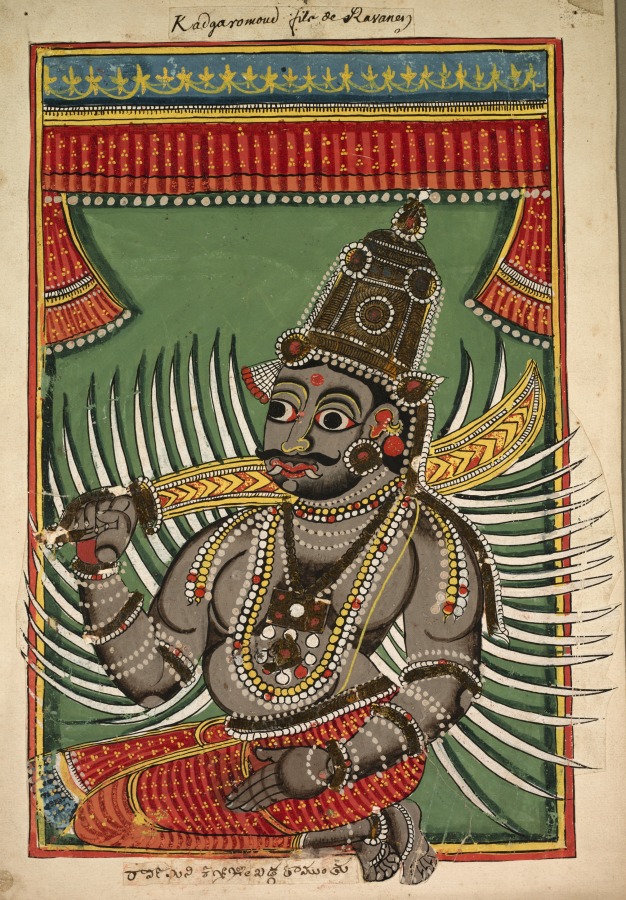
Khadgaroma, Son of Ravana at the Cleveland Museum of Art: c. 1720, Gum tempera, ink, and hand-colored silver paper appliqué on paper. Explore the work's context, creator attribution and collection history.
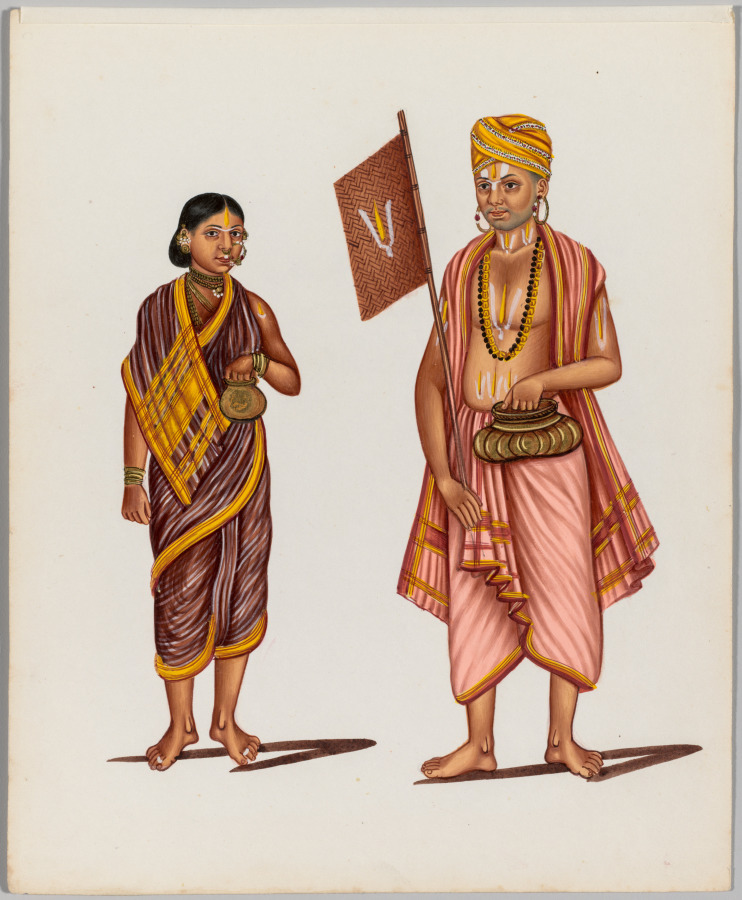
A Couple (from the series Costumes and Professions) at the Cleveland Museum of Art: mid-1800s, Gum tempera, ink, and gold on paper. Explore the work's context, creator attribution and collection history.
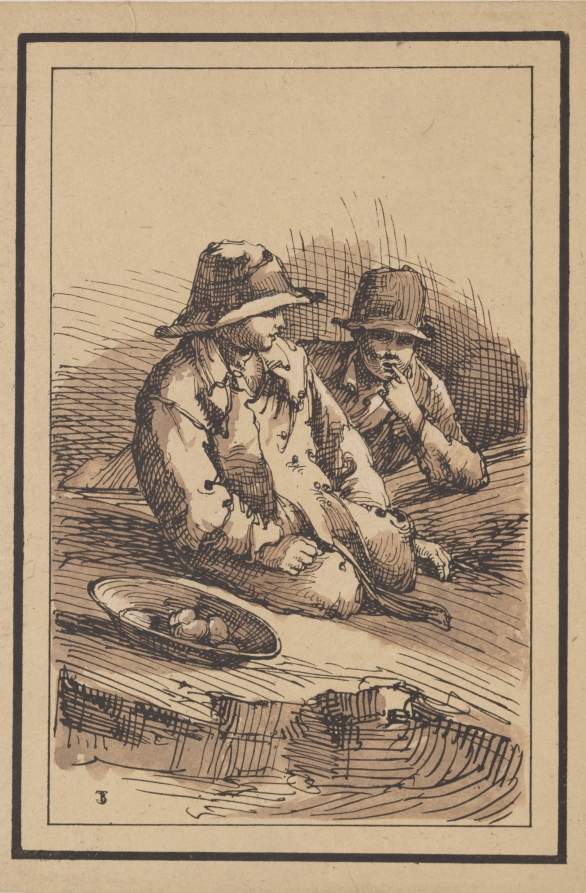
Rustic Figures: Two Boys at the Cleveland Museum of Art: 1801, lithograph hand-colored with brown wash. Explore the work's context, creator attribution and collection history.
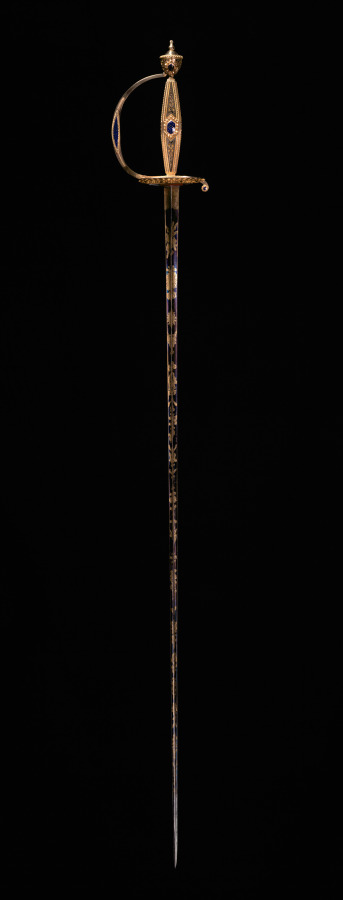
Small-Sword at the Cleveland Museum of Art: c. 1790–1800, hilt: gold with blue translucent enamel; blade: etched, blued and gilded steel. Explore the work's context, creator attribution and collection history.
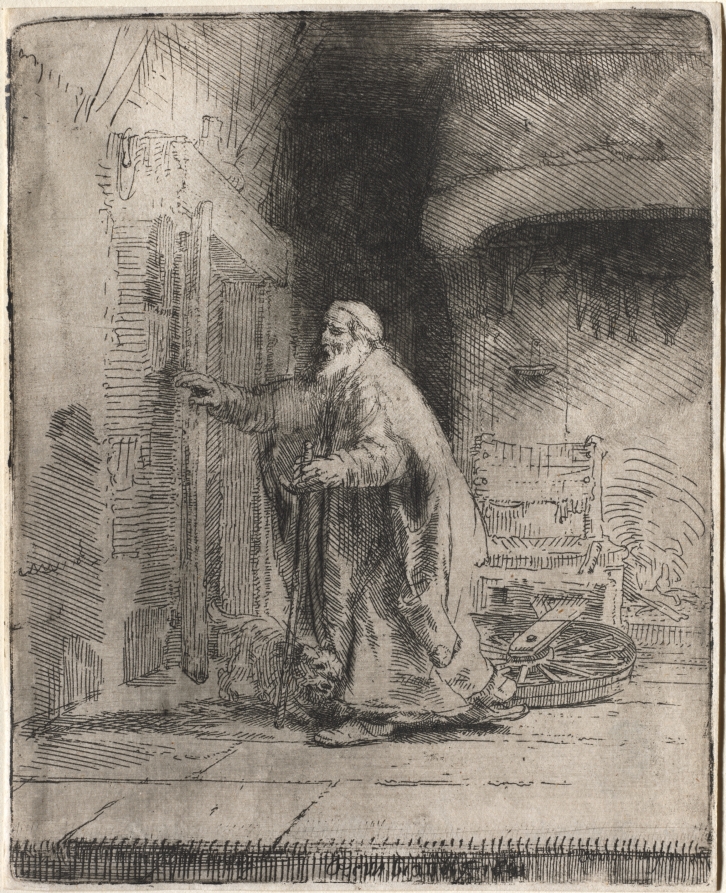
The Blindness of Tobit: The Large Plate at the Cleveland Museum of Art: 1651, etching and drypoint. Explore the work's context, creator attribution and collection history.
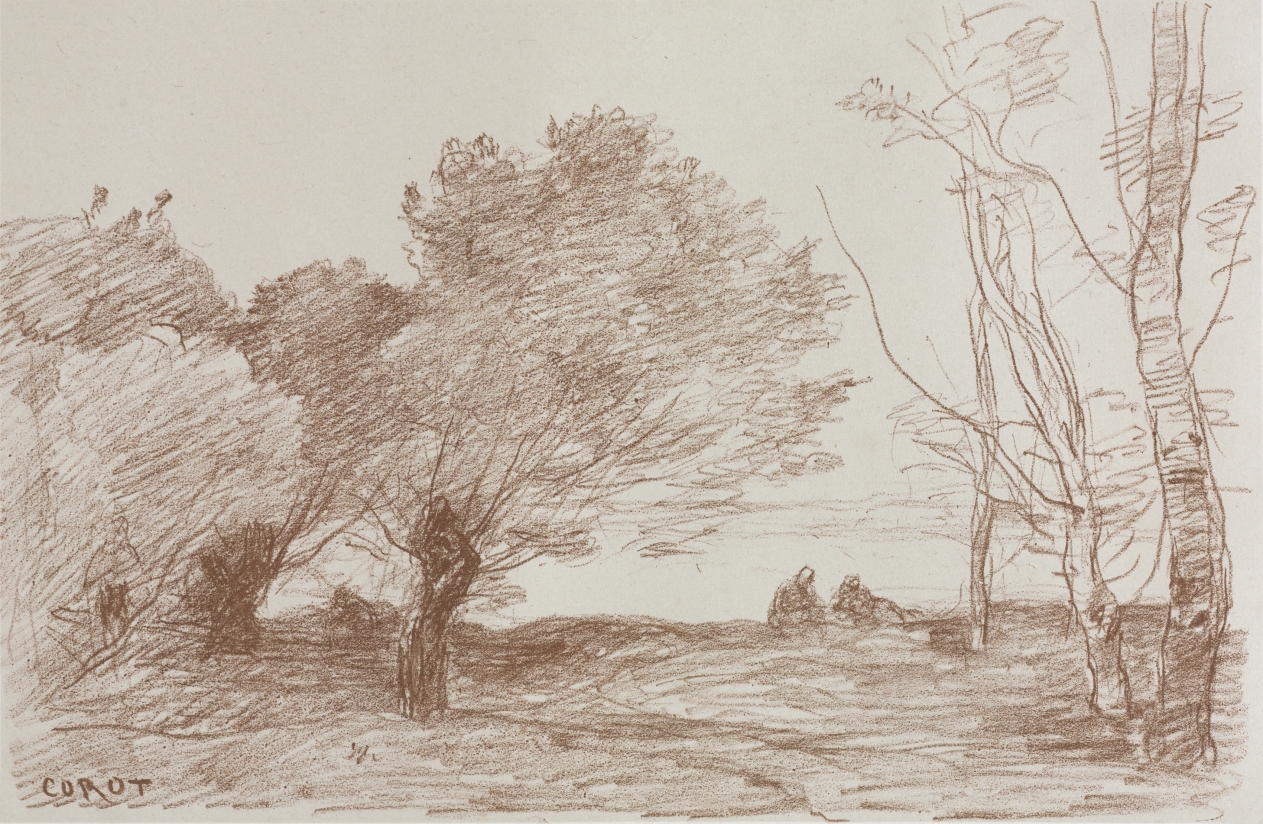
Willows and Poplars at the Cleveland Museum of Art: 1871, lithograph with chine collé. Explore the work's context, creator attribution and collection history.

Vase at the Cleveland Museum of Art: c. 1903, porcelain with colored glazes and gilding. Explore the work's context, creator attribution and collection history.
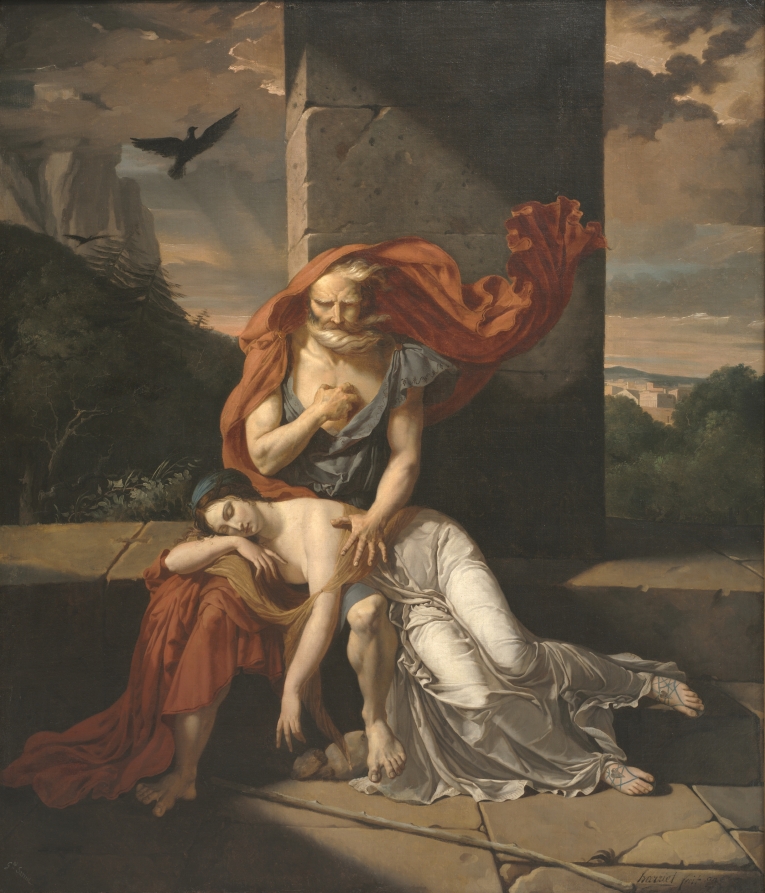
Oedipus at Colonus at the Cleveland Museum of Art: 1798, oil on canvas. Explore the work's context, creator attribution and collection history.
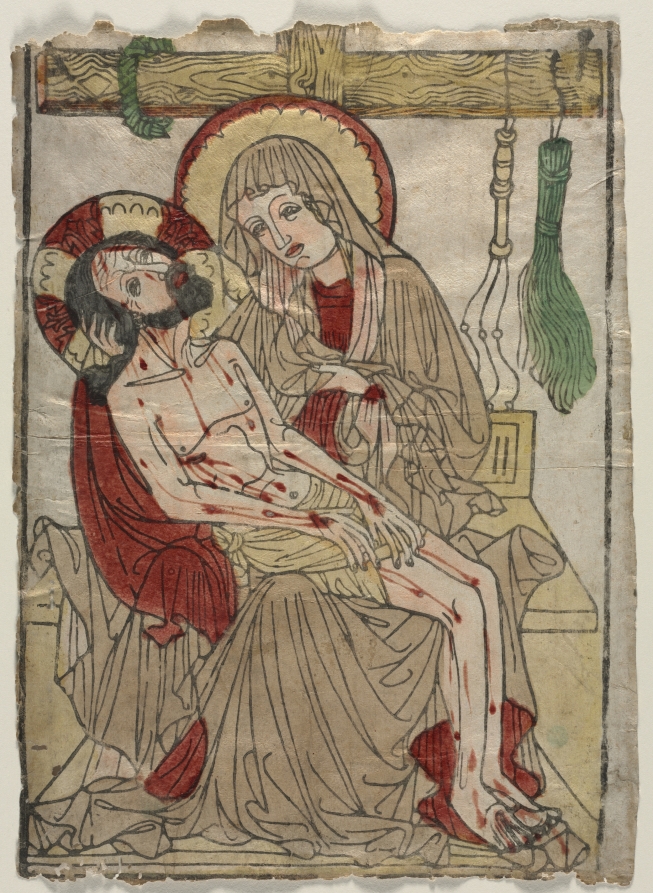
Pietà at the Cleveland Museum of Art: c. 1460, woodcut, hand colored with watercolor. Explore the work's context, creator attribution and collection history.

Mirror with Jade Disk Inset at the Cleveland Museum of Art: 475 BCE–9 CE, bronze with nephrite and turquoise. Explore the work's context, creator attribution and collection history.
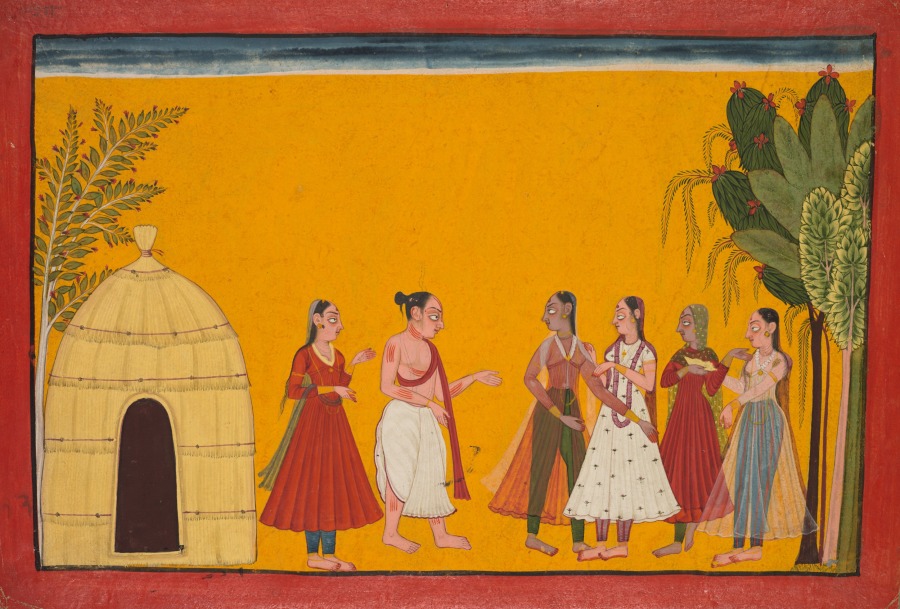
Rishyashringa addresses the courtesans, from the "Shangri" Ramayana at the Cleveland Museum of Art: c. 1700–1725, Gum tempera and ink on paper. Explore the work's context, creator attribution and collection history.
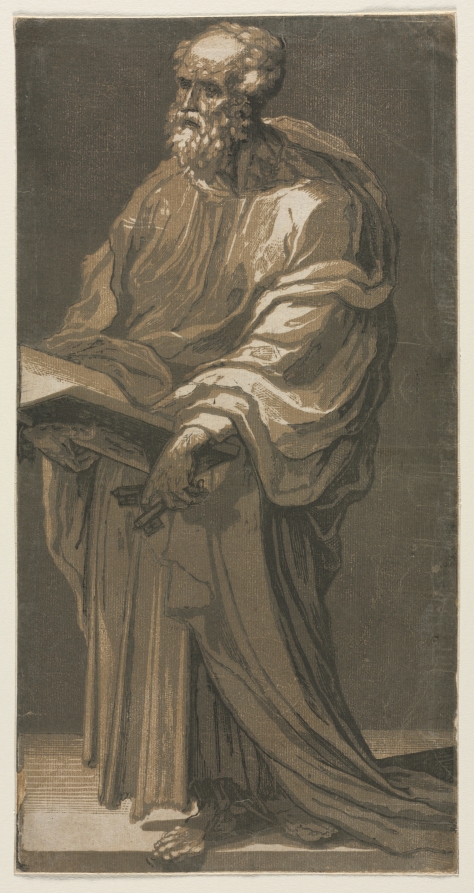
Saint Peter at the Cleveland Museum of Art: c. 1547, chiaroscuro woodcut printed in four shades of brown. Explore the work's context, creator attribution and collection history.
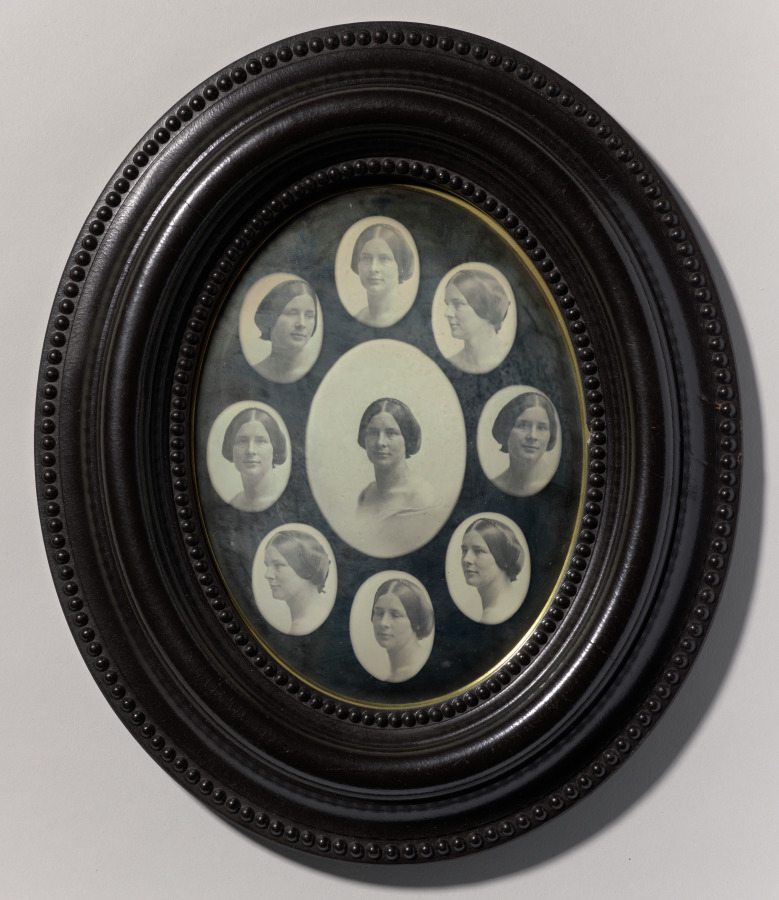
Medallion Portrait of a Woman at the Cleveland Museum of Art: c. 1850, daguerreotype, whole-plate. Explore the work's context, creator attribution and collection history.
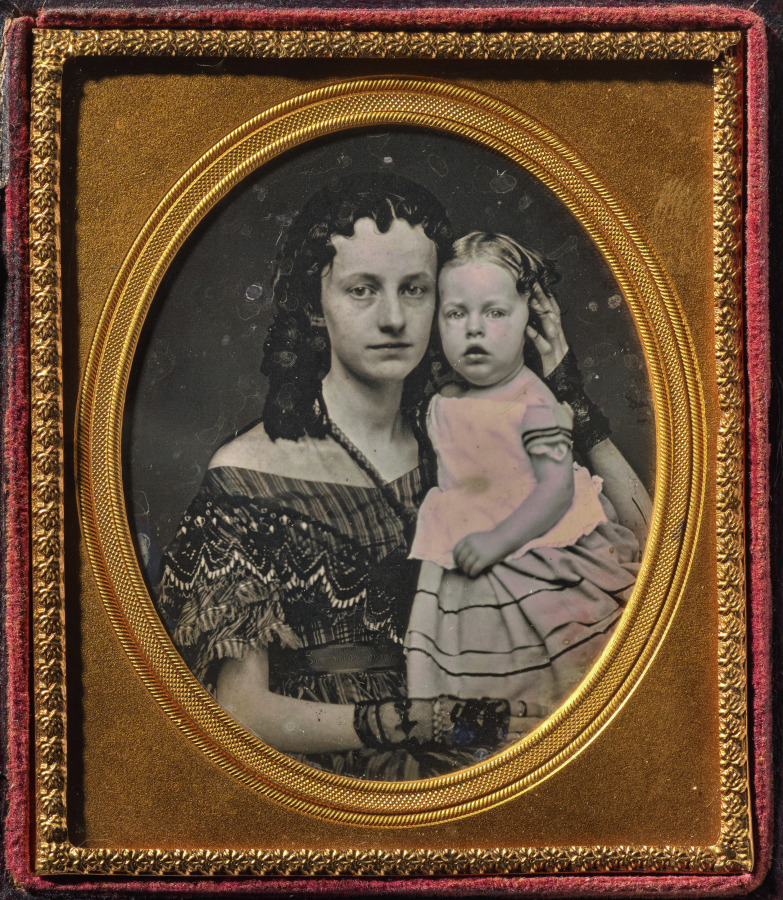
Mother and Child at the Cleveland Museum of Art: c. 1860–65, daguerreotype, applied color, sixth-plate. Explore the work's context, creator attribution and collection history.

Two Children with Toys at the Cleveland Museum of Art: c. 1855, daguerreotype, quarter-plate. Explore the work's context, creator attribution and collection history.

Child with Drum at the Cleveland Museum of Art: 1850s, daguerreotype, quarter-plate. Explore the work's context, creator attribution and collection history.

Francis Wayland Sherman at the Age of 2 Years 10 Months at the Cleveland Museum of Art: 1862, albumen print from wet collodion negative. Explore the work's context, creator attribution and collection history.

Dead Child On a Sofa at the Cleveland Museum of Art: c. 1855, daguerreotype, applied color, quarter-plate. Explore the work's context, creator attribution and collection history.
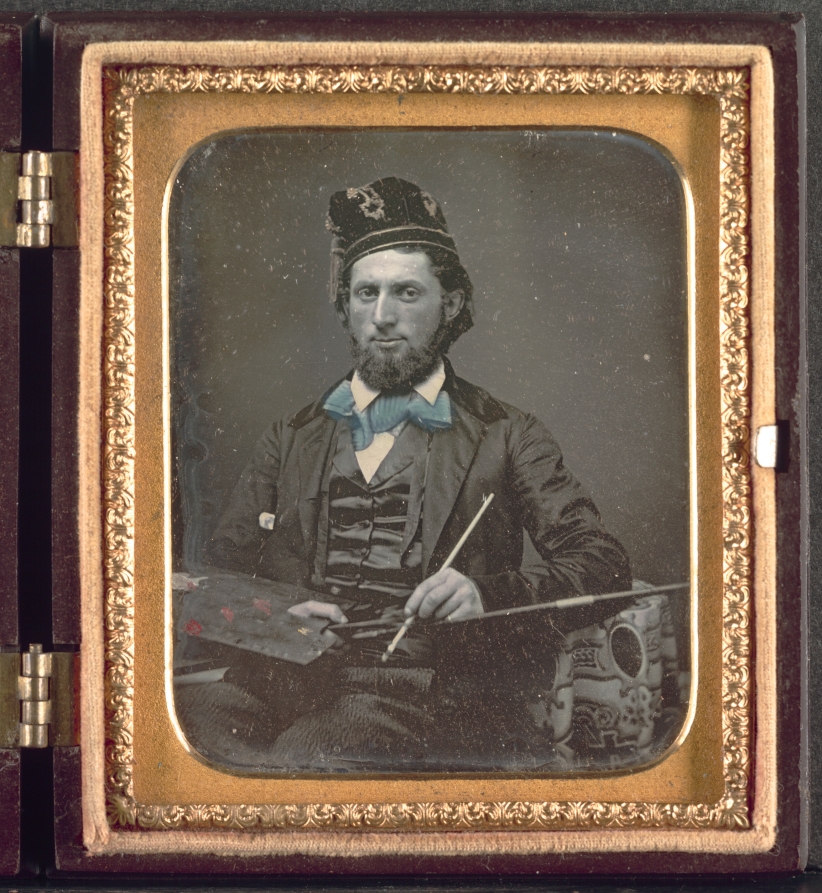
Artist with His Palette and Brushes at the Cleveland Museum of Art: c. 1855, daguerreotype, sixth-plate. Explore the work's context, creator attribution and collection history.
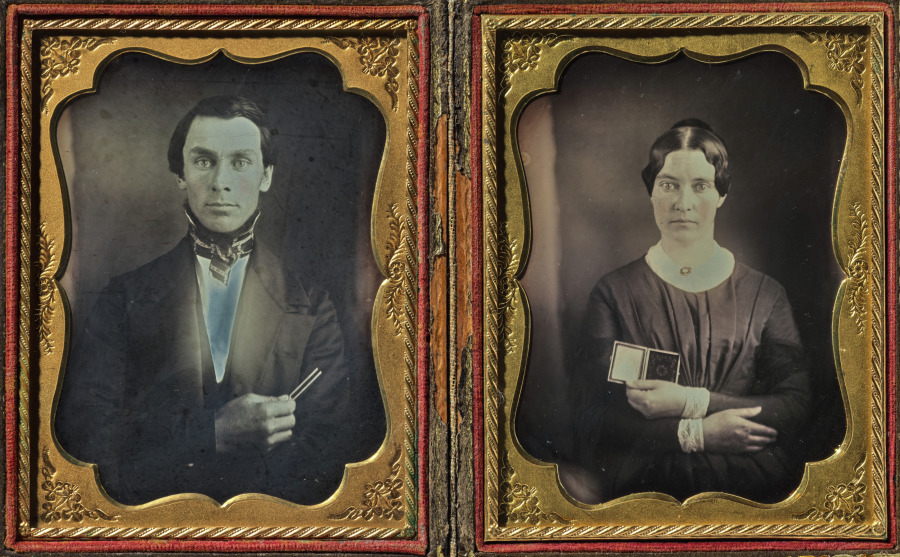
The Music Teacher and His Wife at the Cleveland Museum of Art: c. 1850s, daguerreotype, applied color, quarter-plate. Explore the work's context, creator attribution and collection history.

Mrs. John R. Johnston at the Cleveland Museum of Art: before 1857, salted paper print from wet collodion negative. Explore the work's context, creator attribution and collection history.
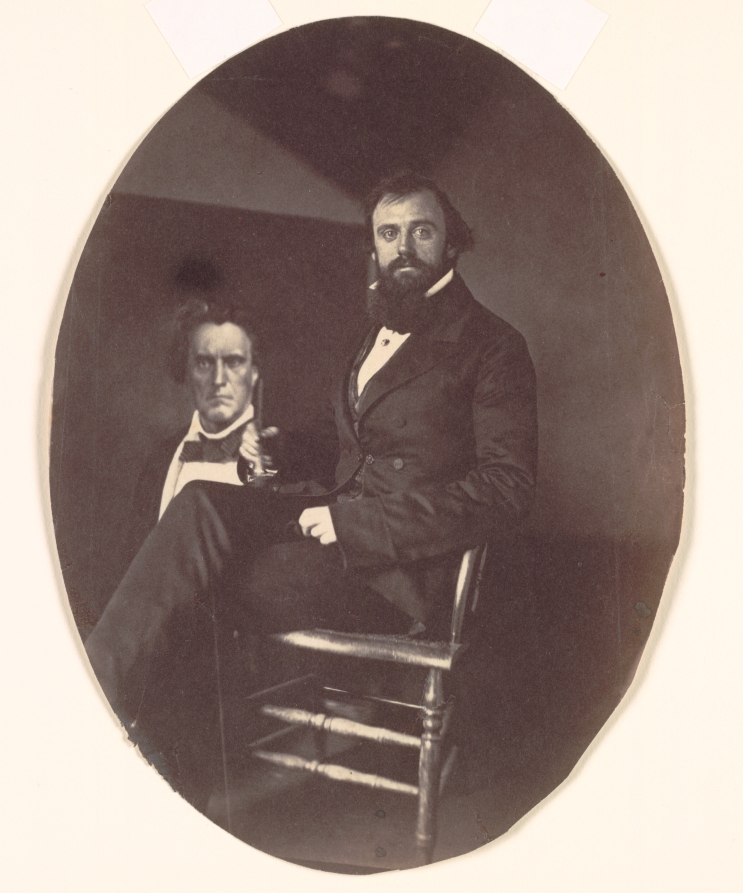
John R. Johnston with Painting at the Cleveland Museum of Art: late 1850s, salted paper print from wet collodion negative. Explore the work's context, creator attribution and collection history.
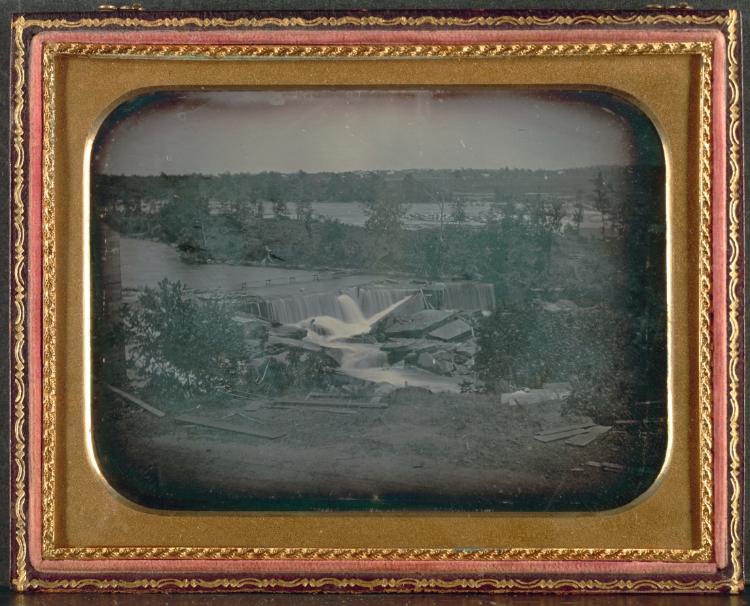
St. Anthony Falls from Across the River at the Cleveland Museum of Art: c. 1853–54, daguerreotype, half-plate. Explore the work's context, creator attribution and collection history.
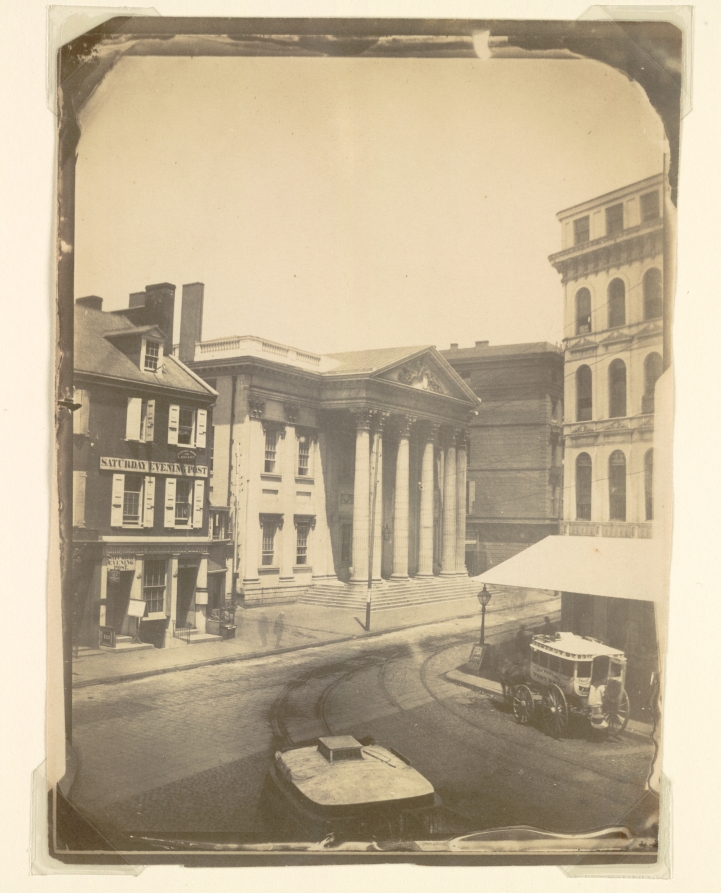
First Bank of the United States, Philadelphia at the Cleveland Museum of Art: 1859, salted paper print from wet collodion negative. Explore the work's context, creator attribution and collection history.
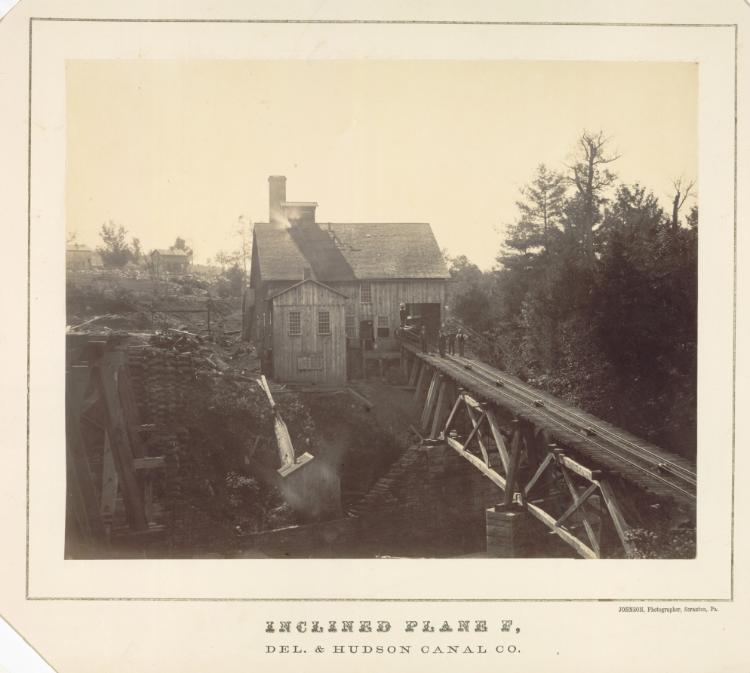
Inclined Plane F, Delaware and Hudson Canal Co. at the Cleveland Museum of Art: c. 1860, albumen print from wet collodion negative. Explore the work's context, creator attribution and collection history.
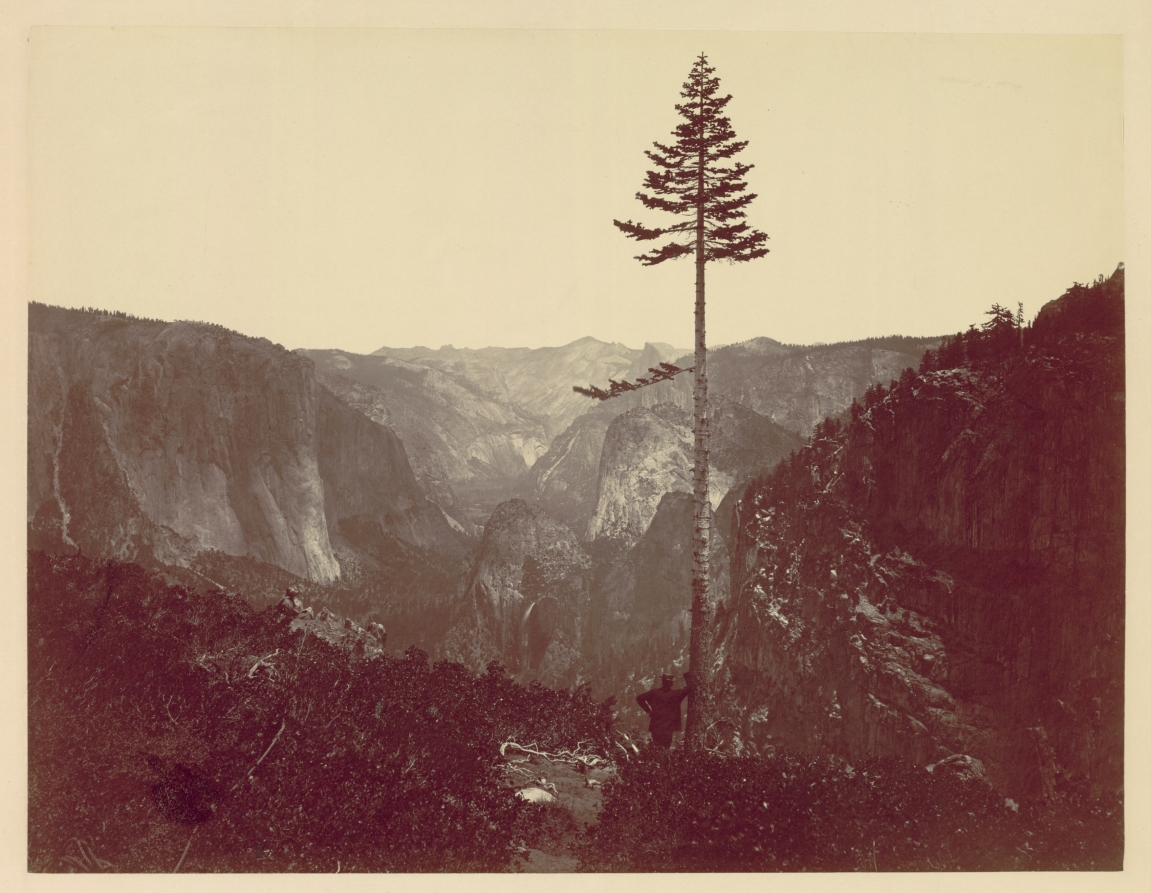
Yosemite Valley from Mariposa Trail at the Cleveland Museum of Art: c. 1865, mammoth albumen print from wet collodion negative. Explore the work's context, creator attribution and collection history.
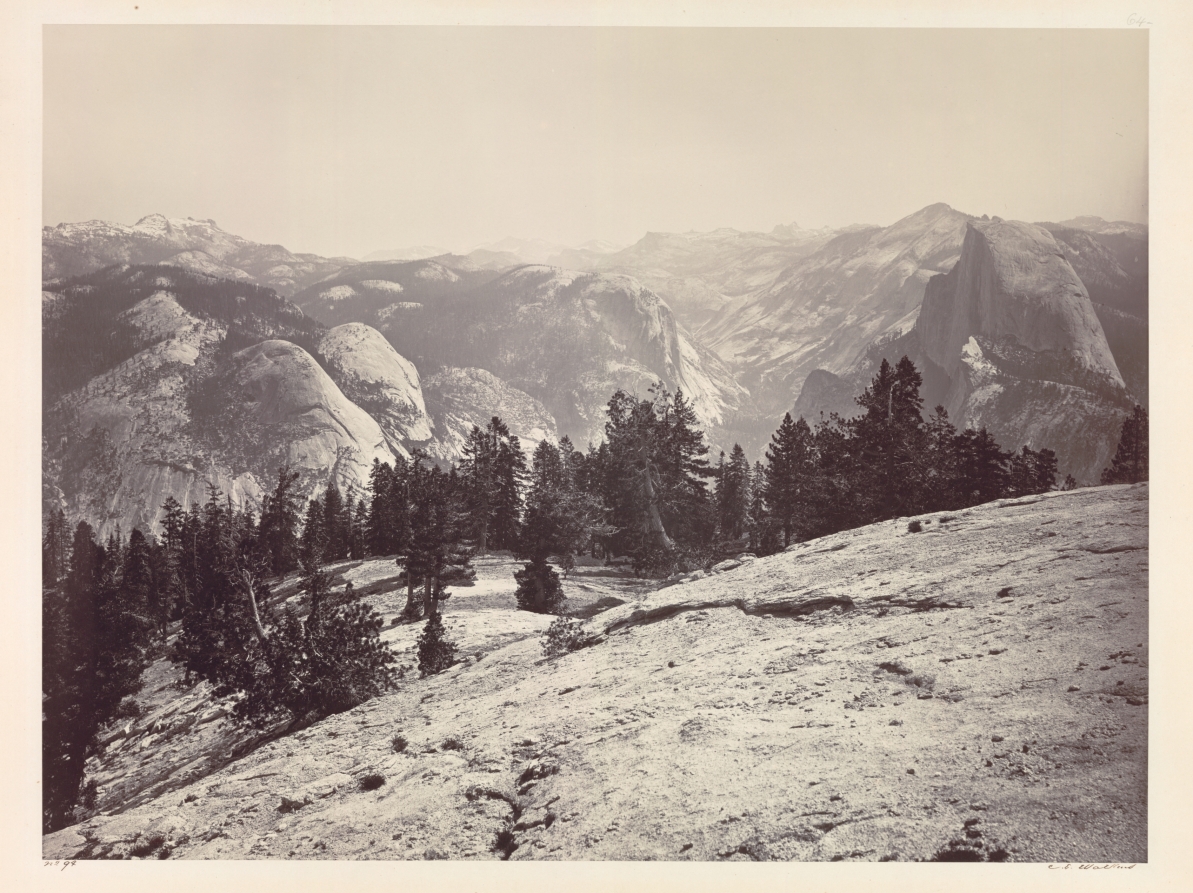
The Domes, from the Sentinel Domes, Yosemite at the Cleveland Museum of Art: c. 1865–1866, mammoth albumen print from wet collodion negative. Explore the work's context, creator attribution and collection history.
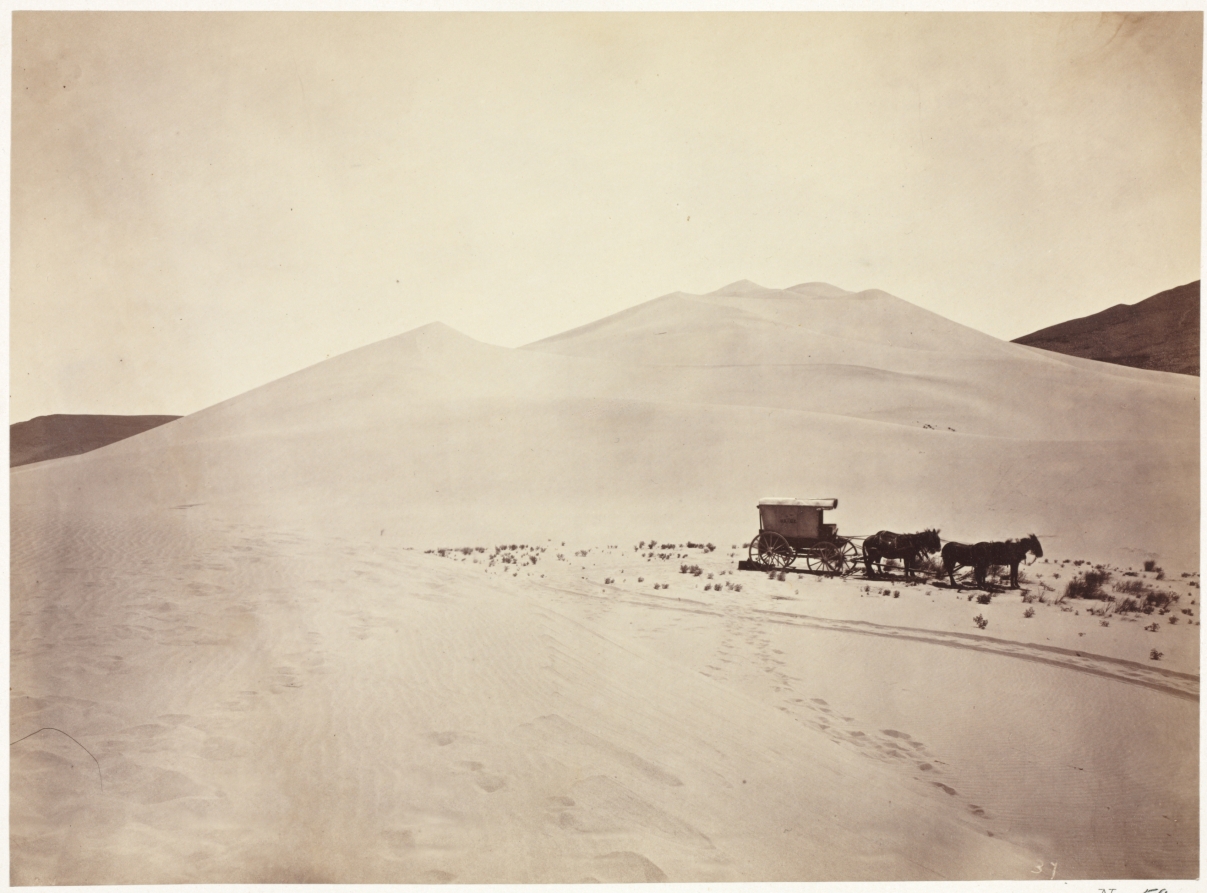
Sand Dunes, Carson Desert, Nevada at the Cleveland Museum of Art: 1867, albumen print from wet collodion negative. Explore the work's context, creator attribution and collection history.
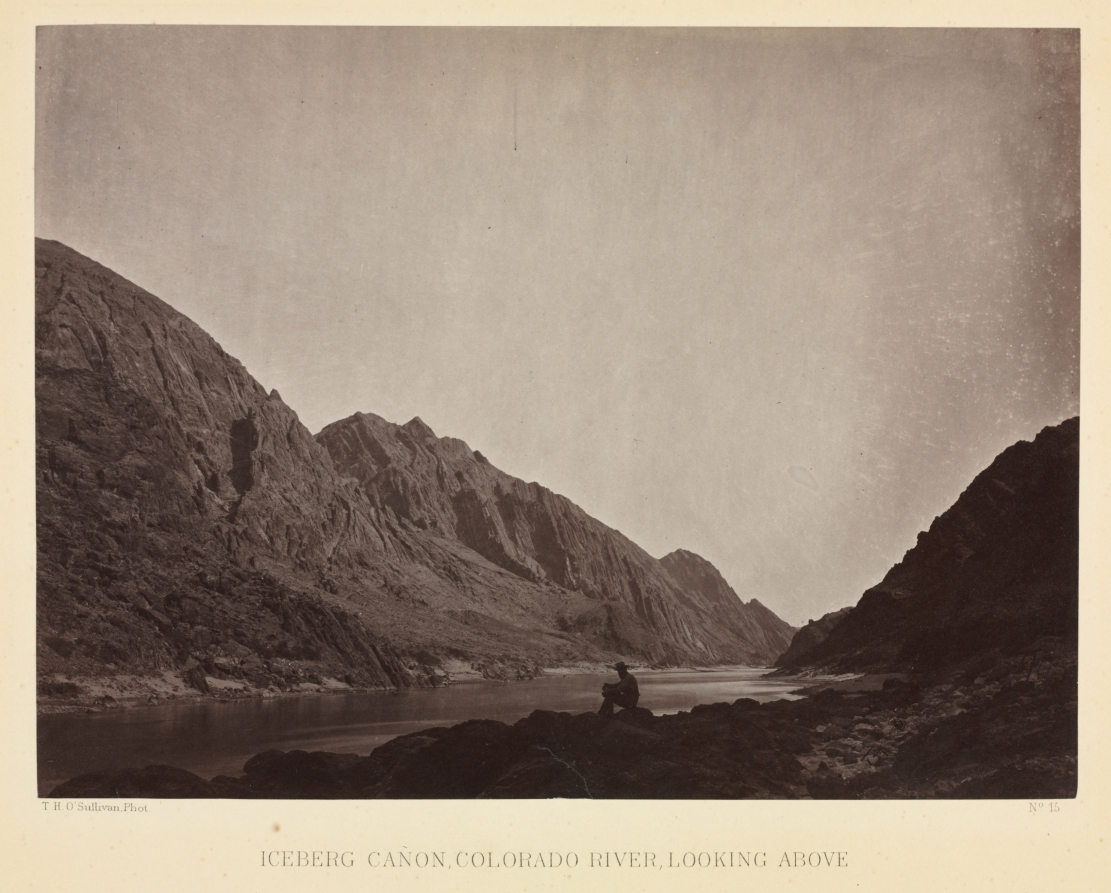
Iceberg Canyon, Colorado River Looking Above at the Cleveland Museum of Art: c. 1871, albumen print from wet collodion negative. Explore the work's context, creator attribution and collection history.
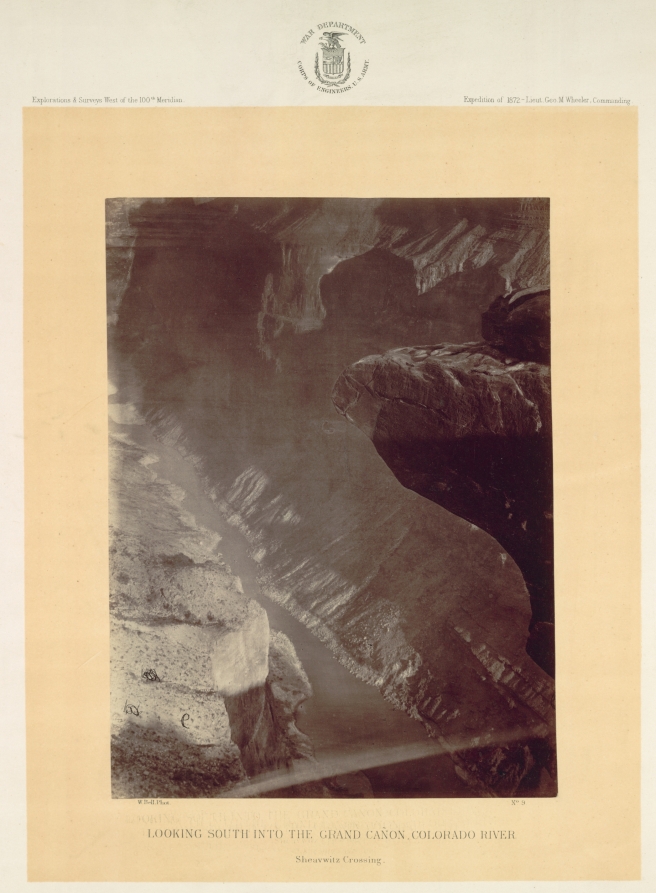
Looking South into the Grand Canyon, Colorado River, Sheavwitz at the Cleveland Museum of Art: 1872, albumen print from wet collodion negative. Explore the work's context, creator attribution and collection history.
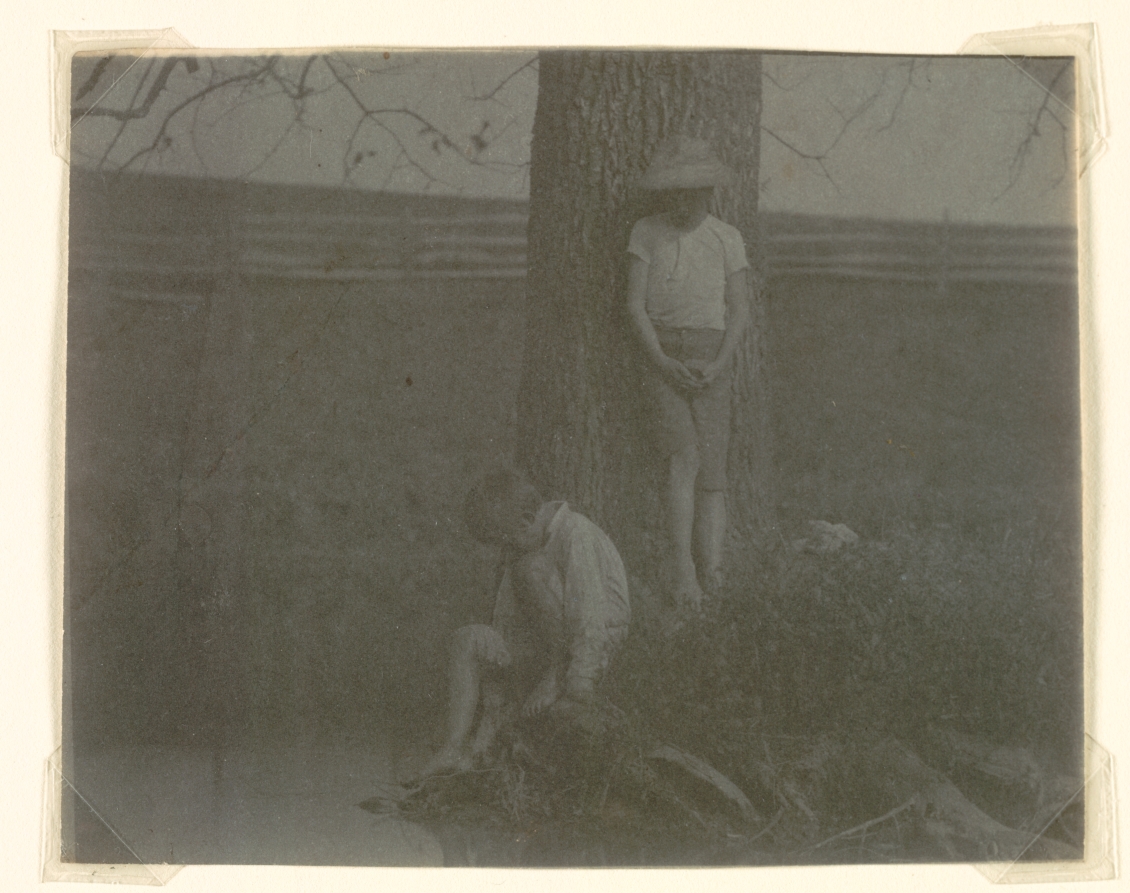
Crowell Children at Avondale at the Cleveland Museum of Art: 1885–1890, platinum print. Explore the work's context, creator attribution and collection history.