Spray of Flowers (c. 1774–1800): Art, History and Details
Spray of Flowers at the Cleveland Museum of Art: c. 1774–1800, chalk-manner etching. Explore the work's context, creator attribution and collection history.
Oldest entries first, in a fixed order. Newly added articles appear at the end. Explore a shuffled selection →
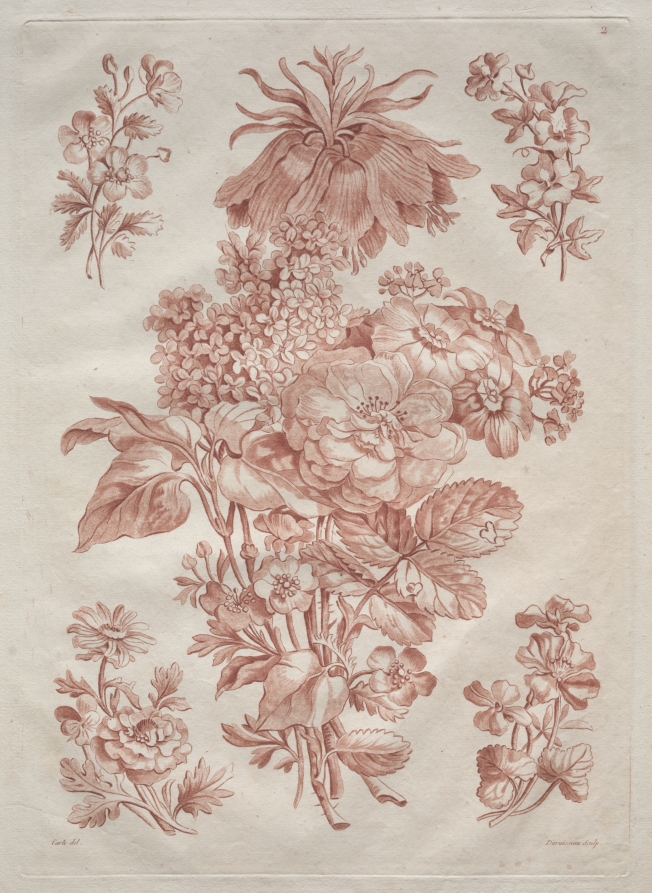
Spray of Flowers at the Cleveland Museum of Art: c. 1774–1800, chalk-manner etching. Explore the work's context, creator attribution and collection history.
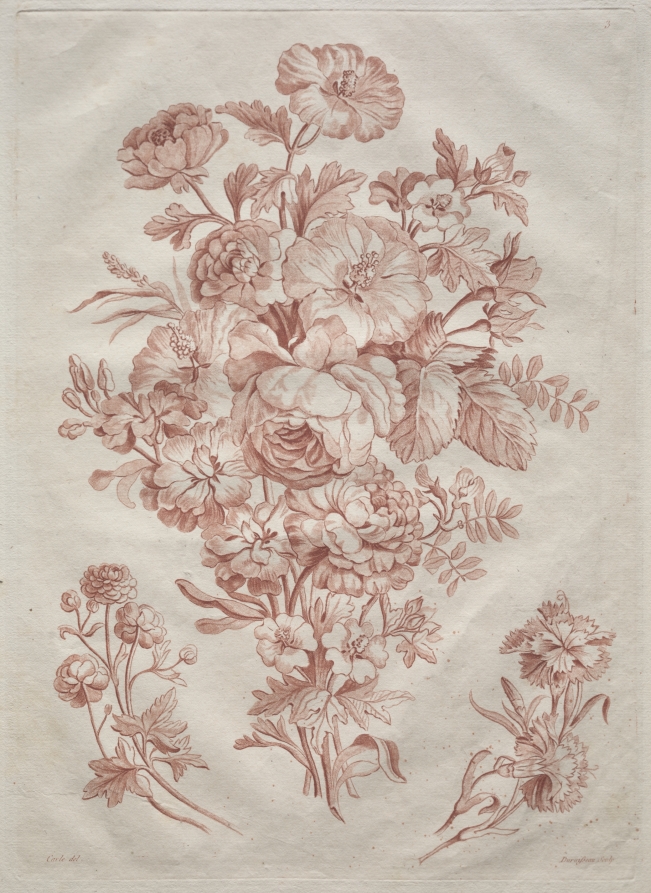
Spray of Flowers at the Cleveland Museum of Art: c. 1774–1800, crayon manner etching. Explore the work's context, creator attribution and collection history.
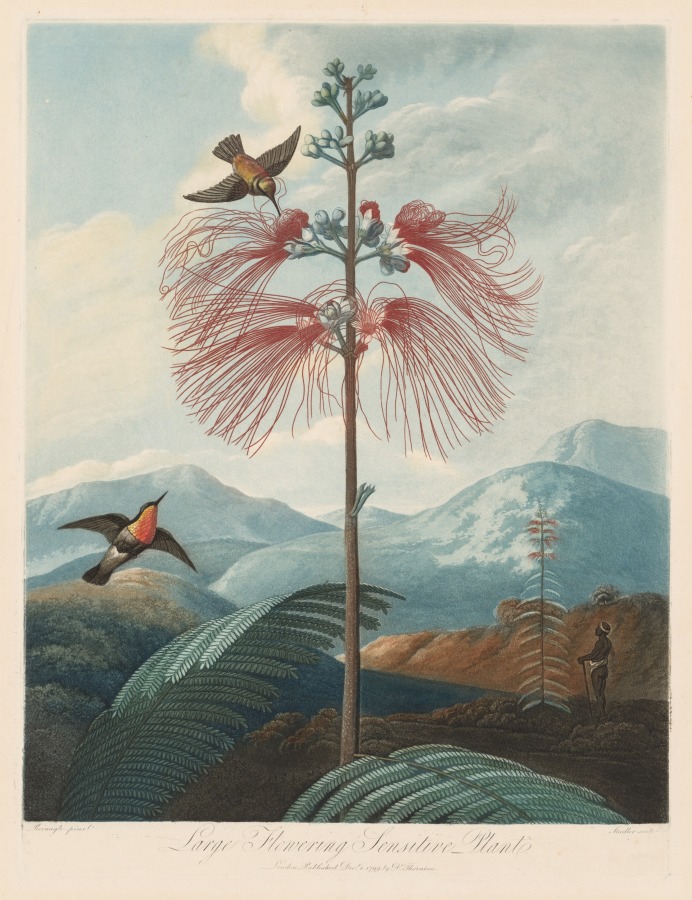
Large Flowering Sensitive Plant, Plate 16 at the Cleveland Museum of Art: 1799, Etching with printed and hand-applied color, aquatint, stipple, and engraving. Explore the work's context, creator attribution and collection history.
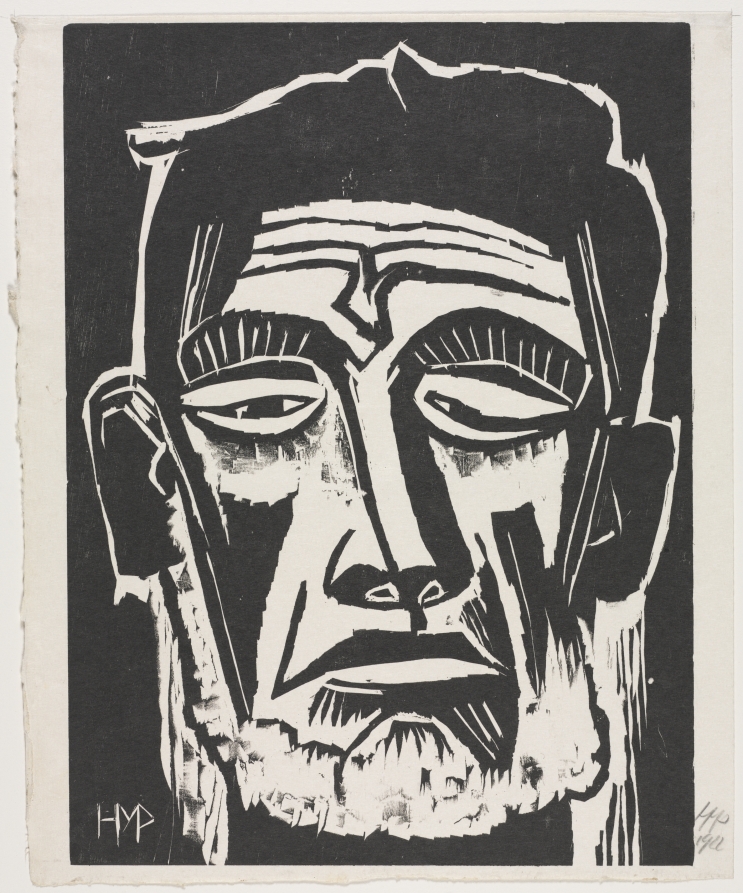
Head of a Fisherman at the Cleveland Museum of Art: 1922, woodcut. Explore the work's context, creator attribution and collection history.

Pierre Bonnard at the Cleveland Museum of Art: 1902, lithograph. Explore the work's context, creator attribution and collection history.
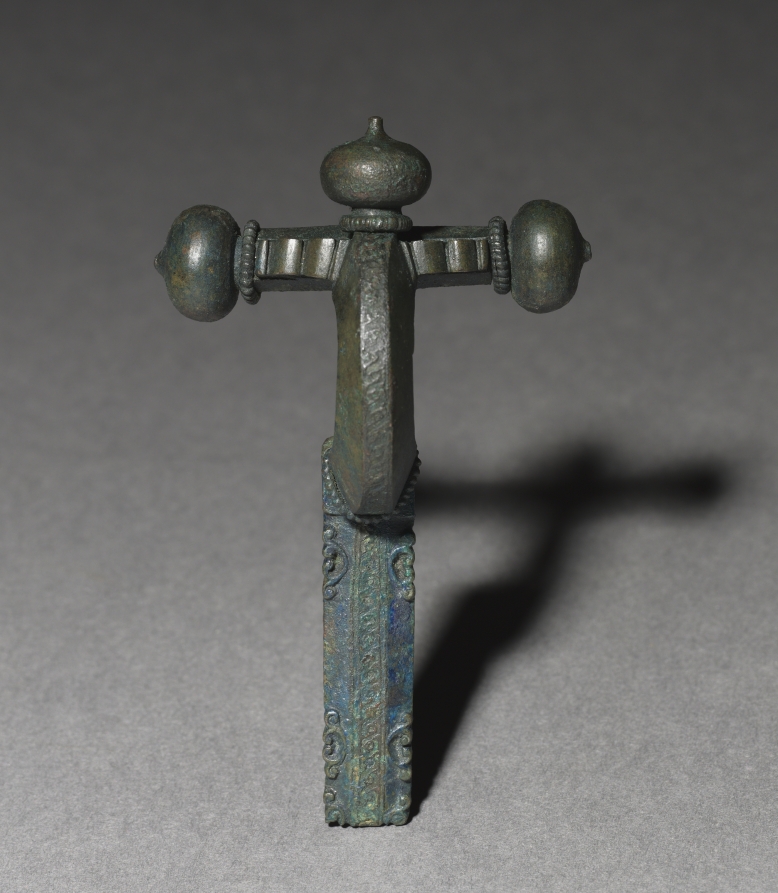
Crossbow Fibula at the Cleveland Museum of Art: c. 350–400, bronze, gilt-bronze, silver, and niello. Explore the work's context, creator attribution and collection history.
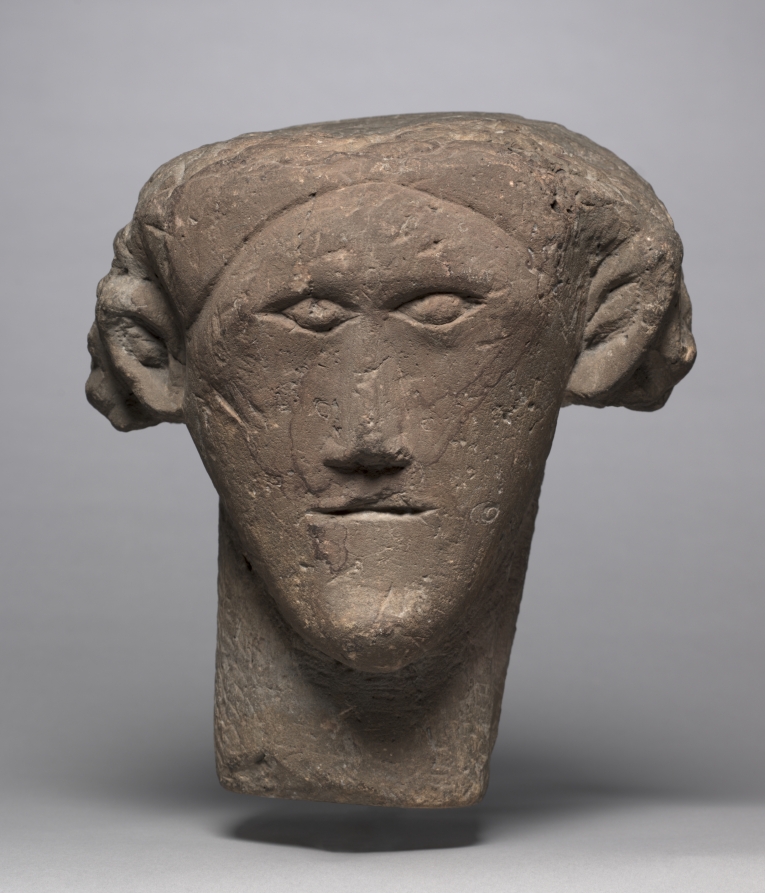
Celtic Head at the Cleveland Museum of Art: 100–300 CE, sandstone with traces of original red paint. Explore the work's context, creator attribution and collection history.
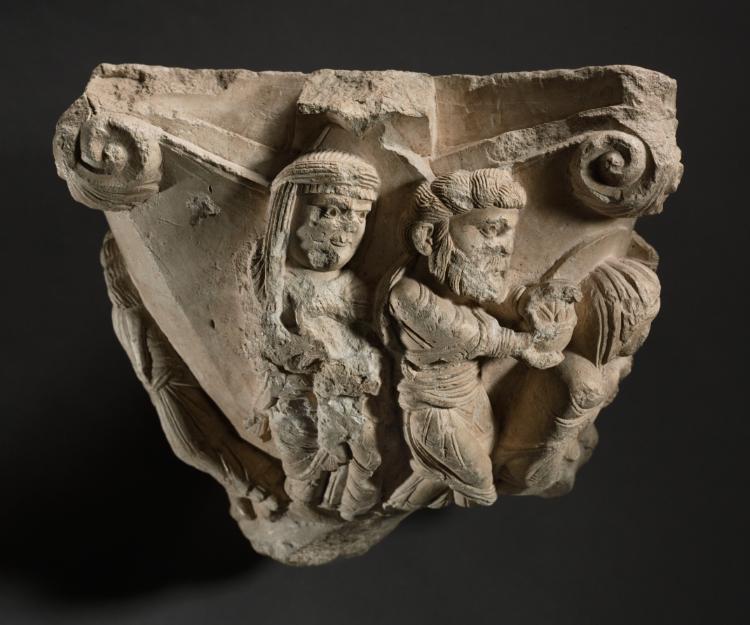
Fragment of a Capital with Scenes from Mary’s Infancy at the Cleveland Museum of Art: early 1100s, fine-grained limestone. Explore the work's context, creator attribution and collection history.

Paris Gate at the Cleveland Museum of Art: c. 1923, etching. Explore the work's context, creator attribution and collection history.
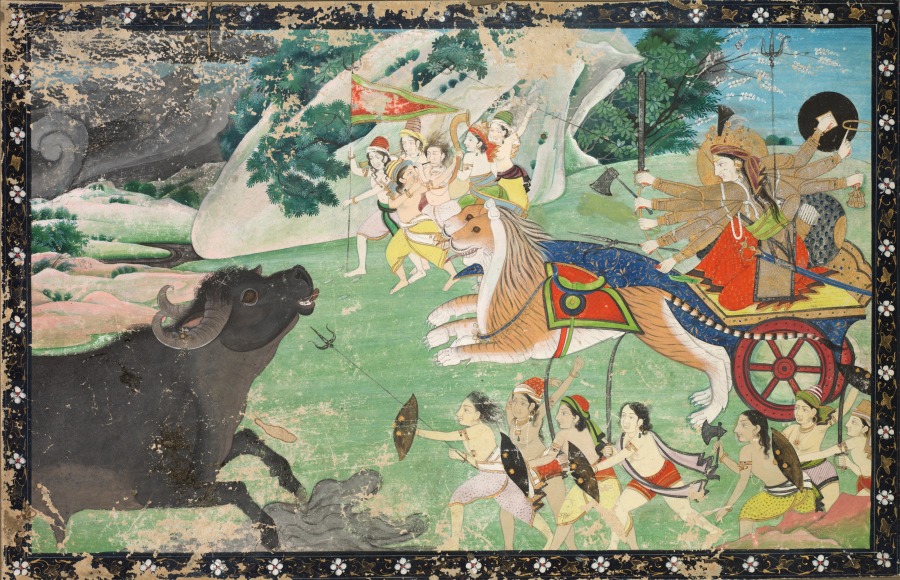
Durga Slaying Mahisha at the Cleveland Museum of Art: c. 1830, Gum tempera and gold on paper. Explore the work's context, creator attribution and collection history.
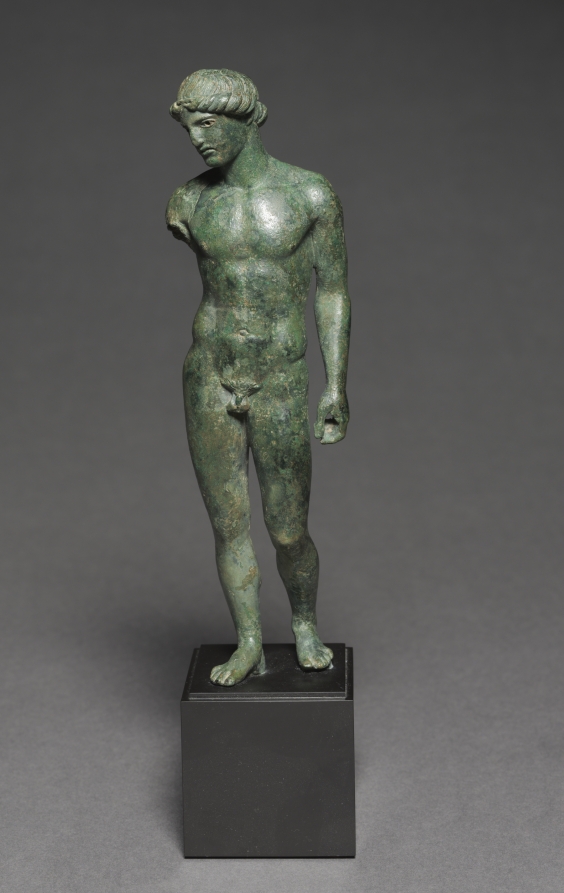
Athlete Making an Offering at the Cleveland Museum of Art: c. 450–425 BCE, bronze (hollow cast). Explore the work's context, creator attribution and collection history.
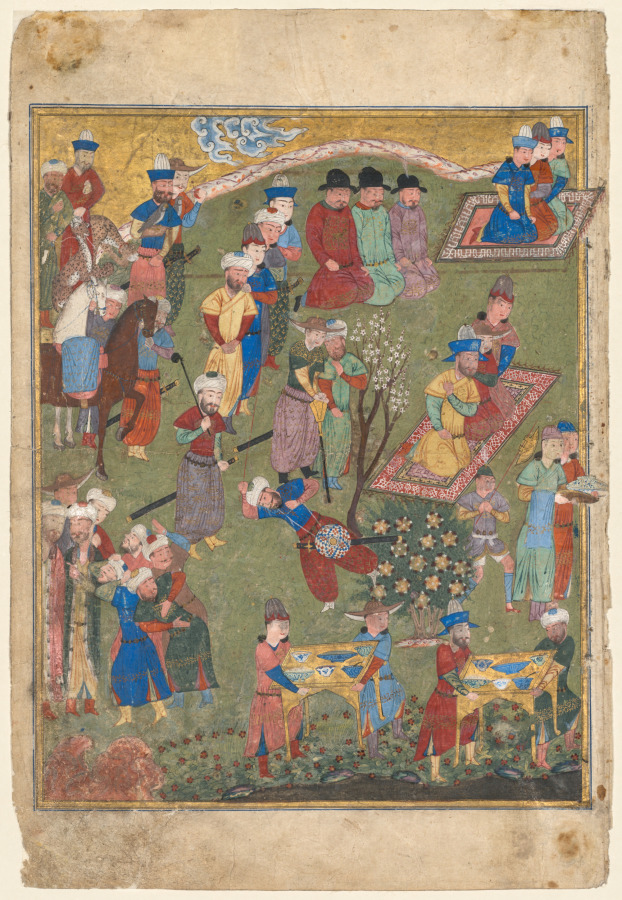
Royal Reception in a Landscape, left folio from the double frontispiece of a Shahnama (Book of Kings) of Firdausi (Persian, about 940–1019 or 1025) at the Cleveland Museum of Art: 1444, opaque watercolor, ink, gold and silver on paper. Expl
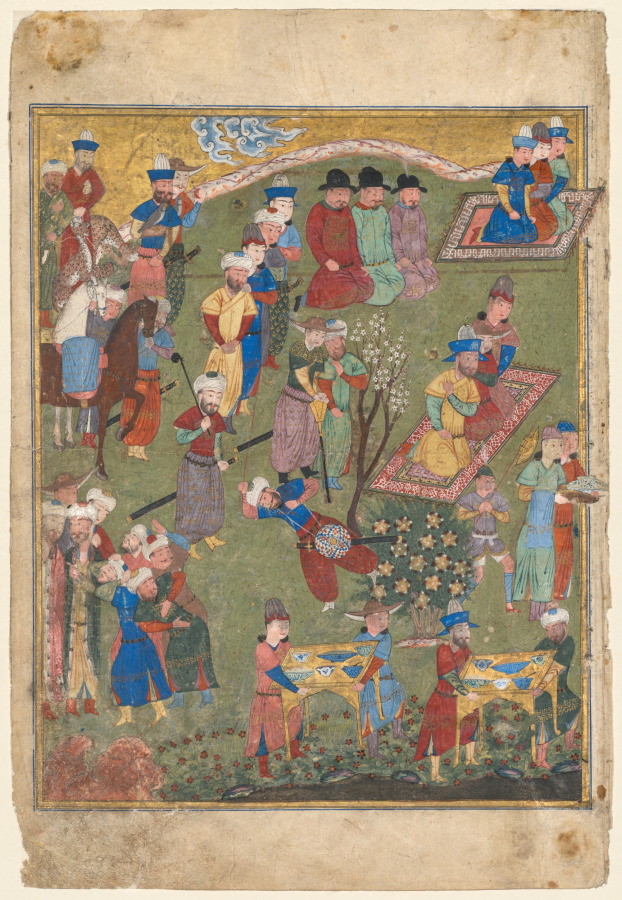
Royal Reception in a Landscape, left folio from the double frontispiece of a Shahnama (Book of Kings) of Firdausi (Persian, about 940–1019 or 1025) at the Cleveland Museum of Art: 1444, Opaque watercolor, ink, gold, and silver on paper. Exp

Preface (verso) from a double-page frontispiece of a Shahnama of Firdausi (940-1019 or 1025) at the Cleveland Museum of Art: c. 1444, opaque watercolor, ink, and gold on paper. Explore the work's context, creator attribution and collection
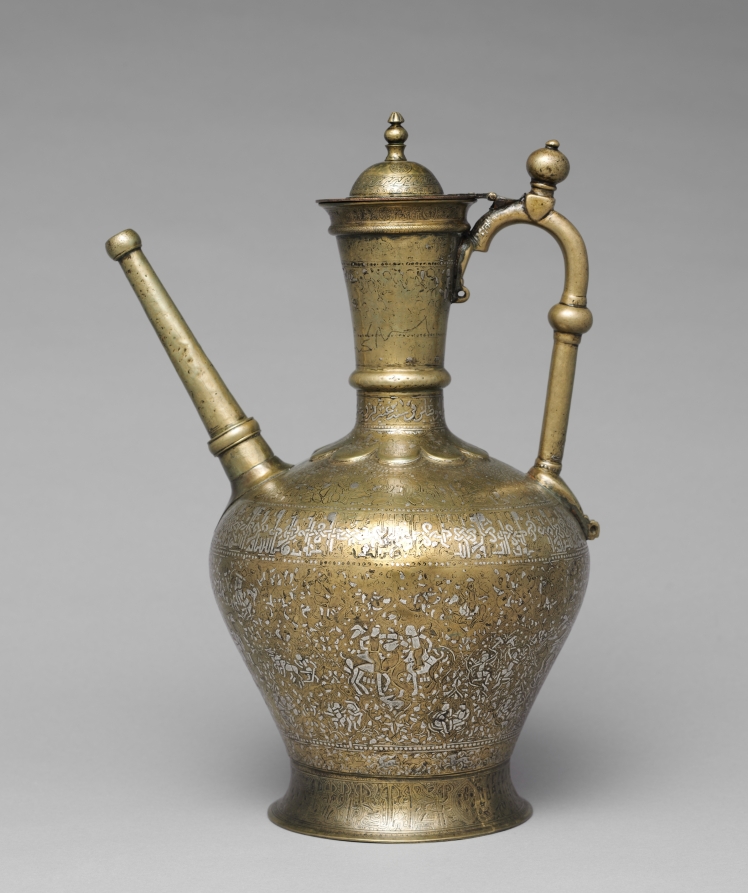
Luxury Ewer Extending Good Fortune to the Owner at the Cleveland Museum of Art: 1223, brass inlaid with silver; lid and base added later. Explore the work's context, creator attribution and collection history.
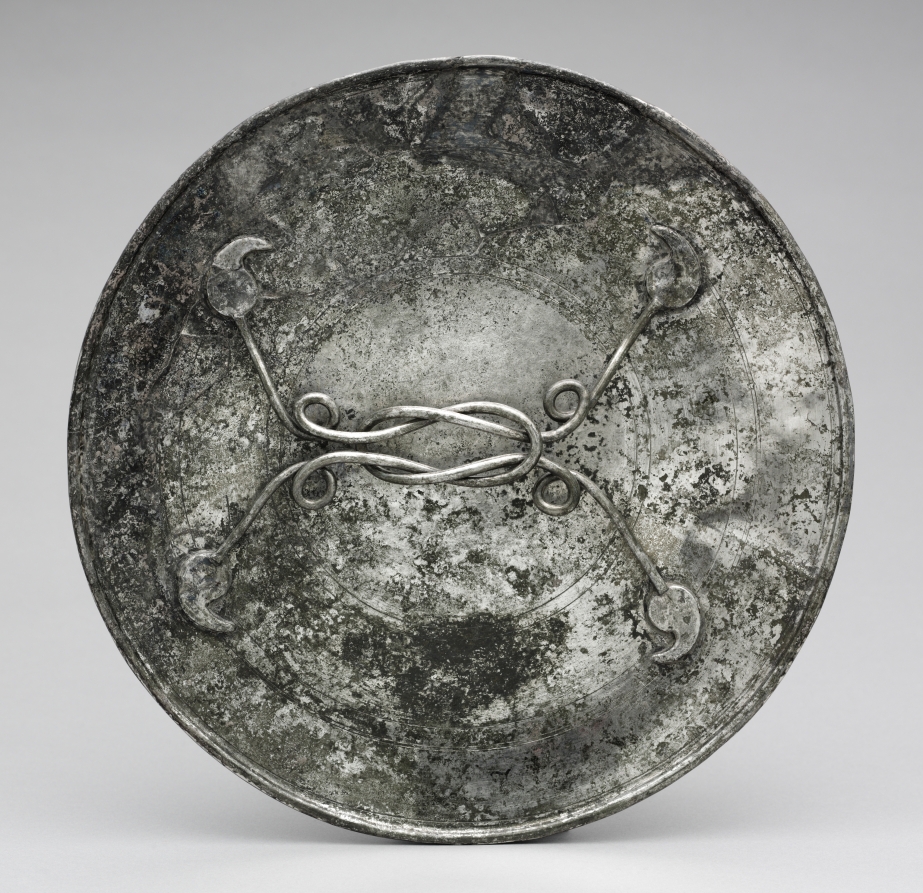
Mirror with a Handle in the Form of a Herakles Knot at the Cleveland Museum of Art: c. 280–400 CE, silver. Explore the work's context, creator attribution and collection history.
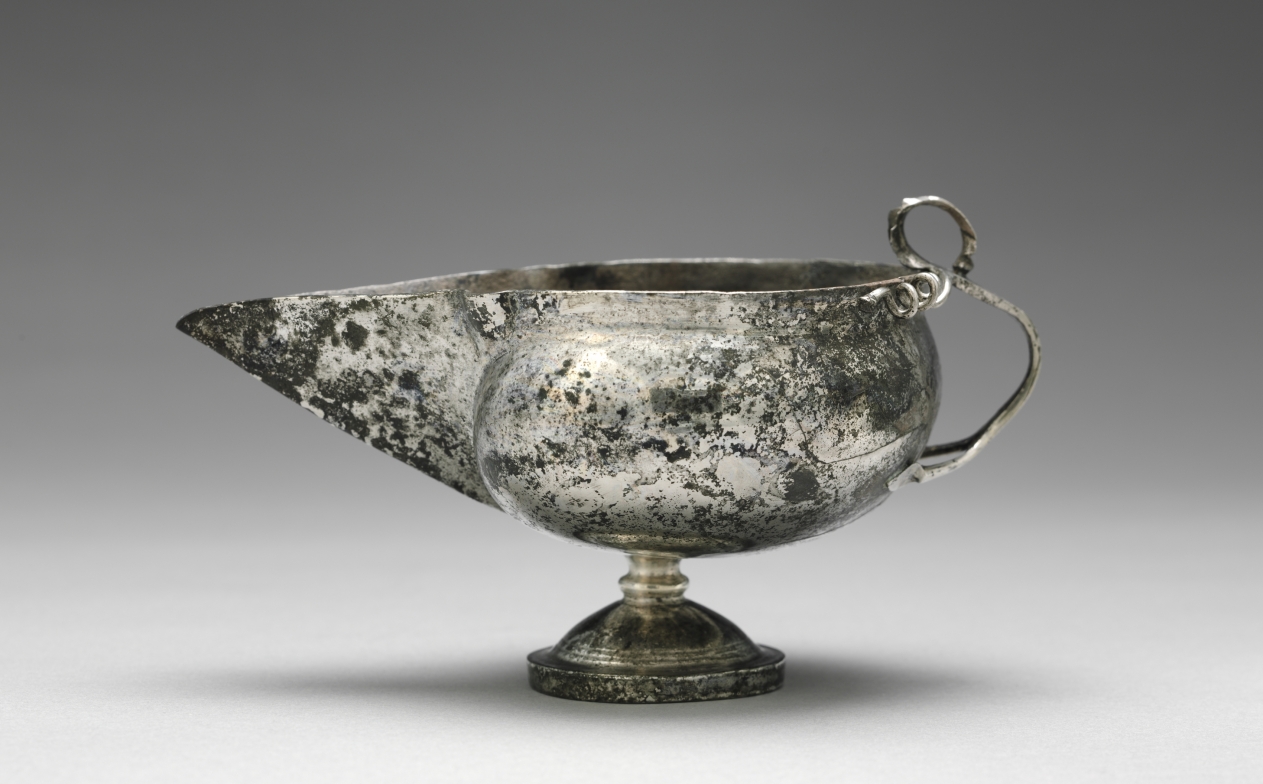
Spouted Pitcher at the Cleveland Museum of Art: 300–600 CE, silver. Explore the work's context, creator attribution and collection history.
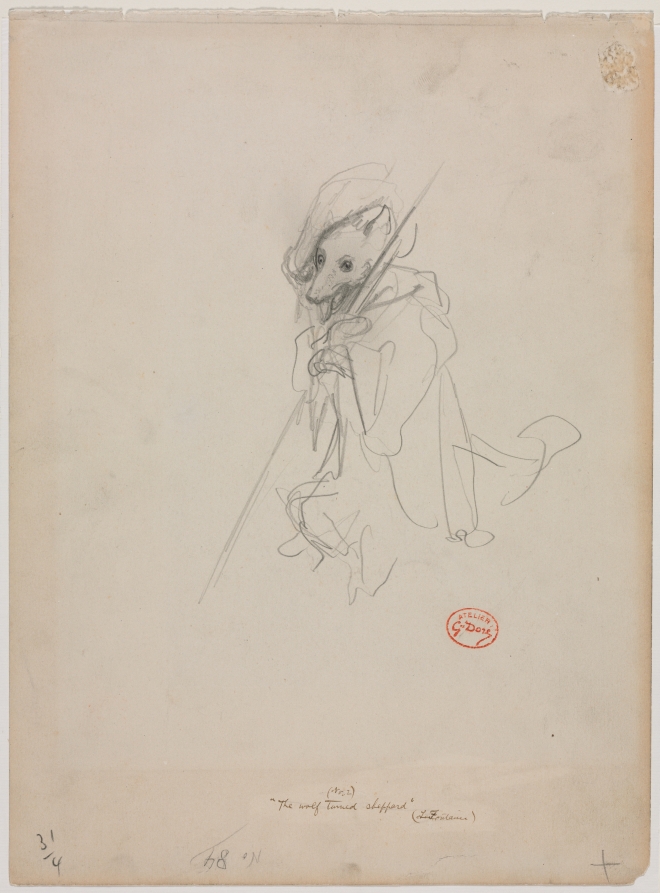
Sketch for "The Wolf Turned Shepherd" (recto) at the Cleveland Museum of Art: c. 1868, graphite. Explore the work's context, creator attribution and collection history.
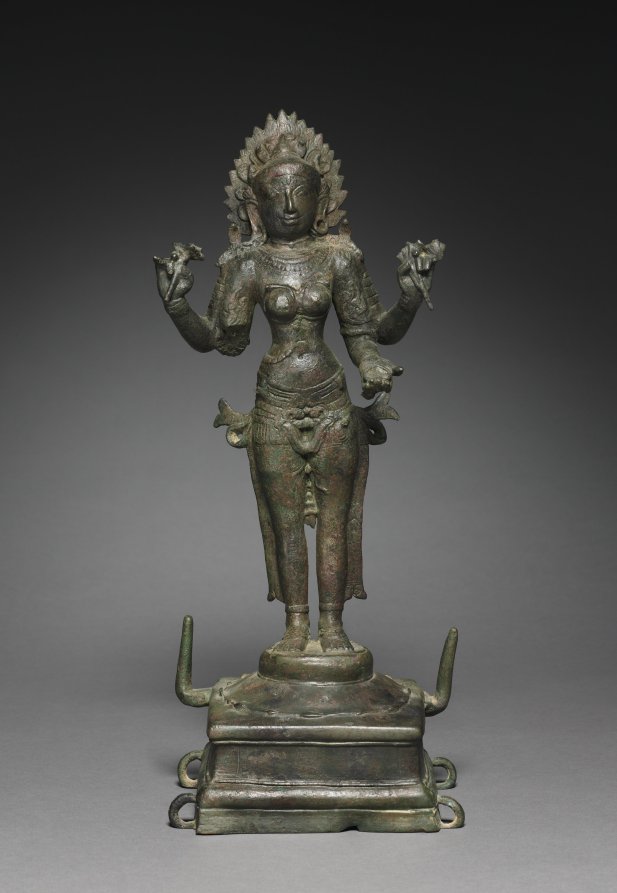
Kali at the Cleveland Museum of Art: 900s–1000s, bronze. Explore the work's context, creator attribution and collection history.
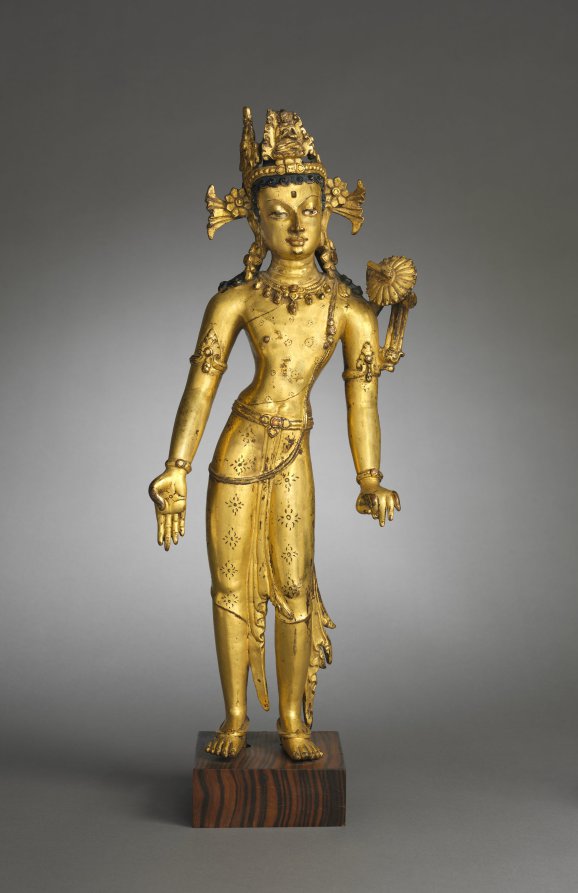
Bodhisattva of Wisdom (Manjushri) at the Cleveland Museum of Art: 1400s, gilded copper. Explore the work's context, creator attribution and collection history.
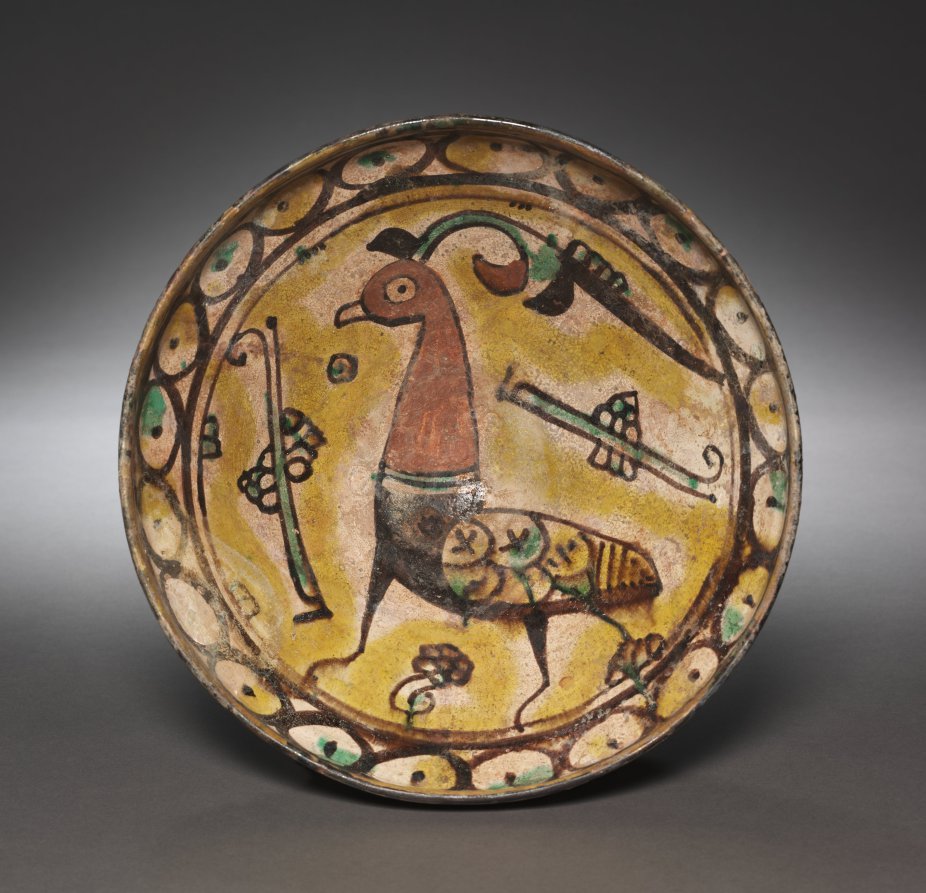
Bowl at the Cleveland Museum of Art: 900s, earthenware with underglaze slip-painted decoration. Explore the work's context, creator attribution and collection history.

They Have Flown, Plate 61 at the Cleveland Museum of Art: 1799, etching and aquatint. Explore the work's context, creator attribution and collection history.
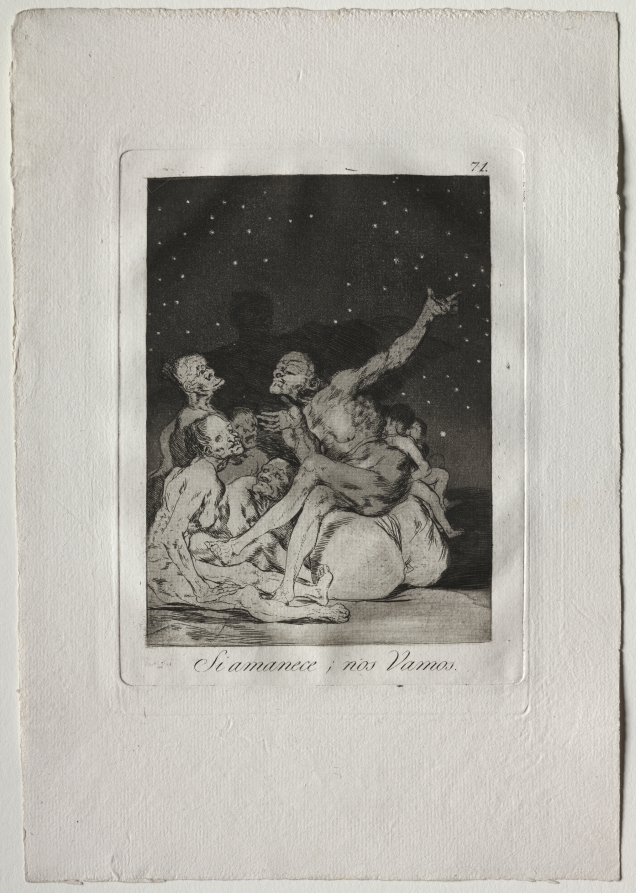
When Day Breaks We Will Be Off, Plate 71 at the Cleveland Museum of Art: 1799, etching and aquatint. Explore the work's context, creator attribution and collection history.
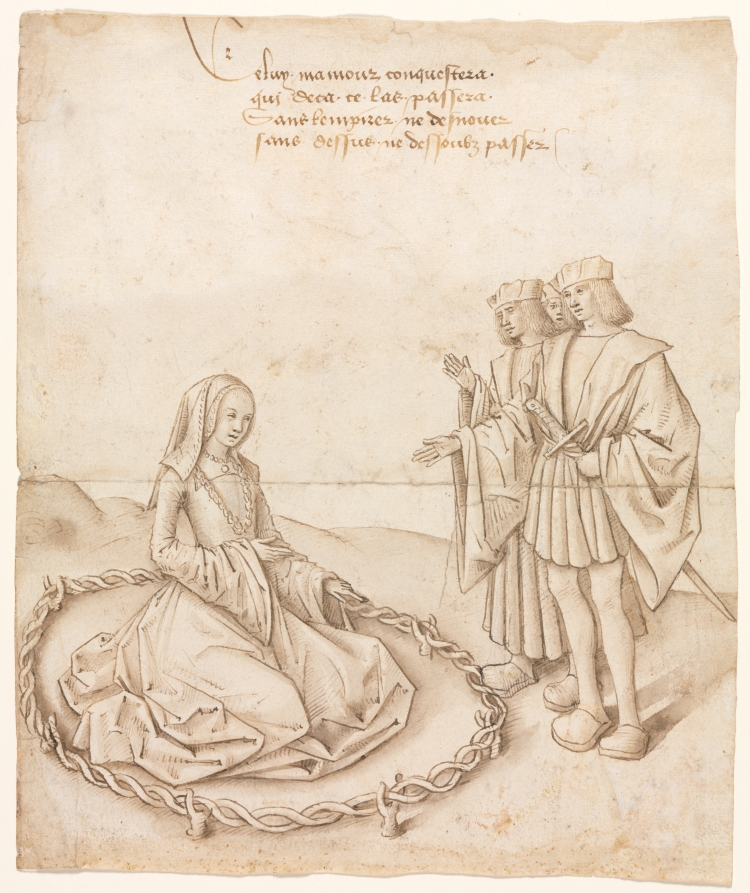
A Lady with Three Suitors at the Cleveland Museum of Art: c. 1500, pen and brown ink, brush and brown wash, with traces of black chalk. Explore the work's context, creator attribution and collection history.
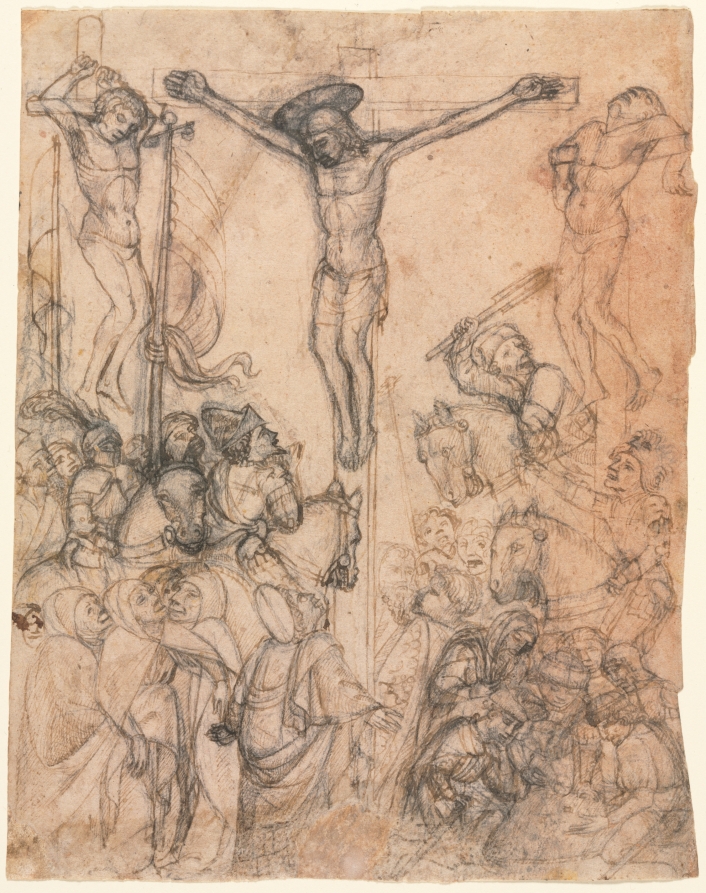
Crucifixion with the Two Thieves at the Cleveland Museum of Art: 1450–1500, pen and brown ink and black chalk. Explore the work's context, creator attribution and collection history.
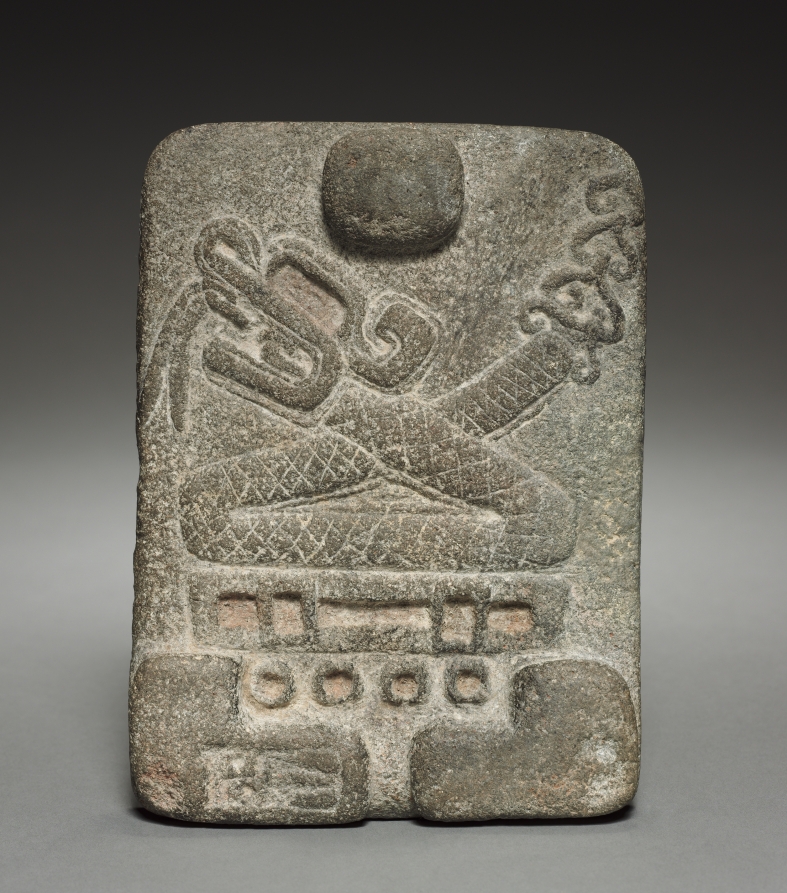
Miniature Metate at the Cleveland Museum of Art: 700–1000, stone. Explore the work's context, creator attribution and collection history.

The Illustrated Miraculous Origins of the Yūzū Nenbutsu School at the Cleveland Museum of Art: early 1300s, Handscroll; ink, color, and gold on paper. Explore the work's context, creator attribution and collection history.

Tiger in the Jungle at the Cleveland Museum of Art: 1893, color lithograph. Explore the work's context, creator attribution and collection history.

Christ at the Cleveland Museum of Art: 1887, lithograph. Explore the work's context, creator attribution and collection history.
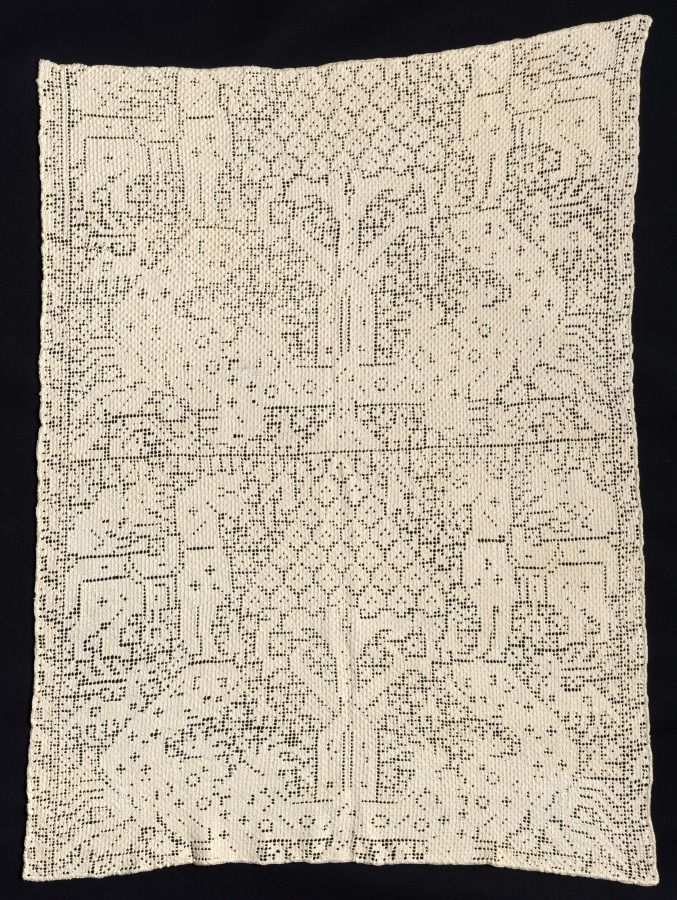
Panel with a Pattern of Trees and Unidentified Animals at the Cleveland Museum of Art: 1800s, Bleached linen (est.): needle lace, filet/lacis (knotted ground and darned in two directions). Explore the work's context, creator attribution and
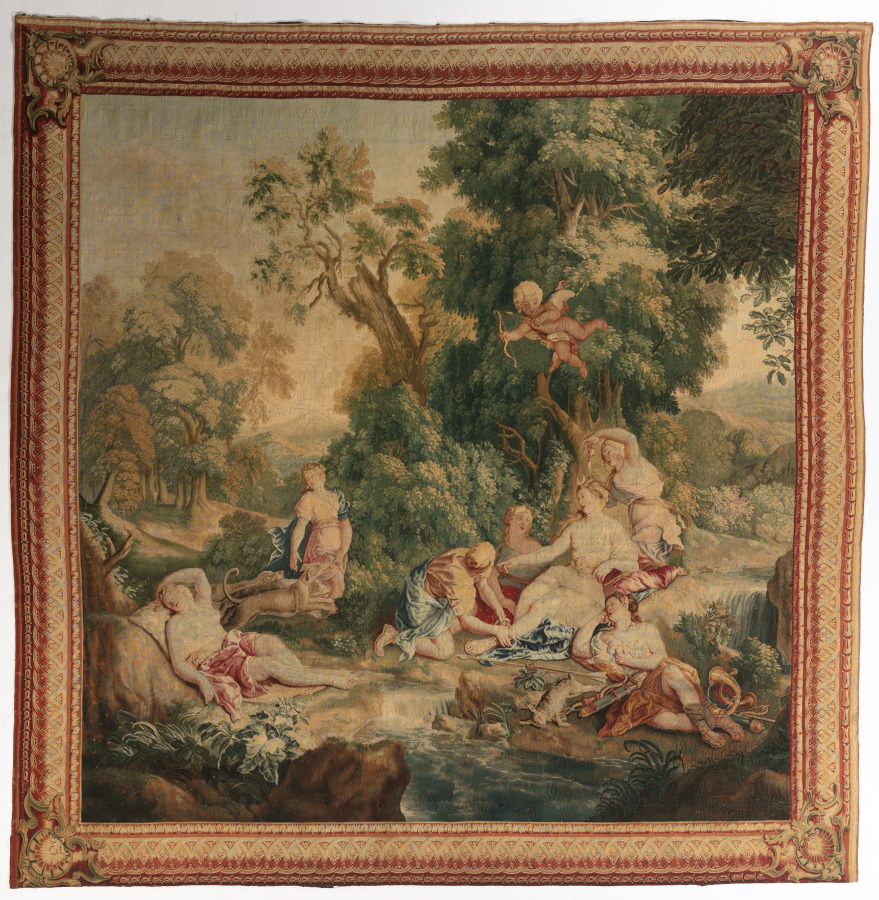
Set of Ovid's Metamorphoses at the Cleveland Museum of Art: 1704–31, tapestry weave. Explore the work's context, creator attribution and collection history.
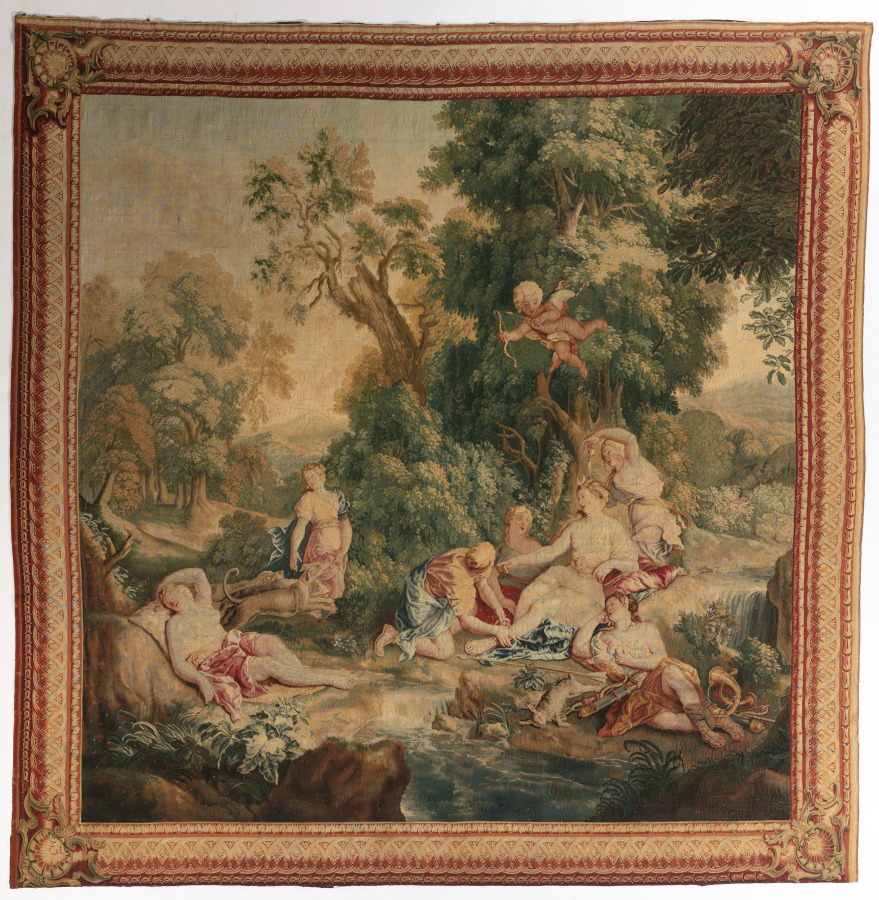
Diana's Return from the Chase (from Set of Ovid's Metamorphoses) at the Cleveland Museum of Art: 1704–1731, tapestry weave. Explore the work's context, creator attribution and collection history.
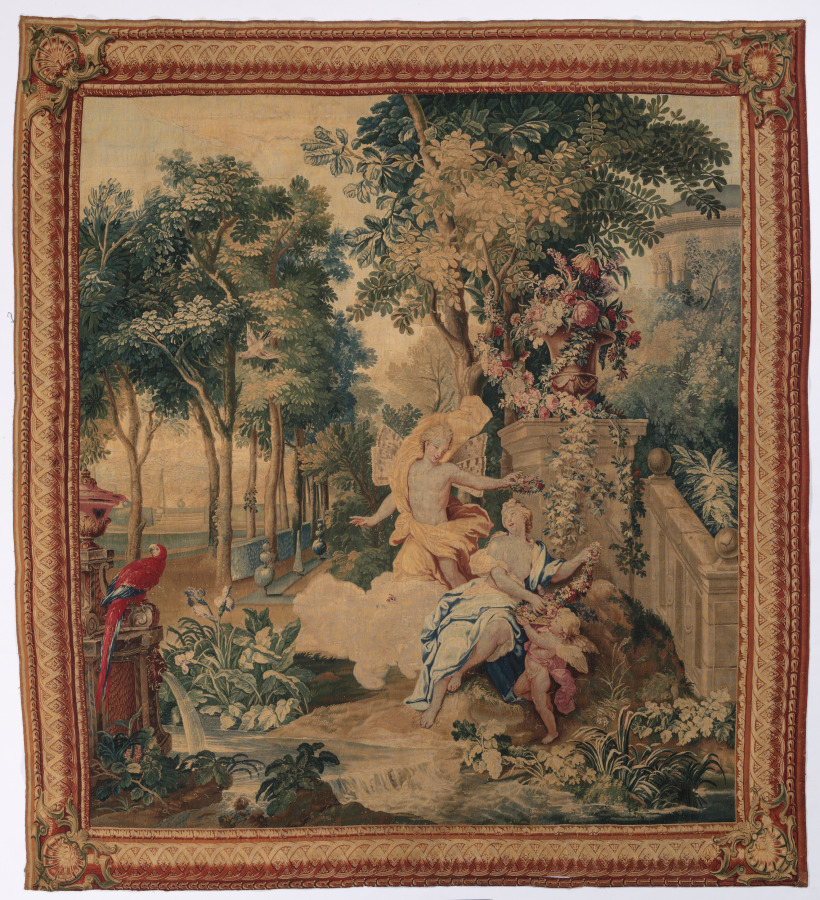
Flora and Zephyrus (from Set of Ovid's Metamorphoses) at the Cleveland Museum of Art: 1704–1731, tapestry weave. Explore the work's context, creator attribution and collection history.
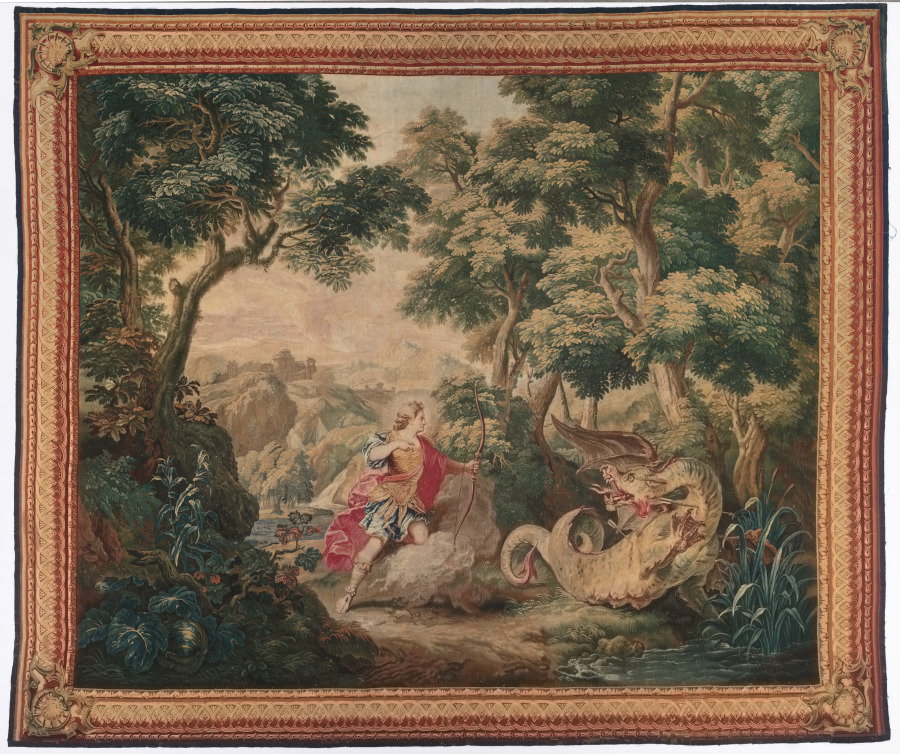
Apollo and the Serpent Python (from Set of Ovid's Metamorphoses) at the Cleveland Museum of Art: 1700–1730, tapestry weave. Explore the work's context, creator attribution and collection history.

The Trinity at the Cleveland Museum of Art: 1544, silver. Explore the work's context, creator attribution and collection history.
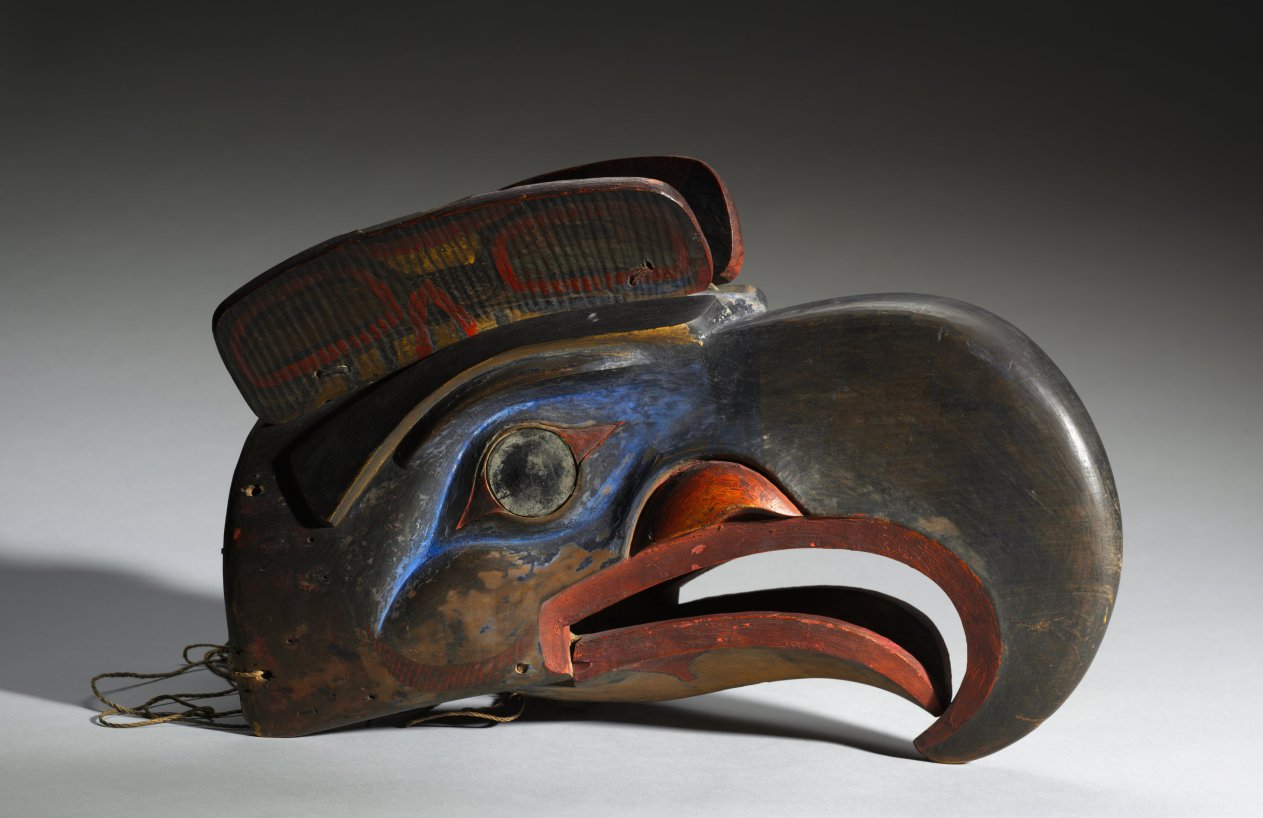
Mask: Eagle at the Cleveland Museum of Art: 1800s, wood, pigment, restored eye inlays. Explore the work's context, creator attribution and collection history.

Sunny Autumn Day at the Cleveland Museum of Art: 1892, oil on canvas. Explore the work's context, creator attribution and collection history.
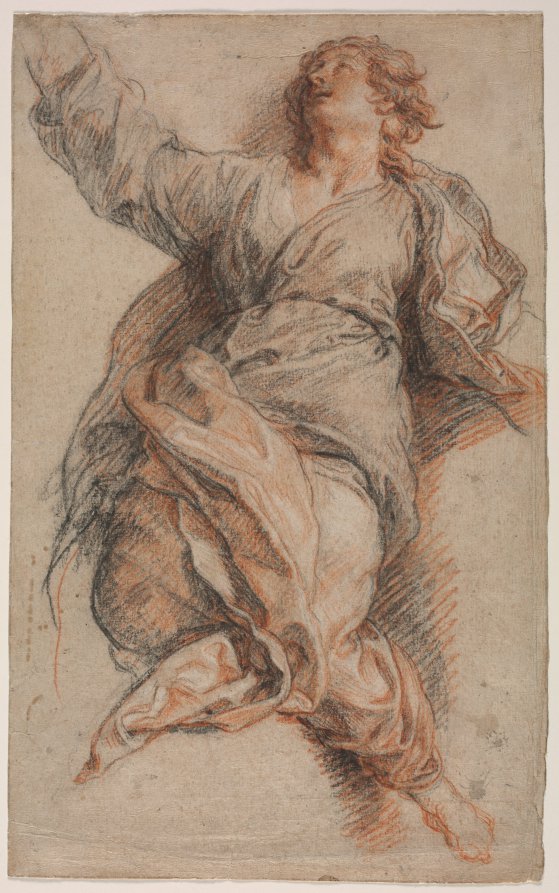
St. John the Evangelist at the Cleveland Museum of Art: c. 1700–1702, black, red, and white chalk. Explore the work's context, creator attribution and collection history.
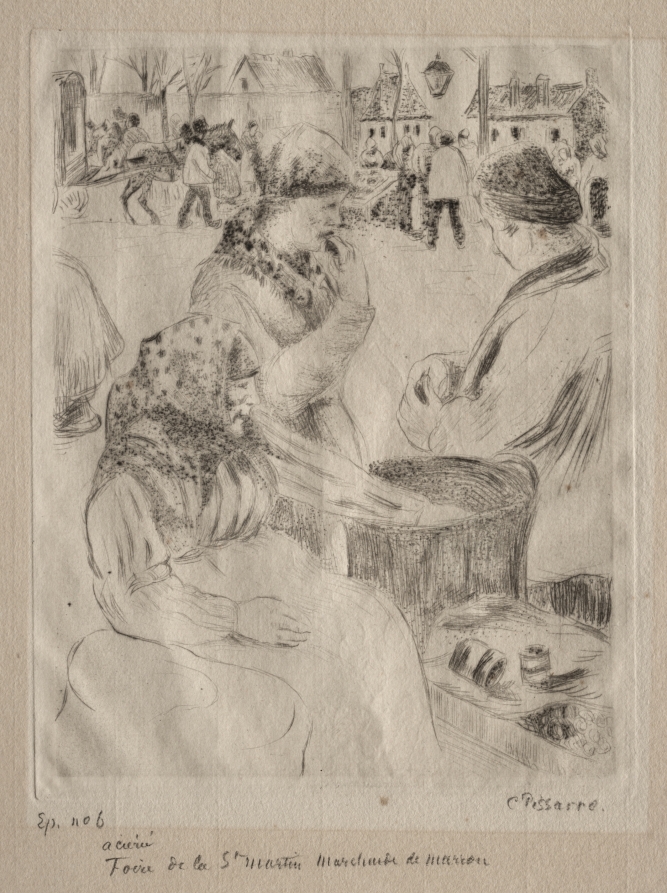
Chestnut Vendor, St. Martin's Day Fair (Pontoise) at the Cleveland Museum of Art: 1878, drypoint. Explore the work's context, creator attribution and collection history.
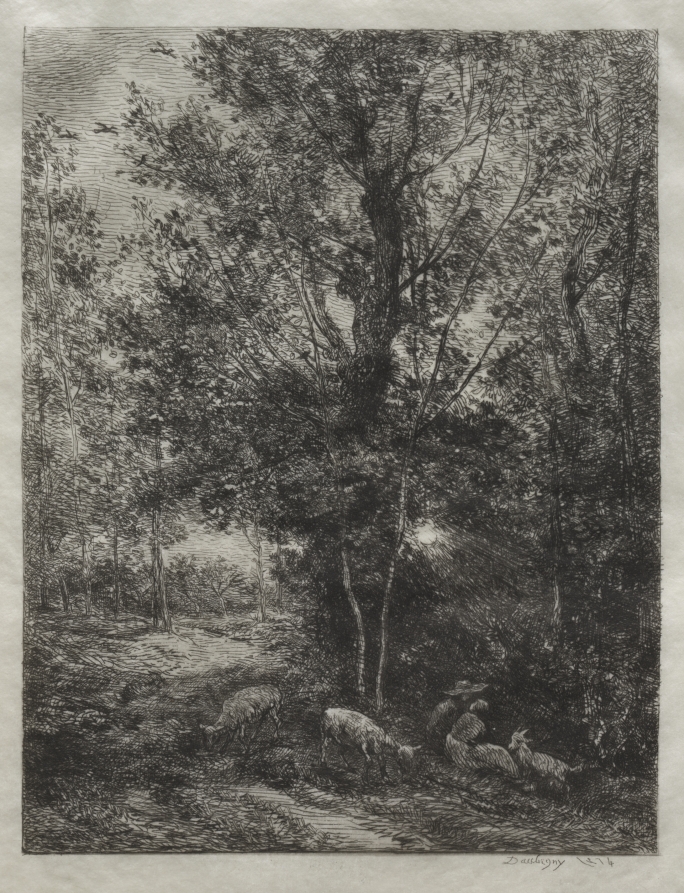
The Shepherd and the Shepherdess at the Cleveland Museum of Art: 1874, etching. Explore the work's context, creator attribution and collection history.