Dancing Satyr Group (500–475 BCE): Art, History and Details
Dancing Satyr Group at the Cleveland Museum of Art: 500–475 BCE, painted terracotta. Explore the work's context, creator attribution and collection history.
Oldest entries first, in a fixed order. Newly added articles appear at the end. Explore a shuffled selection →
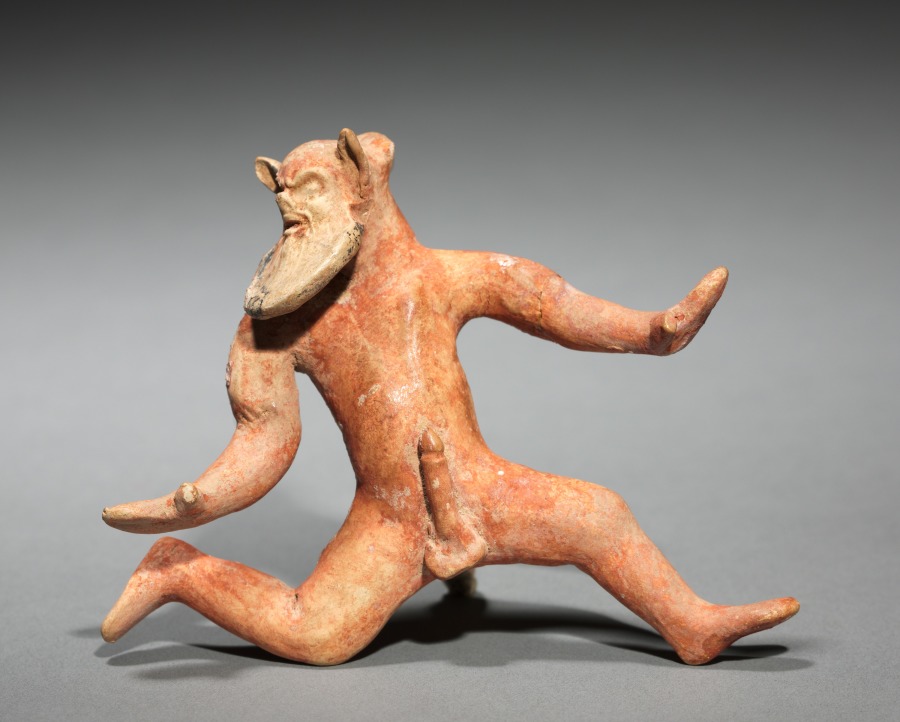
Dancing Satyr Group at the Cleveland Museum of Art: 500–475 BCE, painted terracotta. Explore the work's context, creator attribution and collection history.
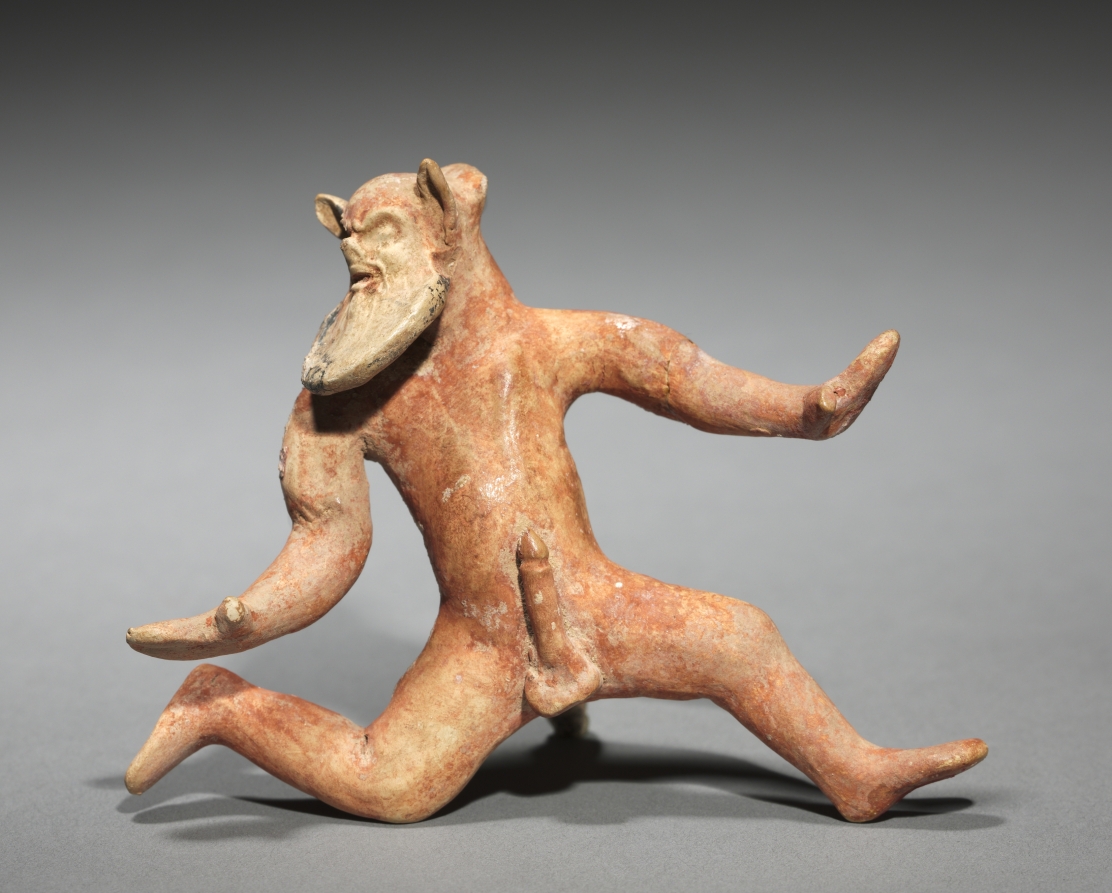
Dancing Satyr at the Cleveland Museum of Art: 500–475 BCE, painted terracotta. Explore the work's context, creator attribution and collection history.
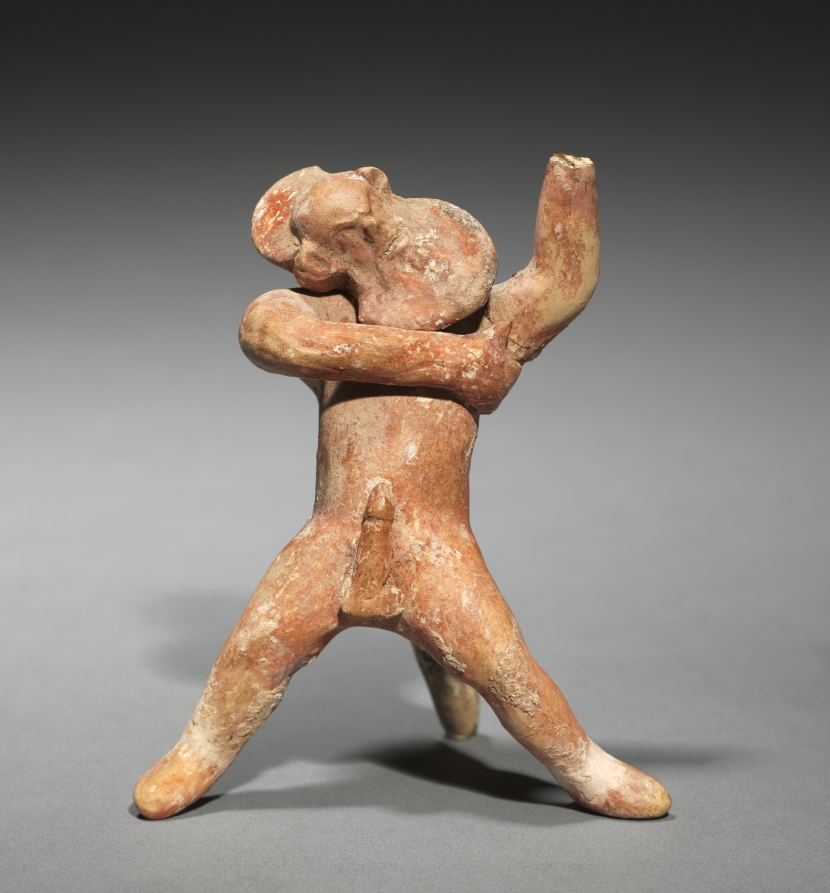
Dancing Satyr at the Cleveland Museum of Art: 500–475 BCE, painted terracotta. Explore the work's context, creator attribution and collection history.
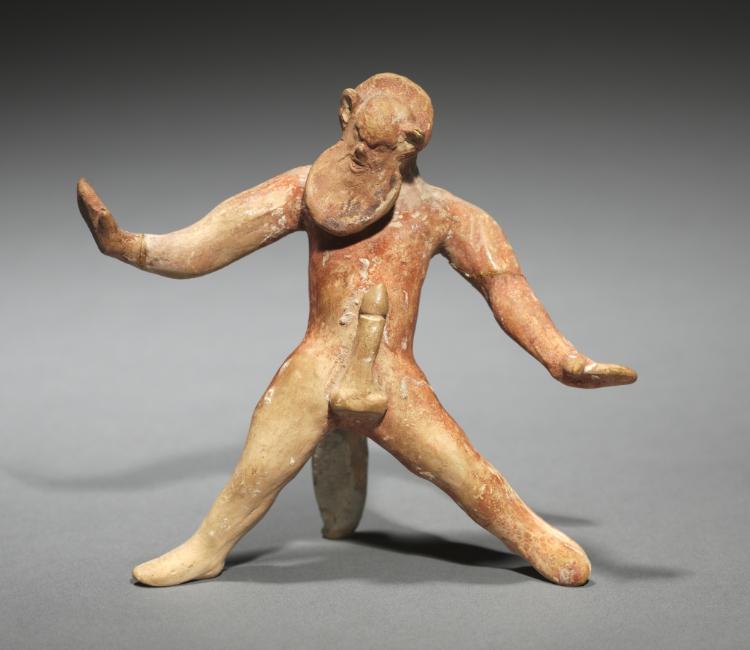
Dancing Satyr at the Cleveland Museum of Art: 500–475 BCE, painted terracotta. Explore the work's context, creator attribution and collection history.
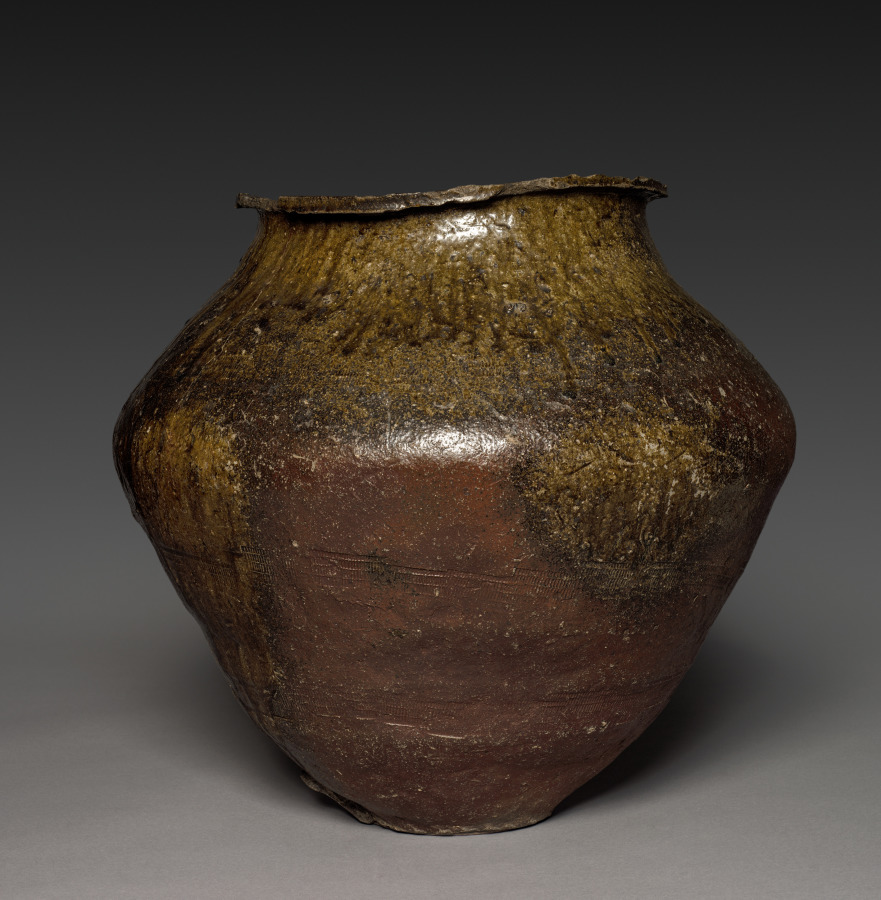
Storage Jar at the Cleveland Museum of Art: 1350–99, Stoneware with natural ash glaze and impressed designs (Tokoname ware). Explore the work's context, creator attribution and collection history.
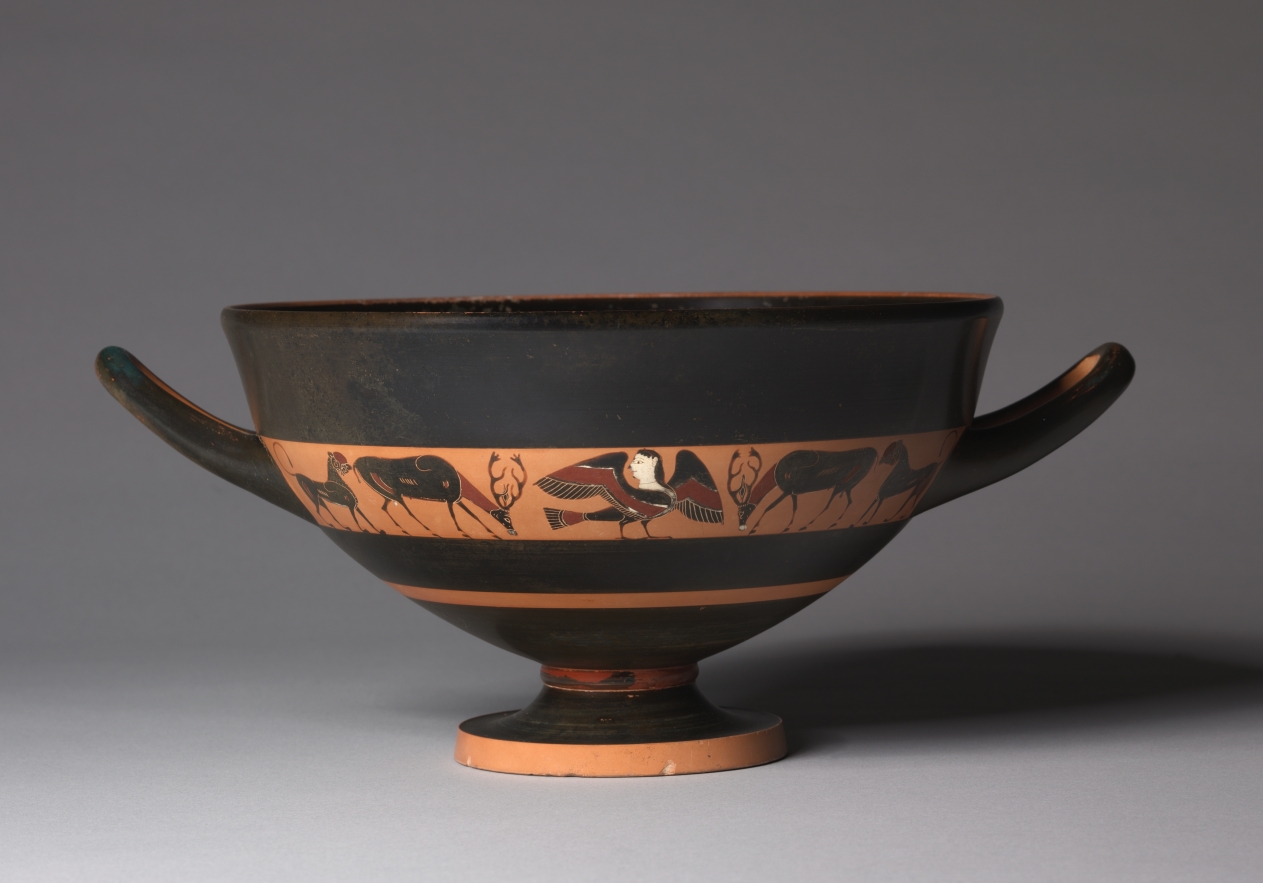
Black-Figure Band Skyphos (Drinking Cup): Sirens, Stags, and Panthers at the Cleveland Museum of Art: c. 540 BCE, ceramic. Explore the work's context, creator attribution and collection history.
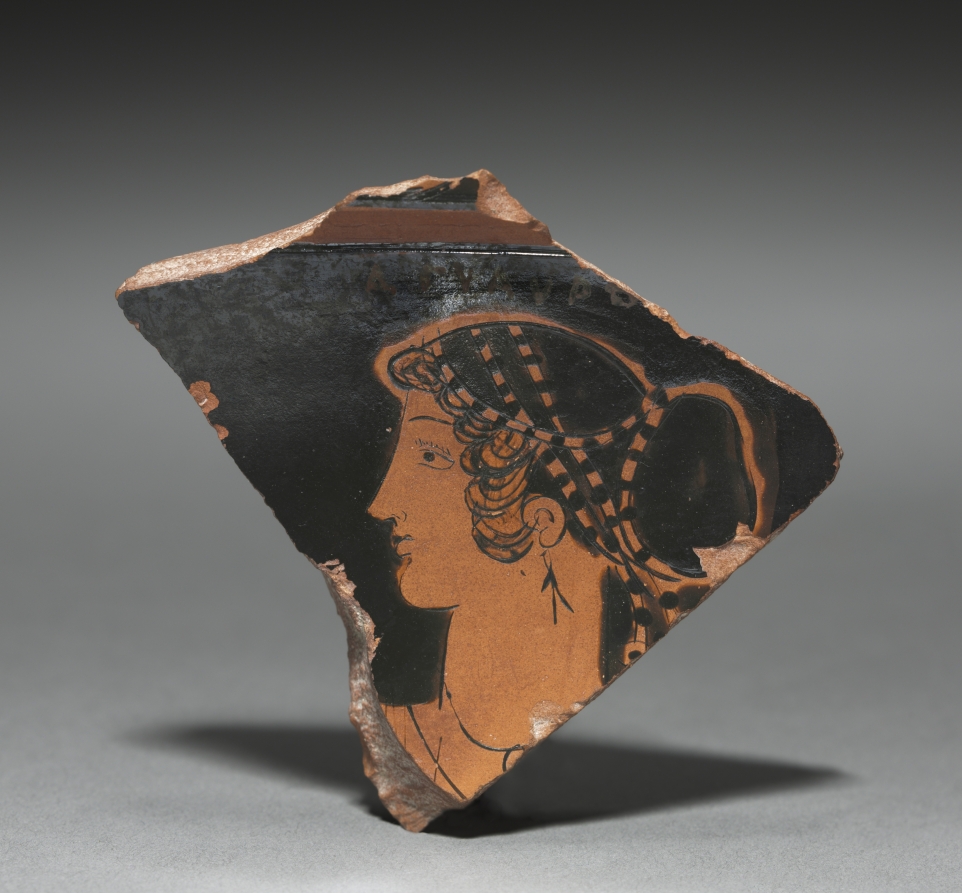
Fragment of a Red-Figure Bell-Krater or Calyx-Krater (Mixing Vessel): Female Head (Aglauros) at the Cleveland Museum of Art: c. 460–450 BCE, ceramic. Explore the work's context, creator attribution and collection history.
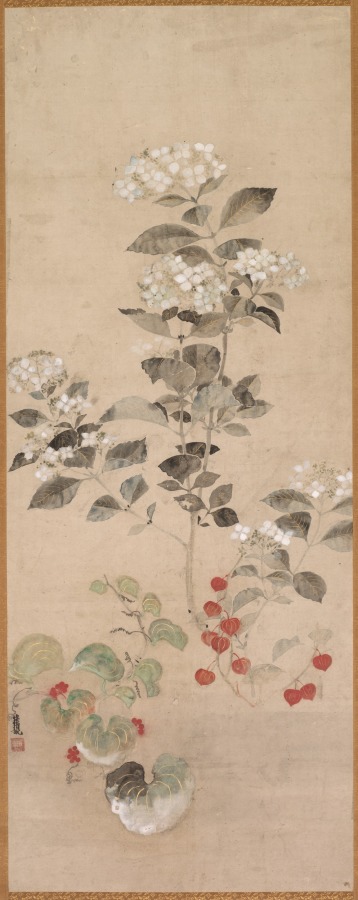
Summer Flowers at the Cleveland Museum of Art: mid-1600s, hanging scroll; ink, color, and gold on paper. Explore the work's context, creator attribution and collection history.
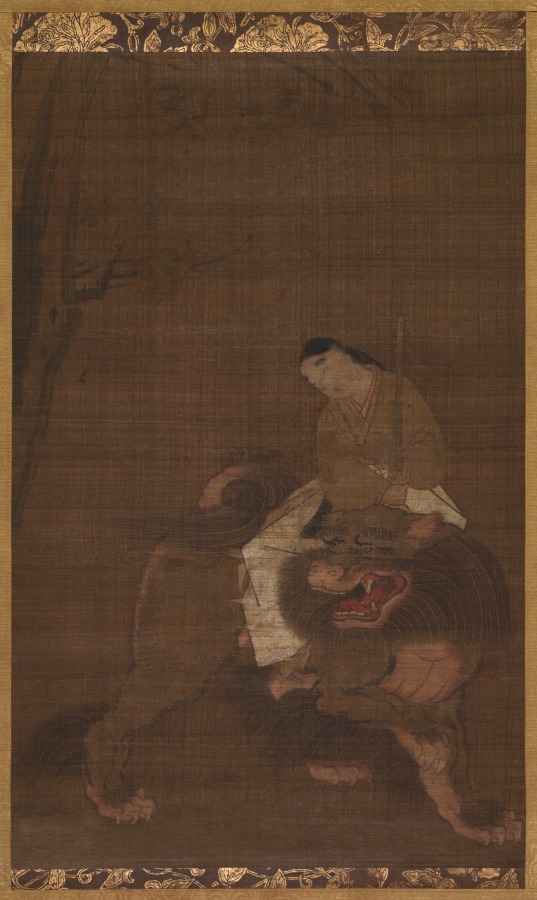
Monju as a Child at the Cleveland Museum of Art: 1400s–1500s, hanging scroll; ink and color on silk. Explore the work's context, creator attribution and collection history.
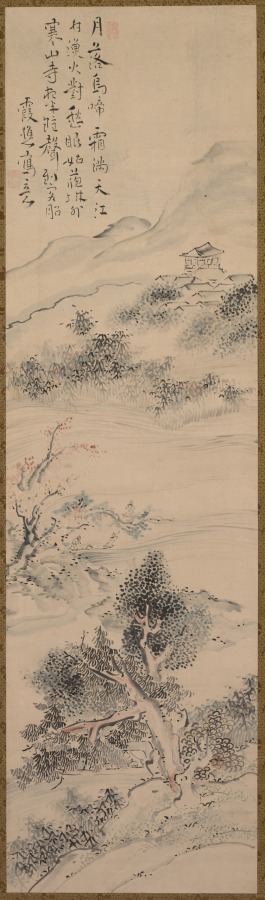
Night Mooring at Maple Bridge at the Cleveland Museum of Art: mid- to late 1700s, hanging scroll; ink and color on paper. Explore the work's context, creator attribution and collection history.

Writing Box (Suzuribako) with Chrysanthemum and Plum at the Cleveland Museum of Art: late 1800s-early 1900s, Lacquer over wood with gold and silver sprinkled powder (maki-e). Explore the work's context, creator attribution and collection hi

Base of Writing Box (Suzuribako) with Chrysanthemum and Plum Containing Inkstone, Water-dropper, Brushes, Ink-stick Holder, and Paper Knife at the Cleveland Museum of Art: late 1800s-early 1900s, Lacquer over wood with gold and silver sprin

Lid of Writing Box (Suzuribako) with Chrysanthemum and Plum at the Cleveland Museum of Art: late 1800s-early 1900s, Lacquer over wood with gold and silver sprinkled powder (maki-e). Explore the work's context, creator attribution and collec
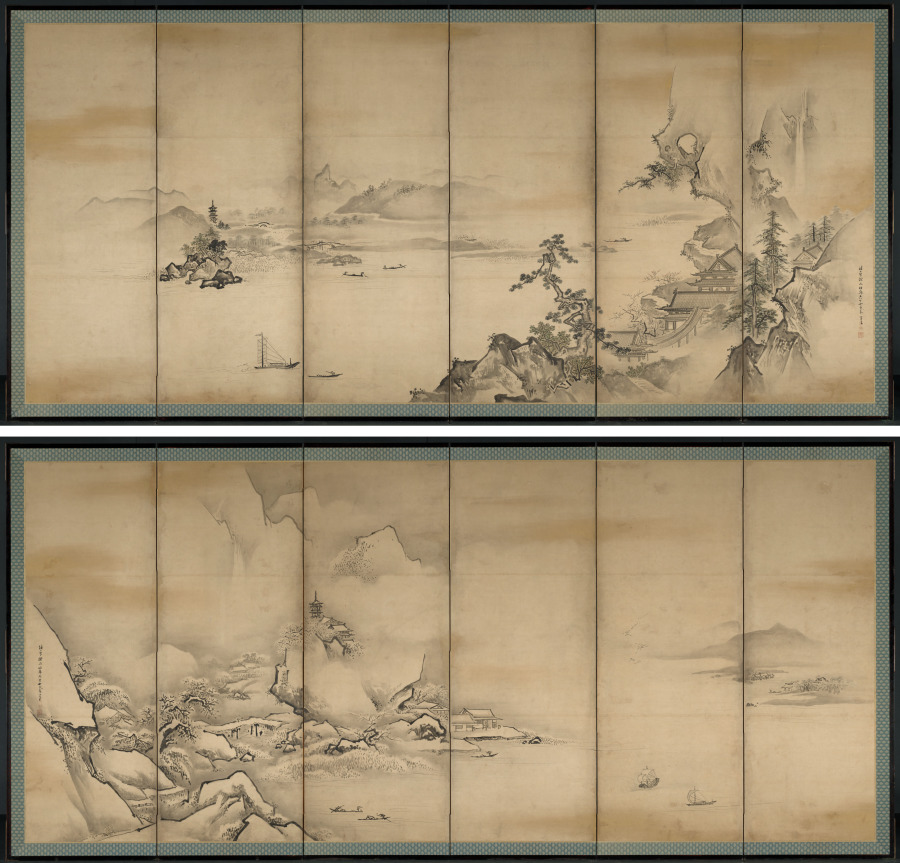
The Four Seasons at the Cleveland Museum of Art: 1668, pair of six-panel folding screens, ink and slight color on paper. Explore the work's context, creator attribution and collection history.

The Four Seasons at the Cleveland Museum of Art: 1668, Six-panel folding screen, ink and slight color on paper. Explore the work's context, creator attribution and collection history.
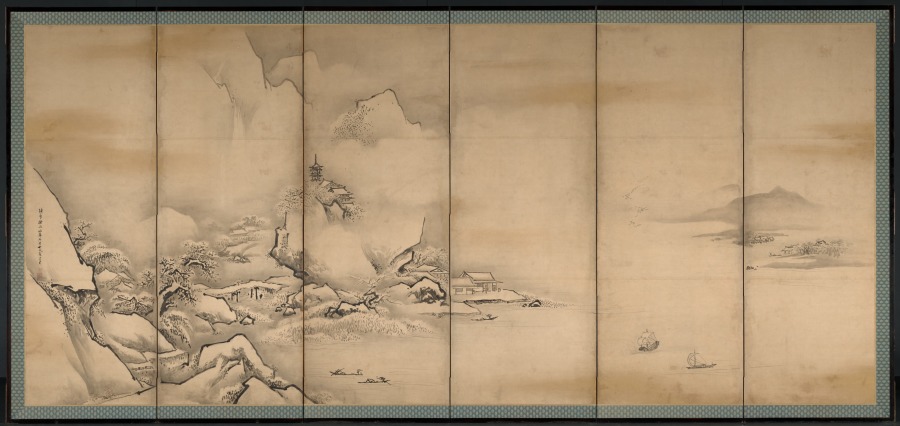
The Four Seasons at the Cleveland Museum of Art: 1668, Six-panel folding screen, ink and slight color on paper. Explore the work's context, creator attribution and collection history.
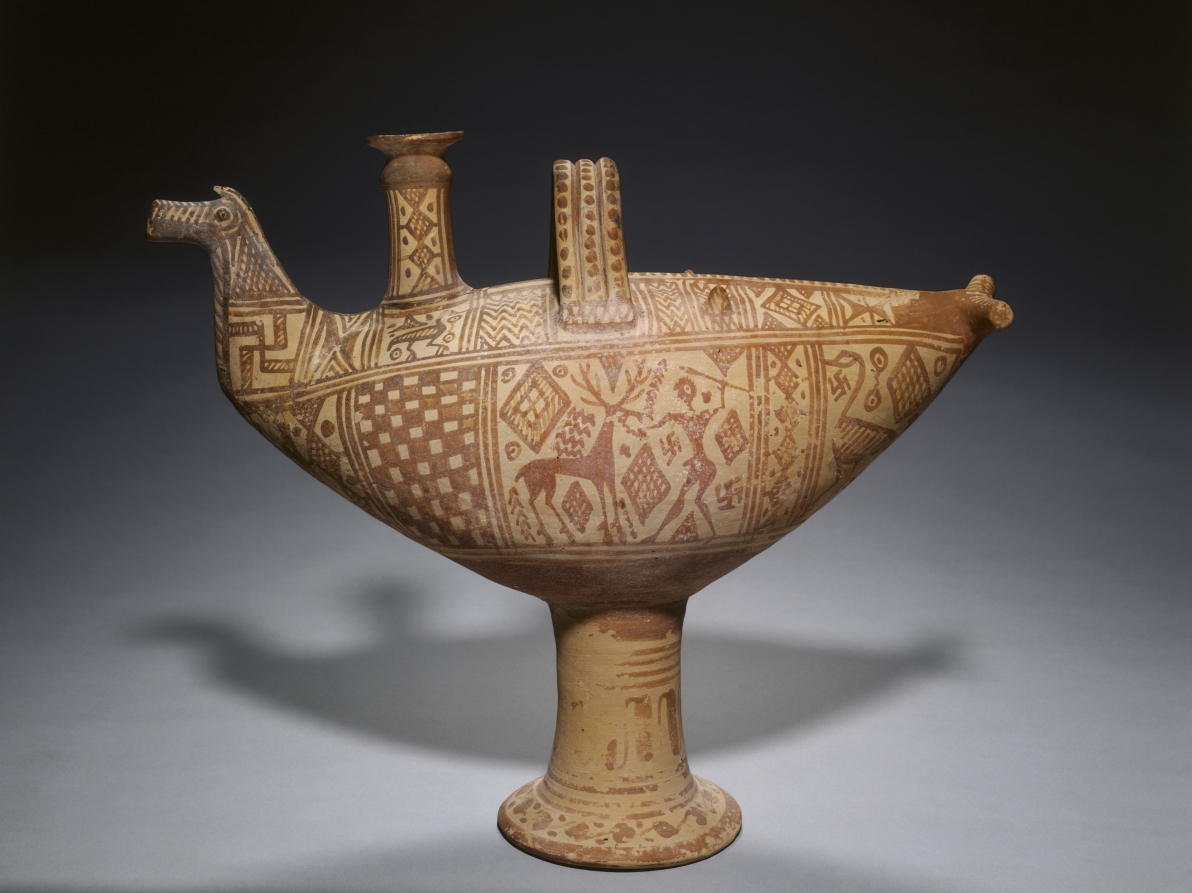
Italo-Geometric Bird Askos (Oil Vessel): Hunter (Herakles?) and Stag at the Cleveland Museum of Art: c. 700 BCE, ceramic. Explore the work's context, creator attribution and collection history.
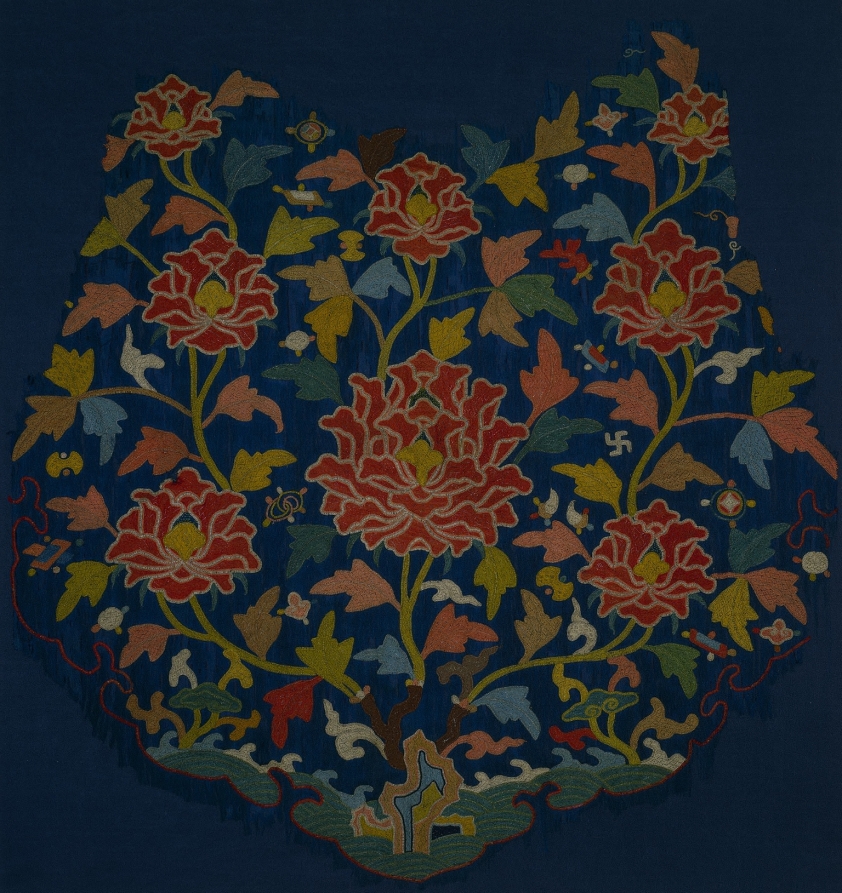
Embroidery from a Cloud Collar: Ocean, Rocks, and Peonies at the Cleveland Museum of Art: 1300s, silk and silver thread, silvered paper; needleloop embroidery. Explore the work's context, creator attribution and collection history.
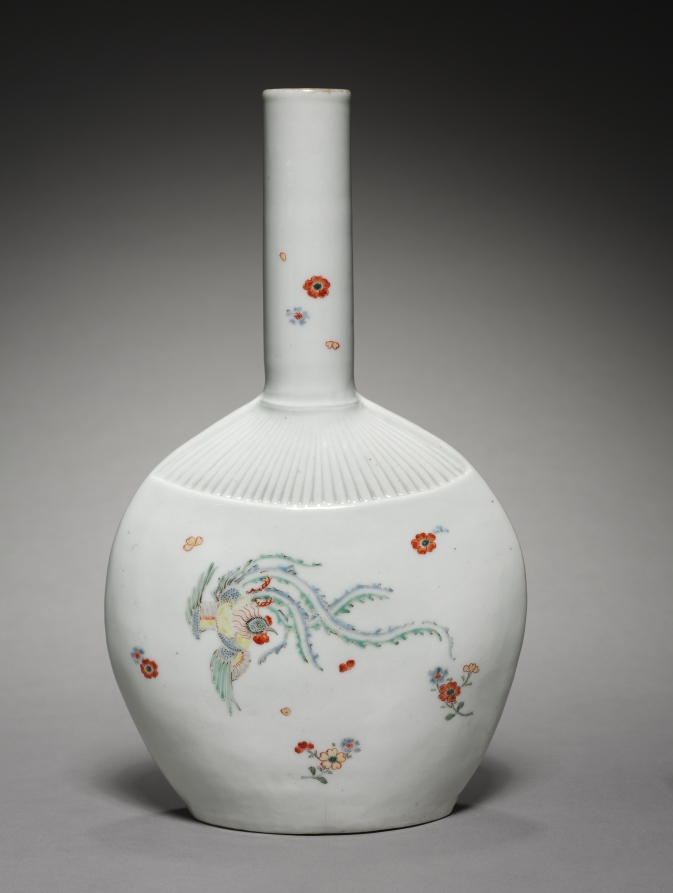
Flask in the Shape of a Fan at the Cleveland Museum of Art: 1600s, Imari ware porcelain, molded, carved, and glazed with overglaze enamel decoration. Explore the work's context, creator attribution and collection history.

Untitled (Winter Landscape) at the Cleveland Museum of Art: c. 1900, platinum print. Explore the work's context, creator attribution and collection history.

Pectoral Cross at the Cleveland Museum of Art: 1600s, walrus ivory, wood, partially gilt silver and pearls. Explore the work's context, creator attribution and collection history.
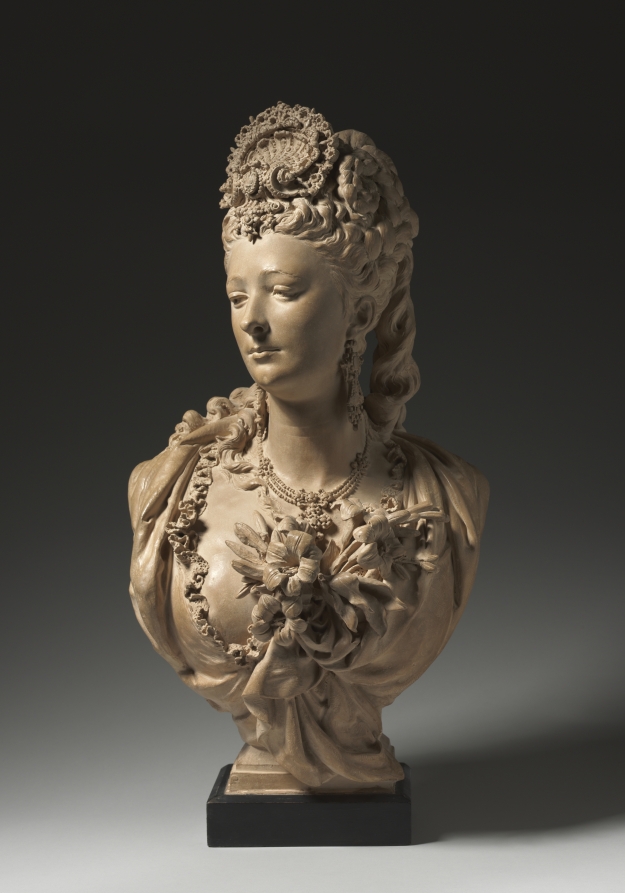
Portrait Bust at the Cleveland Museum of Art: c. 1865, terracotta. Explore the work's context, creator attribution and collection history.
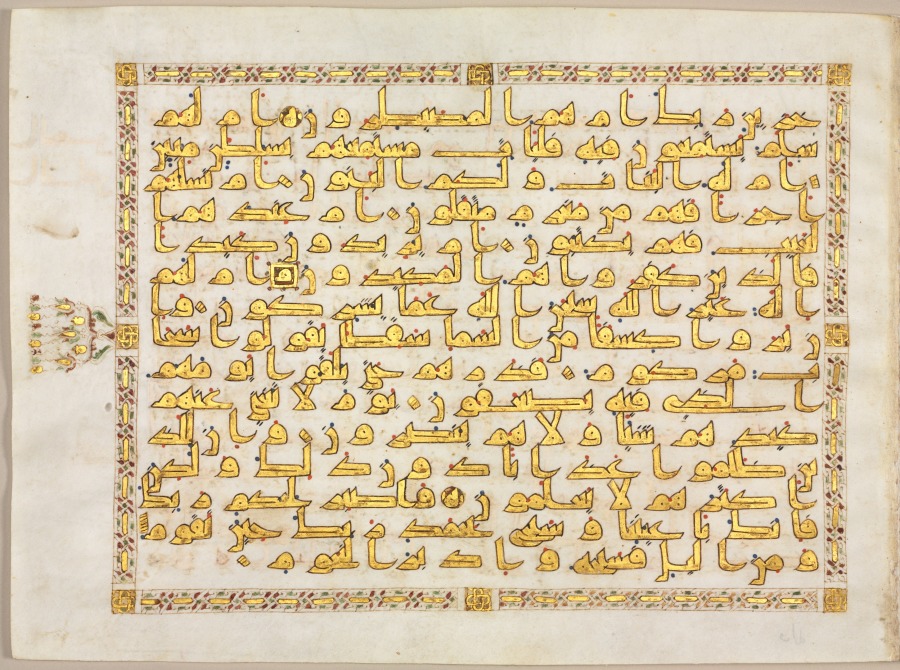
Qur'an Manuscript Folio at the Cleveland Museum of Art: 800s, gold, ink and colors on parchment. Explore the work's context, creator attribution and collection history.
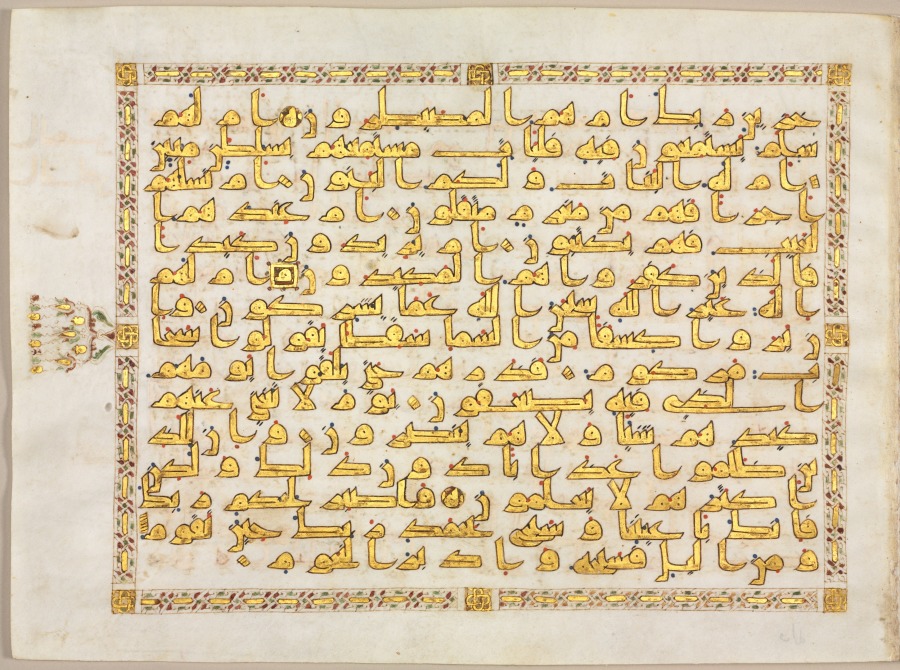
Folio from a Qur'an; right side of bifolio at the Cleveland Museum of Art: 800s, gold, ink and colors on parchment. Explore the work's context, creator attribution and collection history.
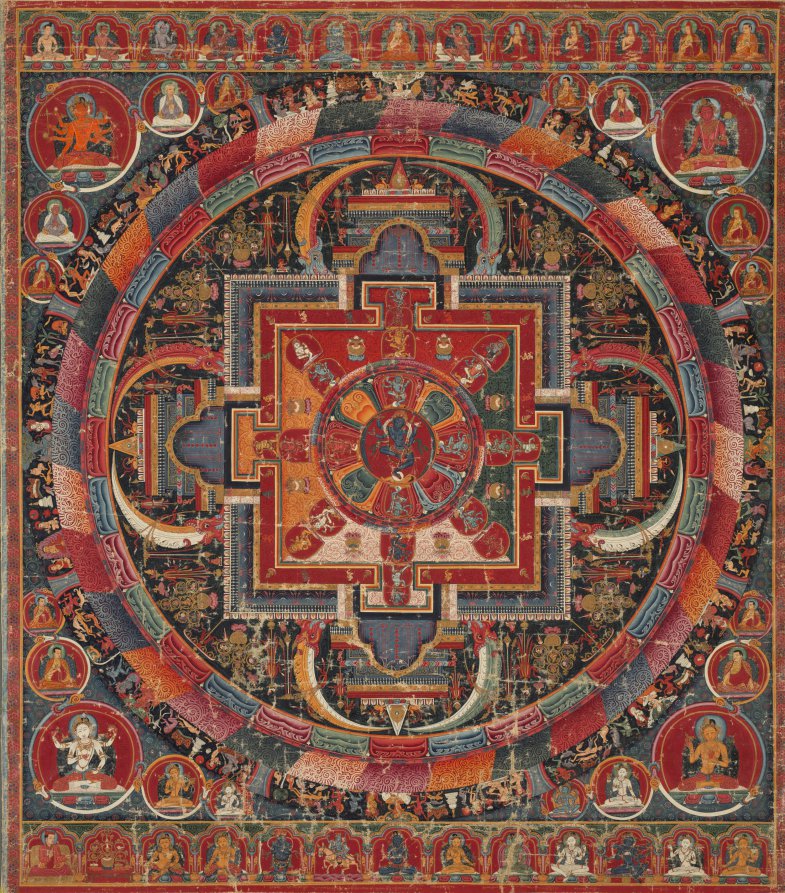
Twenty-three Deity Nairatma Mandala at the Cleveland Museum of Art: c. 1375, Gum tempera, ink, and gold on cloth. Explore the work's context, creator attribution and collection history.

The Healing of Tobit at the Cleveland Museum of Art: c. 1625, oil on wood. Explore the work's context, creator attribution and collection history.

Vase Feuille d'Eau at the Cleveland Museum of Art: 1858–62, porcelain with gilt bronze mounts. Explore the work's context, creator attribution and collection history.

Vase, Feuille d'Eau at the Cleveland Museum of Art: 1858–62, porcelain with gilt bronze mounts. Explore the work's context, creator attribution and collection history.

Vase, Feuille d'Eau (lid) at the Cleveland Museum of Art: 1858–62, porcelain with gilt bronze mounts. Explore the work's context, creator attribution and collection history.

Crown Ornament (Hu’unal) at the Cleveland Museum of Art: 250–900 CE, jadeite-albitite. Explore the work's context, creator attribution and collection history.
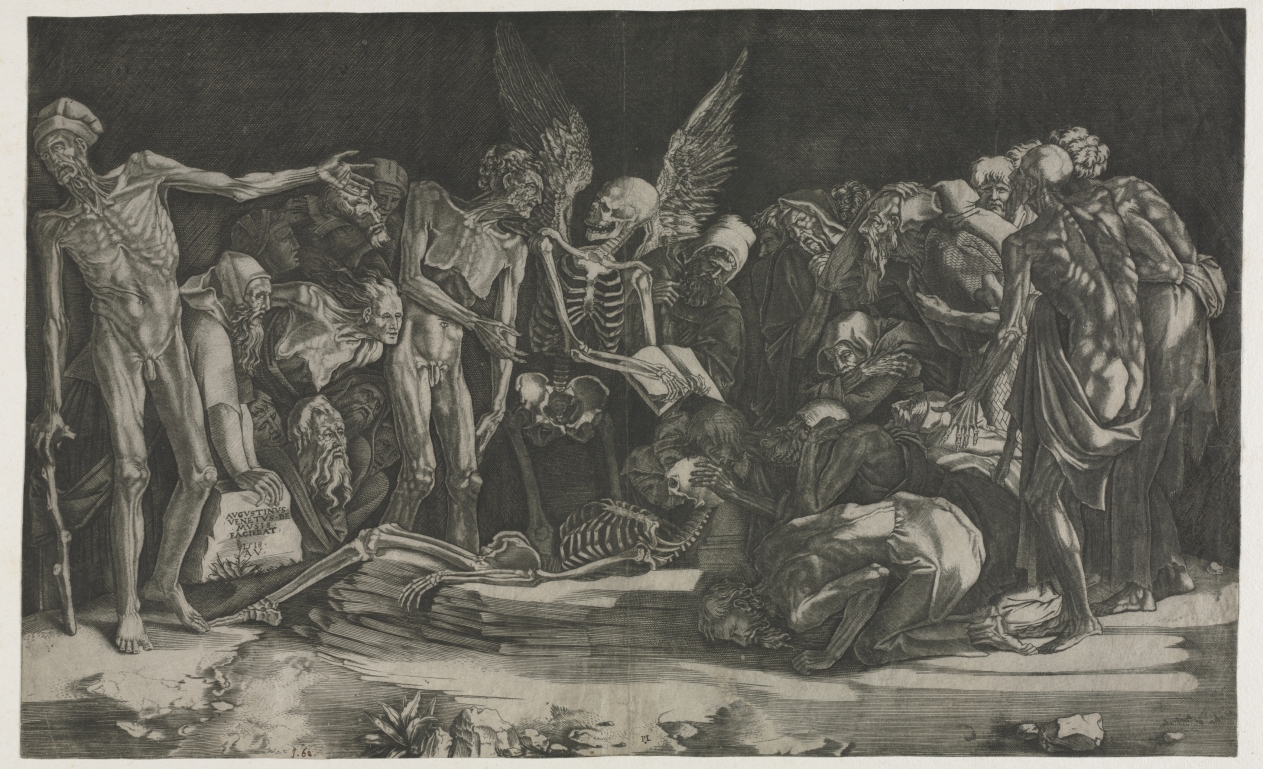
Skeletons, also known as Allegory of Death and Fame at the Cleveland Museum of Art: 1518, engraving. Explore the work's context, creator attribution and collection history.

The Rhinoceros at the Cleveland Museum of Art: 1515, woodcut. Explore the work's context, creator attribution and collection history.
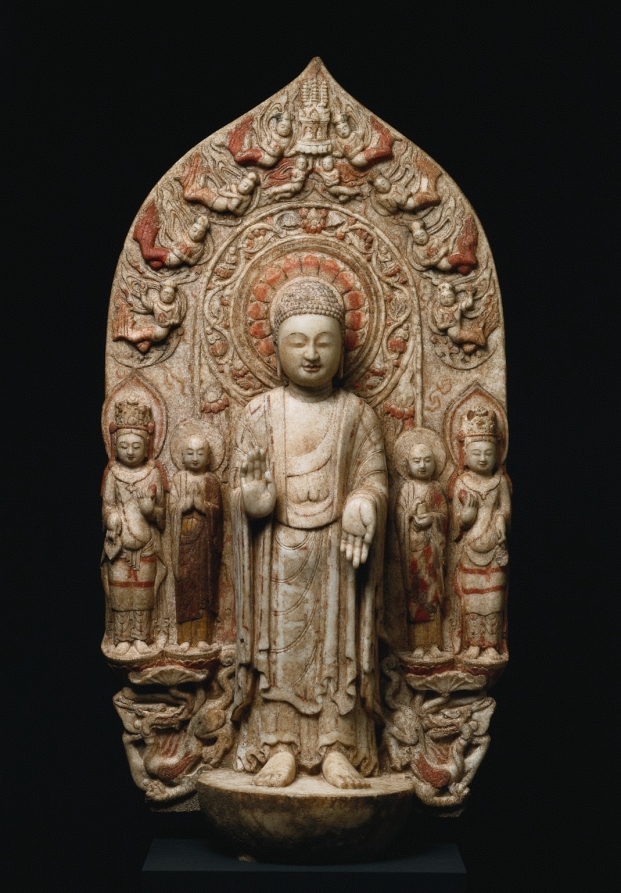
Stele with Shakyamuni and Maitreya at the Cleveland Museum of Art: c. 570s, marble with polychromy. Explore the work's context, creator attribution and collection history.
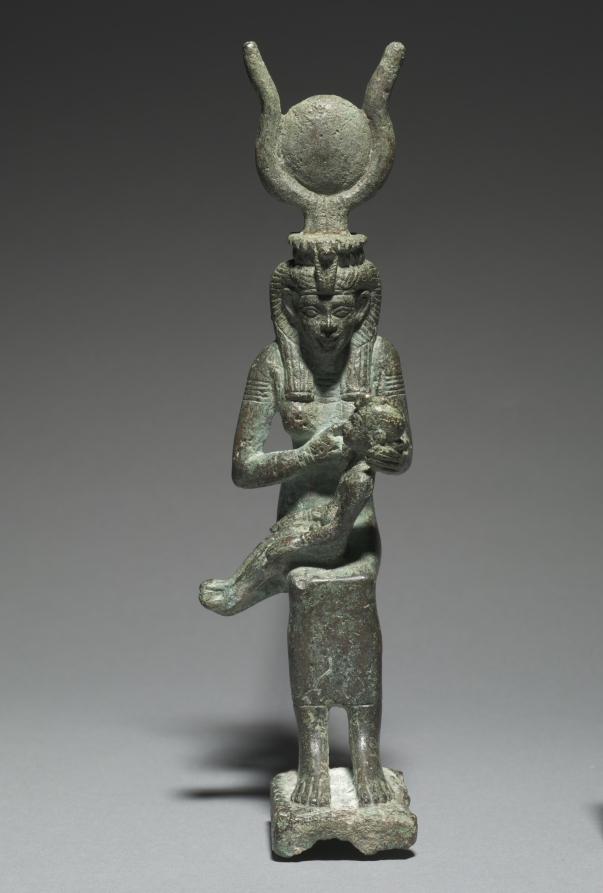
Statuette of Isis and Horus at the Cleveland Museum of Art: 664–30 BCE OR 664–330 BCE, bronze, solid cast. Explore the work's context, creator attribution and collection history.

Black-Figure Band Cup: Stags and Panthers at the Cleveland Museum of Art: c. 540 BCE, ceramic. Explore the work's context, creator attribution and collection history.

Sketch Copy of Natural Disasters, from the Seven Fortunes and Misfortunes at the Cleveland Museum of Art: after 1773, handscroll; ink and color on paper. Explore the work's context, creator attribution and collection history.

Little Briar Rose (Sleeping Beauty) at the Cleveland Museum of Art: 1836, steel etching. Explore the work's context, creator attribution and collection history.

The Old Willow at a Brook at the Cleveland Museum of Art: 1794, etching. Explore the work's context, creator attribution and collection history.
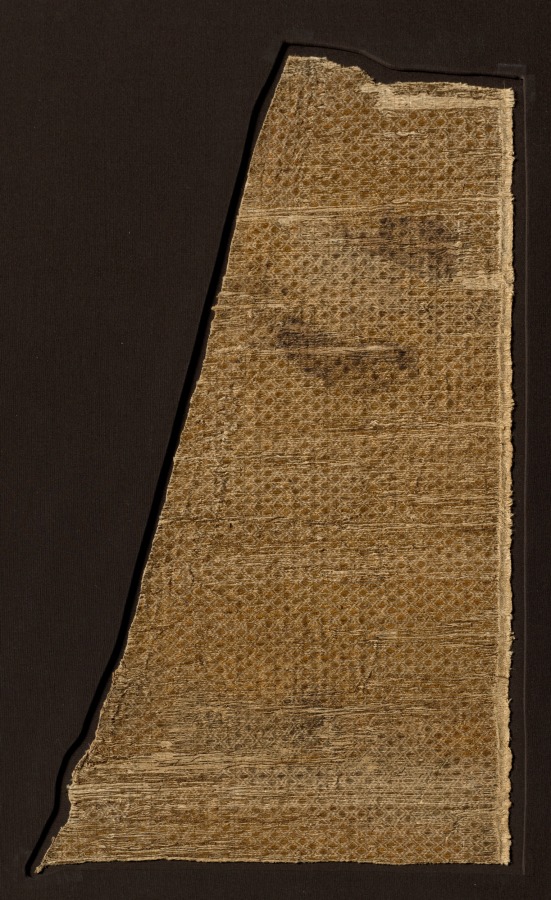
Textile with Diamonds at the Cleveland Museum of Art: 1000s, silk, cotton, and silver thread: tabby with supplementary weft. Explore the work's context, creator attribution and collection history.

Cloth of Gold with Rabbit Wheels at the Cleveland Museum of Art: c. 1225–50, Silk and gold thread: lampas. Explore the work's context, creator attribution and collection history.