Calliope, Muse of Epic Poetry (1798): Art, History and Details
Calliope, Muse of Epic Poetry at the Cleveland Museum of Art: 1798, oil on canvas. Explore the work's context, creator attribution and collection history.
Oldest entries first, in a fixed order. Newly added articles appear at the end. Explore a shuffled selection →

Calliope, Muse of Epic Poetry at the Cleveland Museum of Art: 1798, oil on canvas. Explore the work's context, creator attribution and collection history.
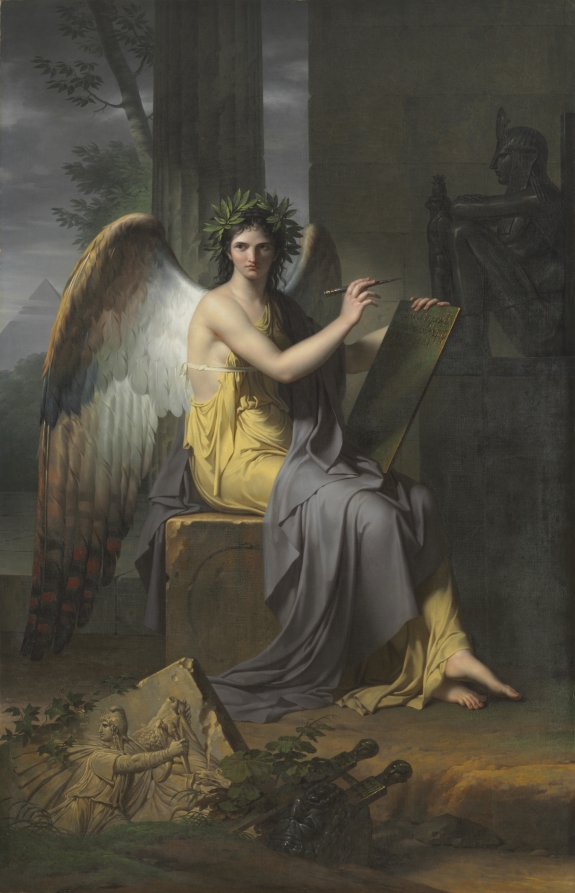
Clio, Muse of History at the Cleveland Museum of Art: 1800, oil on canvas. Explore the work's context, creator attribution and collection history.

Study of a Young Woman Playing a Tambourine, and Studies of an Arm, Hands, and Feet (Studies for "Miriam Leading the Chorus of Women Who Give Thanks for the Routing of Pharoah" at the Cleveland Museum of Art: c. 1711, red chalk. Explore the
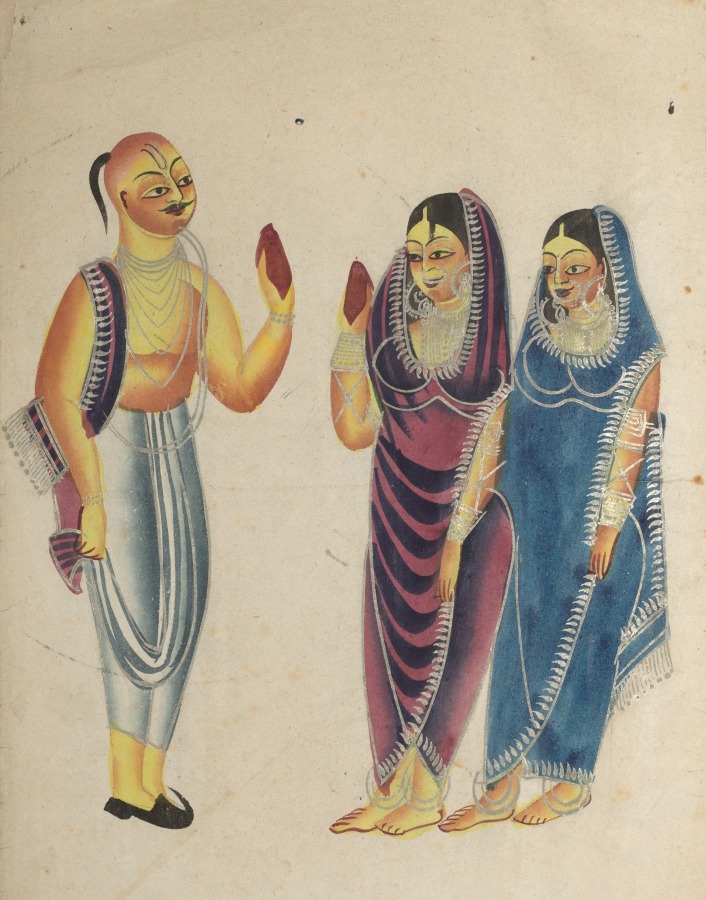
Vaishnava Devotee with Two Women at the Cleveland Museum of Art: c. 1890, Gum tempera, graphite, ink, and tin on paper. Explore the work's context, creator attribution and collection history.

Durga Killing the Demon Mahisha at the Cleveland Museum of Art: c. 1890, Gum tempera, graphite, ink, and tin on paper. Explore the work's context, creator attribution and collection history.
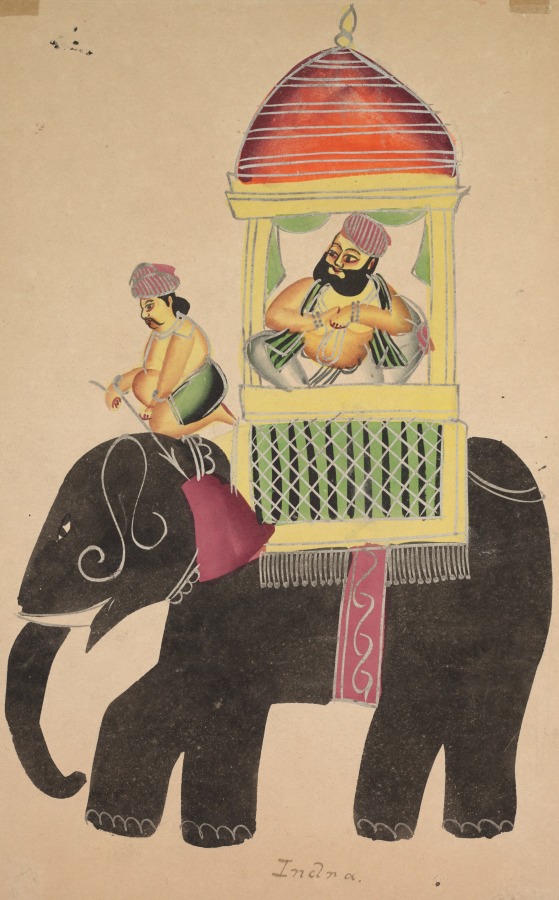
Mahant of Tarakeshwar Rides on an Elephant at the Cleveland Museum of Art: c. 1890, Gum tempera, graphite, ink, and tin on paper. Explore the work's context, creator attribution and collection history.
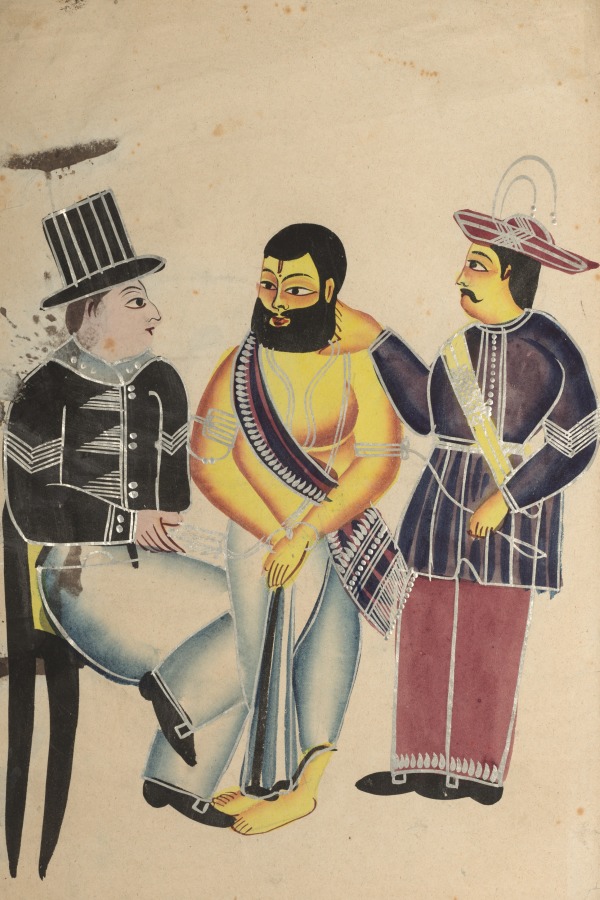
Jailer Receiving the Mahant of Tarakeshwar in Prison at the Cleveland Museum of Art: c. 1890, Black ink, gum tempera, and tin paint, with graphite underdrawing on paper. Explore the work's context, creator attribution and collection history
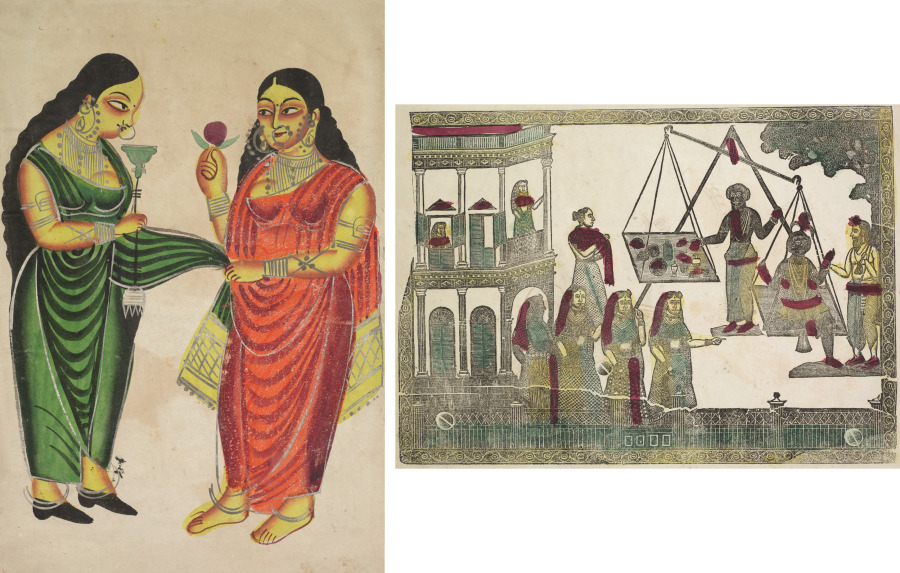
Leaf from a Kalighat album: Maid bringing a hookah to a lady (recto); Krishna weighed against precious objects(?) (verso) at the Cleveland Museum of Art: c. 1890, Gum tempera, graphite, ink, and tin on paper; Woodcut, hand colored with gum
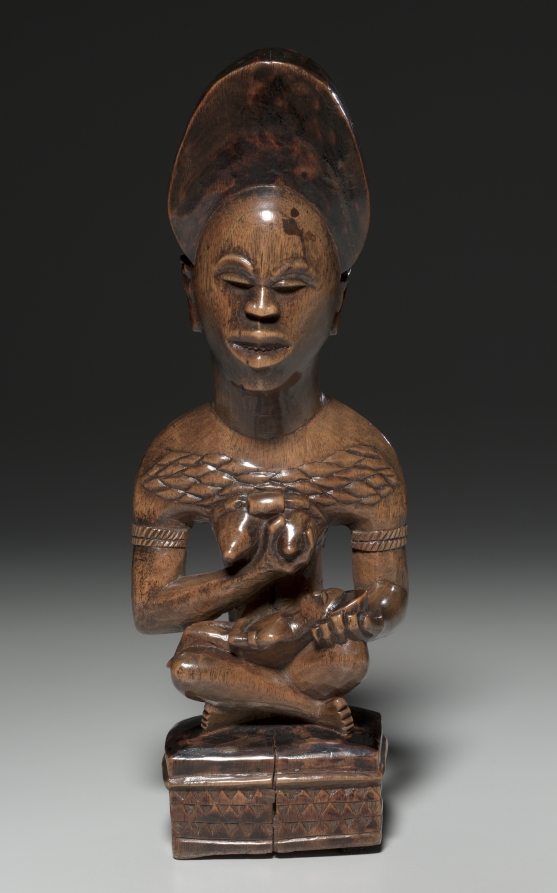
Woman and Child at the Cleveland Museum of Art: mid- to late 1800s, Wood. Explore the work's context, creator attribution and collection history.
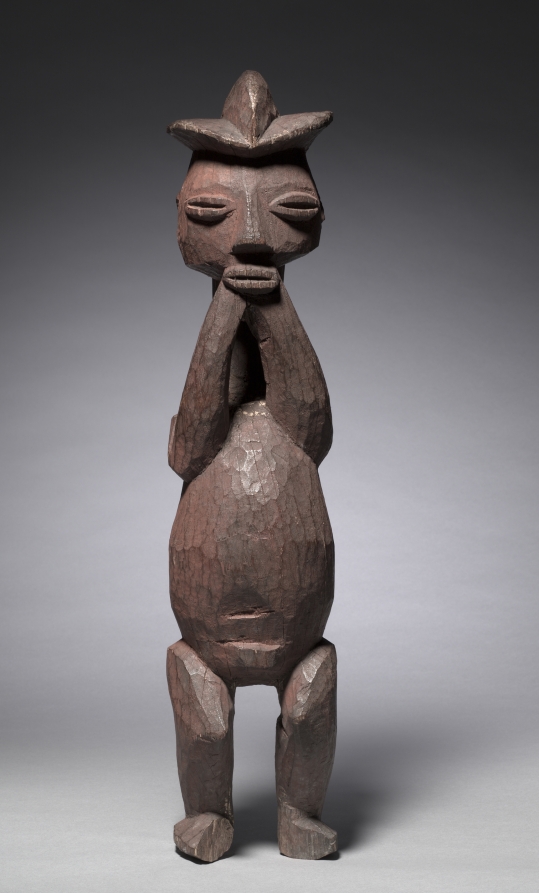
Male Figure at the Cleveland Museum of Art: mid- to late 1800s, Wood and colorant. Explore the work's context, creator attribution and collection history.
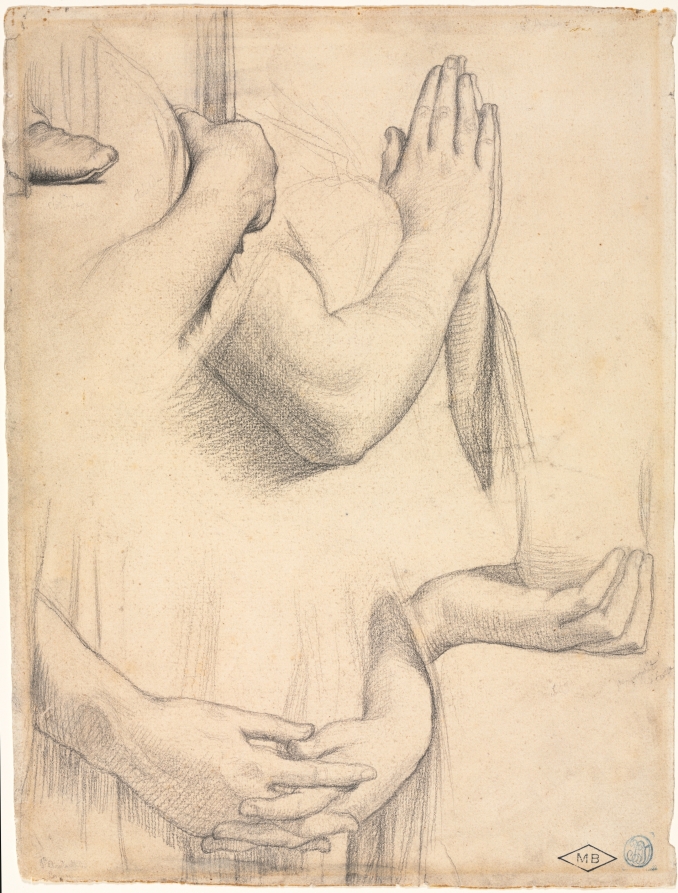
Study of Hands at the Cleveland Museum of Art: 1842, graphite with traces of white heightening on ivory laid paper. Explore the work's context, creator attribution and collection history.
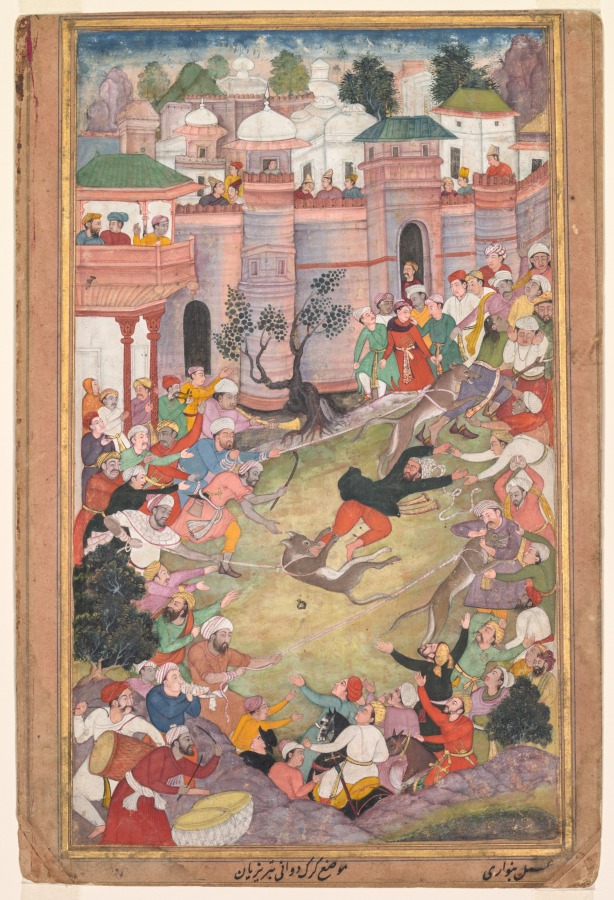
The game of wolf-running in Tabriz, from an Akbar-nama (Book of Akbar) at the Cleveland Museum of Art: c. 1595–1600, Gum tempera, ink, and gold on paper. Explore the work's context, creator attribution and collection history.

Oculate Being Mask at the Cleveland Museum of Art: 300 BCE–1 CE (thermoluminescence date, 835 BC–185 CE), ceramic, resin-based paint. Explore the work's context, creator attribution and collection history.

Portrait of Narcisse Virgile Diaz de la Peña at the Cleveland Museum of Art: 1848, black chalk with heightening in pale green-blue chalk. Explore the work's context, creator attribution and collection history.

Tree Root at the Cleveland Museum of Art: before 1800s, wood with carved base. Explore the work's context, creator attribution and collection history.
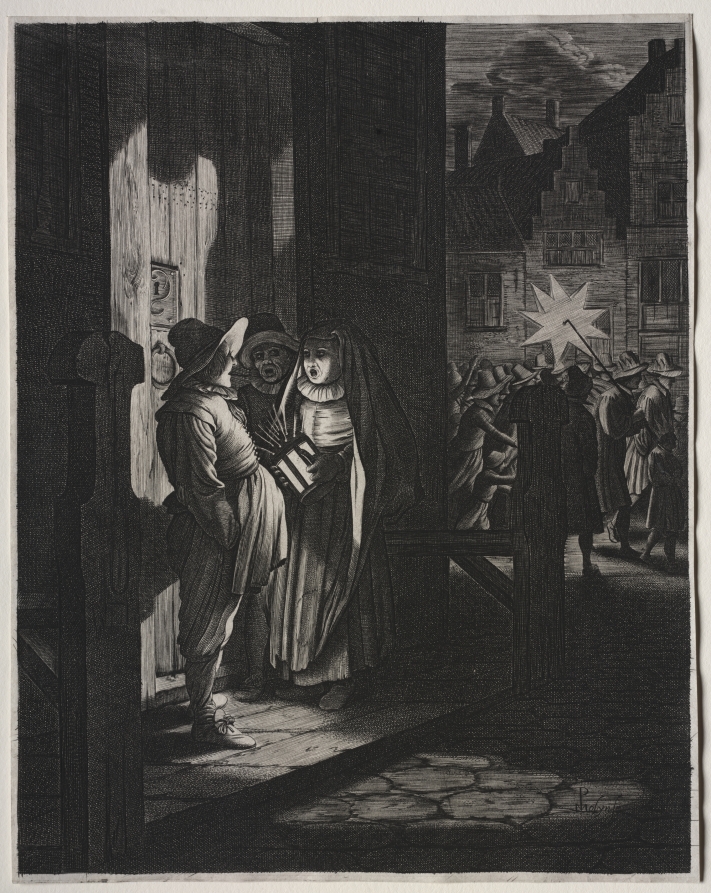
Star of Kings, A Night Piece at the Cleveland Museum of Art: 1630, engraving. Explore the work's context, creator attribution and collection history.

The Cathedral at the Cleveland Museum of Art: 1886, etching. Explore the work's context, creator attribution and collection history.

The Woman Taking Coffee at the Cleveland Museum of Art: 1774, Color pastel–manner etching and engraving with applied gold leaf. Explore the work's context, creator attribution and collection history.

The Milk Woman at the Cleveland Museum of Art: 1774, color-pastel–manner etching and engraving with applied gold leaf. Explore the work's context, creator attribution and collection history.
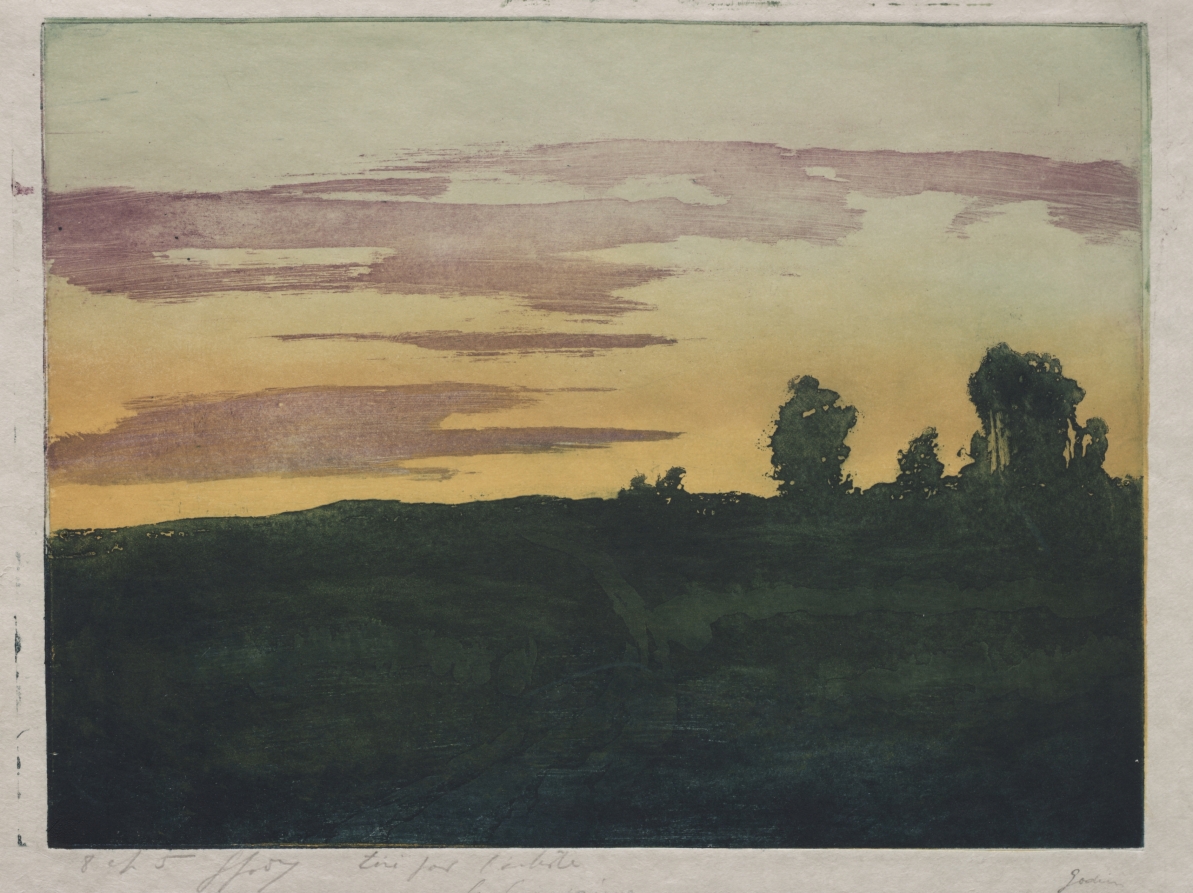
The Yellow Evening at the Cleveland Museum of Art: c. 1904, color aquatint. Explore the work's context, creator attribution and collection history.

Charger at the Cleveland Museum of Art: 1878, glazed and gilt earthenware. Explore the work's context, creator attribution and collection history.
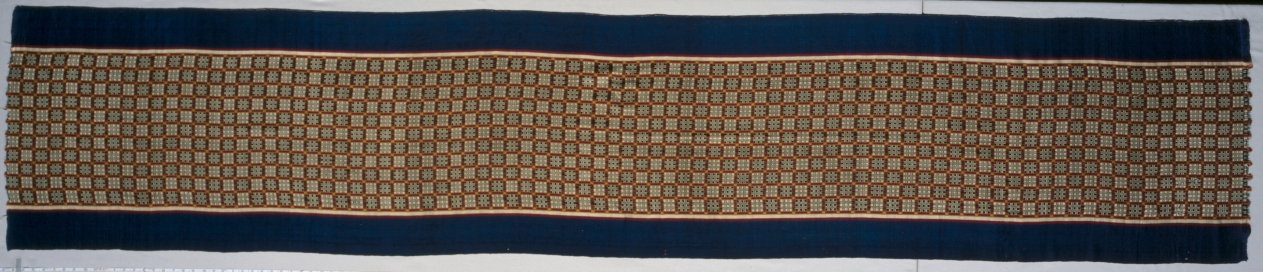
Wall Hanging (msimsim) at the Cleveland Museum of Art: 1800s, Silk, dye. Explore the work's context, creator attribution and collection history.
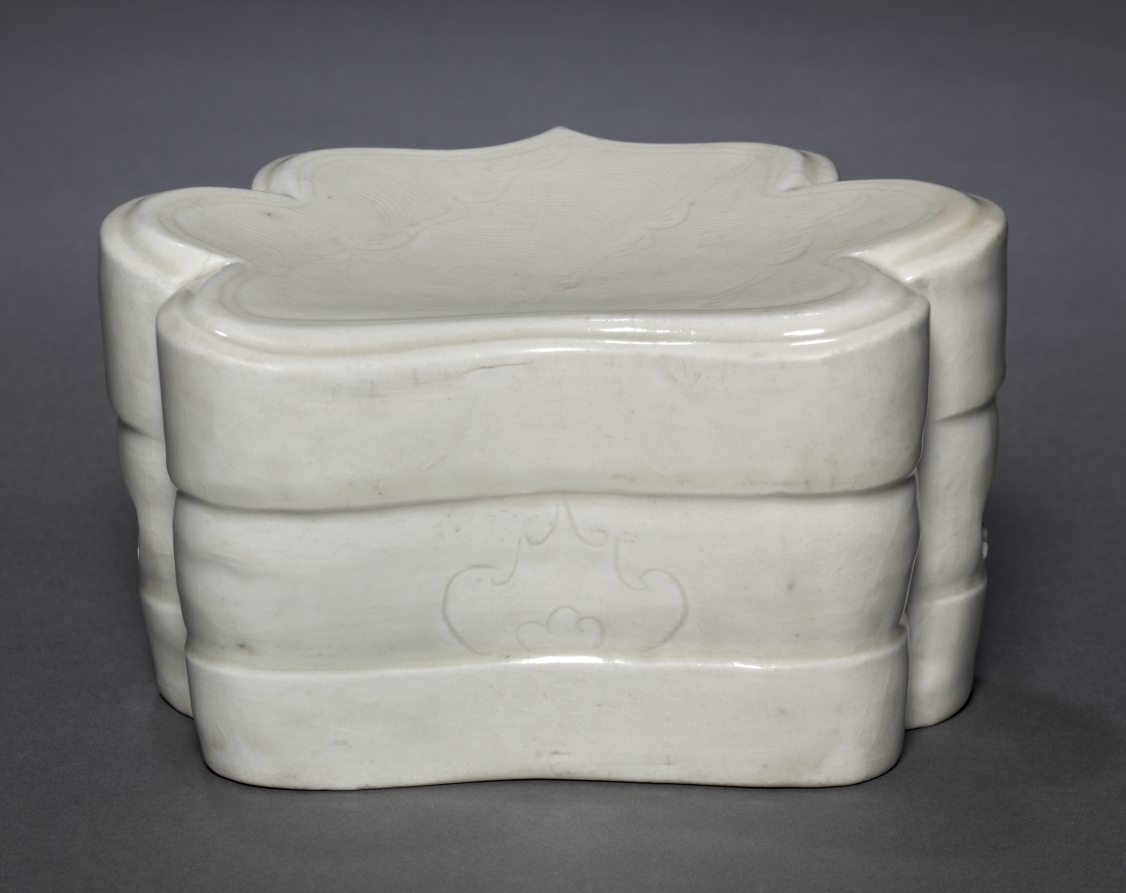
Cloud-Collar Pillow with Waves at the Cleveland Museum of Art: 1000s–1100s, glazed porcelain with incised and carved decoration. Explore the work's context, creator attribution and collection history.
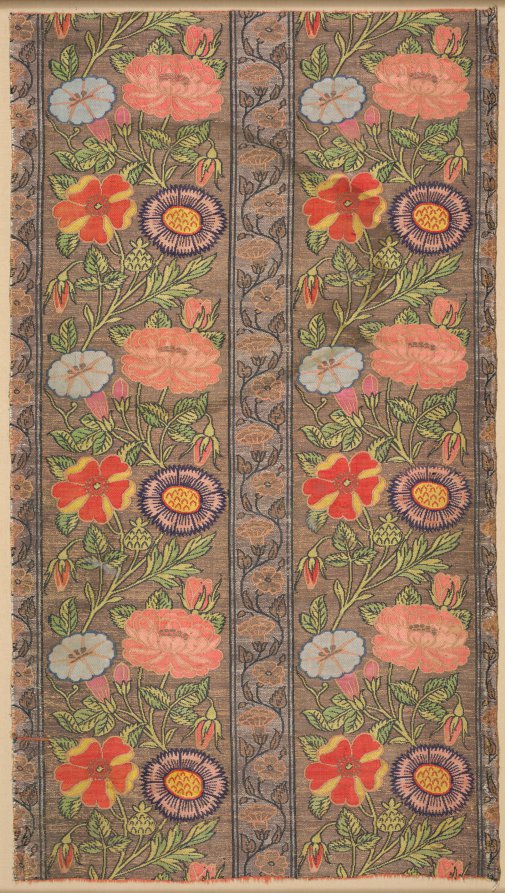
Floral striped silk on a golden ground at the Cleveland Museum of Art: 1600–1650, silk, gilt- and silver-metal thread: samite. Explore the work's context, creator attribution and collection history.
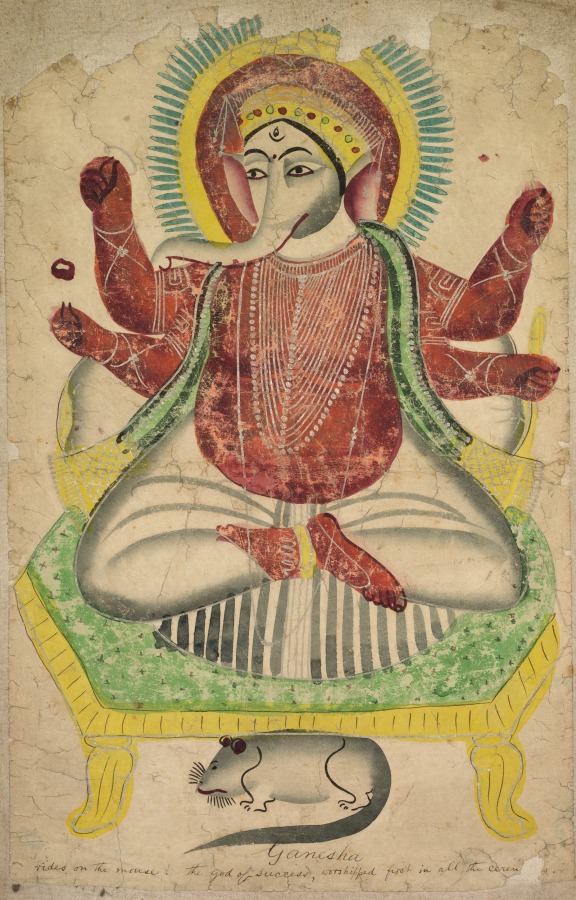
Ganesh at the Cleveland Museum of Art: c. 1890, Gum tempera, graphite, and tin on paper lined with cloth. Explore the work's context, creator attribution and collection history.
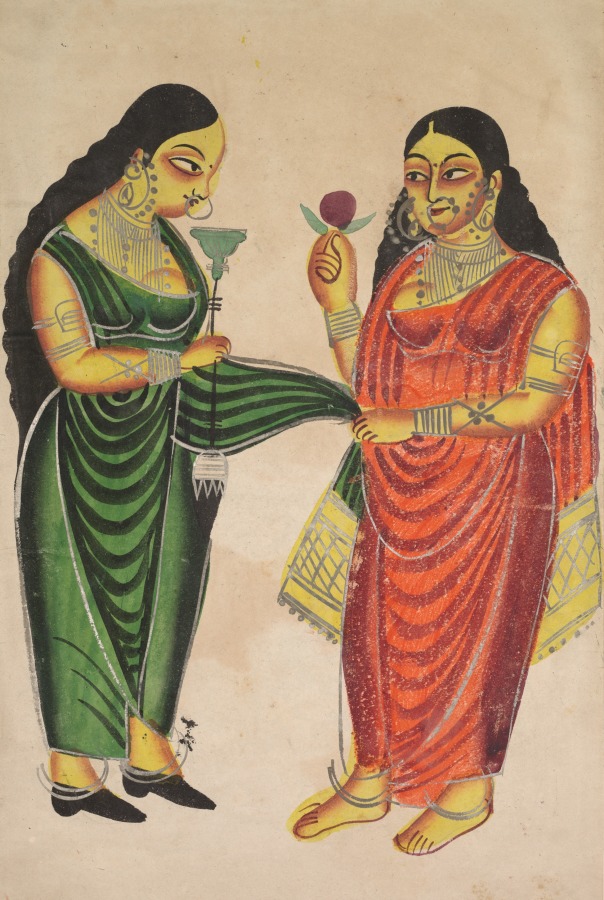
Maid bringing a hookah to a lady (recto), from a Kalighat album at the Cleveland Museum of Art: c. 1890, Gum tempera, graphite, ink, and tin on paper. Explore the work's context, creator attribution and collection history.
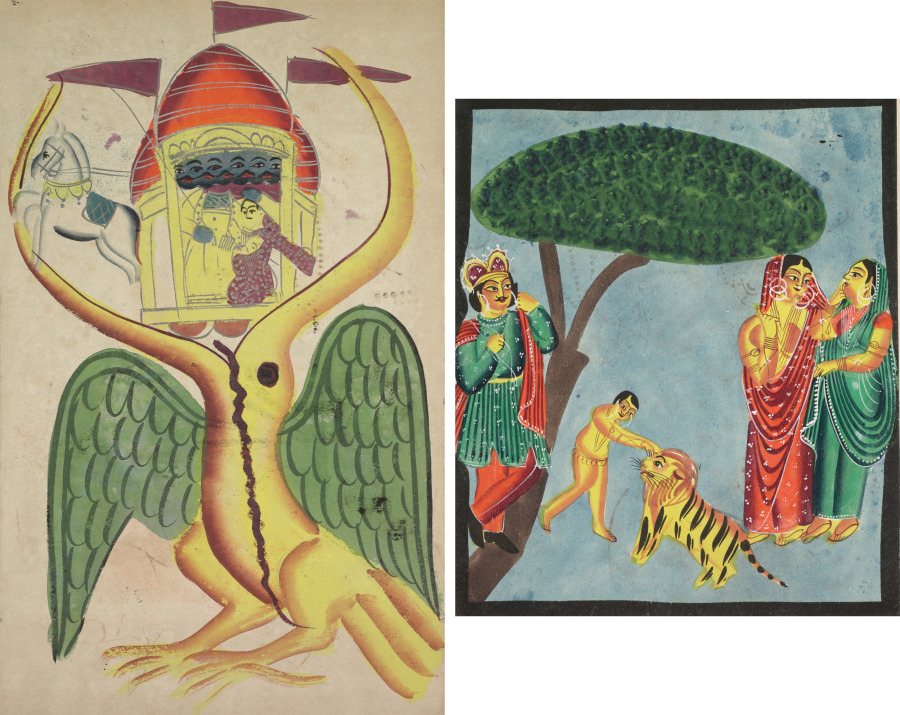
Leaf from a Kalighat album: Jatayu hinders Ravana’s chariot, trying to prevent the abduction of Sita (recto); Dushyanta watching his son Bharat playing with the tiger at the end of the Abhijnanashakuntalam (verso) at the Cleveland Museum of

Jatayu hinders Ravana’s chariot, trying to prevent the abduction of Sita (recto), from a Kalighat album at the Cleveland Museum of Art: c. 1890, Gum tempera, graphite, and tin on paper. Explore the work's context, creator attribution and co
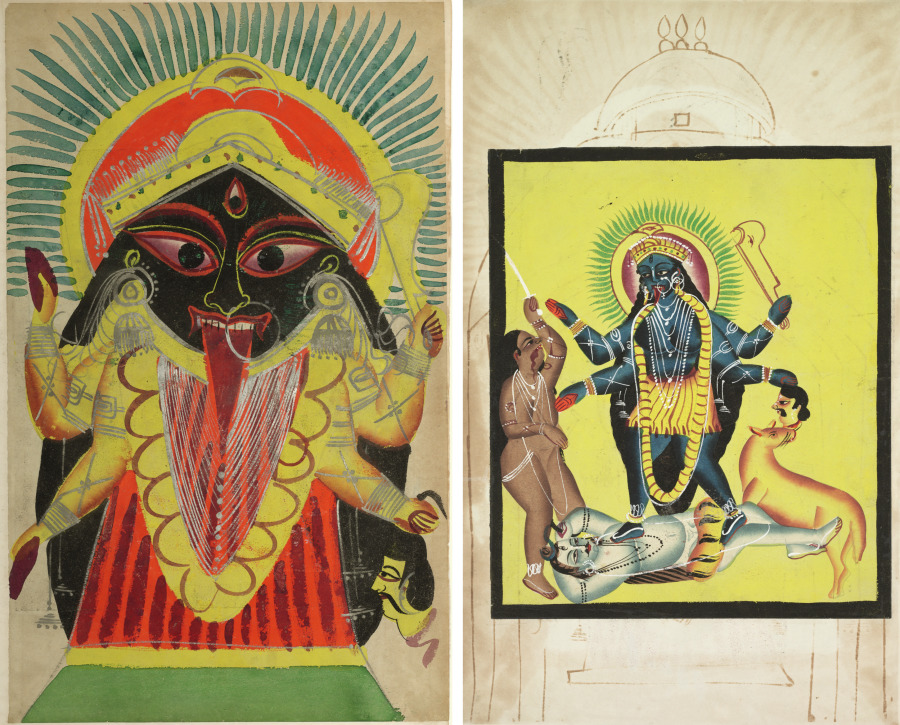
Leaf from a Kalighat album: The Goddess Kali (recto); Kali Standing on Shiva (verso) at the Cleveland Museum of Art: c. 1890, Gum tempera, graphite, ink, and tin on paper. Explore the work's context, creator attribution and collection histo
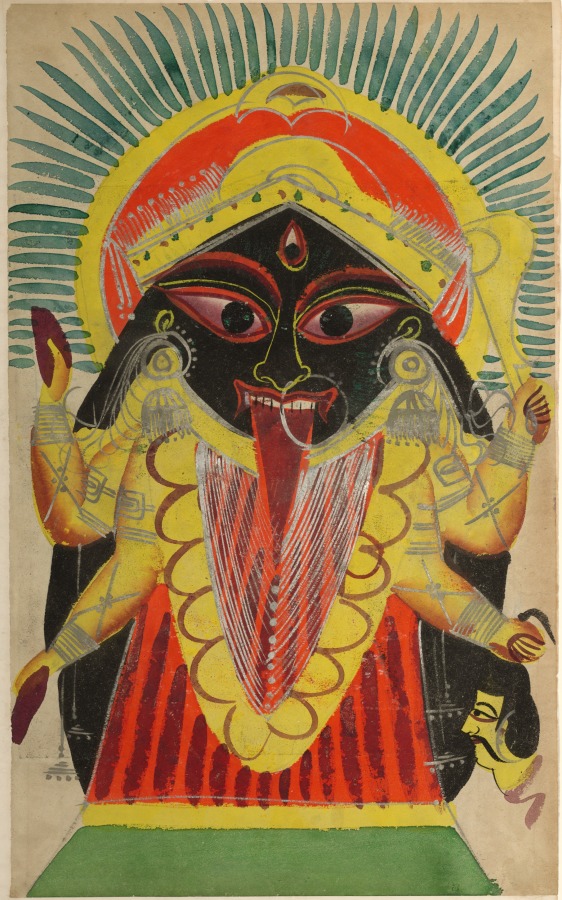
The Goddess Kali (recto), from a Kalighat album at the Cleveland Museum of Art: c. 1890, Gum tempera, graphite, ink, and tin on paper. Explore the work's context, creator attribution and collection history.
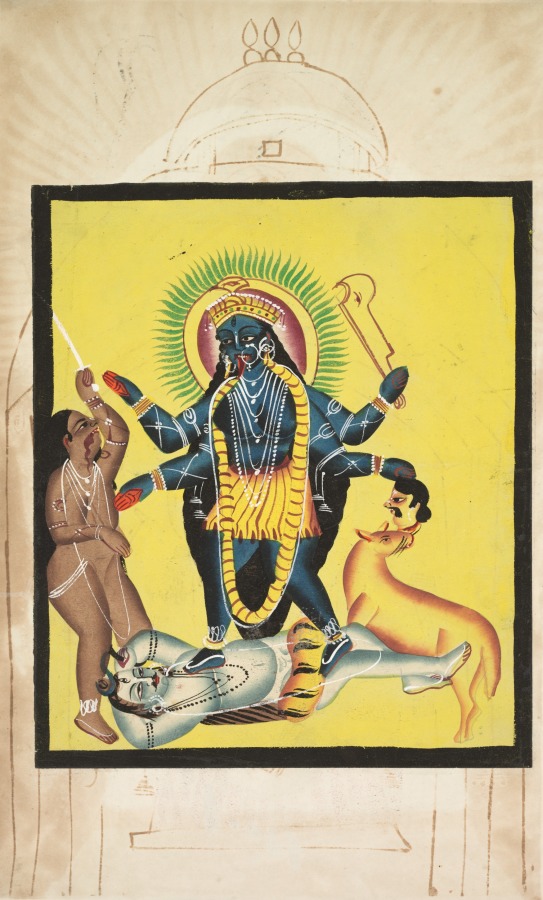
Kali Standing on Shiva (verso), from a Kalighat album at the Cleveland Museum of Art: c. 1890, Gum tempera, graphite, and ink on paper. Explore the work's context, creator attribution and collection history.
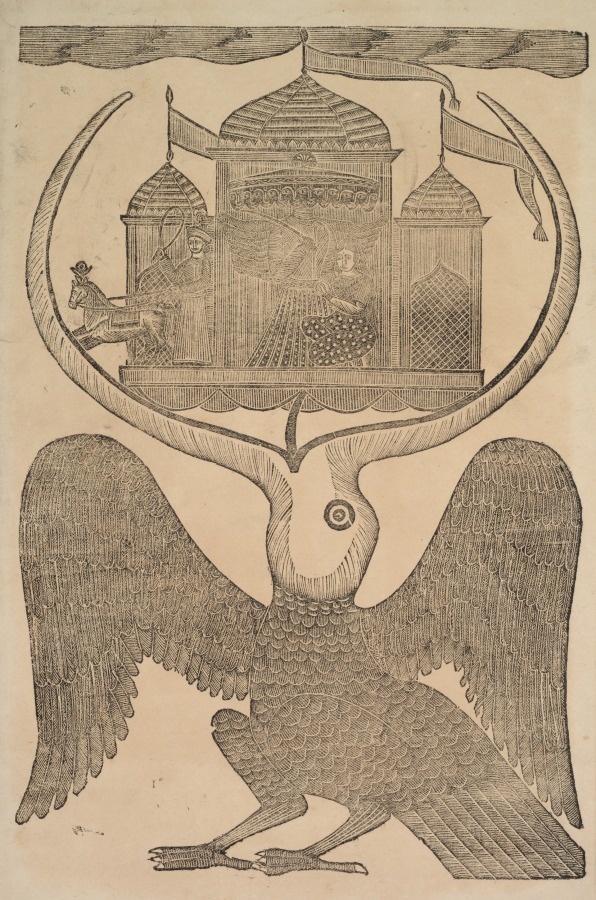
Jatayu hinders Ravana’s chariot trying to prevent Sita’s abduction (recto), from a Kalighat album at the Cleveland Museum of Art: c. 1890, woodcut. Explore the work's context, creator attribution and collection history.
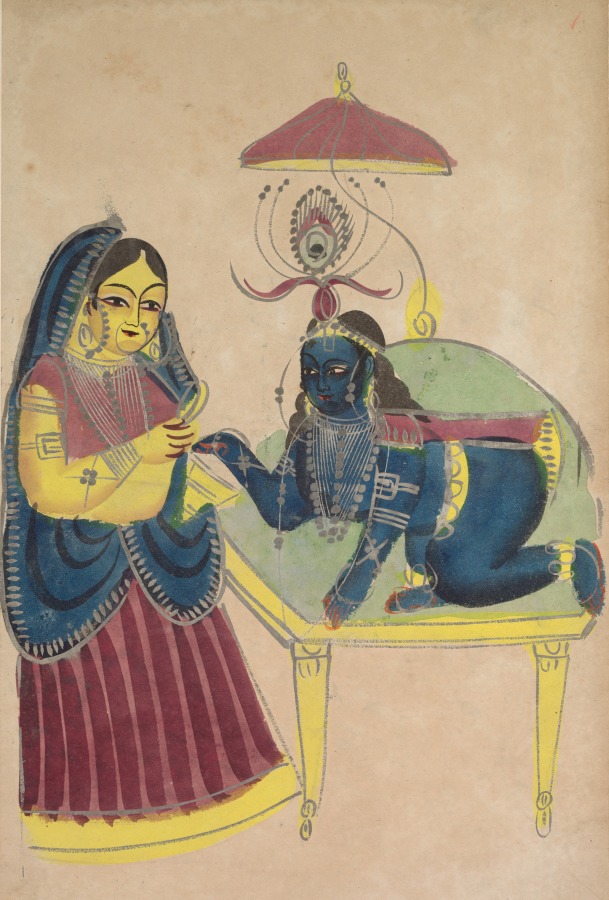
Baby Krishna Asking for Butter from Yashoda, from a Kalighat album at the Cleveland Museum of Art: c. 1890, Gum tempera, graphite, ink, and tin on paper. Explore the work's context, creator attribution and collection history.
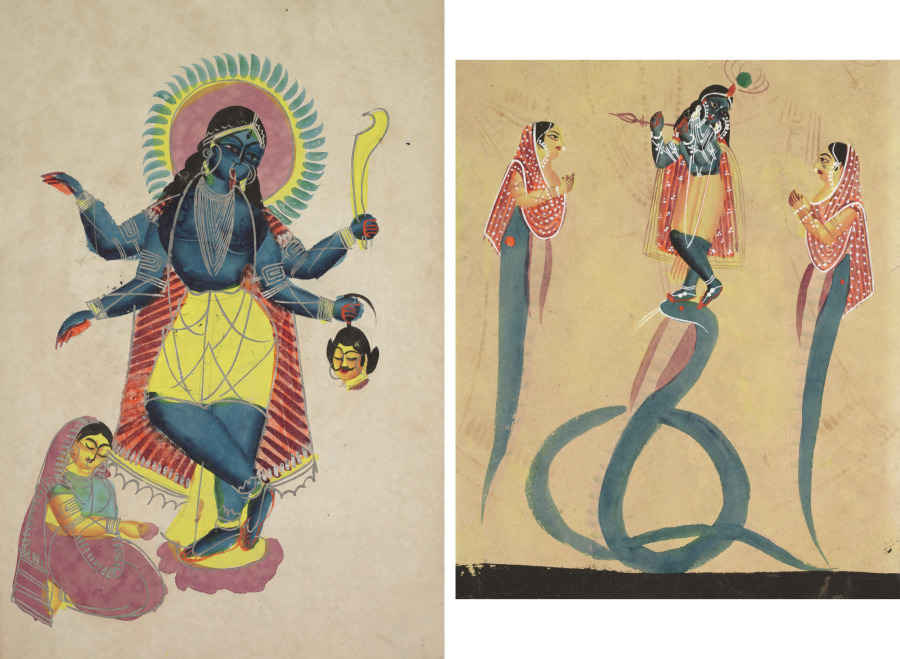
Leaf from a Kalighat album: Krishna as Kali worshipped by Radha (recto); Krishna quells the serpent Kaliya (verso) at the Cleveland Museum of Art: c. 1890, Gum tempera, graphite, and ink on paper. Explore the work's context, creator attribu

Krishna as Kali worshipped by Radha (recto), from a Kalighat album at the Cleveland Museum of Art: c. 1890, Gum tempera, graphite, and ink on paper. Explore the work's context, creator attribution and collection history.

Krishna quells the serpent Kaliya (verso), from a Kalighat album at the Cleveland Museum of Art: c. 1890, Gum tempera, graphite, and ink on paper. Explore the work's context, creator attribution and collection history.
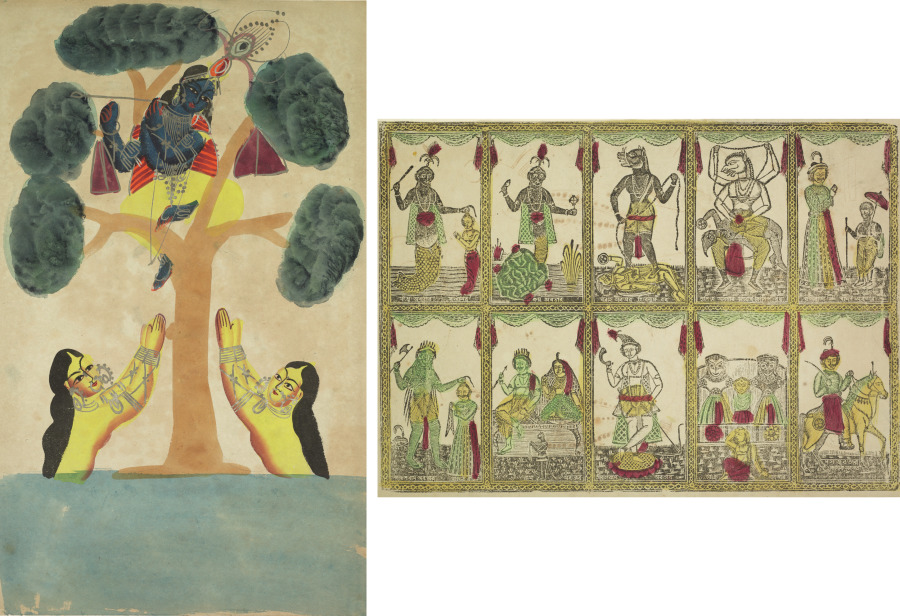
Leaf from a Kalighat album: Krishna Steals the Clothes of the Cowgirls (Gopis) (recto); Das Avataras, Ten Incarnations of Vishnu (verso) at the Cleveland Museum of Art: c. 1890, Gum tempera, graphite, ink, and tin on paper; Woodcut, hand co
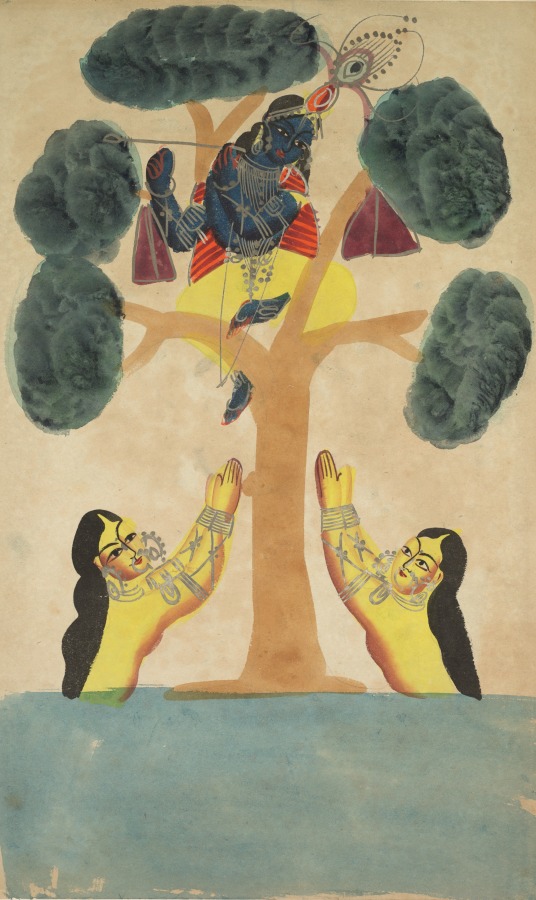
Krishna Steals the Clothes of the Cowgirls (Gopis) (recto), from a Kalighat album at the Cleveland Museum of Art: c. 1890, Gum tempera, graphite, ink, and tin on paper. Explore the work's context, creator attribution and collection history.
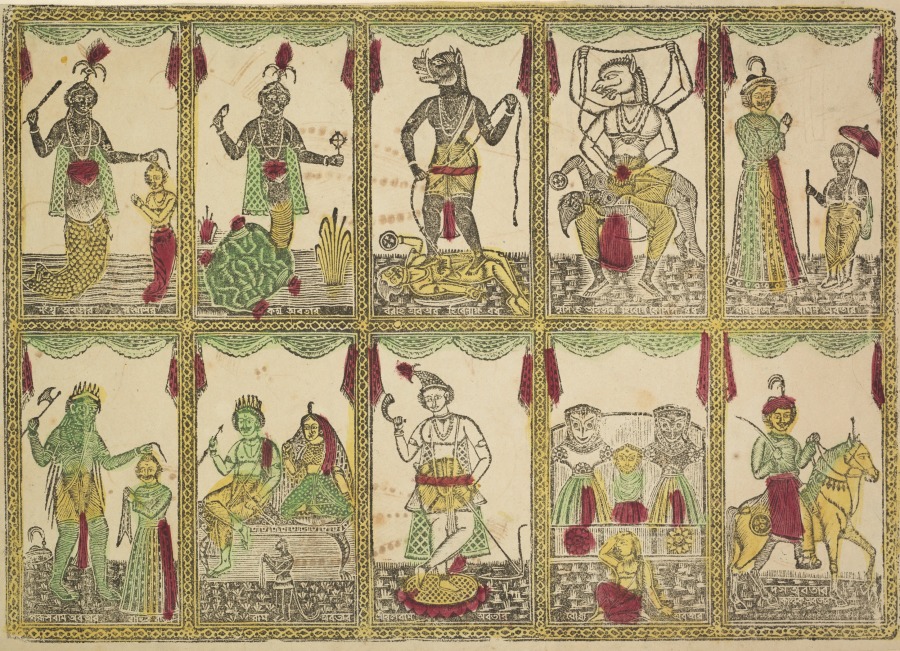
Das Avataras, Ten Incarnations of Vishnu (verso), from a Kalighat album at the Cleveland Museum of Art: c. 1890, Woodcut, hand colored with gum tempera. Explore the work's context, creator attribution and collection history.

Barber Cleaning a Woman’s Ear at the Cleveland Museum of Art: c. 1890, Gum tempera, graphite, ink, and tin on paper. Explore the work's context, creator attribution and collection history.