Shawabty of Ditamenpaankh (715–656 BCE): Art, History and Details
Shawabty of Ditamenpaankh at the Cleveland Museum of Art: 715–656 BCE, terracotta. Explore the work's context, creator attribution and collection history.
Art, objects and design: documented collection guides from open museums.
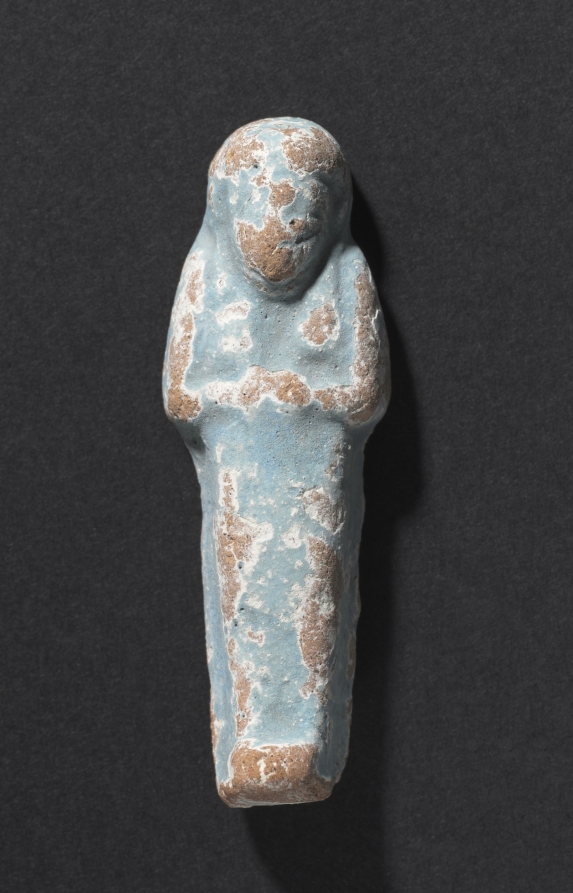
Shawabty of Ditamenpaankh at the Cleveland Museum of Art: 715–656 BCE, terracotta. Explore the work's context, creator attribution and collection history.
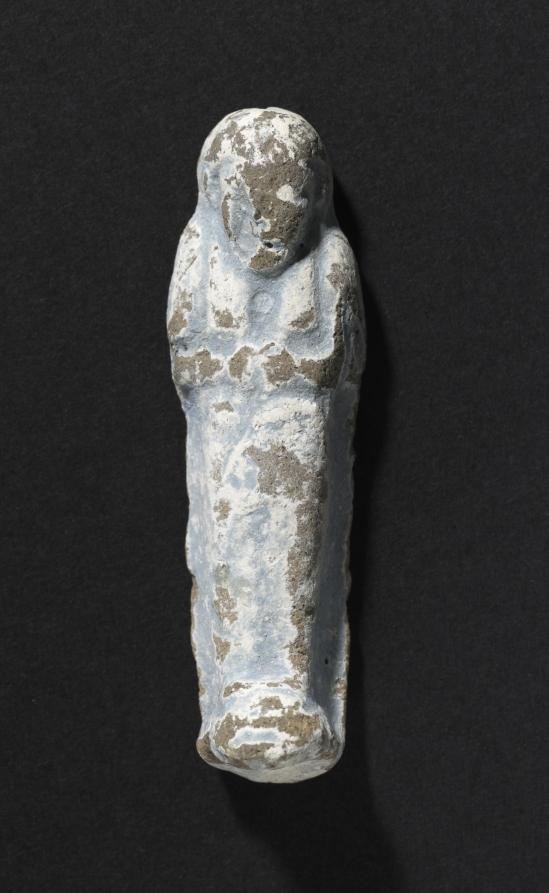
Shawabty of Ditamenpaankh at the Cleveland Museum of Art: 715–656 BCE, terracotta. Explore the work's context, creator attribution and collection history.
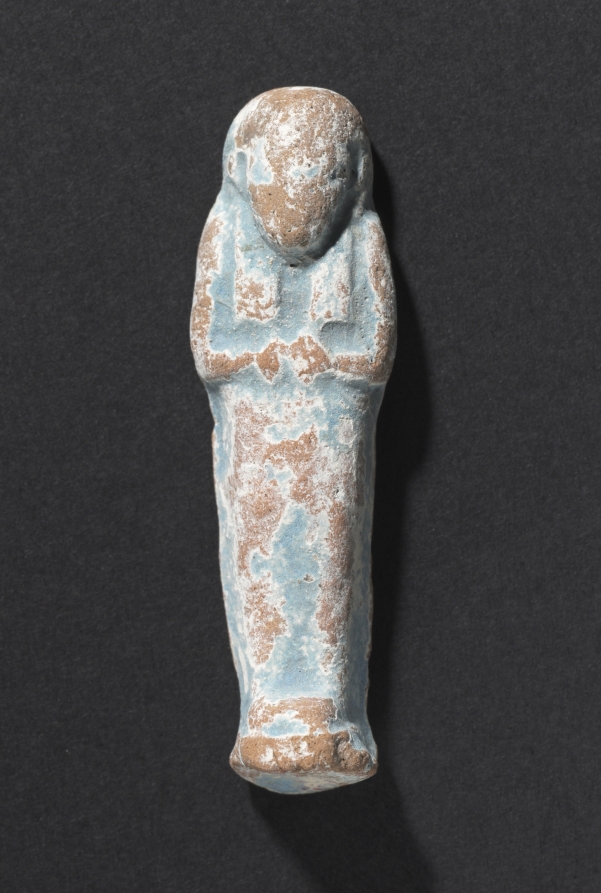
Shawabty of Ditamenpaankh at the Cleveland Museum of Art: 715–656 BCE, terracotta. Explore the work's context, creator attribution and collection history.
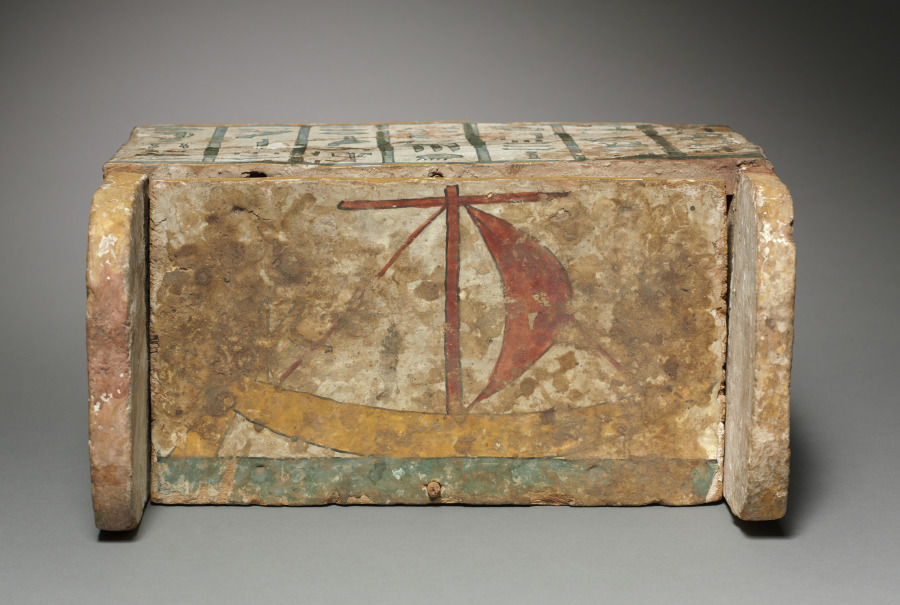
Shawabty Box of Ditamenpaankh (cover) at the Cleveland Museum of Art: 715–656 BCE, painted wood. Explore the work's context, creator attribution and collection history.
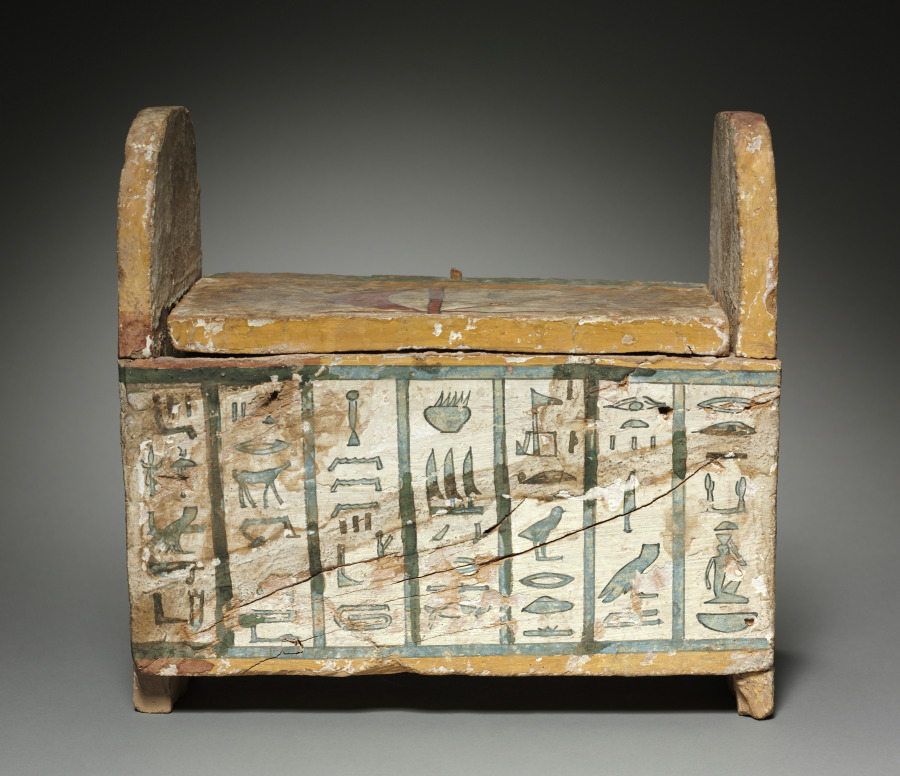
Shawabty Box of Ditamenpaankh at the Cleveland Museum of Art: 715–656 BCE, painted wood. Explore the work's context, creator attribution and collection history.
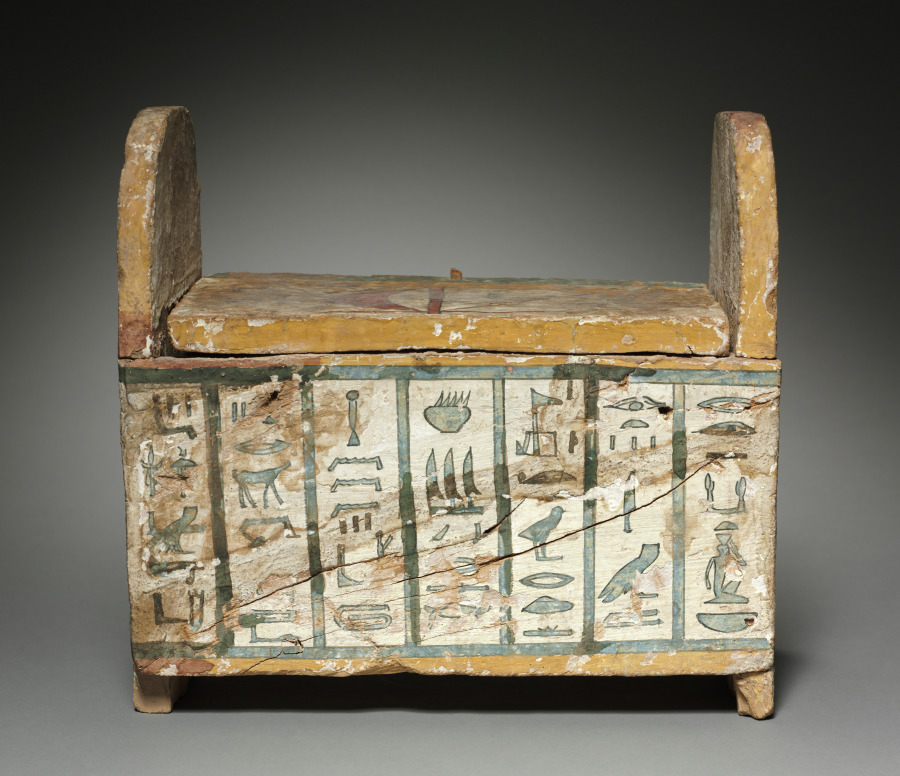
Covered Box for Shawabtys of Ditamenpaankh at the Cleveland Museum of Art: 715–656 BCE, painted wood. Explore the work's context, creator attribution and collection history.
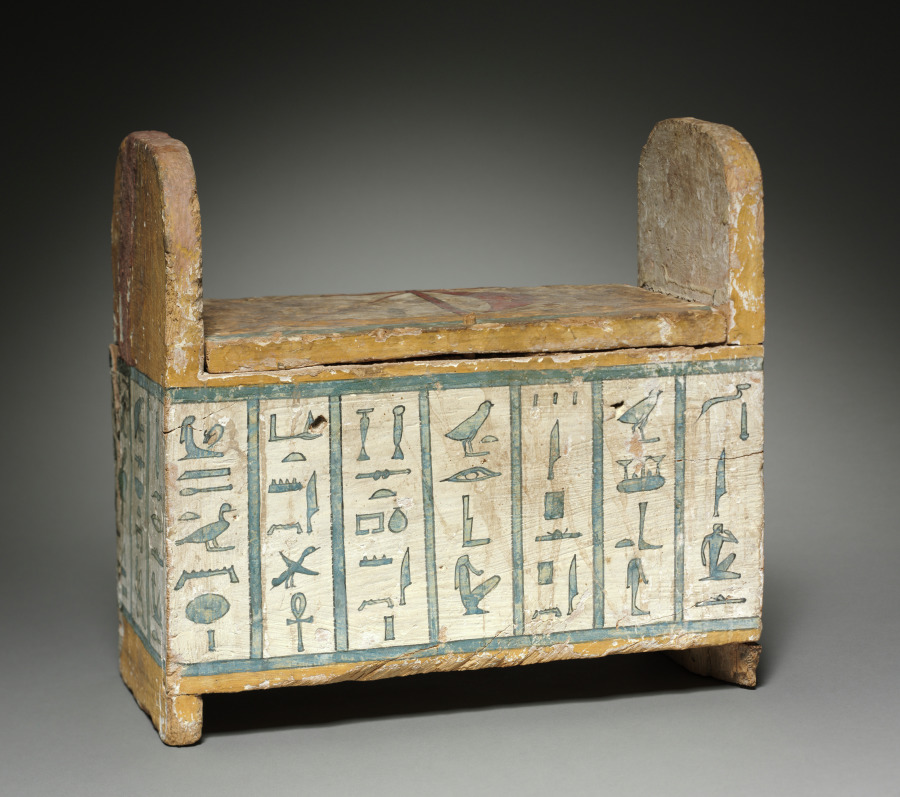
Covered Box and Shawabtys of Ditamenpaankh at the Cleveland Museum of Art: 715–656 BCE, terracotta. Explore the work's context, creator attribution and collection history.
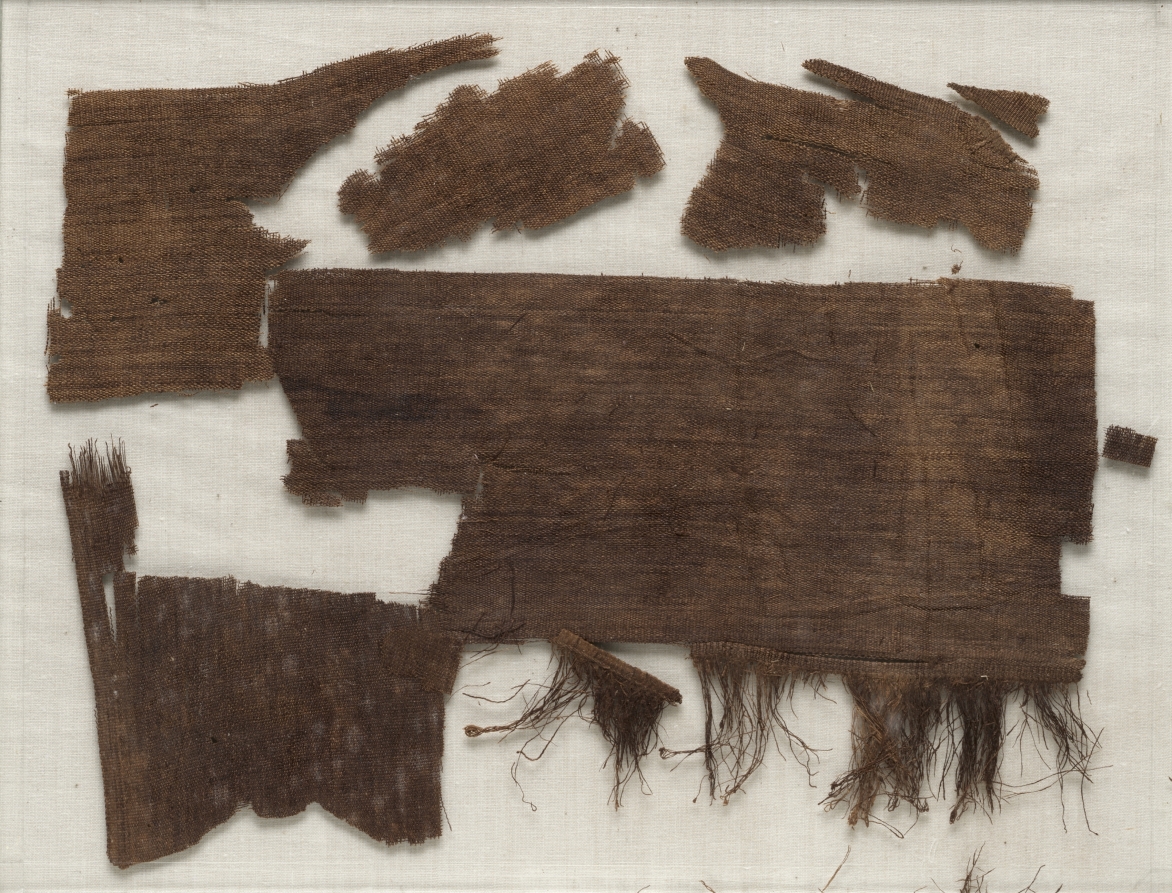
Fragments of Egyptian Mummy Wrappings fround in Senbi Coffin at the Cleveland Museum of Art: c. 1918–1859 BCE, linen; plain weave. Explore the work's context, creator attribution and collection history.
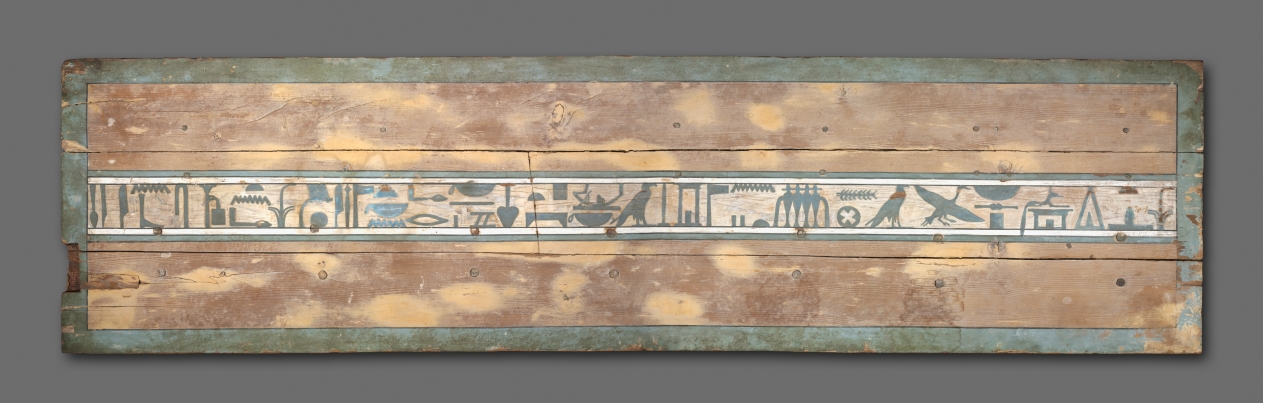
Coffin of Senbi (Lid) at the Cleveland Museum of Art: 1918–1859 BCE, gessoed and painted cedar. Explore the work's context, creator attribution and collection history.
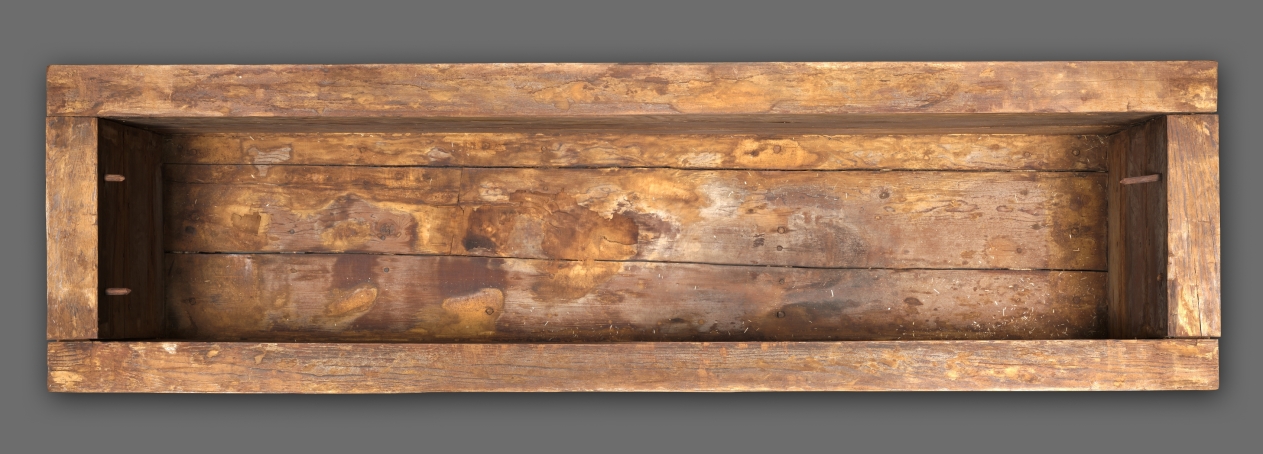
Coffin of Senbi at the Cleveland Museum of Art: c. 1918–1859 BCE, gessoed and painted cedar. Explore the work's context, creator attribution and collection history.
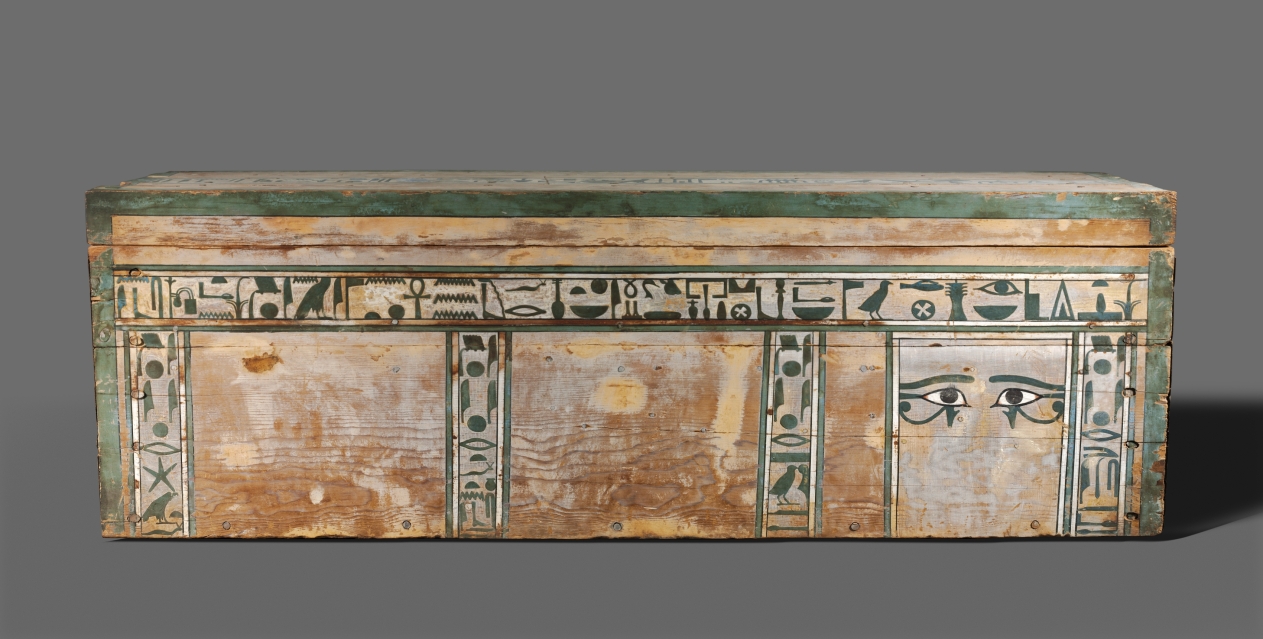
Coffin of Senbi at the Cleveland Museum of Art: c. 1918–1859 BCE, gessoed and painted cedar. Explore the work's context, creator attribution and collection history.
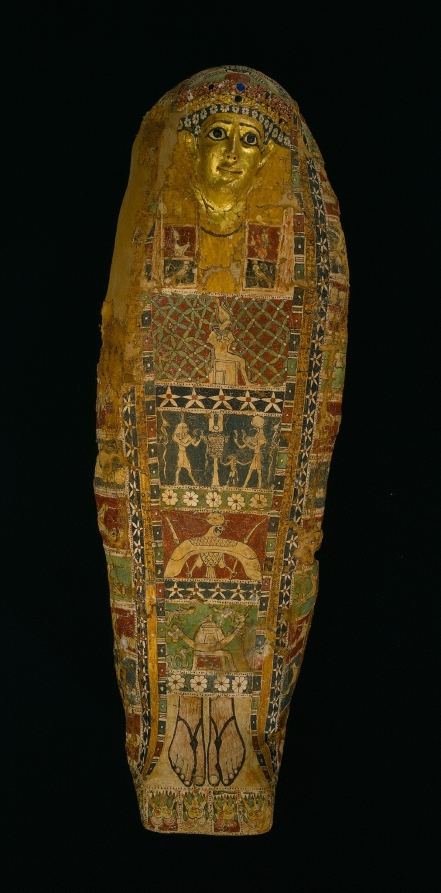
Cartonnage Mummy Case at the Cleveland Museum of Art: c. 50 BCE–50 CE, cartonnage, painted and gilded, with glass inlays. Explore the work's context, creator attribution and collection history.
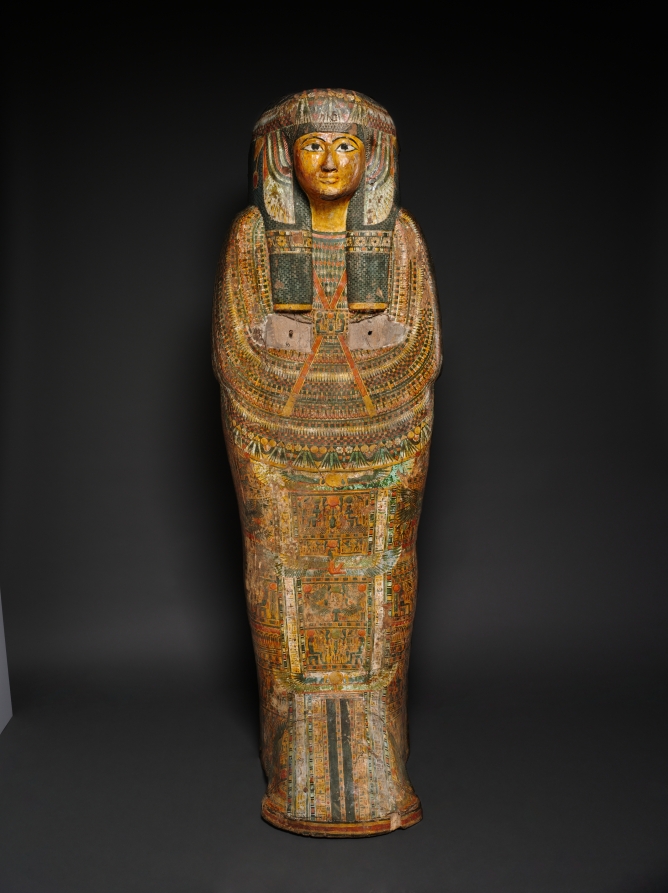
Coffin of Nesykhonsu (lid) at the Cleveland Museum of Art: c. 976–889 BCE, gessoed and painted sycamore fig. Explore the work's context, creator attribution and collection history.
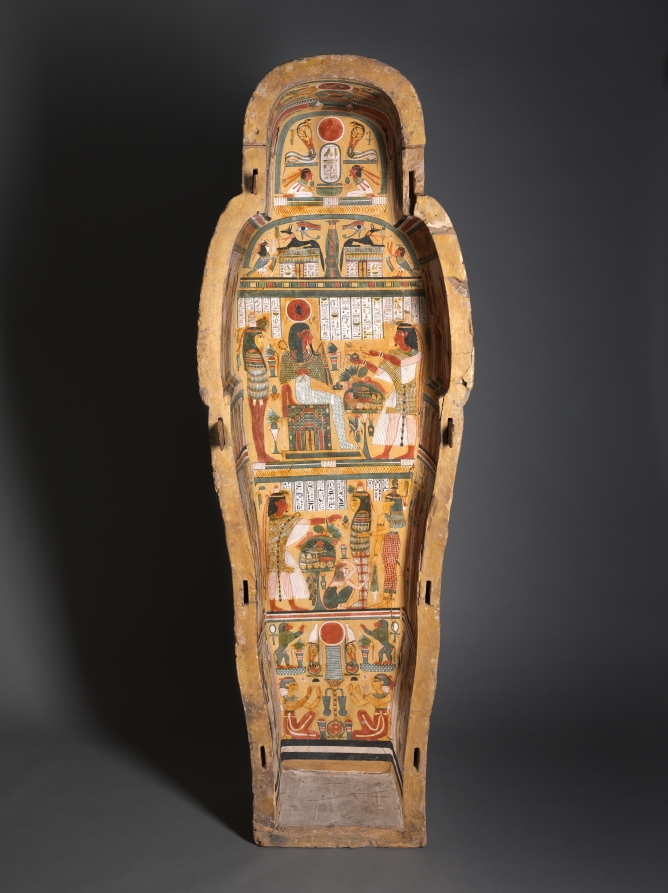
Coffin of Nesykhonsu at the Cleveland Museum of Art: c. 976–889 BCE, gessoed and painted sycamore fig. Explore the work's context, creator attribution and collection history.
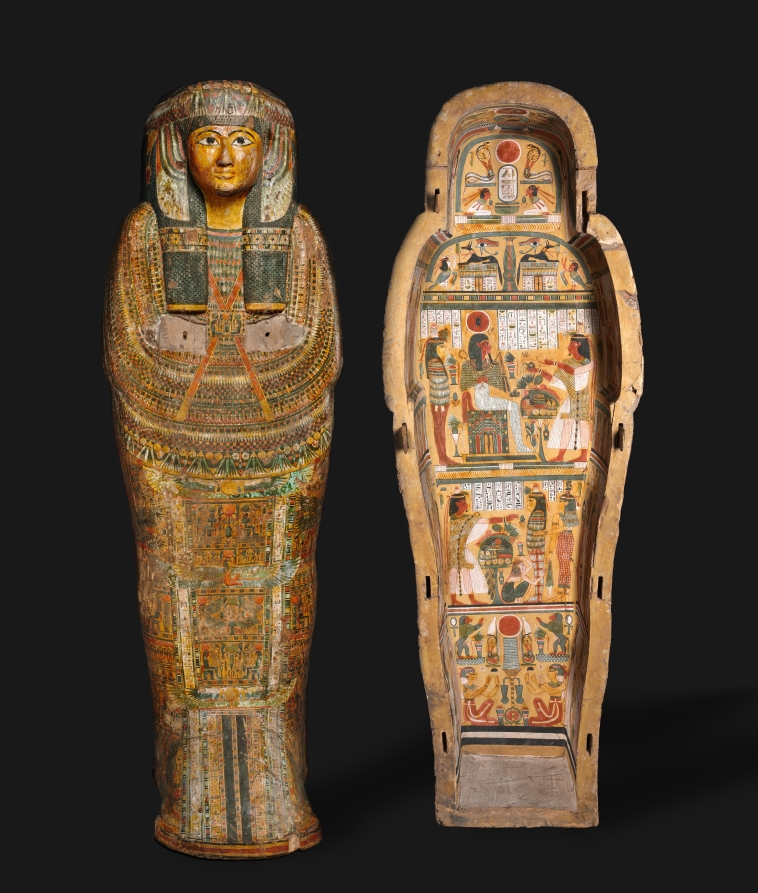
Coffin of Nesykhonsu at the Cleveland Museum of Art: c. 976–889 BCE, gessoed and painted sycamore fig. Explore the work's context, creator attribution and collection history.
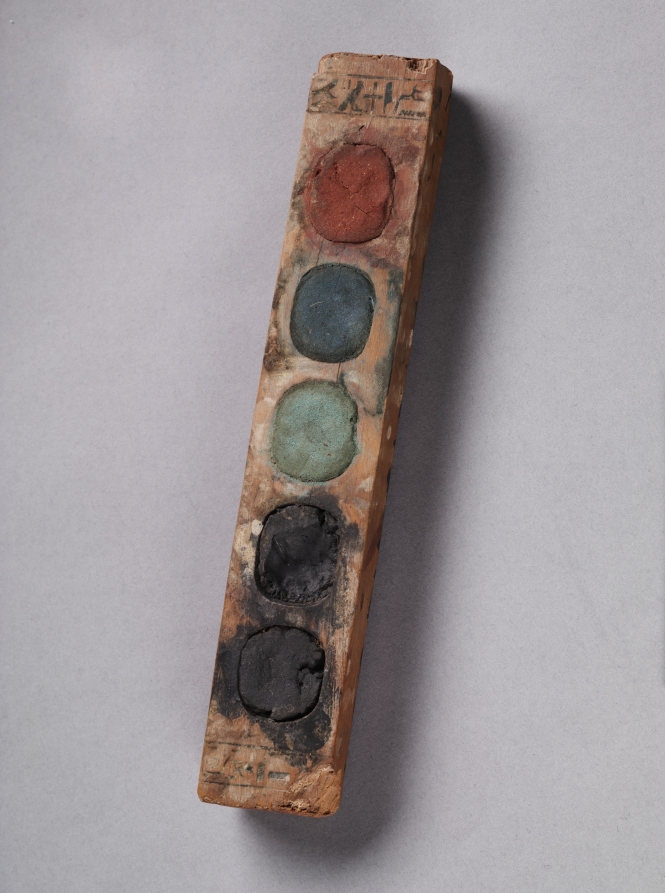
Paint Box of Vizier Amenemope at the Cleveland Museum of Art: c. 1427–1401 BCE, boxwood with inscription inlaid in Egyptian blue. Explore the work's context, creator attribution and collection history.
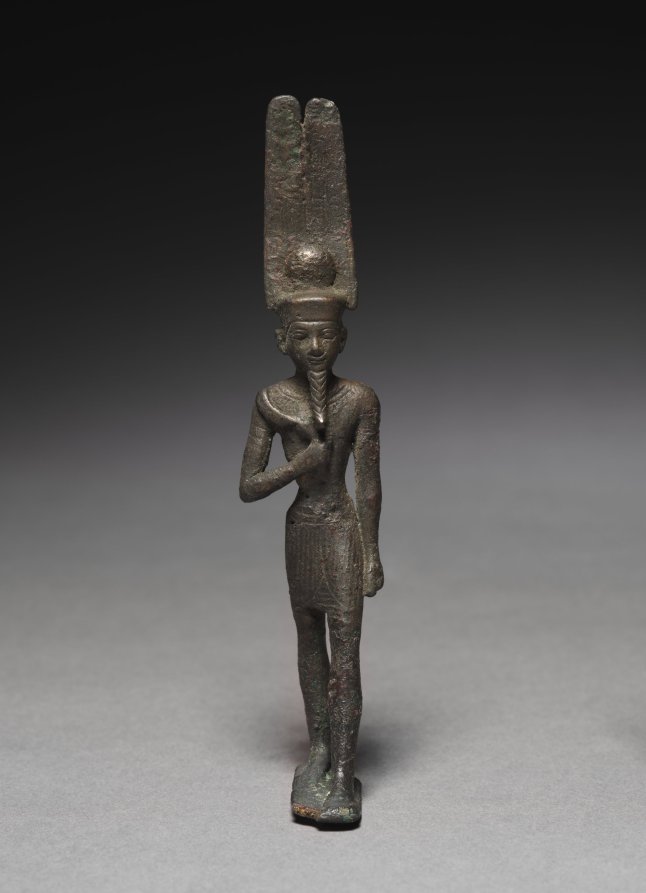
Statuette of Amen-Ra at the Cleveland Museum of Art: 664–525 BCE, bronze, solid cast. Explore the work's context, creator attribution and collection history.
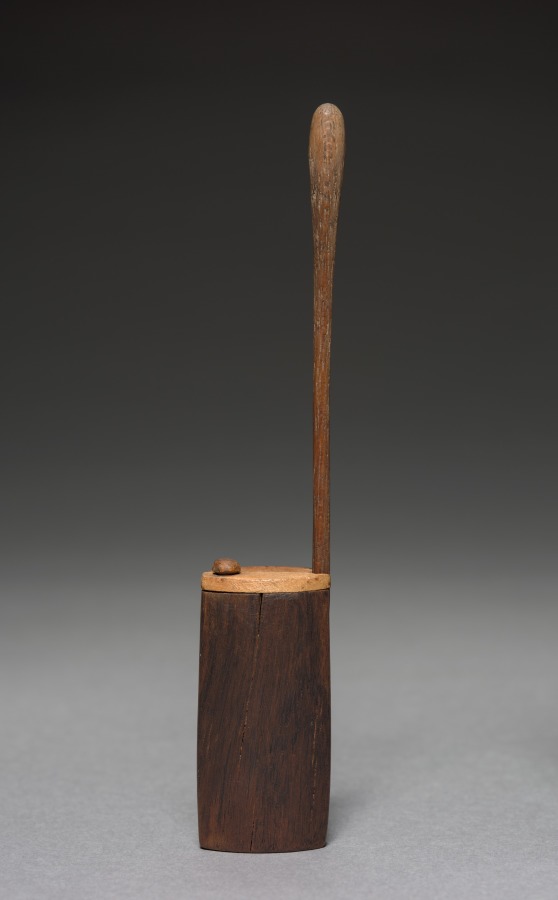
Kohl Container at the Cleveland Museum of Art: 1540–1296 BCE, wood. Explore the work's context, creator attribution and collection history.
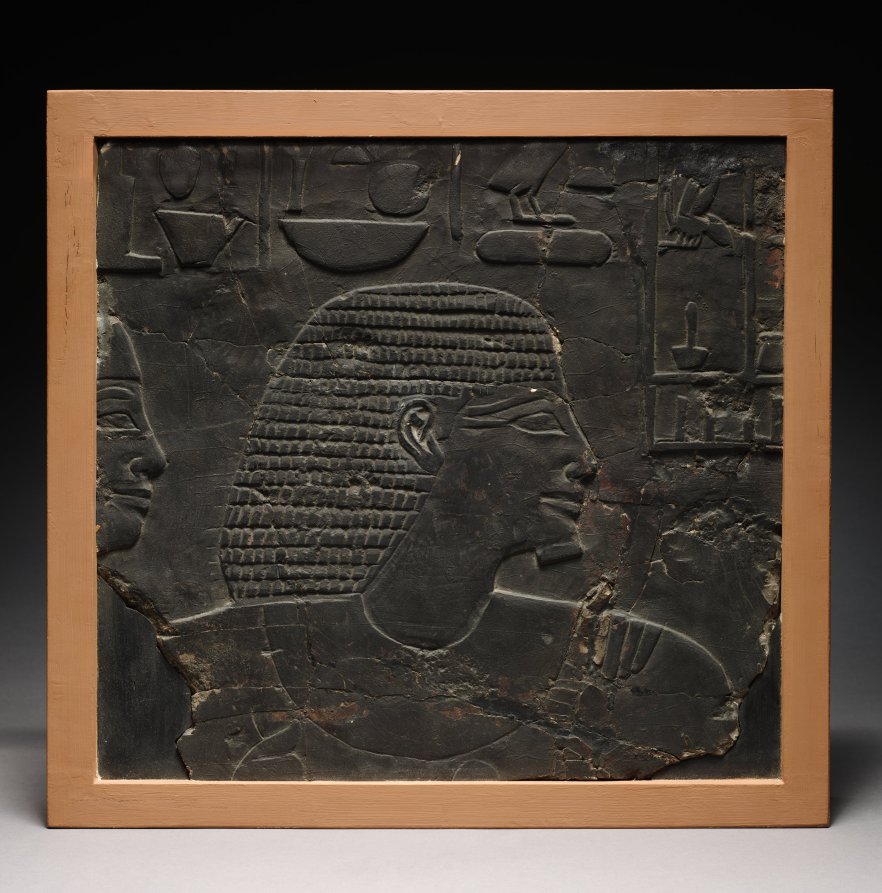
Fragment of a Tomb Relief at the Cleveland Museum of Art: 1401–1391 BCE, limestone. Explore the work's context, creator attribution and collection history.
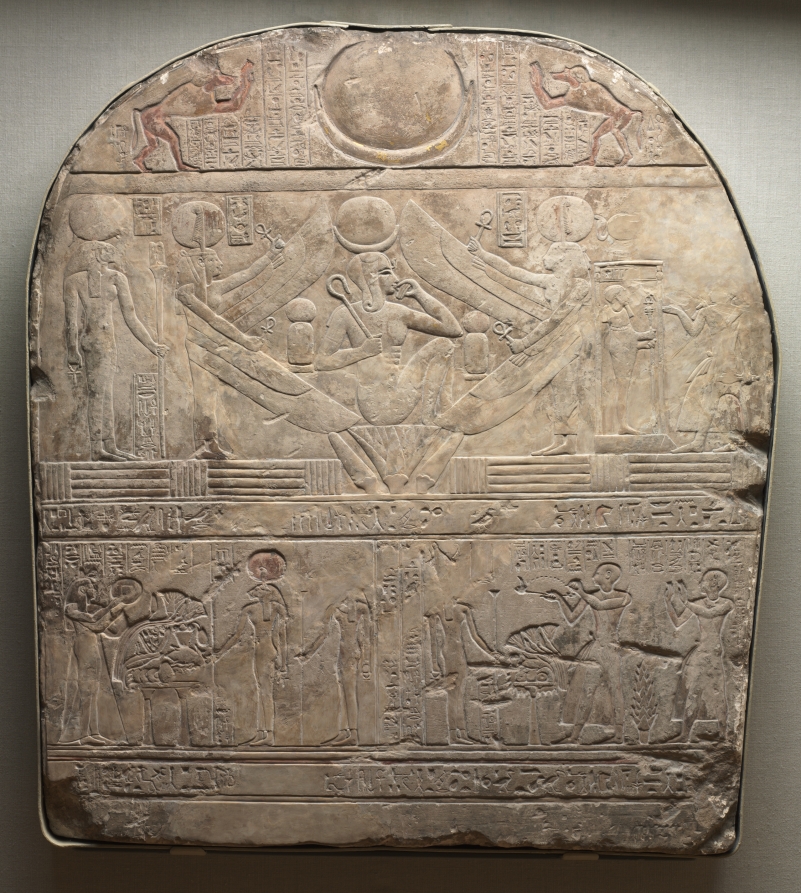
Stele of the High Priest of Ptah, Shedsunefertem at the Cleveland Museum of Art: 945–924 BCE, limestone, originally painted and gilded. Explore the work's context, creator attribution and collection history.
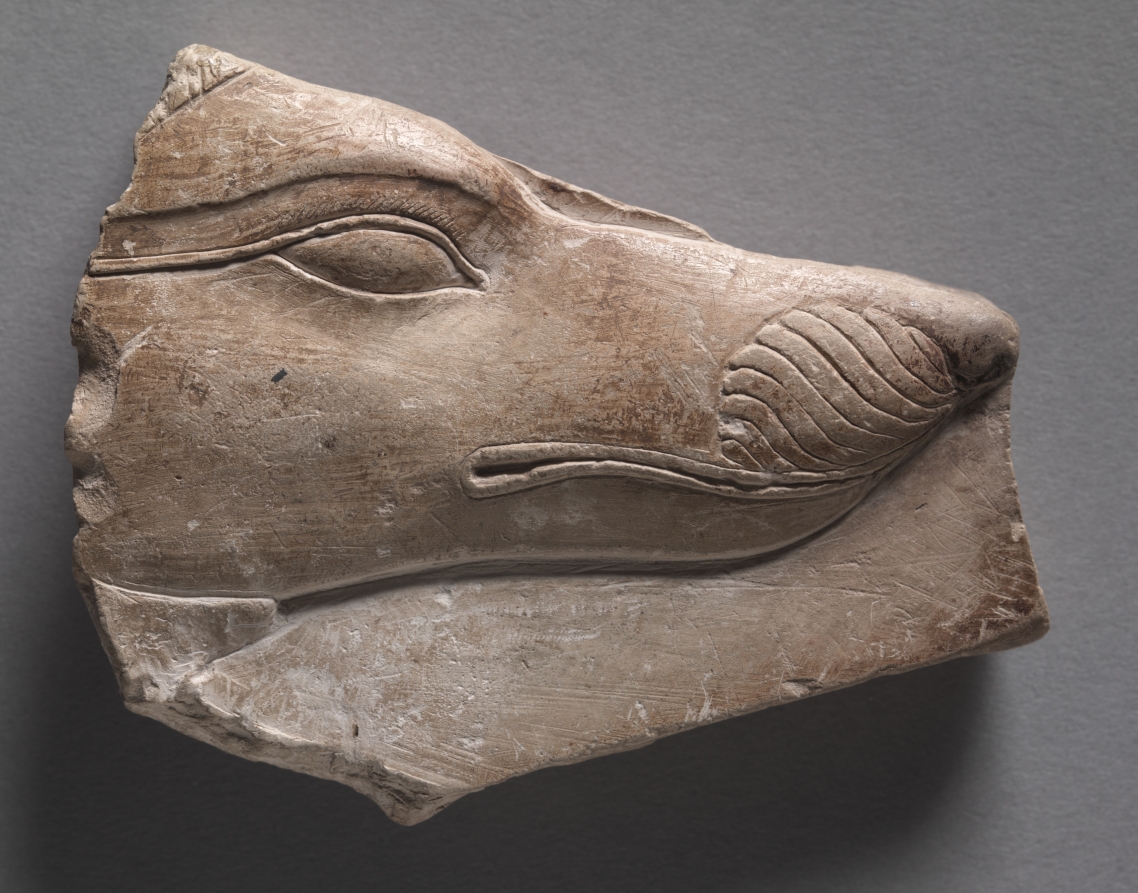
Double-Sided Votive Relief at the Cleveland Museum of Art: 305–30 BCE, limestone. Explore the work's context, creator attribution and collection history.
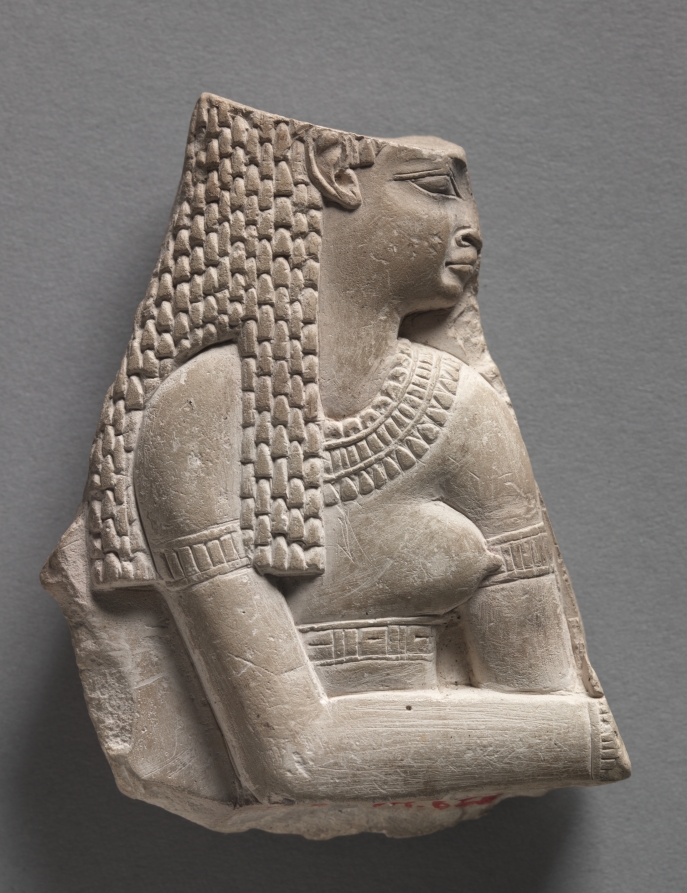
Double-Sided Votive Relief at the Cleveland Museum of Art: 305–30 BCE, limestone. Explore the work's context, creator attribution and collection history.
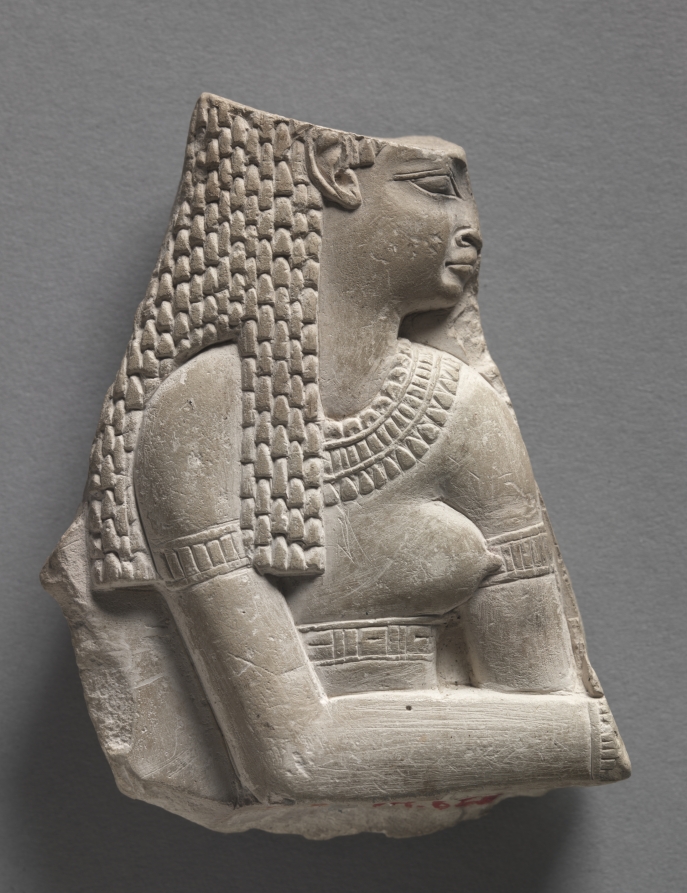
Double-Sided Votive Relief at the Cleveland Museum of Art: 305–30 BCE, limestone. Explore the work's context, creator attribution and collection history.
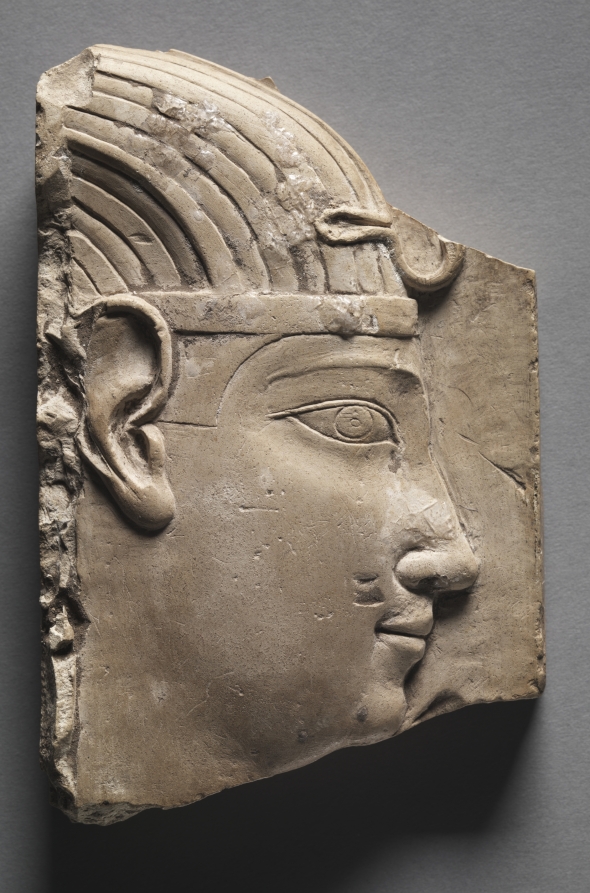
Votive Relief of a King at the Cleveland Museum of Art: 305–246 BCE, limestone. Explore the work's context, creator attribution and collection history.
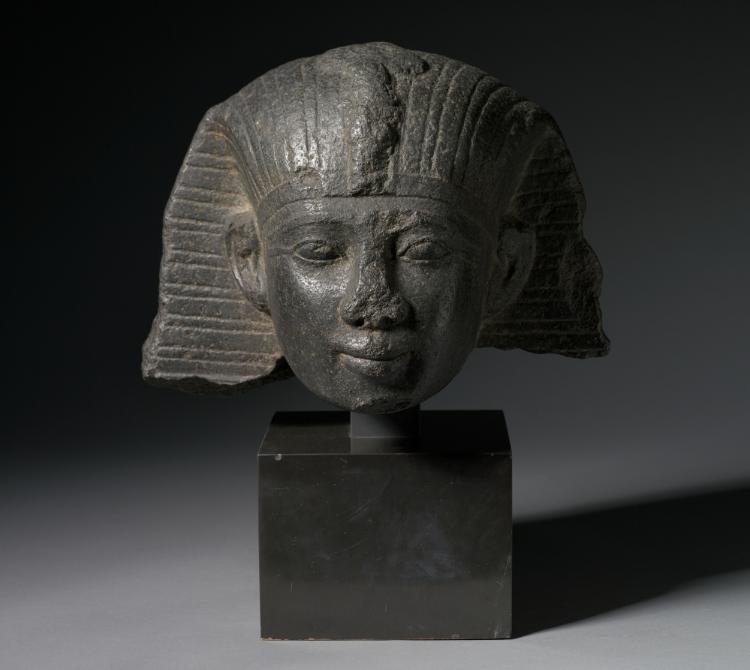
Head of a King at the Cleveland Museum of Art: c. 1069–715 BCE, granodiorite. Explore the work's context, creator attribution and collection history.
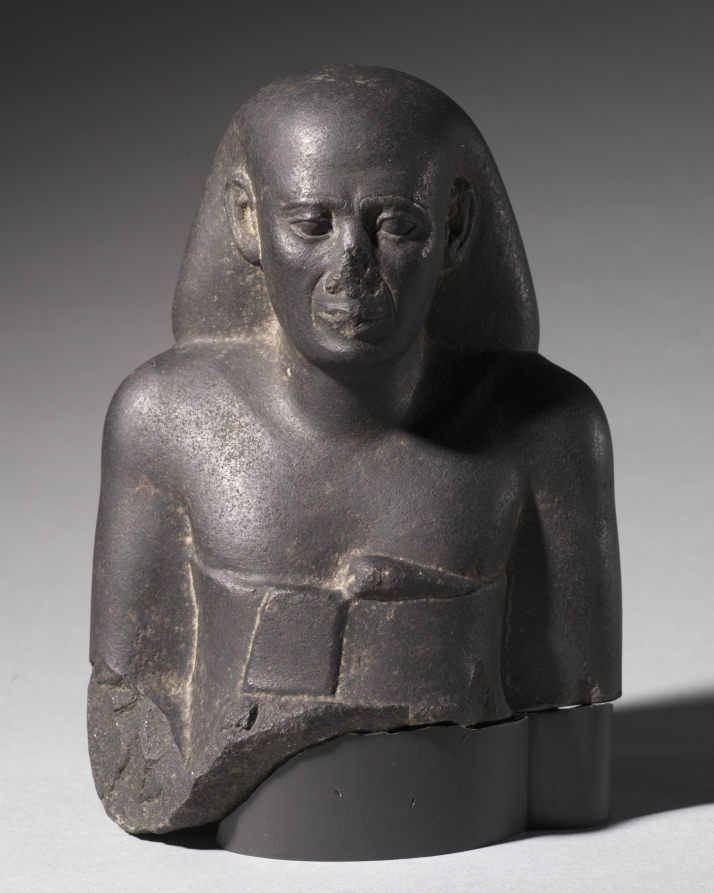
Bust of Ankh-Hor at the Cleveland Museum of Art: 525–404 BCE, basalt. Explore the work's context, creator attribution and collection history.
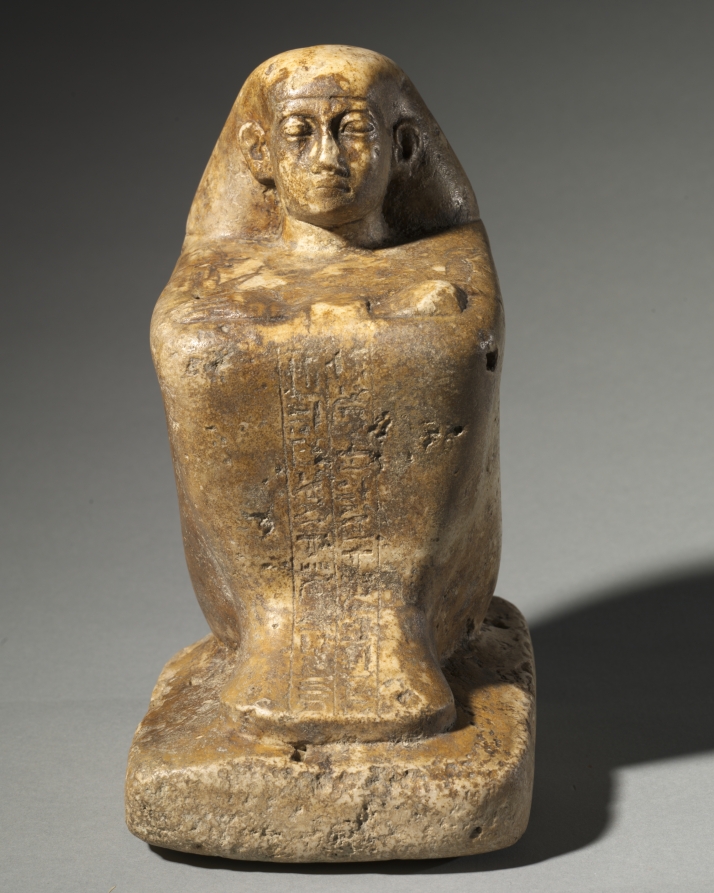
Block Statue of Djedbastetiufankh at the Cleveland Museum of Art: c. 664–610 BCE, limestone. Explore the work's context, creator attribution and collection history.
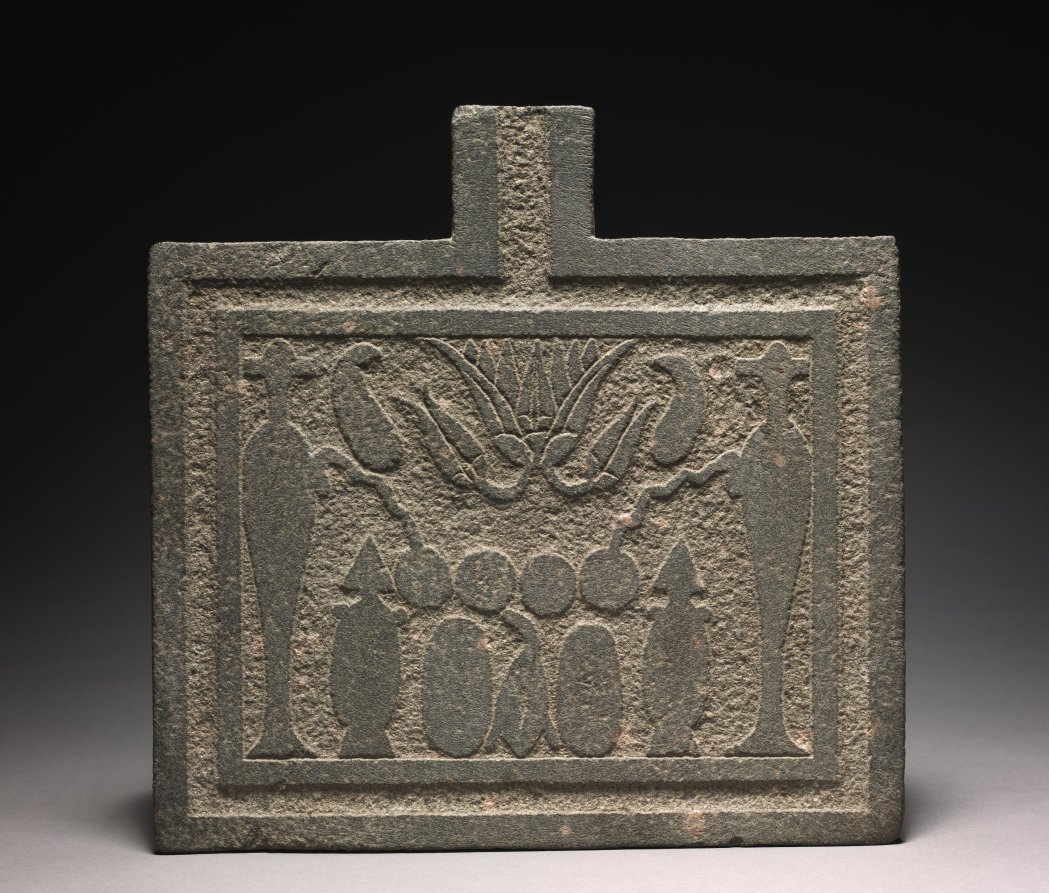
Offering Table at the Cleveland Museum of Art: 305–30 BCE, granodiorite. Explore the work's context, creator attribution and collection history.
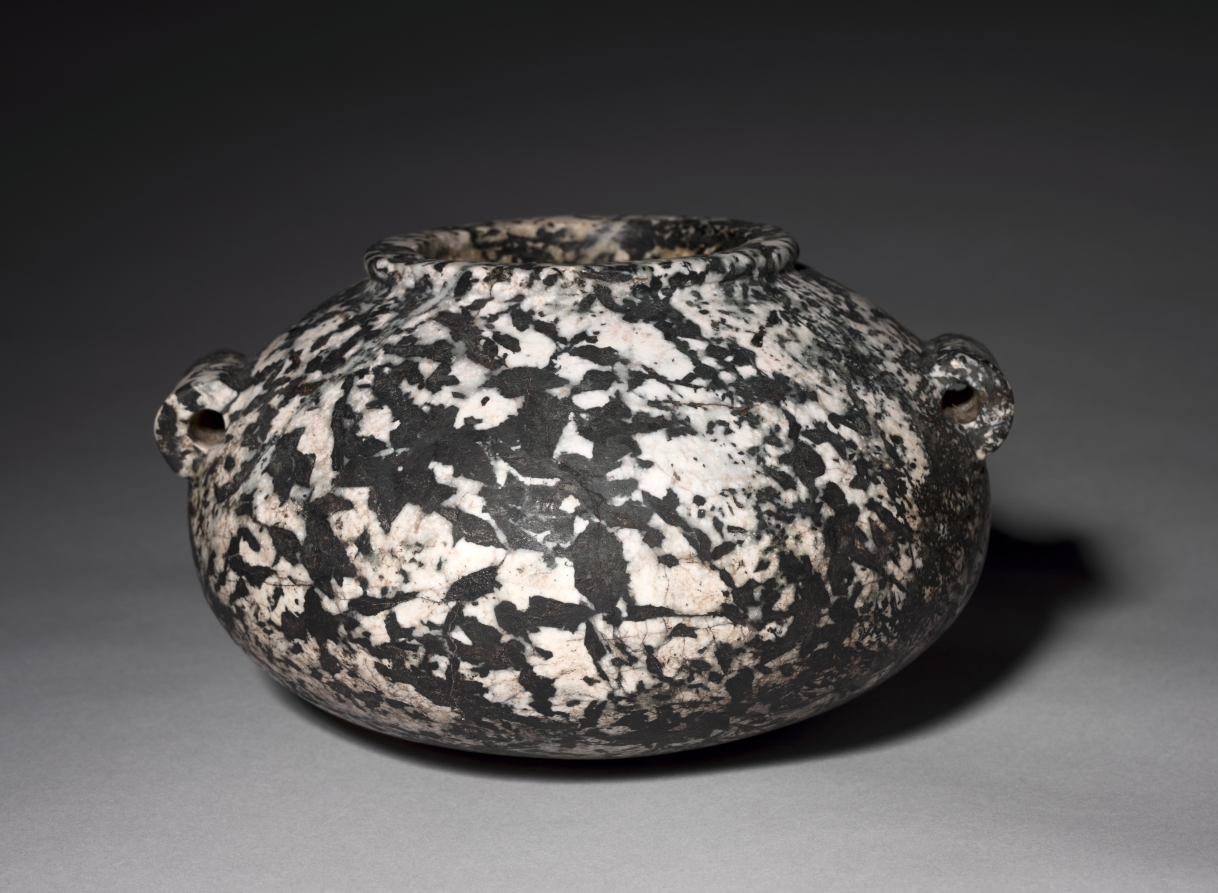
Squat Jar with Lug Handles at the Cleveland Museum of Art: 2950–2573 BCE, pegmatitic hornblende diorite. Explore the work's context, creator attribution and collection history.
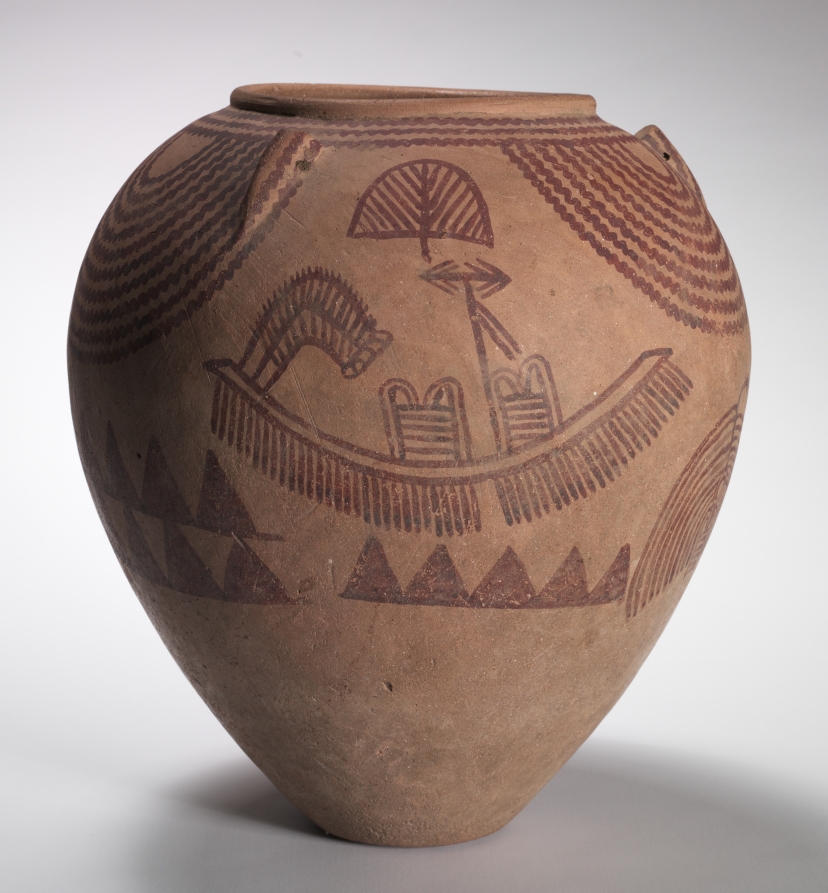
Decorated Jar with Boat Scenes at the Cleveland Museum of Art: c. 3300–3100 BCE, marl clay pottery. Explore the work's context, creator attribution and collection history.
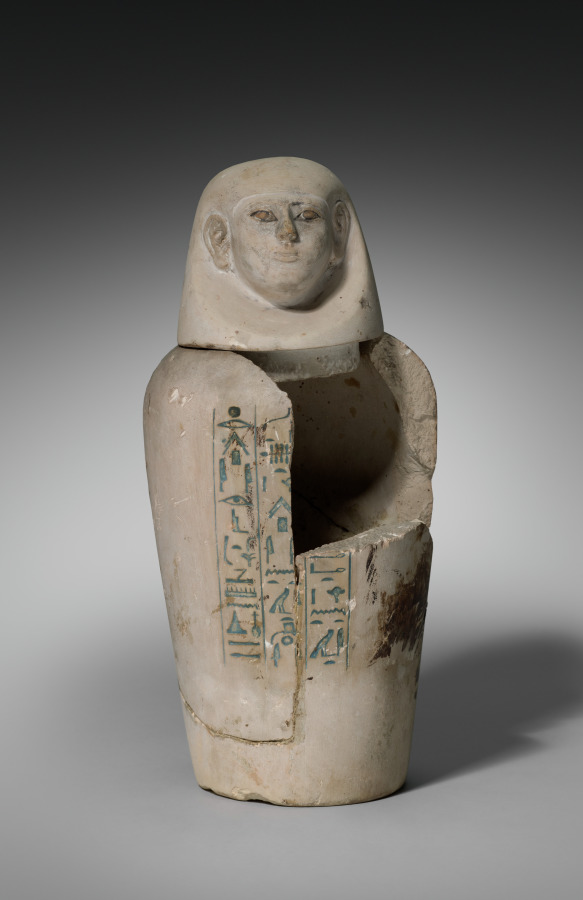
Canopic Jar with Lid at the Cleveland Museum of Art: 1540–1296 BCE, limestone. Explore the work's context, creator attribution and collection history.
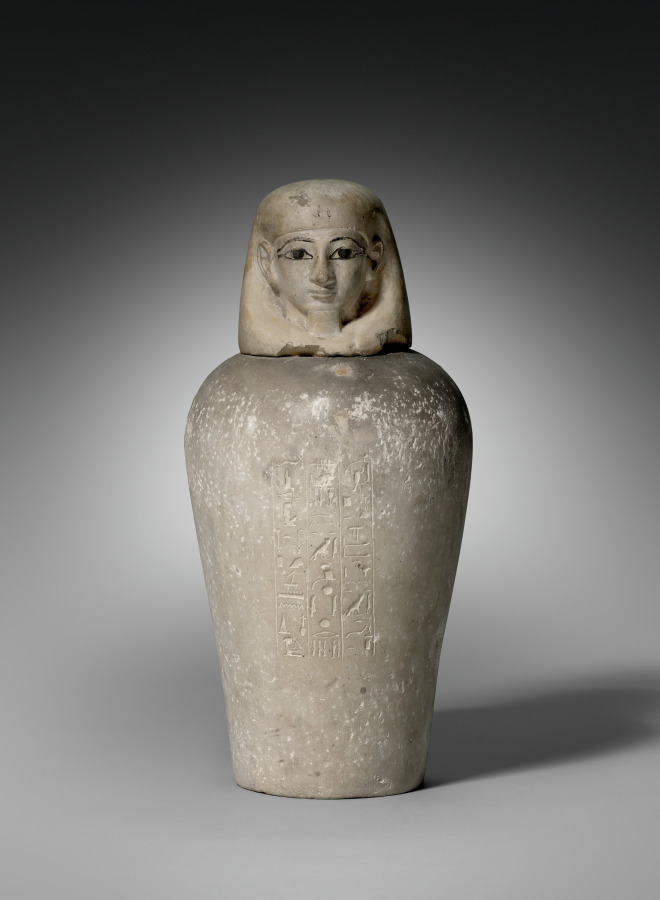
Canopic Jar with Lid at the Cleveland Museum of Art: 1540–1296 BCE, limestone. Explore the work's context, creator attribution and collection history.
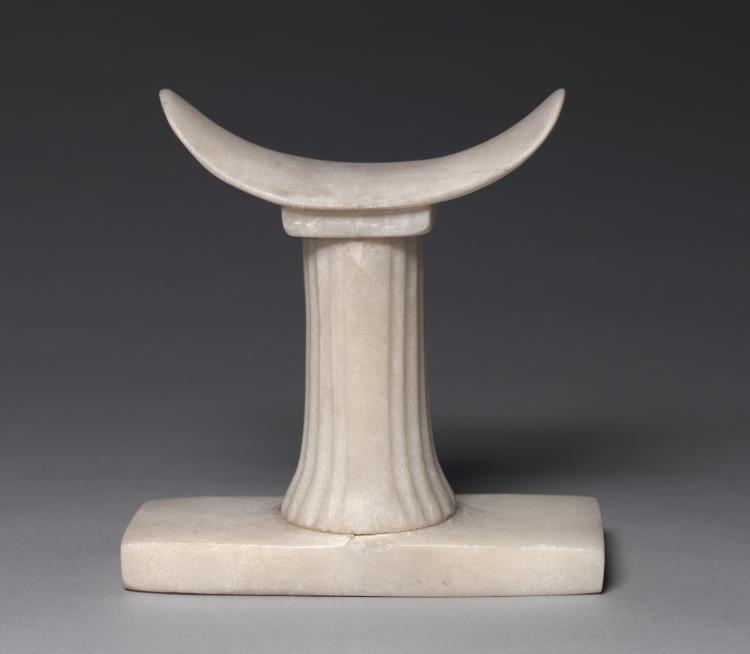
Headrest of Irut at the Cleveland Museum of Art: c. 2454–2140 BCE, travertine. Explore the work's context, creator attribution and collection history.
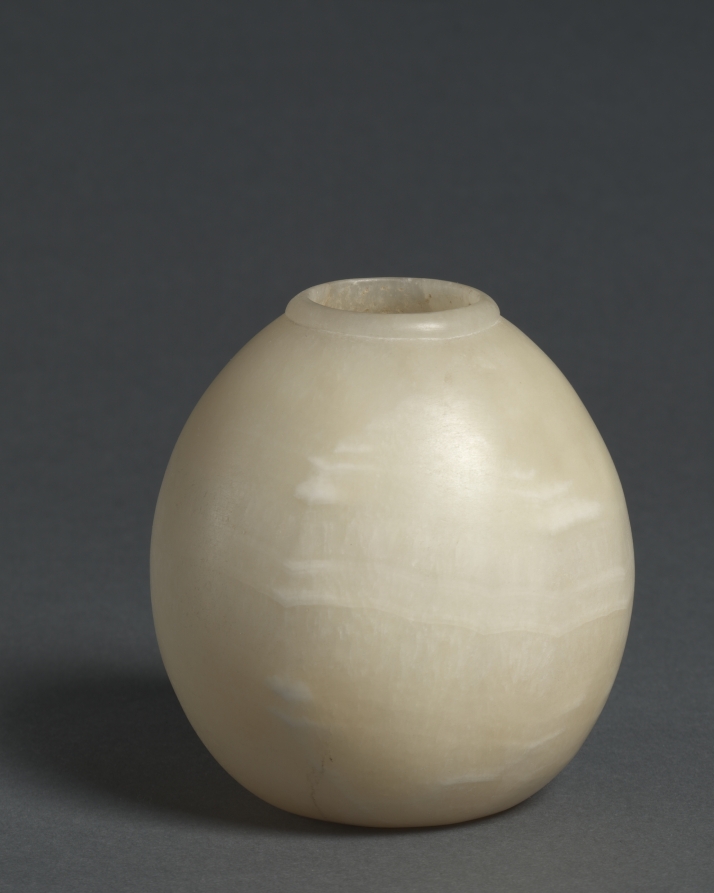
Vessel in the Form of an Ostrich Egg at the Cleveland Museum of Art: c. 1540–1296 BCE, travertine. Explore the work's context, creator attribution and collection history.
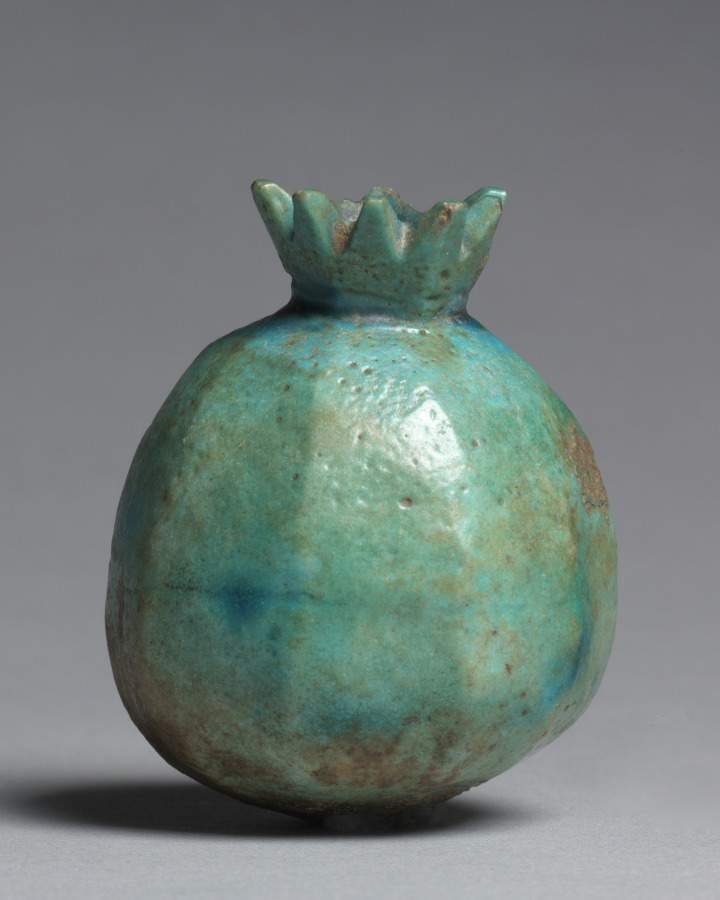
Pomegranate Vase at the Cleveland Museum of Art: 1479–1425 BCE, blue vitreous faience. Explore the work's context, creator attribution and collection history.
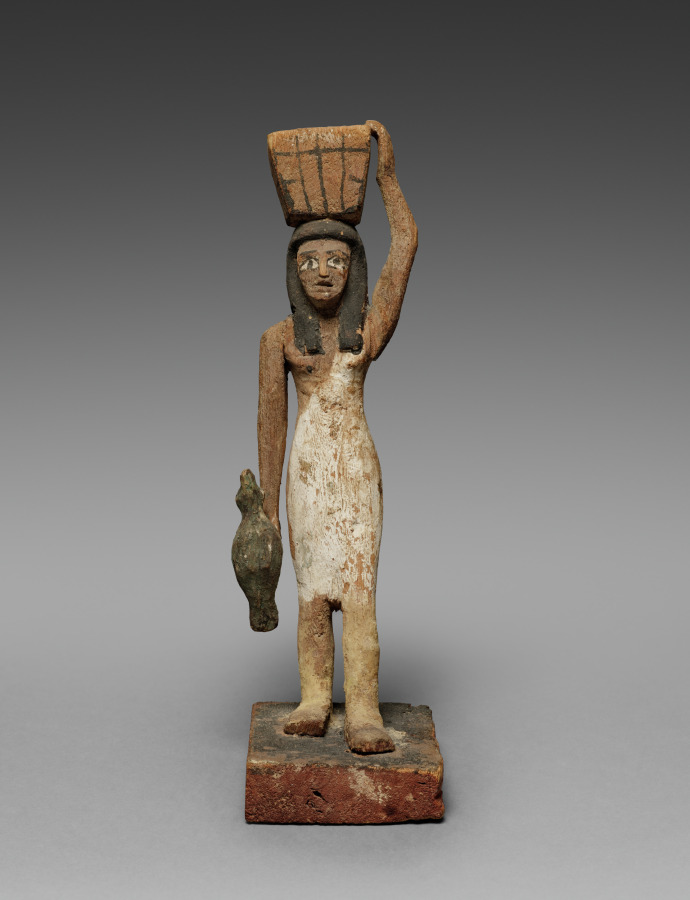
Female Offering Bearer at the Cleveland Museum of Art: 2000–1801 BCE, painted wood, figure of tamarisk(?), base of sycamore fig. Explore the work's context, creator attribution and collection history.
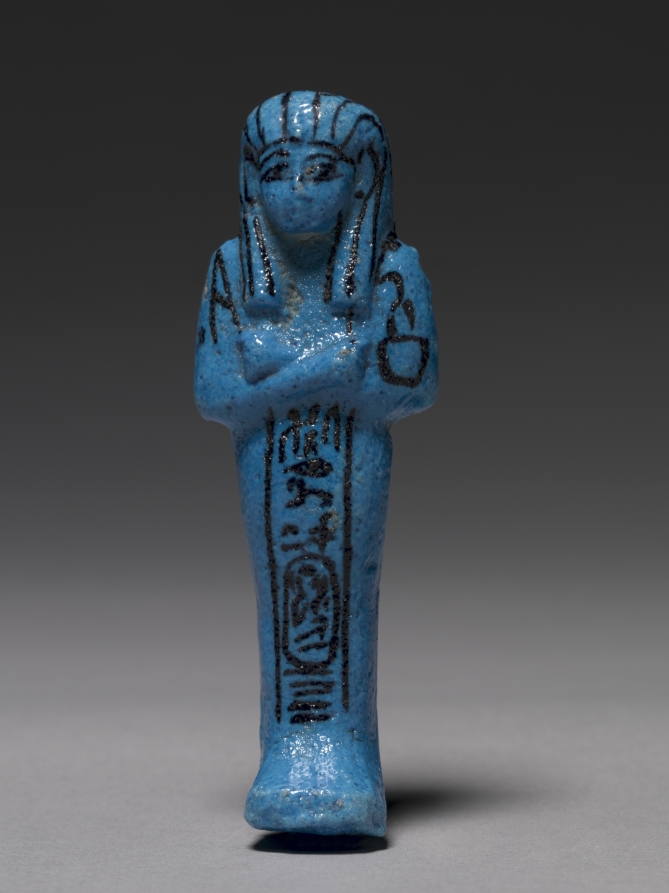
Shawabty of Pinudjem I, High Priest of Amen and King at the Cleveland Museum of Art: c. 990–969 BCE, bright blue faience with purple details. Explore the work's context, creator attribution and collection history.
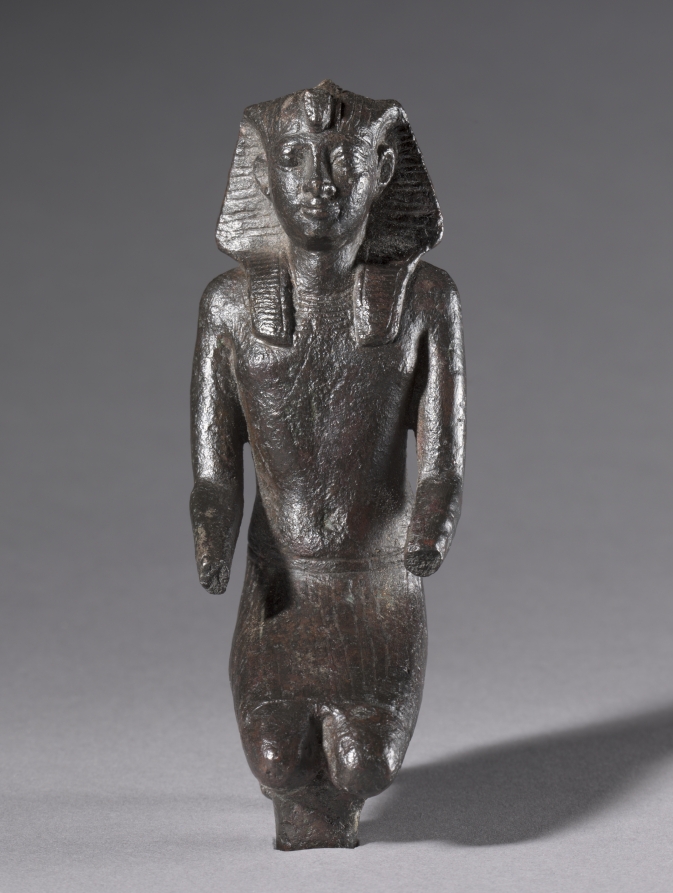
Statuette of Kneeling King at the Cleveland Museum of Art: 304–30 BCE, bronze, solid cast. Explore the work's context, creator attribution and collection history.
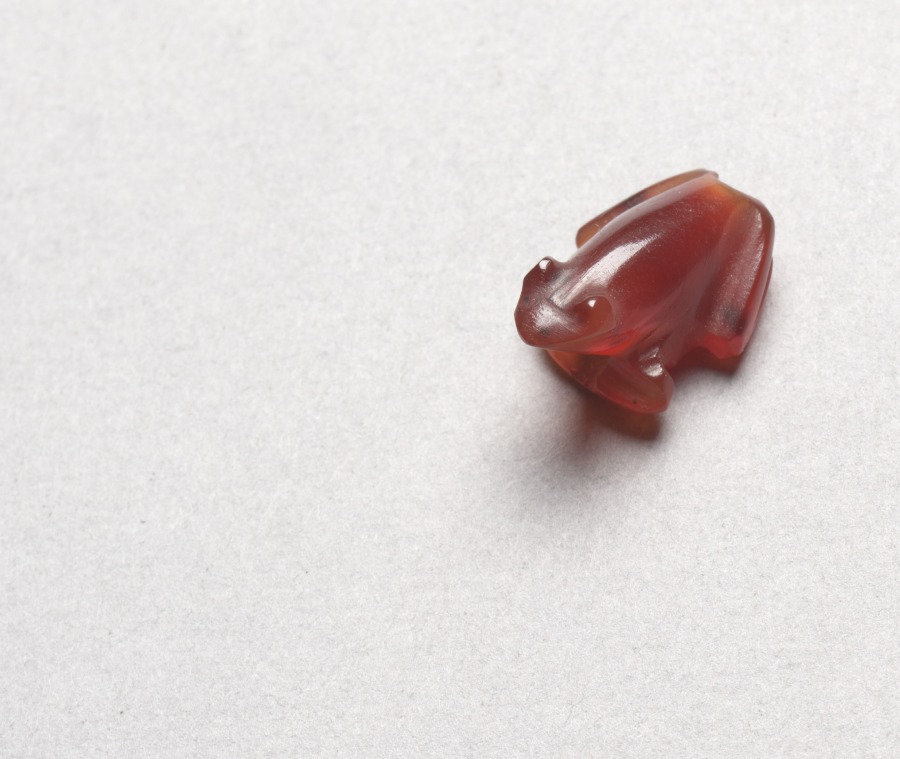
Frog Amulet at the Cleveland Museum of Art: c. 1540–1296 BCE, carnelian. Explore the work's context, creator attribution and collection history.
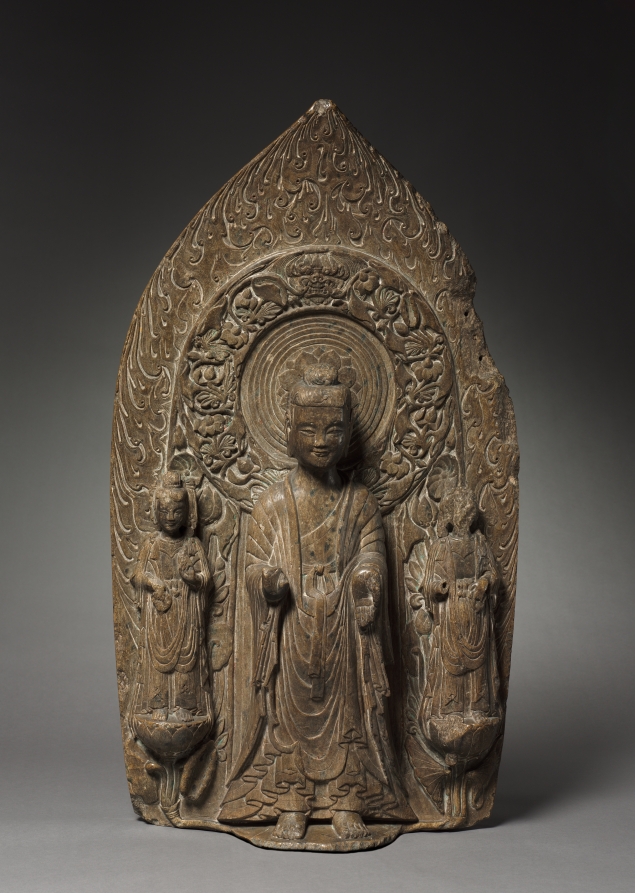
Stele with Sakyamuni and Bodhisattvas at the Cleveland Museum of Art: 537, limestone. Explore the work's context, creator attribution and collection history.