Fragments of a Caftan (before 1982): Art, History and Details
Fragments of a Caftan at the Cleveland Museum of Art: before 1982, Silk: lampas weave. Explore the work's context, creator attribution and collection history.
Oldest entries first, in a fixed order. Newly added articles appear at the end. Explore a shuffled selection →
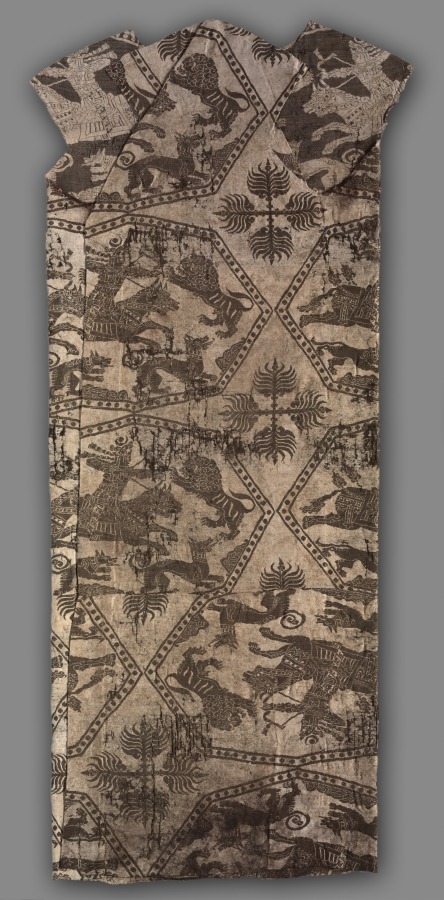
Fragments of a Caftan at the Cleveland Museum of Art: before 1982, Silk: lampas weave. Explore the work's context, creator attribution and collection history.
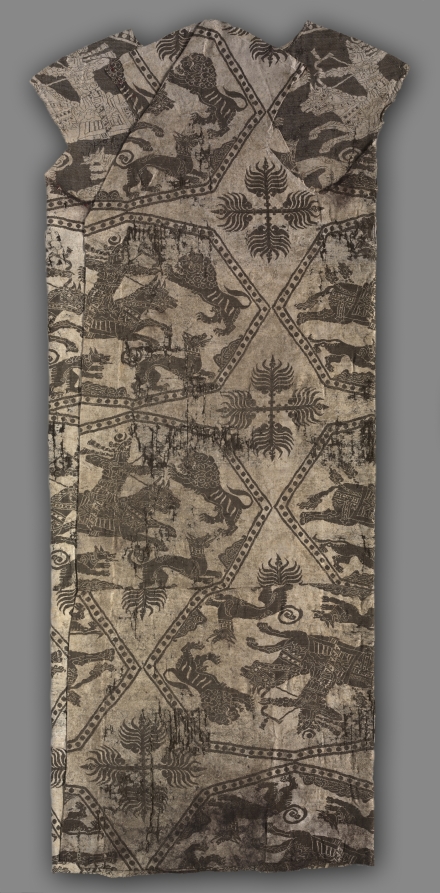
Fragment of a Caftan at the Cleveland Museum of Art: before 1982, Silk: lampas weave. Explore the work's context, creator attribution and collection history.
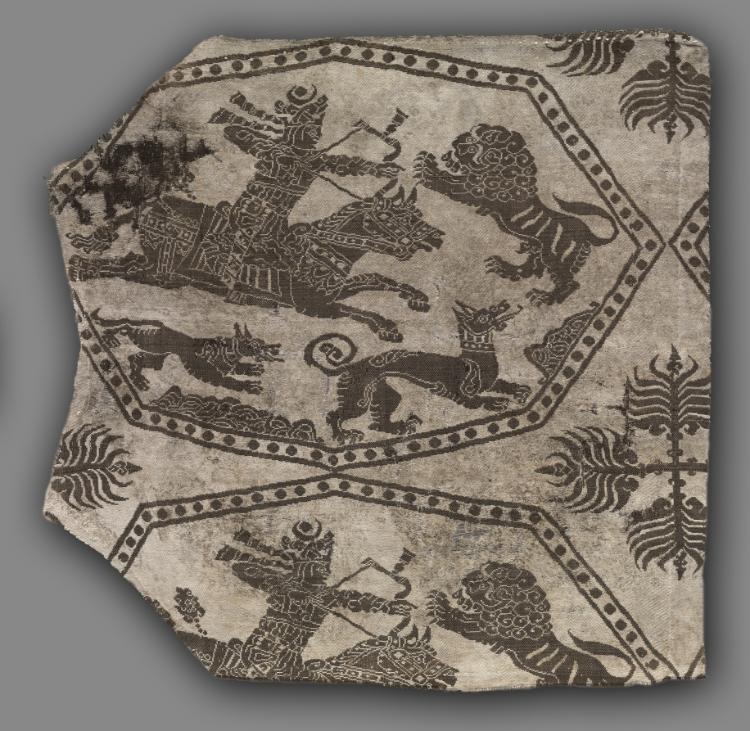
Fragment of a Caftan at the Cleveland Museum of Art: before 1982, lampas weave, silk. Explore the work's context, creator attribution and collection history.
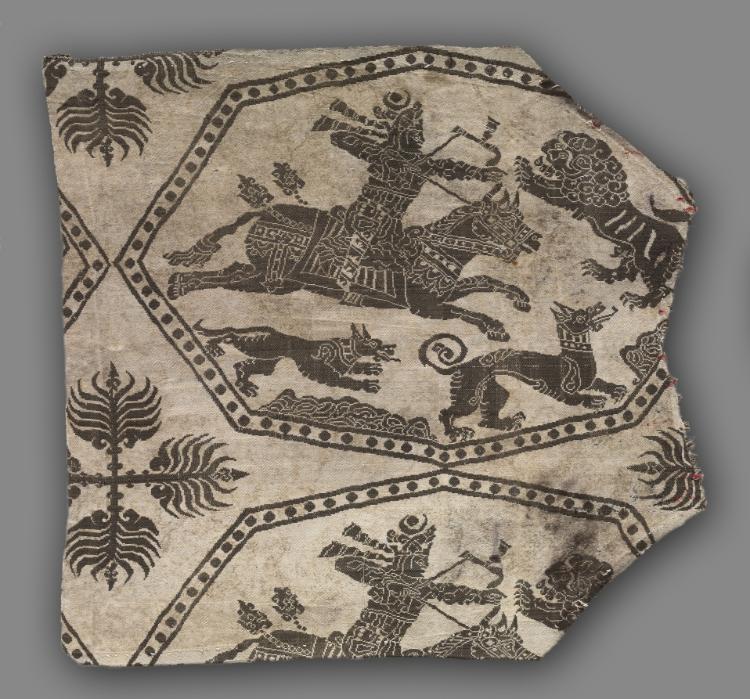
Fragment of a Caftan at the Cleveland Museum of Art: before 1982, Silk: lampas weave. Explore the work's context, creator attribution and collection history.
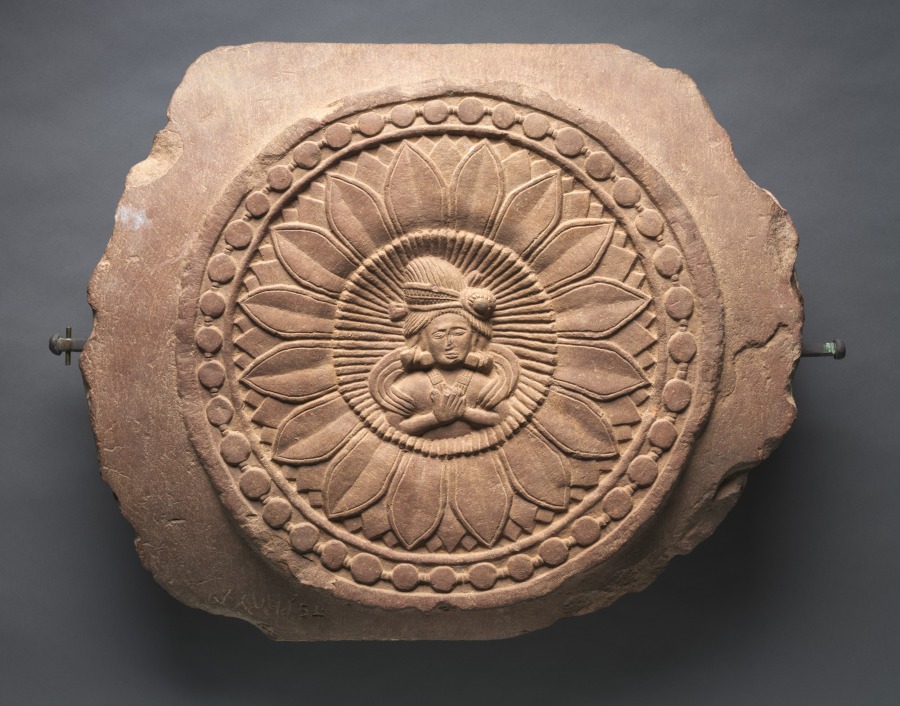
Double-Faced Crossbar from a Railing at the Cleveland Museum of Art: c. 150 BCE, plum-colored sandstone. Explore the work's context, creator attribution and collection history.

Double-Faced Crossbar from a Railing: Male Worshipper (recto) at the Cleveland Museum of Art: c. 150 BCE, plum-colored sandstone. Explore the work's context, creator attribution and collection history.

Double-Faced Crossbar from a Railing: Female Figure (verso) at the Cleveland Museum of Art: c. 150 BCE, plum-colored sandstone. Explore the work's context, creator attribution and collection history.

Durga Destroying the Buffalo Demon at the Cleveland Museum of Art: 800s–900s, schist. Explore the work's context, creator attribution and collection history.

Goddess Siddhalakshmi at the Cleveland Museum of Art: 1000s, bronze. Explore the work's context, creator attribution and collection history.

Bodhisattva Maitreya: The Future Buddha at the Cleveland Museum of Art: 1100s, silver inlaid with turquoise, copper, brass and gold; gilt bronze lotus. Explore the work's context, creator attribution and collection history.
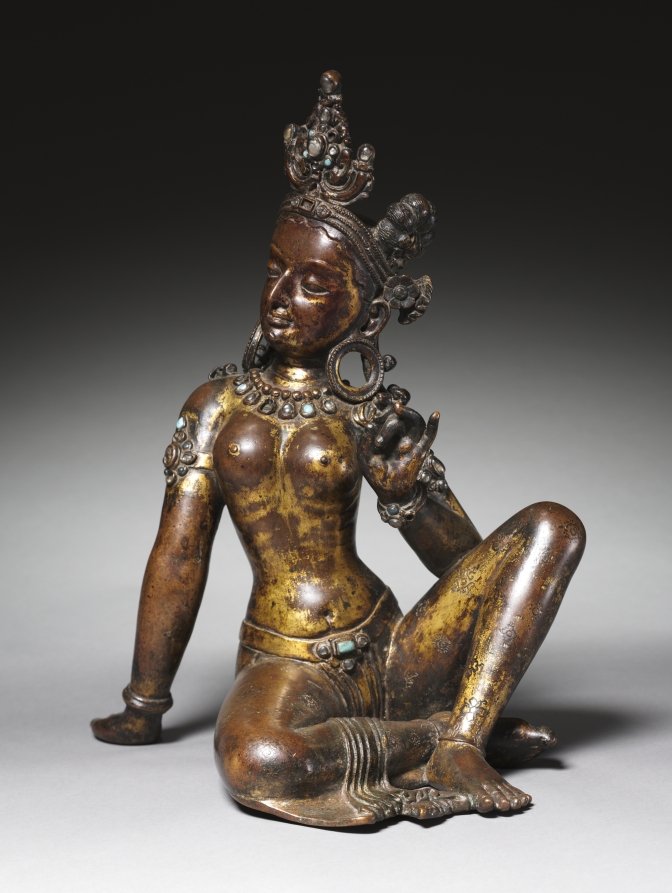
Goddess Uma at the Cleveland Museum of Art: 1000s, gilt bronze and semiprecious stones. Explore the work's context, creator attribution and collection history.
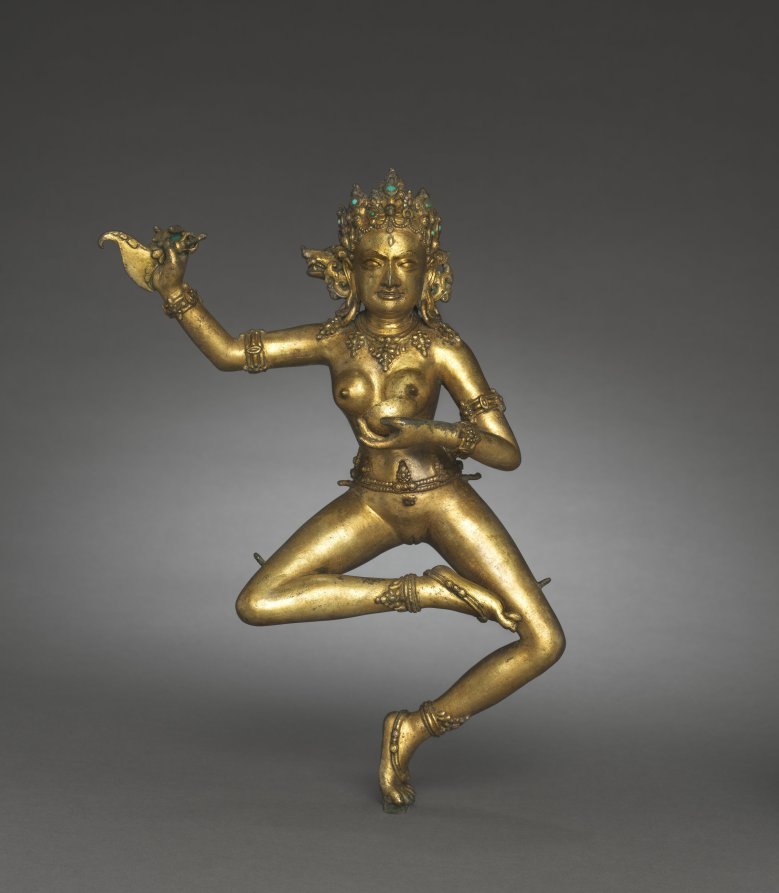
Vajravarahi at the Cleveland Museum of Art: 1300s, gilt bronze with turquoise inlay. Explore the work's context, creator attribution and collection history.
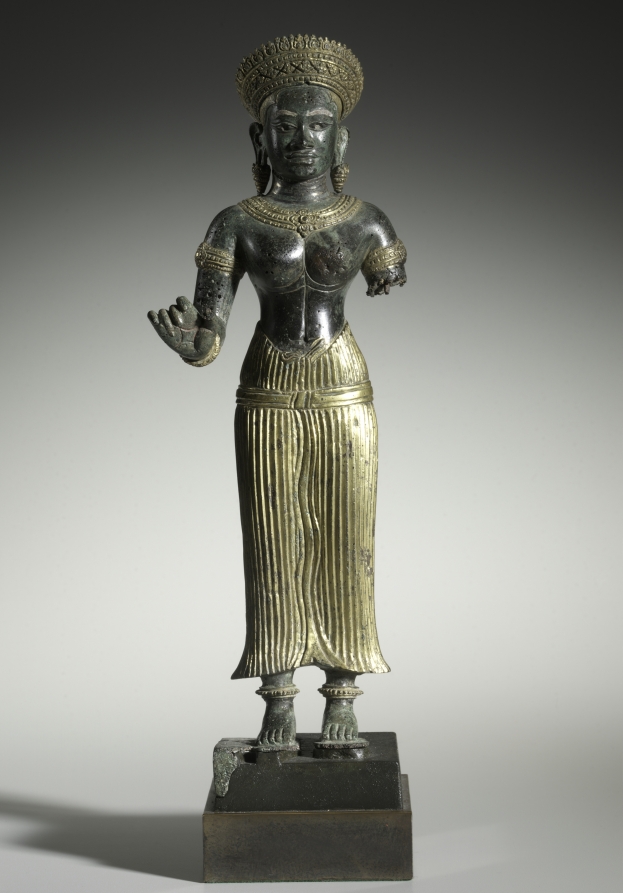
Royal Female Figure at the Cleveland Museum of Art: late 1000s, partially gilt bronze and silver. Explore the work's context, creator attribution and collection history.
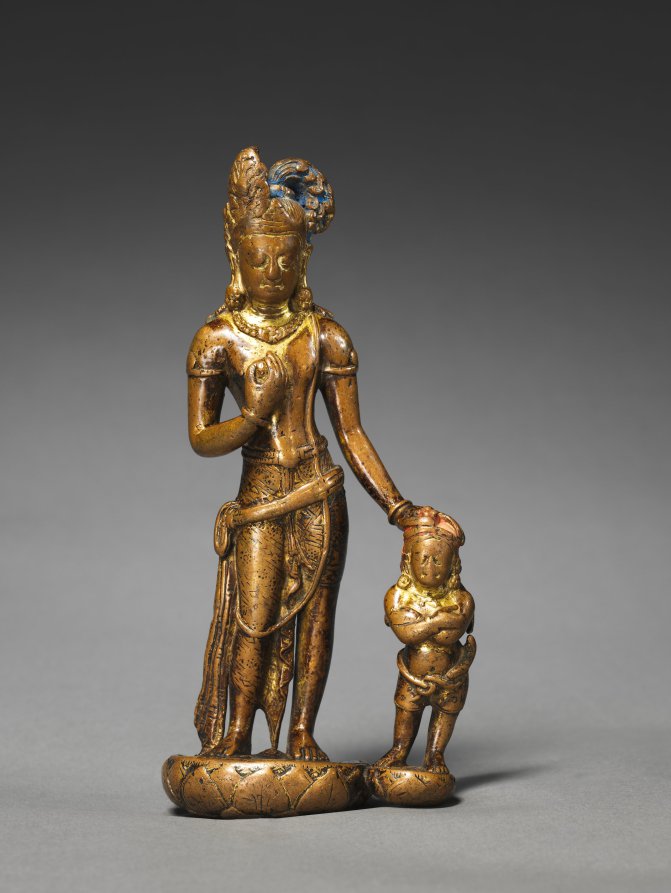
Bodhisattva Vajrapani at the Cleveland Museum of Art: 700s, copper with traces of gilt. Explore the work's context, creator attribution and collection history.
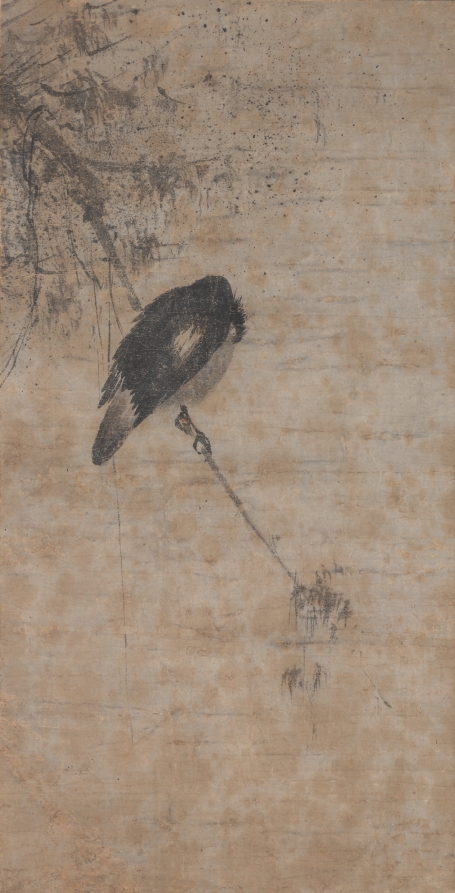
Willow and Magpie at the Cleveland Museum of Art: mid-1200s, hanging scroll; ink on paper. Explore the work's context, creator attribution and collection history.
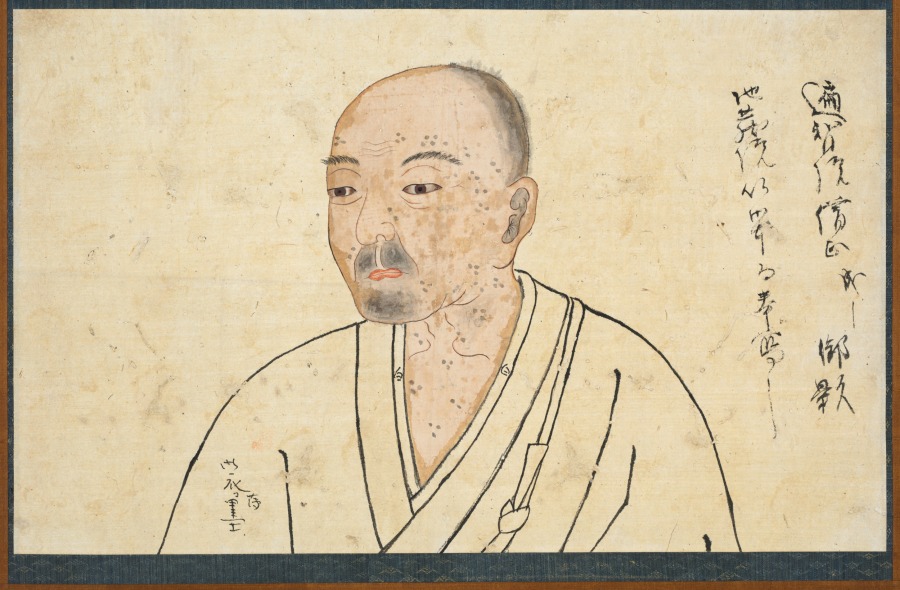
Portrait Study of Seigen at the Cleveland Museum of Art: 1300s, hanging scroll; ink and slight color on paper. Explore the work's context, creator attribution and collection history.
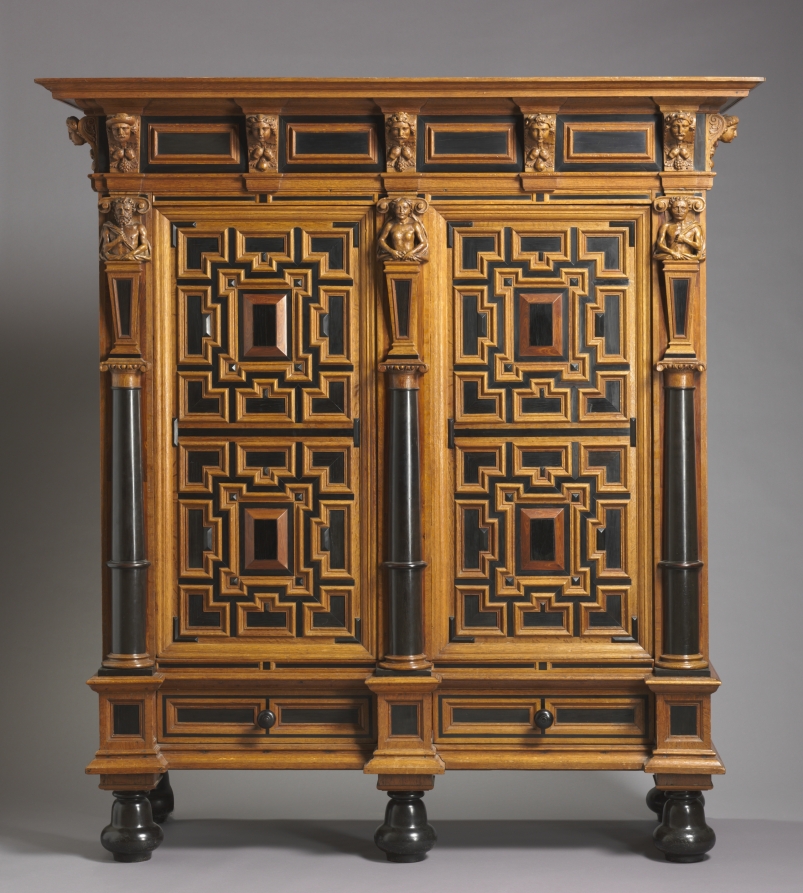
Wardrobe (Kast) at the Cleveland Museum of Art: c. 1625–50, oak with ebony and rosewood veneers. Explore the work's context, creator attribution and collection history.

Bandolier (Shoulder) Bag at the Cleveland Museum of Art: 1880s?, plain weave cotton, twill weave wool, velvet, plaited wool binding, wool tassels, glass beads. Explore the work's context, creator attribution and collection history.

Demon in chains at the Cleveland Museum of Art: c. 1453, opaque watercolor and gold on paper. Explore the work's context, creator attribution and collection history.

Lovers (Mithuna) at the Cleveland Museum of Art: 1000s, sandstone. Explore the work's context, creator attribution and collection history.
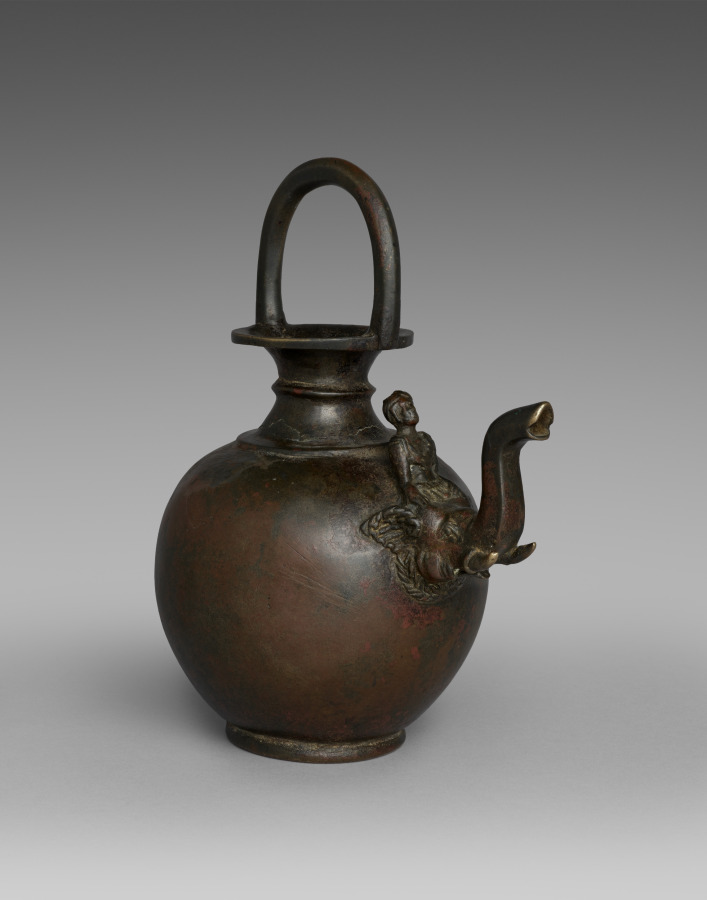
Ewer with Spout in the Form of an Elephant with a Mahut at the Cleveland Museum of Art: 1–100 CE, bronze. Explore the work's context, creator attribution and collection history.
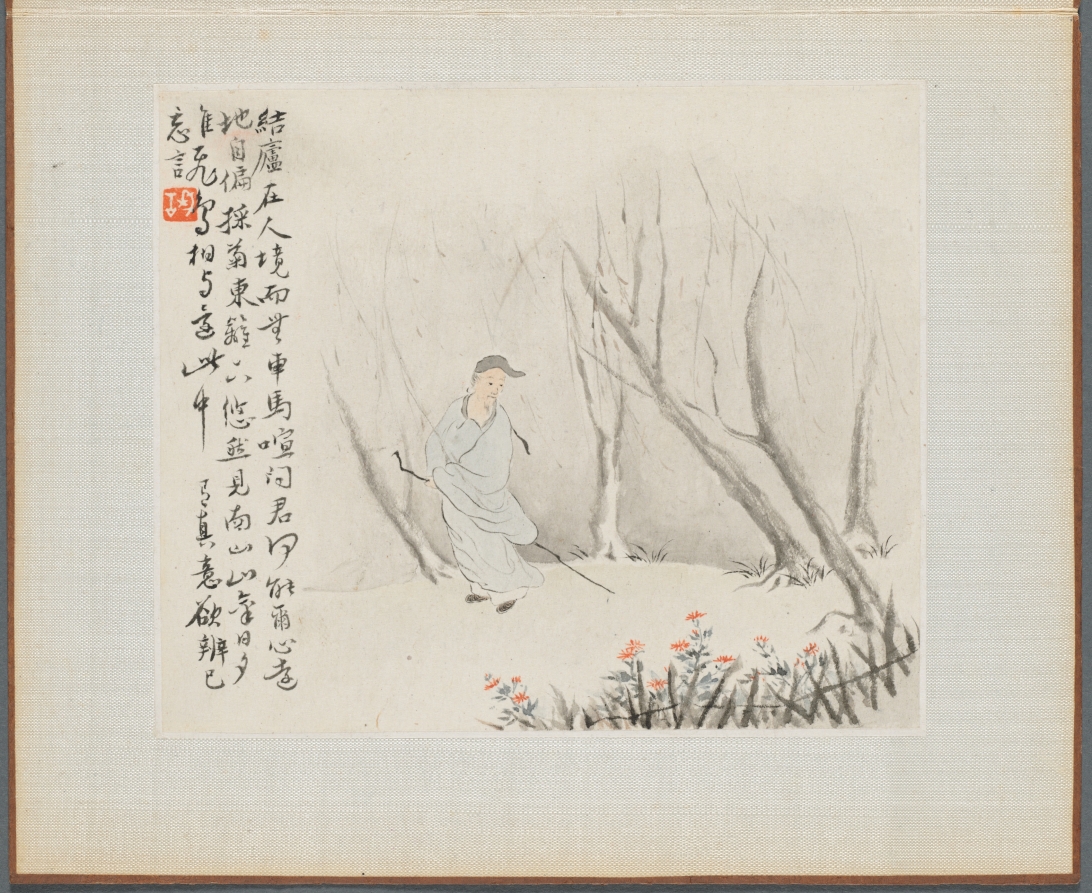
Album of Landscape Paintings Illustrating Old Poems: Man with a Staff Admires Chrysanthemums at a Fence at the Cleveland Museum of Art: 1745, Album leaf; ink and light color on paper. Explore the work's context, creator attribution and coll

Album of Landscape Paintings Illustrating Old Poems: Two Women with Needlework in a Garden at the Cleveland Museum of Art: 1745, Album leaf; ink and light color on paper. Explore the work's context, creator attribution and collection histor
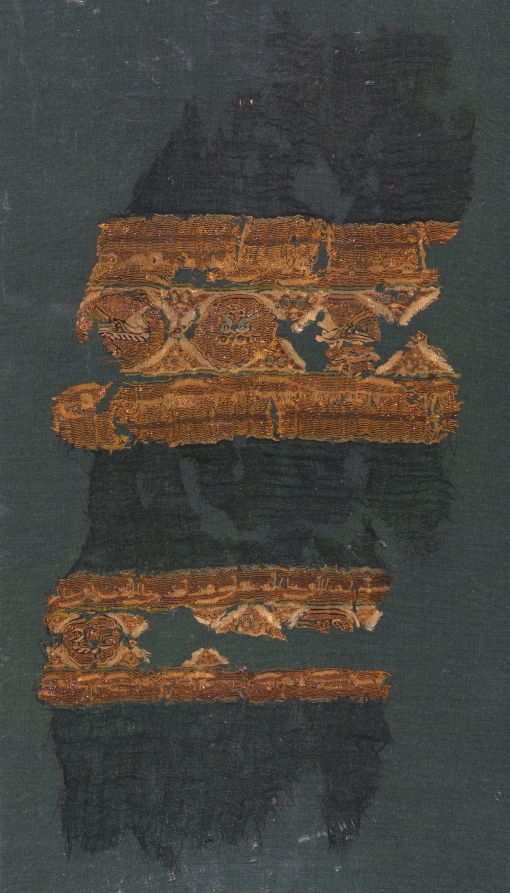
Tiraz with gold at the Cleveland Museum of Art: 1075–99, plain weave with inwoven tapestry weave: linen, silk, and gold filé. Explore the work's context, creator attribution and collection history.
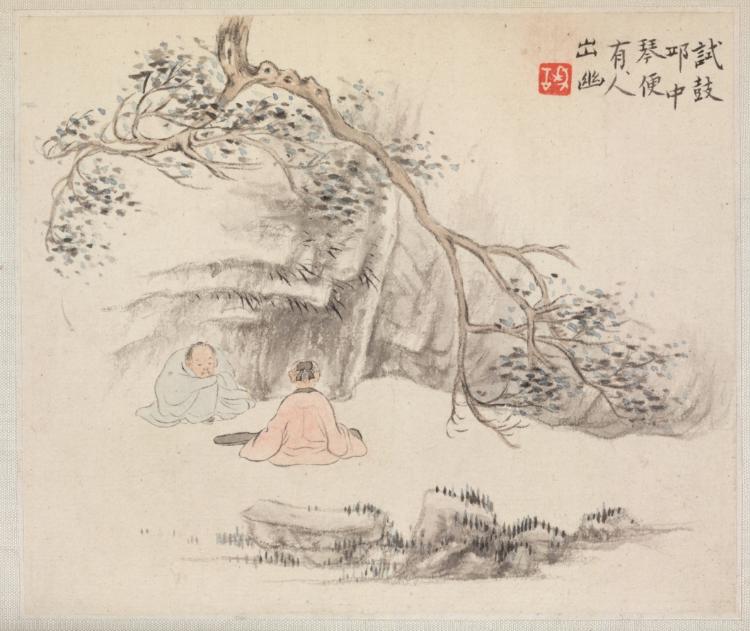
Album of Landscape Paintings Illustrating Old Poems: Listening to the Qin at the Cleveland Museum of Art: 1745, album leaf; ink and light color on paper. Explore the work's context, creator attribution and collection history.
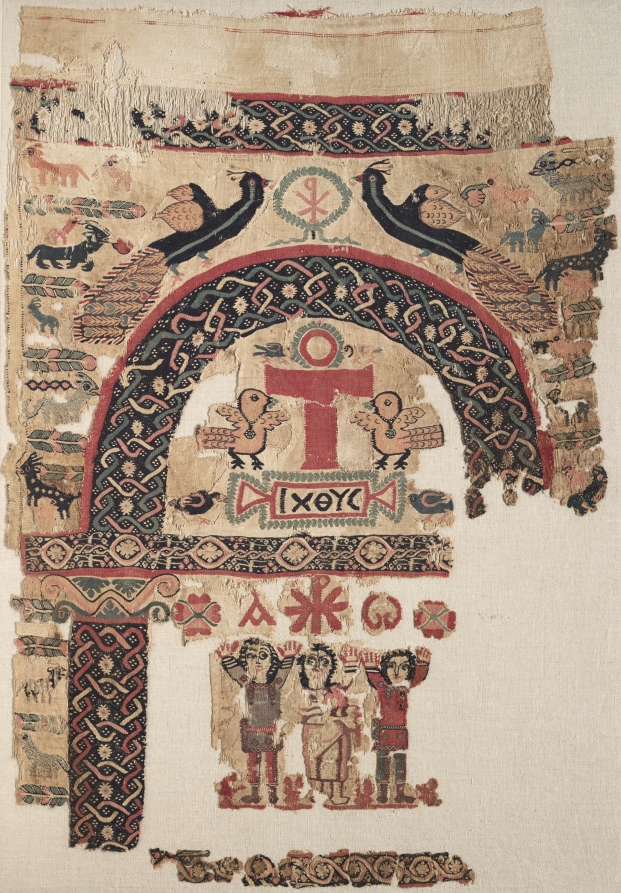
Hanging with Christian Images at the Cleveland Museum of Art: 500s, dyed wool, undyed linen: plain weave (tabby) with inwoven tapestry weave. Explore the work's context, creator attribution and collection history.
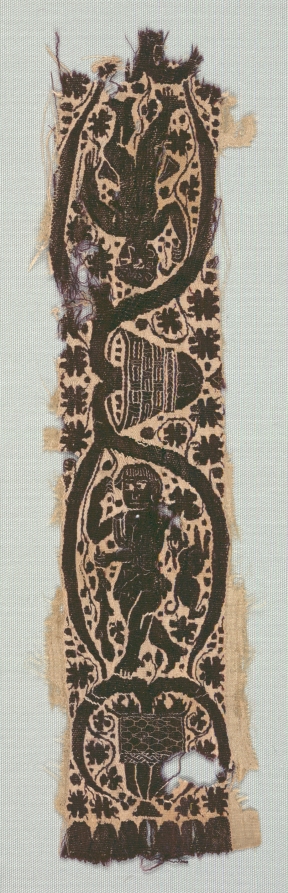
Rare Silk Tunic Fragment with Ornamental Sleeve Band at the Cleveland Museum of Art: 400s-500s, plain weave: silk; tapestry weave with supplementary weft wrapping; undyed linen, dyed wool, silk. Explore the work's context, creator attributi
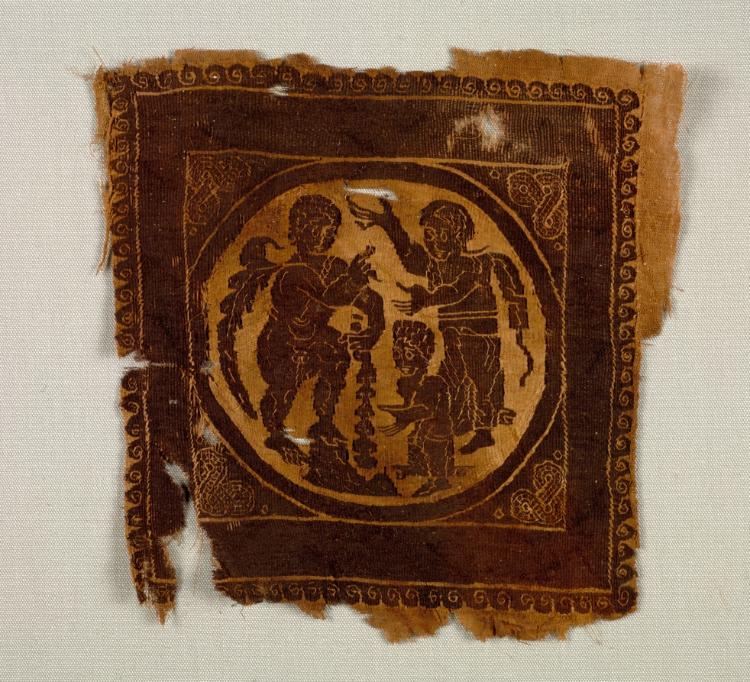
Ornamental Square from a Tunic at the Cleveland Museum of Art: 400s, tapestry weave with supplementary weft wrapping; undyed linen and dyed wool. Explore the work's context, creator attribution and collection history.
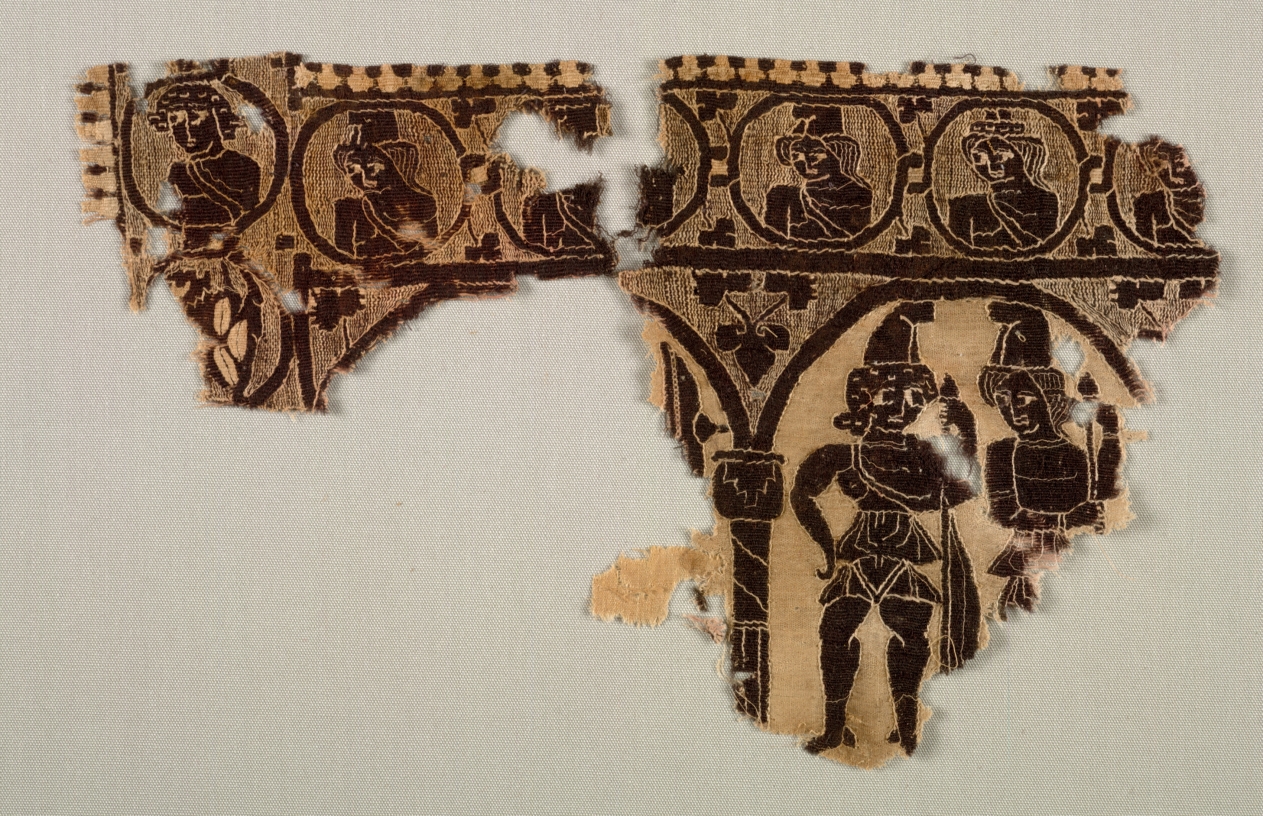
Neck Ornament of a Tunic at the Cleveland Museum of Art: 400s CE, Undyed linen and dyed wool: tapestry weave with supplementary weft wrapping. Explore the work's context, creator attribution and collection history.

Lions from a Tunic at the Cleveland Museum of Art: c. 800s, tapestry weave with supplementary weft wrapping; undyed linen and dyed wool. Explore the work's context, creator attribution and collection history.

Lions from a Tunic at the Cleveland Museum of Art: c. 800's, tapestry weave with supplementary weft wrapping; undyed linen and dyed wool. Explore the work's context, creator attribution and collection history.
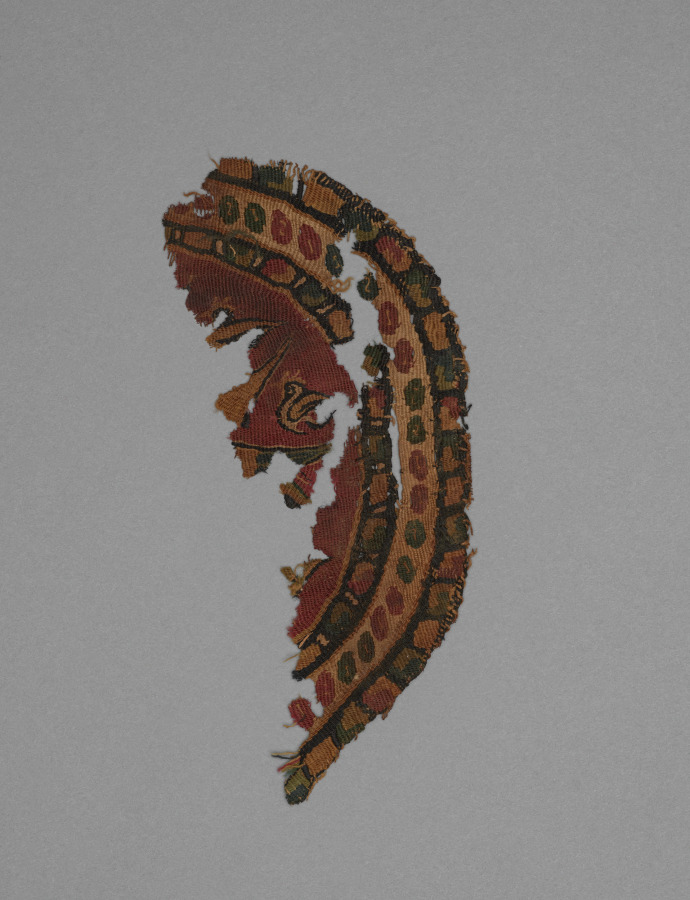
Lions from a Tunic at the Cleveland Museum of Art: c. 800's, tapestry weave with supplementary weft wrapping; undyed linen and dyed wool. Explore the work's context, creator attribution and collection history.
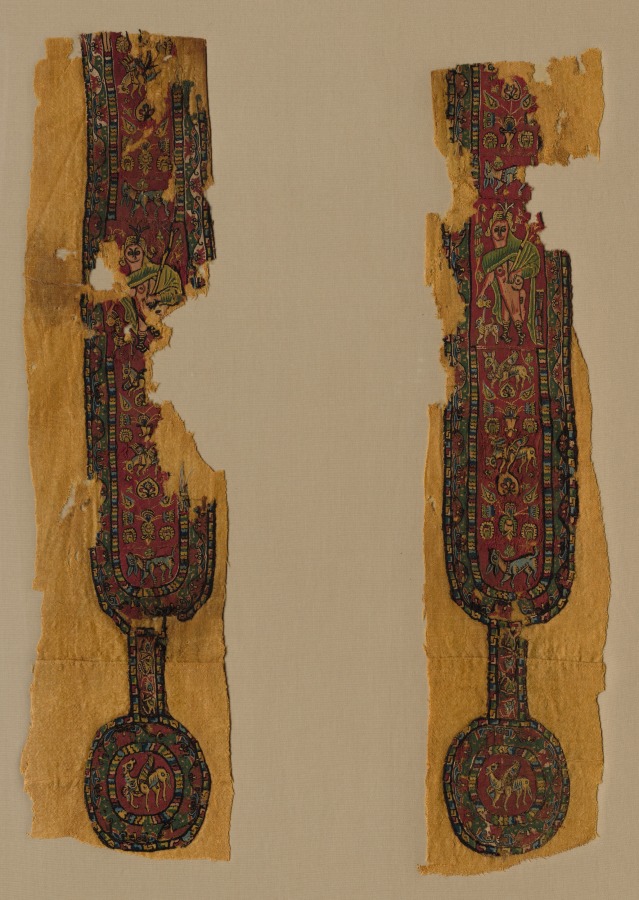
Decorations and Sleeve from a Tunic at the Cleveland Museum of Art: 700s, wool; plain weave with slit-tapestry weave. Explore the work's context, creator attribution and collection history.
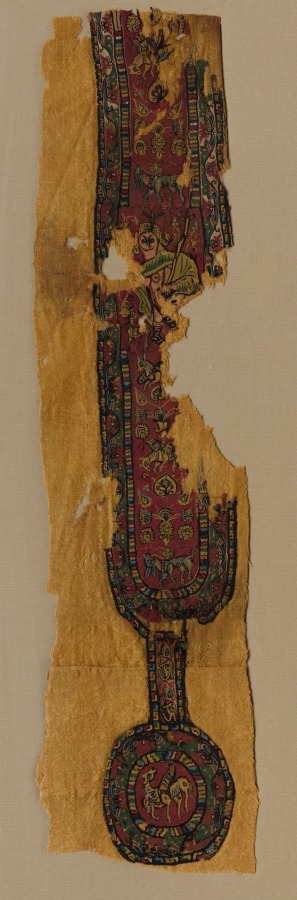
Clavi (Decorative Band) at the Cleveland Museum of Art: 700s, wool; plain weave with slit-tapestry weave. Explore the work's context, creator attribution and collection history.
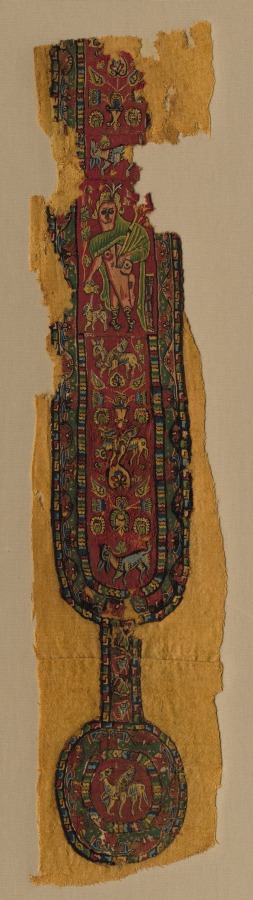
Clavi (Decorative Band) at the Cleveland Museum of Art: 700s, wool; plain weave with slit-tapestry weave. Explore the work's context, creator attribution and collection history.
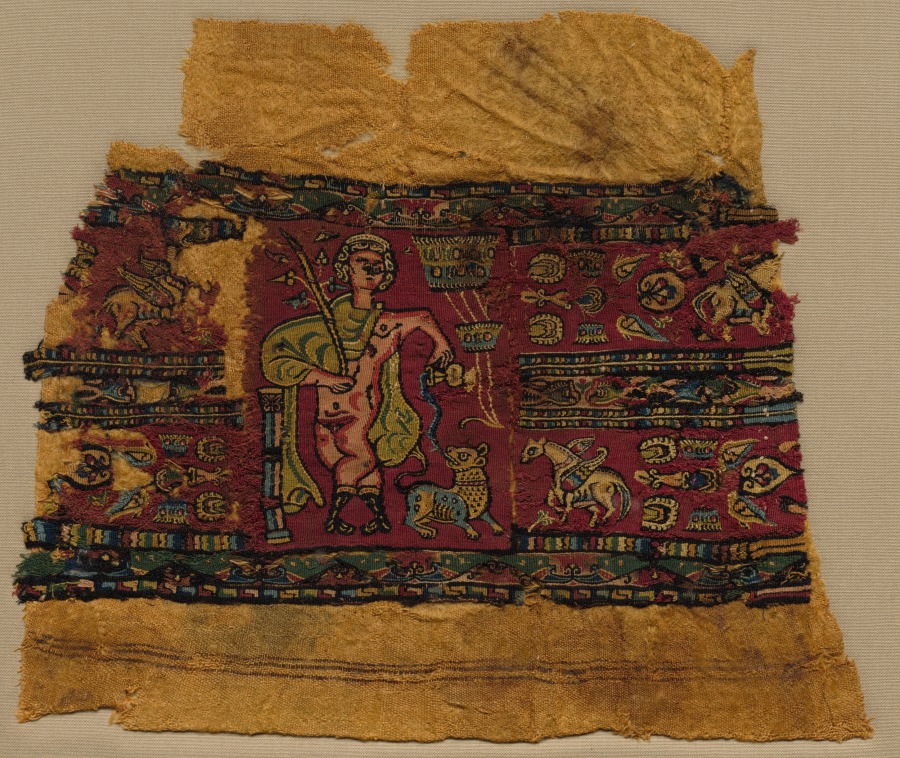
Sleeve from a Tunic at the Cleveland Museum of Art: 700s, wool; plain weave with slit-tapestry weave. Explore the work's context, creator attribution and collection history.
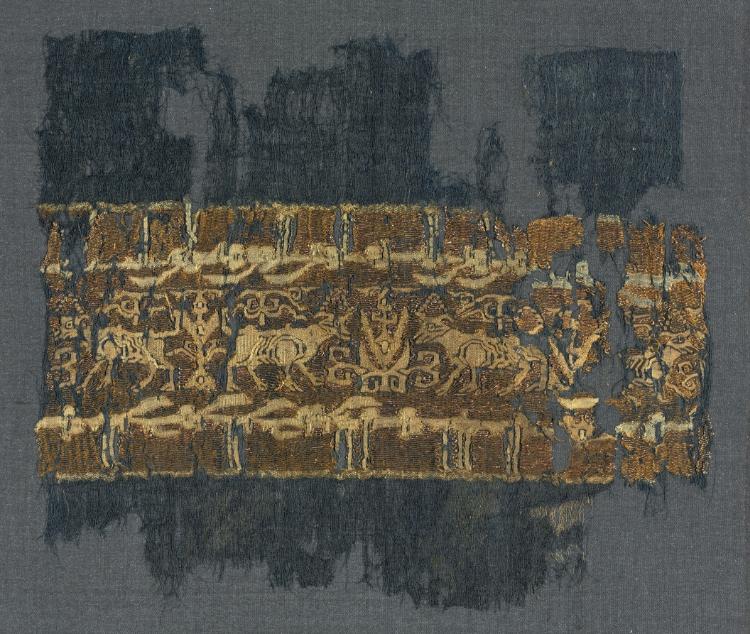
Tiraz with gold at the Cleveland Museum of Art: 1020–35, plain weave with inwoven tapestry weave: linen, silk, and gold filé. Explore the work's context, creator attribution and collection history.
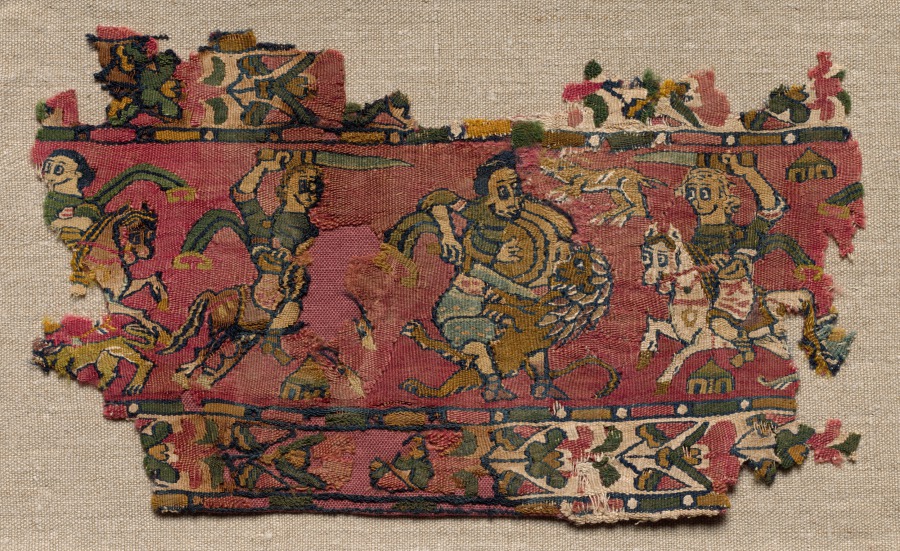
Fragment of a Band or Border at the Cleveland Museum of Art: late 600s–800s, Wool and linen: tapestry weave. Explore the work's context, creator attribution and collection history.

Small Chest with Inner Drawers at the Cleveland Museum of Art: 1700s, Rosewood (huanghuali) and metal. Explore the work's context, creator attribution and collection history.
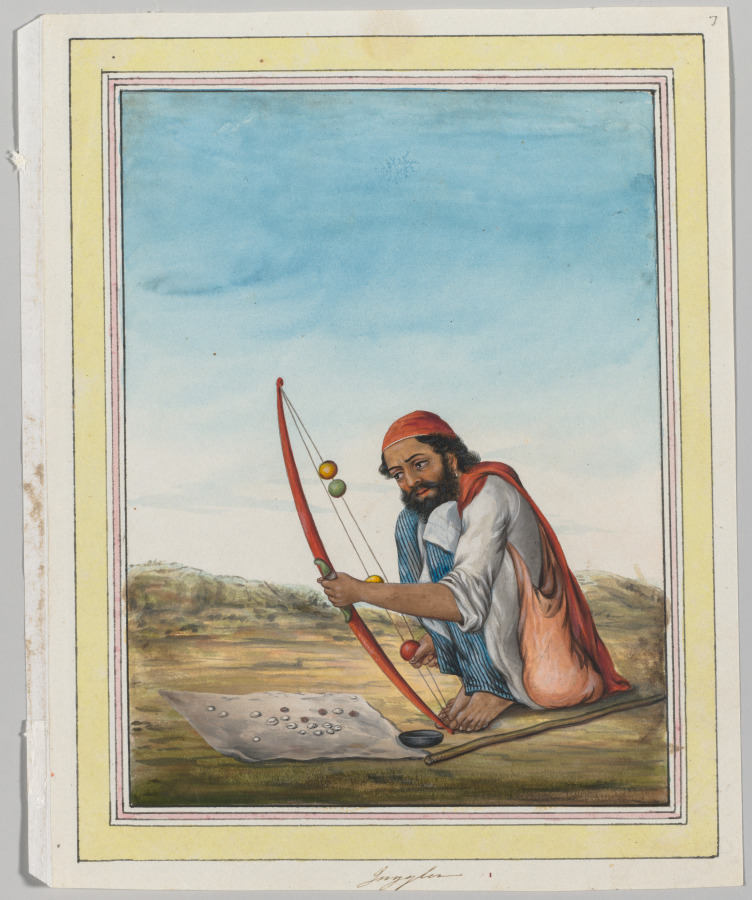
Juggler at the Cleveland Museum of Art: c. 1840, ink and gouache on paper. Explore the work's context, creator attribution and collection history.