Snuff Container (1800s–1900s): Art, History and Details
Snuff Container at the Cleveland Museum of Art: 1800s–1900s, Gourd and copper alloy. Explore the work's context, creator attribution and collection history.
Oldest entries first, in a fixed order. Newly added articles appear at the end. Explore a shuffled selection →
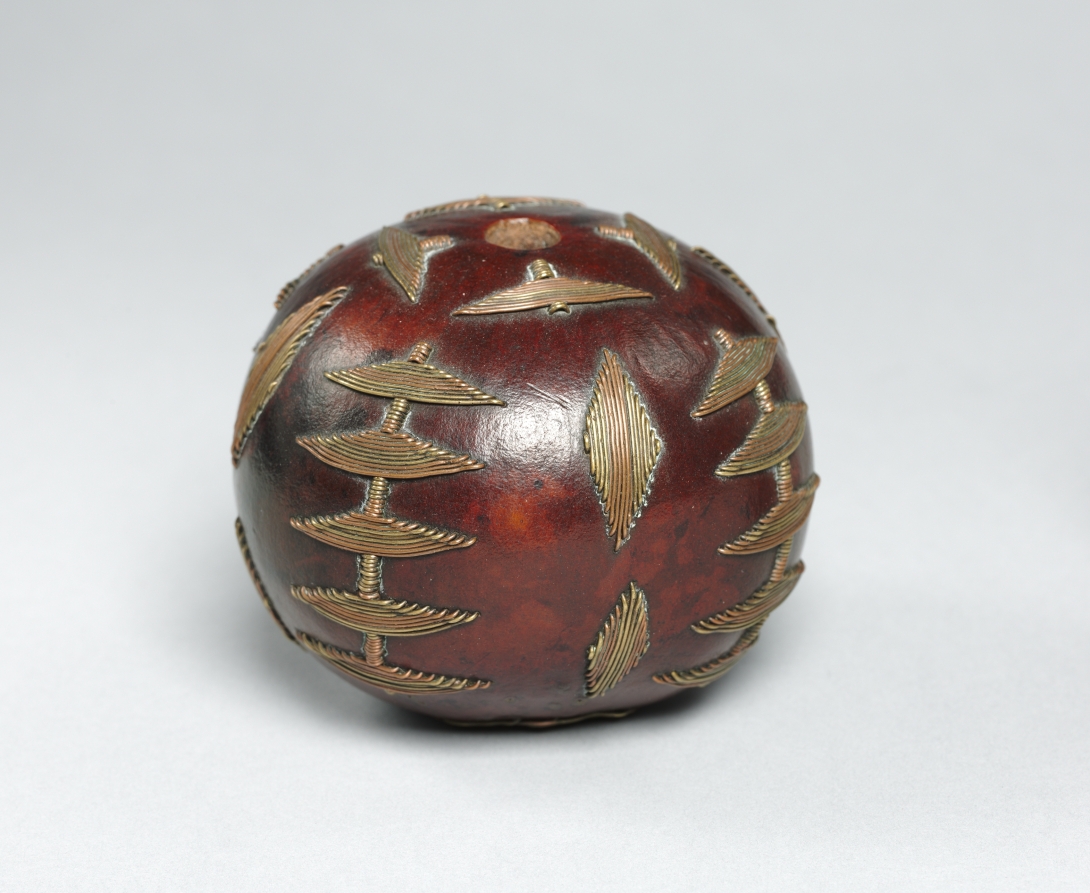
Snuff Container at the Cleveland Museum of Art: 1800s–1900s, Gourd and copper alloy. Explore the work's context, creator attribution and collection history.

Snuff Container at the Cleveland Museum of Art: 1800s–1900s, Wood, glass beads, shell, and cotton. Explore the work's context, creator attribution and collection history.
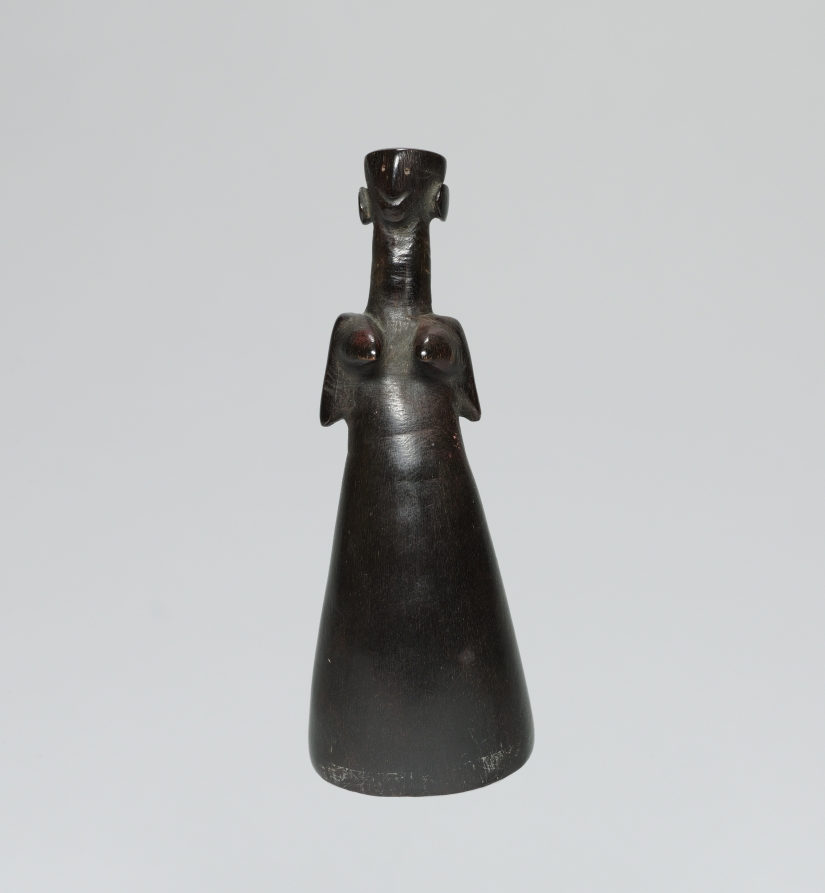
Snuff Container at the Cleveland Museum of Art: 1800s-1900s, Horn and wood. Explore the work's context, creator attribution and collection history.

Club (Knobkerrie) at the Cleveland Museum of Art: 1800s–1900s, Wood. Explore the work's context, creator attribution and collection history.

Staff at the Cleveland Museum of Art: 1800s–1900s, Wood. Explore the work's context, creator attribution and collection history.
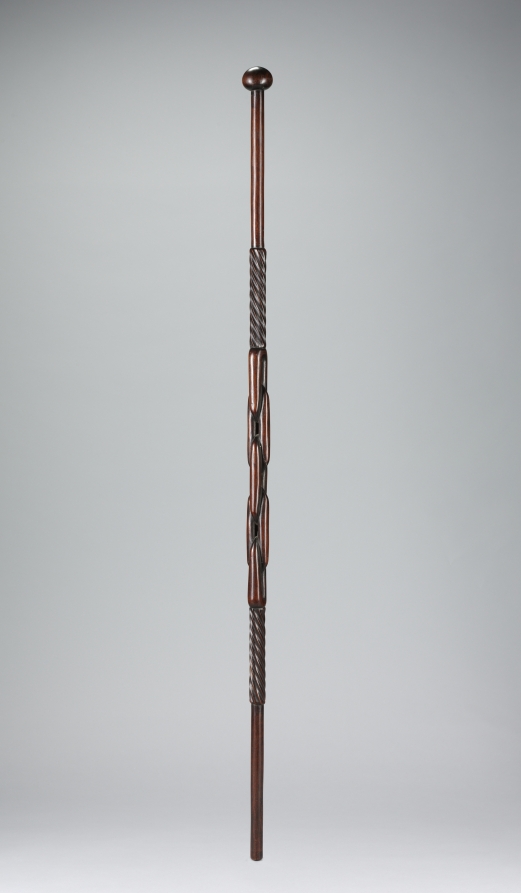
Prestige Staff at the Cleveland Museum of Art: 1800s–1900s, Wood. Explore the work's context, creator attribution and collection history.

Neckpiece with panel (umphapheni) at the Cleveland Museum of Art: 1800s–1900s, Glass beads, plant fiber, copper alloy, and iron. Explore the work's context, creator attribution and collection history.

Figure (kgöngwana-tshingwana/Ngwana sehô) at the Cleveland Museum of Art: 1800s–1900s, Wood, glass beads, cloth, thread, and copper alloy. Explore the work's context, creator attribution and collection history.

Mother-and-Child? Vessel at the Cleveland Museum of Art: 1–700 CE, ceramic, slip, pigment. Explore the work's context, creator attribution and collection history.

Necklace (amazipho) at the Cleveland Museum of Art: 1800s, Glass beads, bone, and sinew. Explore the work's context, creator attribution and collection history.

Club (Knobkerrie) at the Cleveland Museum of Art: late 1800s or early 1900s, Wood. Explore the work's context, creator attribution and collection history.
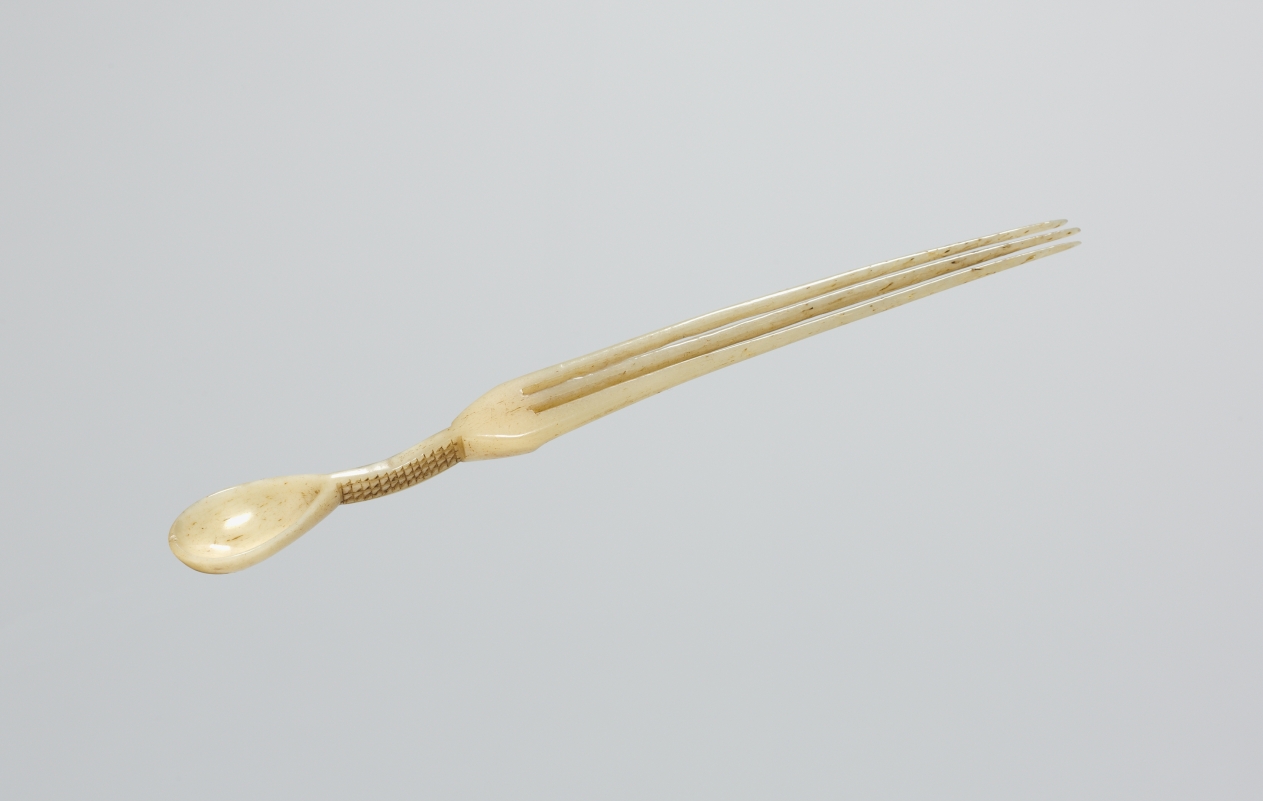
Snuff Spoon/Comb (intshengula or izintshengula) at the Cleveland Museum of Art: late 1800s, Bone. Explore the work's context, creator attribution and collection history.
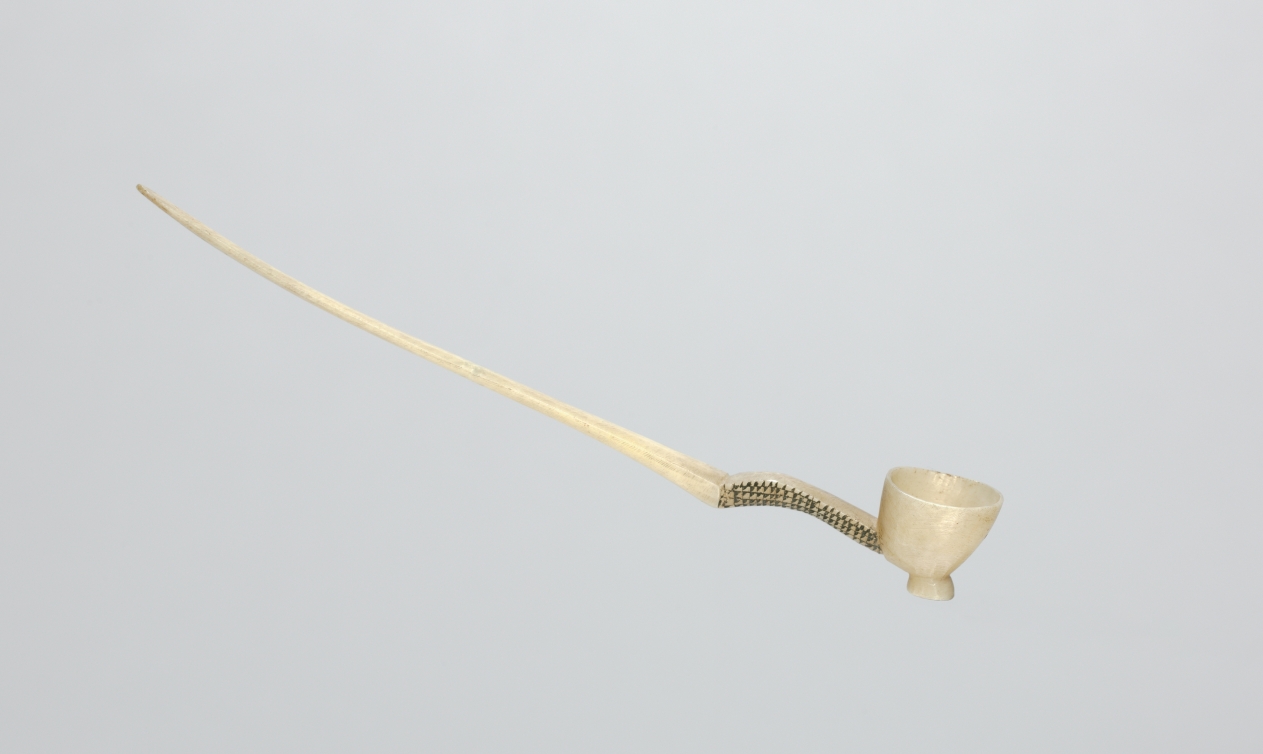
Snuff Spoon (intshengula or izintshengula) at the Cleveland Museum of Art: late 1800s, bone. Explore the work's context, creator attribution and collection history.

Cabinet Plate at the Cleveland Museum of Art: 1883, porcelain with enamel pâte-sure-pâte and gilt decoration. Explore the work's context, creator attribution and collection history.

Study of a Seated Nude Female Model Drawing at the Cleveland Museum of Art: c. 1888–1898, black chalk. Explore the work's context, creator attribution and collection history.
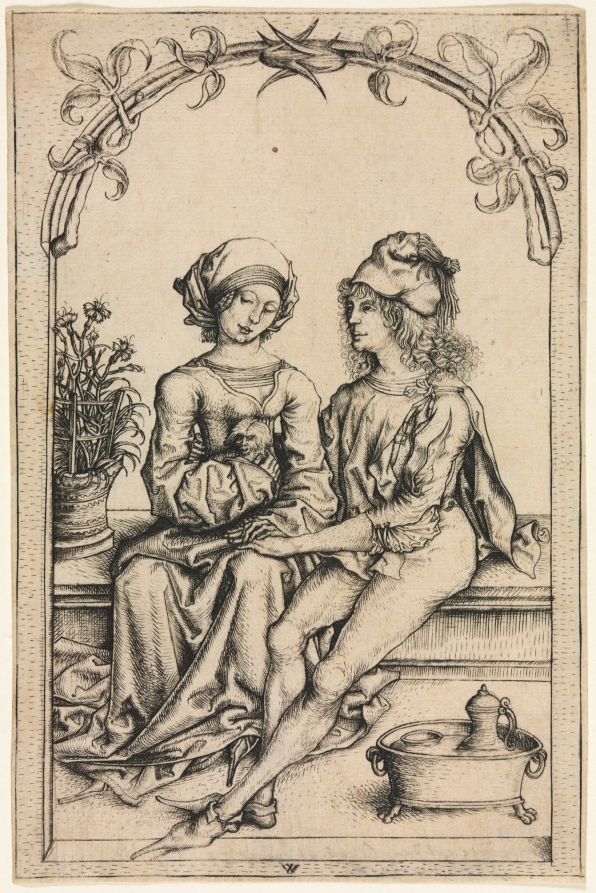
The Lovers at the Cleveland Museum of Art: c. 1490, engraving. Explore the work's context, creator attribution and collection history.
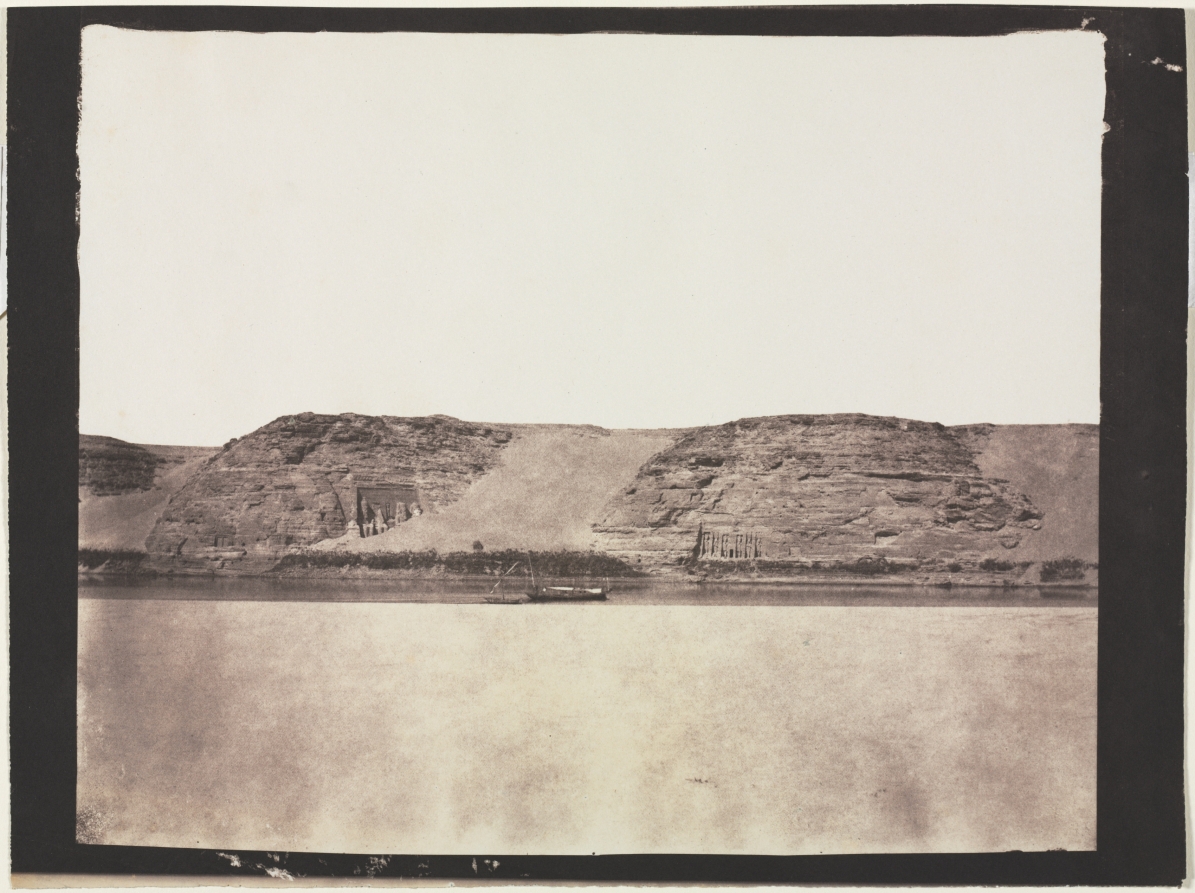
General View of Monuments Carved into Bedrock with Photographer's Dahabieh. Abu Simbel at the Cleveland Museum of Art: 1851–1852, salted paper print from a paper negative. Explore the work's context, creator attribution and collection histo
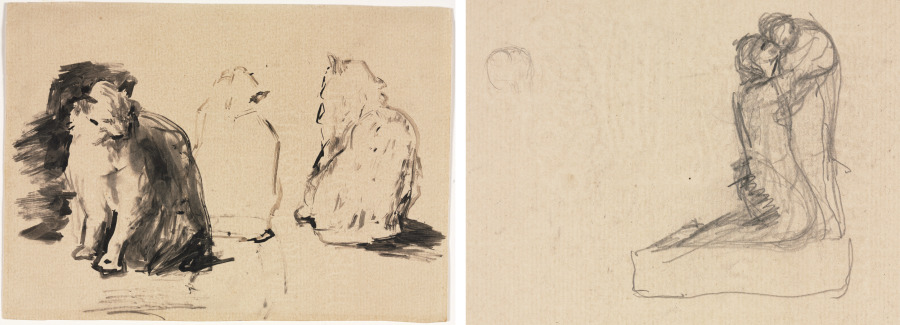
Cats (recto); Sketch of Two Figures Embracing (verso) at the Cleveland Museum of Art: 1838–91, pen and black ink and brush and black wash on paper. Explore the work's context, creator attribution and collection history.

Roundel with Mermaids and Lotus at the Cleveland Museum of Art: c. 100 BCE, ivory. Explore the work's context, creator attribution and collection history.
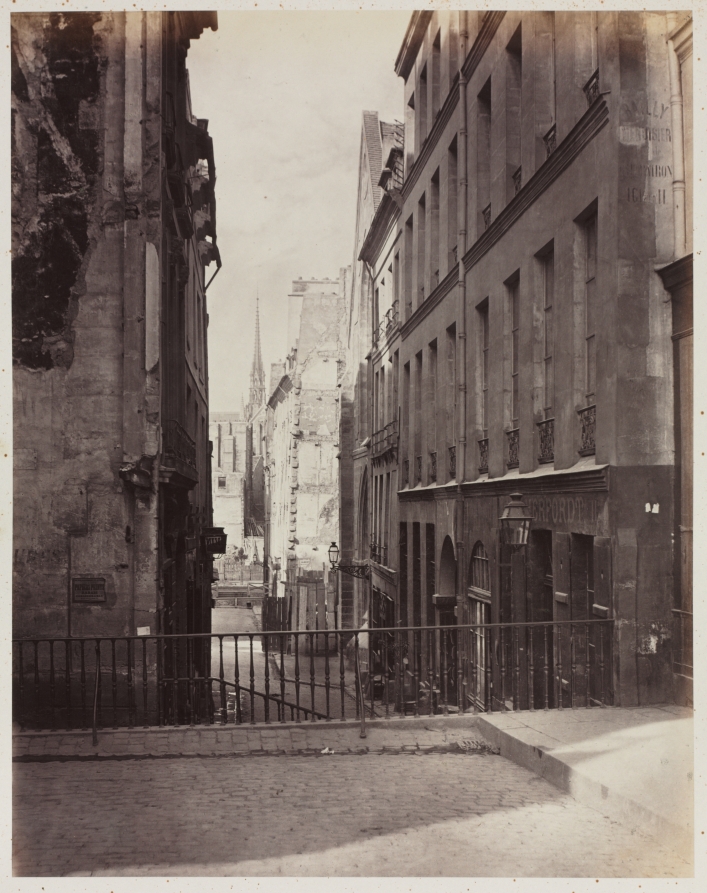
Rue Jean-de-Beauvais. Vue prise de la rue des Écoles vers la boulevard Saint-Germain, en travaux at the Cleveland Museum of Art: 1865–69, albumen print from wet collodion negative. Explore the work's context, creator attribution and collect
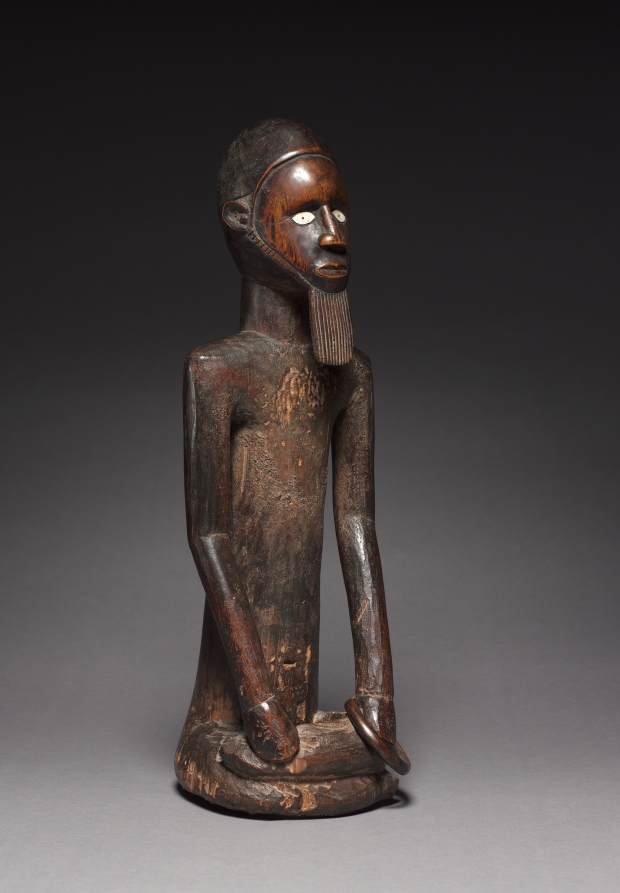
Male Figure at the Cleveland Museum of Art: late 1800s-early 1900s, Wood, ceramic or Formica, copper alloy, and iron alloy. Explore the work's context, creator attribution and collection history.
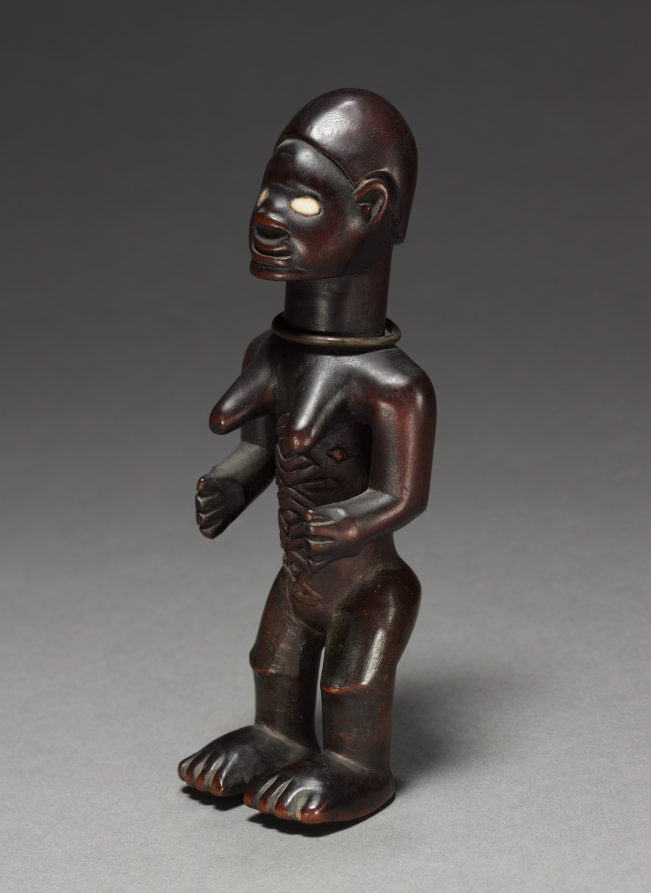
Female Figurine at the Cleveland Museum of Art: late 1800s-early 1900s, Wood, possibly ceramic, and copper alloy. Explore the work's context, creator attribution and collection history.
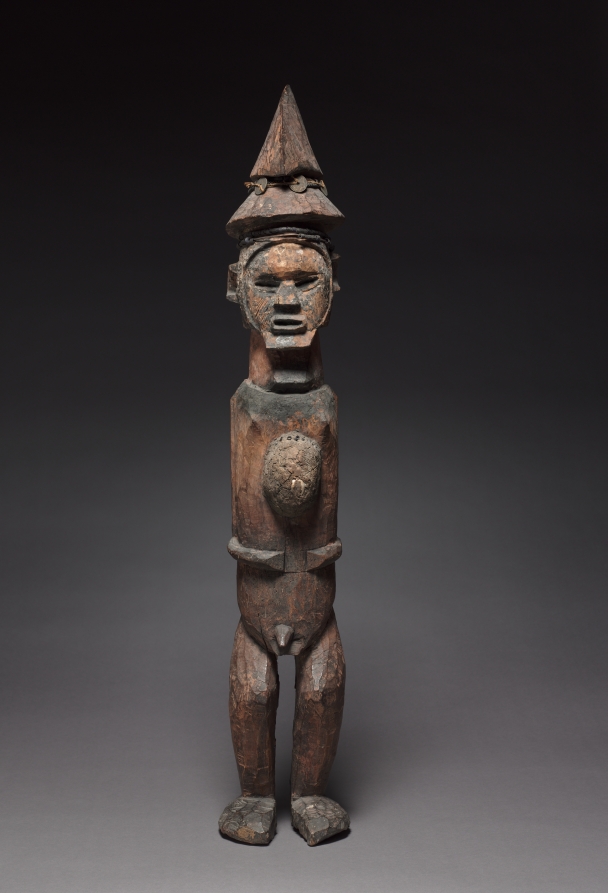
Male Figure at the Cleveland Museum of Art: late 1800s-early 1900s, Wood, resin, iron, copper, plant fiber, cloth, glass beads, coins, antelope horns, and cowrie shells. Explore the work's context, creator attribution and collection history

Male Figure at the Cleveland Museum of Art: late 1800s-early 1900s, Wood, cloth, organic material, and copper alloy. Explore the work's context, creator attribution and collection history.
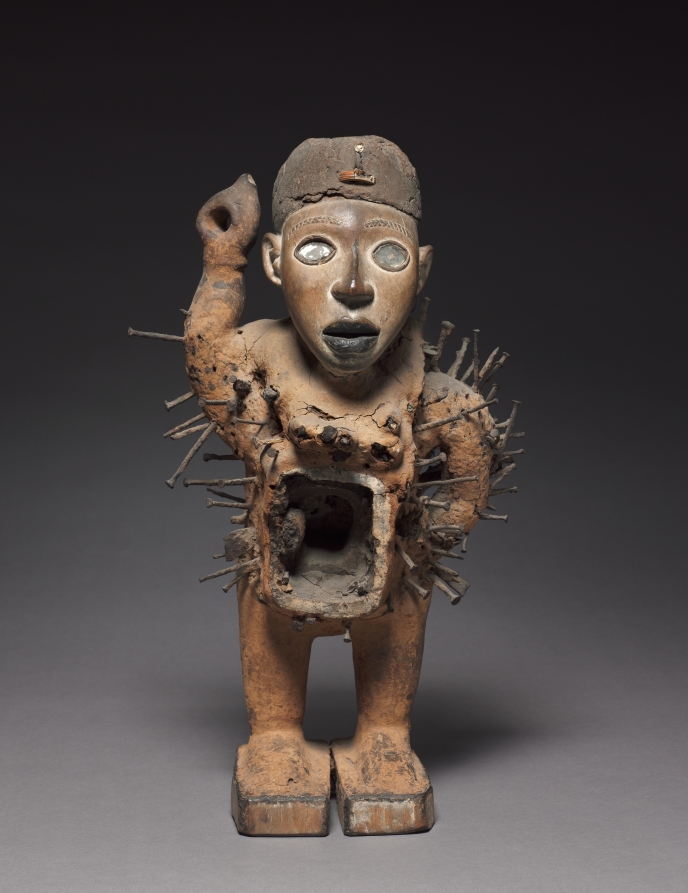
Male figure (nkisi nkondi) at the Cleveland Museum of Art: late 1800s-early 1900s, Wood, metalized glass, iron, organic material, ivory or plastic, and natural fiber. Explore the work's context, creator attribution and collection history.
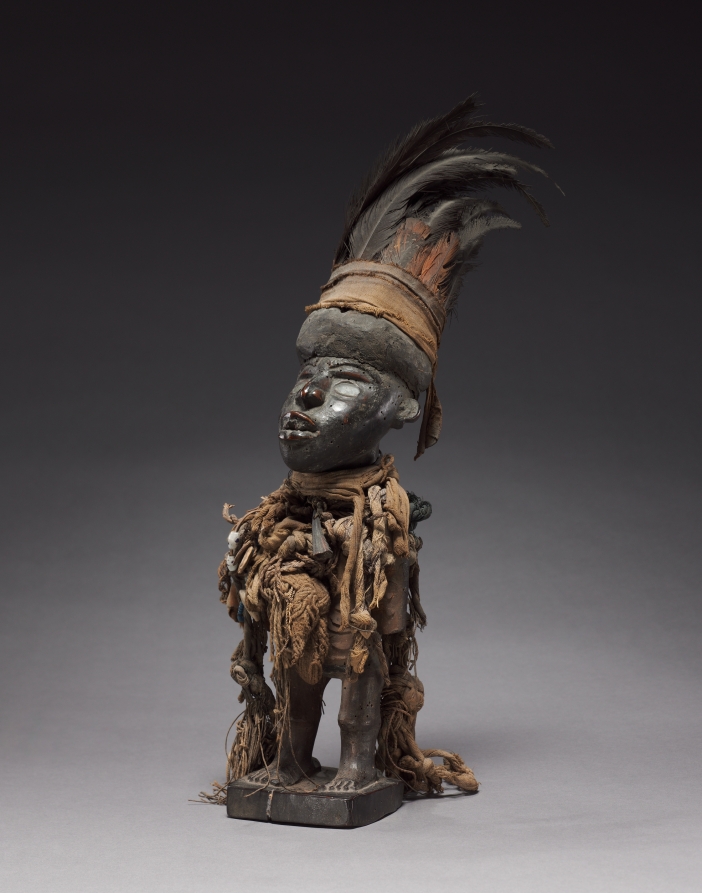
Male Figure (Nkisi) at the Cleveland Museum of Art: late 1800s-early 1900s, Wood, cloth, resin, organic material, feathers, natural fibers, antelope horn, seashells (including cowrie shells), glass beads, metalized glass, and plant fiber. E
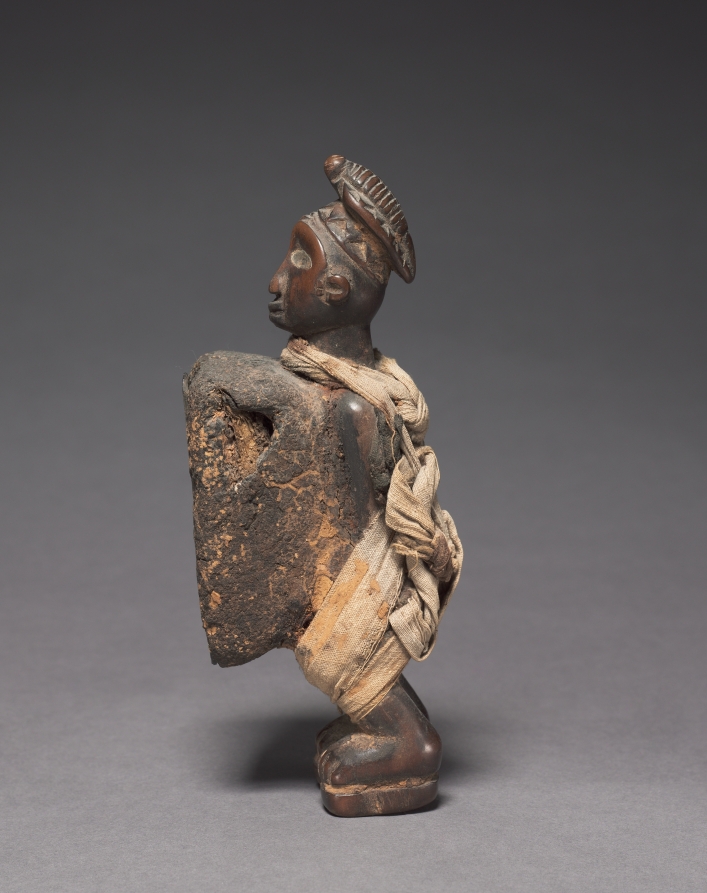
Male Figure (Nkisi) at the Cleveland Museum of Art: late 1800s-early 1900s, Wood, organic material (including resin), metalized glass, and cloth. Explore the work's context, creator attribution and collection history.
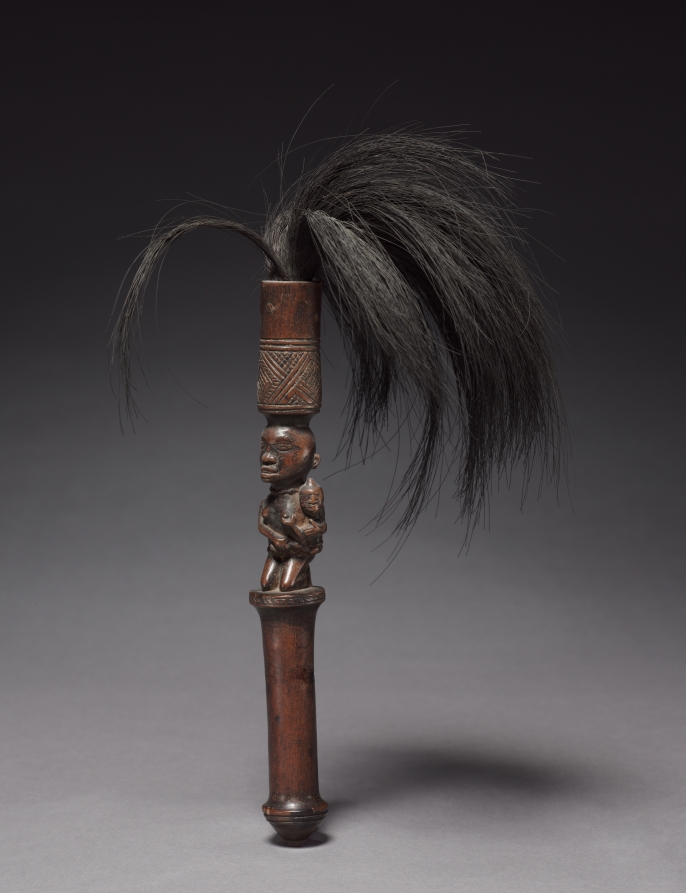
Flywhisk at the Cleveland Museum of Art: late 1800s-early 1900s, Wood and animal hair. Explore the work's context, creator attribution and collection history.
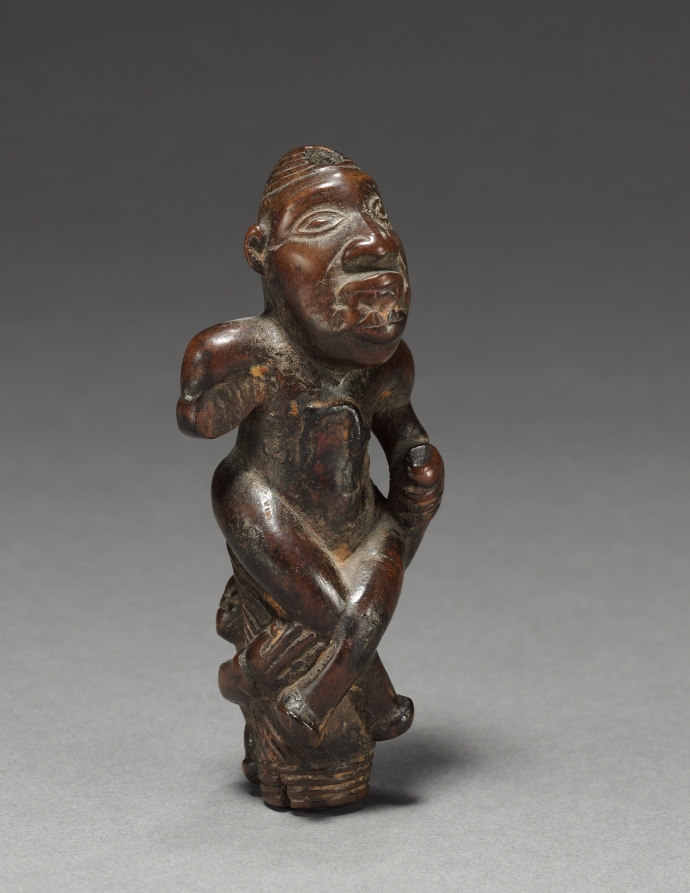
Male Figurine or Finial at the Cleveland Museum of Art: early 1800s-early 1900s, Wood. Explore the work's context, creator attribution and collection history.
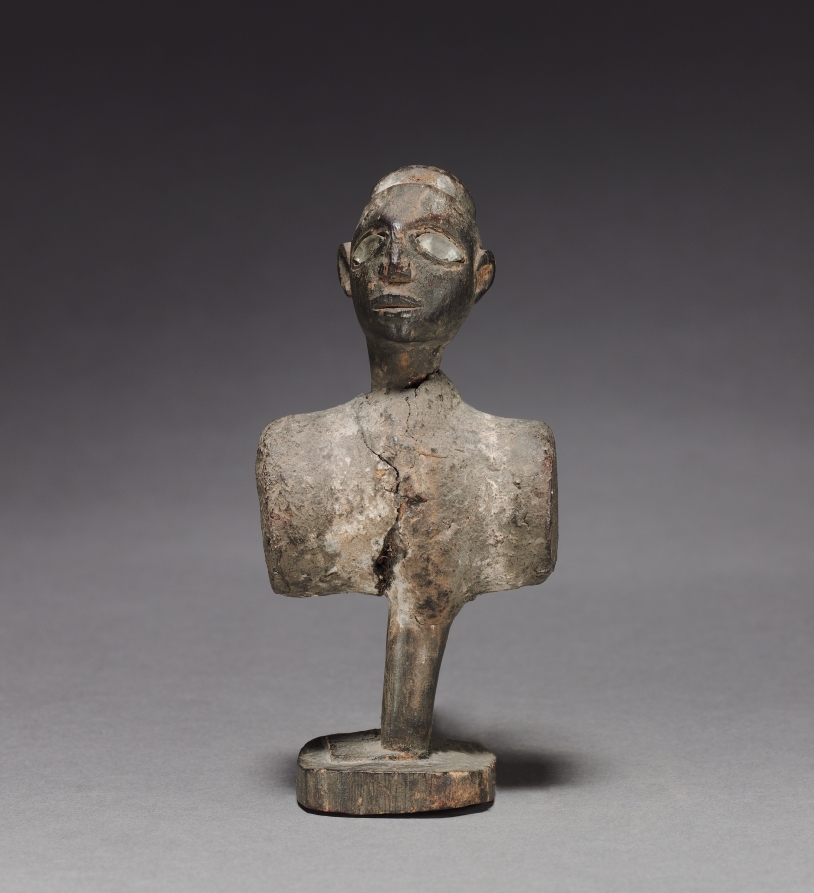
Power figure (nkisi) at the Cleveland Museum of Art: late 1800s-early 1900s, Wood, organic materials (including resin), and metalized glass. Explore the work's context, creator attribution and collection history.
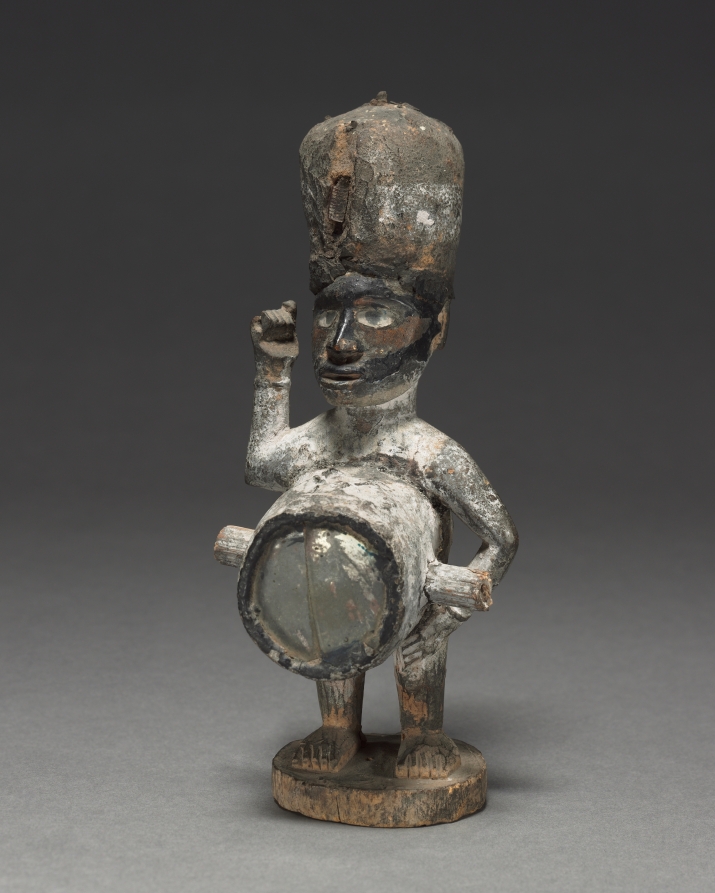
Power figure (nkisi) at the Cleveland Museum of Art: late 1800s-early 1900s, Wood, organic materials (including resin), probably kaolin, and metalized glass. Explore the work's context, creator attribution and collection history.

Power figure (nkisi) at the Cleveland Museum of Art: late 1800s-early 1900s, Wood, metalized glass, organic materials (including resin), feathers, plant fibers, iron, and copper alloy. Explore the work's context, creator attribution and col
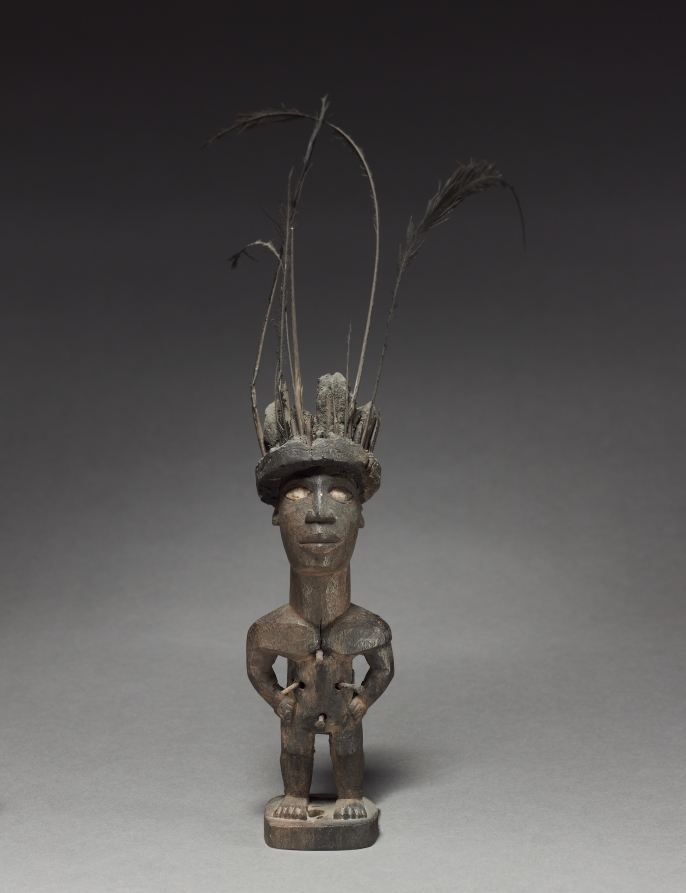
Power figure (nkisi) at the Cleveland Museum of Art: late 1800s–early 1900s, Wood, feathers, organic material (including resin), iron, and possibly porcelain. Explore the work's context, creator attribution and collection history.

Power figure (nkisi) at the Cleveland Museum of Art: late 1800s–early 1900s, Wood, organic materials (including resin), cloth, metalized glass, possibly porcelain, and plant fiber. Explore the work's context, creator attribution and collect
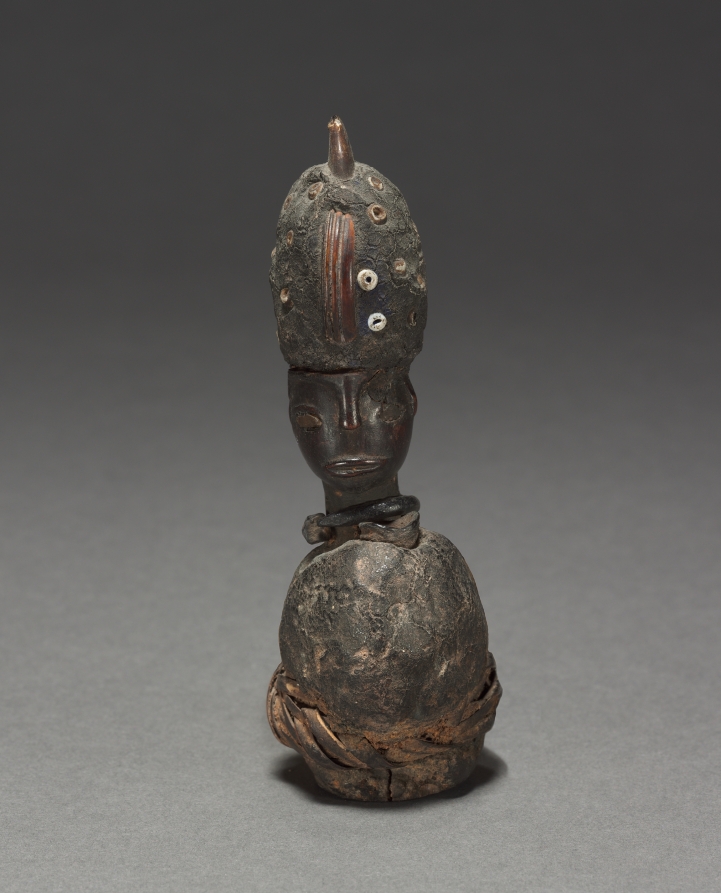
Power figure (nkisi) at the Cleveland Museum of Art: late 1800s-early 1900s, Wood, organic materials (including resin), iron, reed, tooth, seashell or glass beads, and possibly plastic. Explore the work's context, creator attribution and co
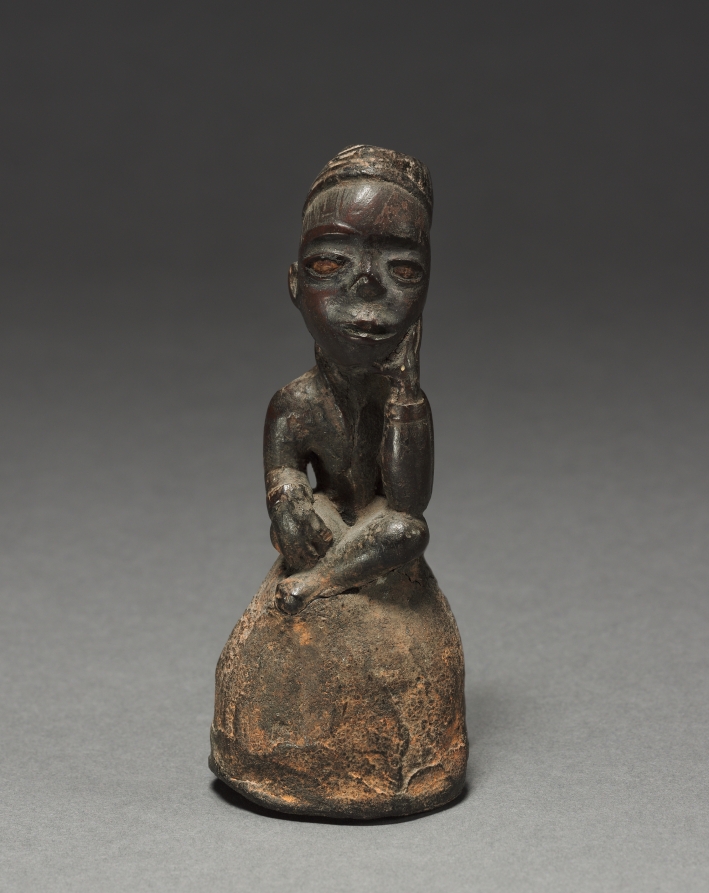
Power figure (nkisi) at the Cleveland Museum of Art: late 1800s-early 1900s, Wood, organic materials (including resin), cloth, glass, and various other materials. Explore the work's context, creator attribution and collection history.
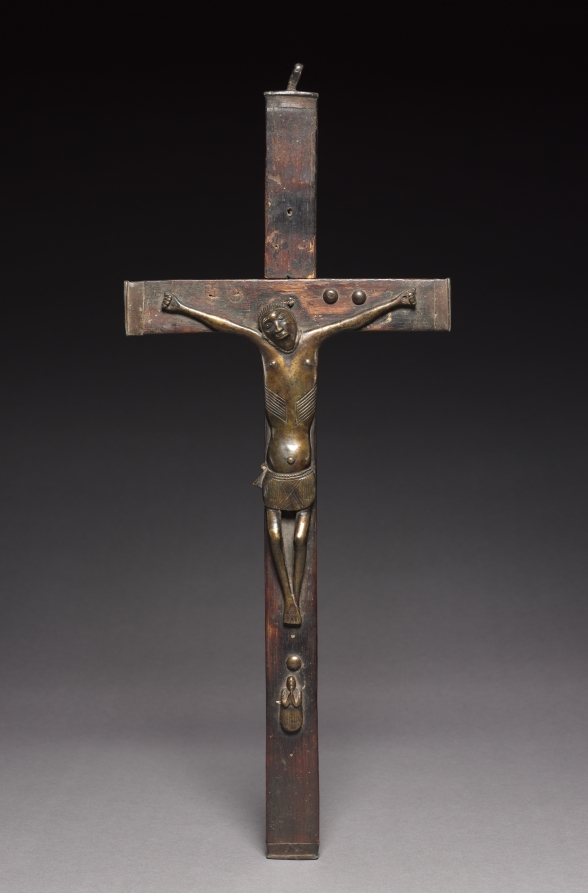
Crucifix at the Cleveland Museum of Art: late 1800s-early 1900s, Copper alloy, wood, upholstery studs, and iron alloy. Explore the work's context, creator attribution and collection history.
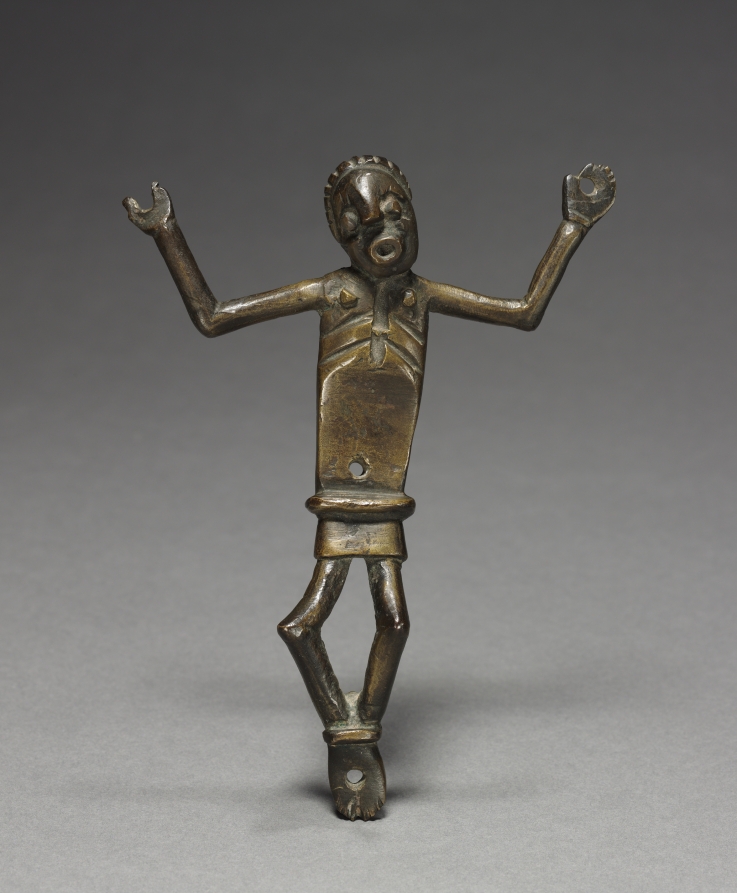
Corpus (Crucified Christ) at the Cleveland Museum of Art: late 1800s-early 1900s, Copper alloy. Explore the work's context, creator attribution and collection history.

Female Figurine or Finial at the Cleveland Museum of Art: late 1800s-early 1900s, Ivory and iron. Explore the work's context, creator attribution and collection history.

Scepter at the Cleveland Museum of Art: late 1800s–early 1900s, ivory. Explore the work's context, creator attribution and collection history.