Saluting Protective Spirit (883–859 BCE): Art, History and Details
Saluting Protective Spirit at the Cleveland Museum of Art: 883–859 BCE, gypsum. Explore the work's context, creator attribution and collection history.
Oldest entries first, in a fixed order. Newly added articles appear at the end. Explore a shuffled selection →
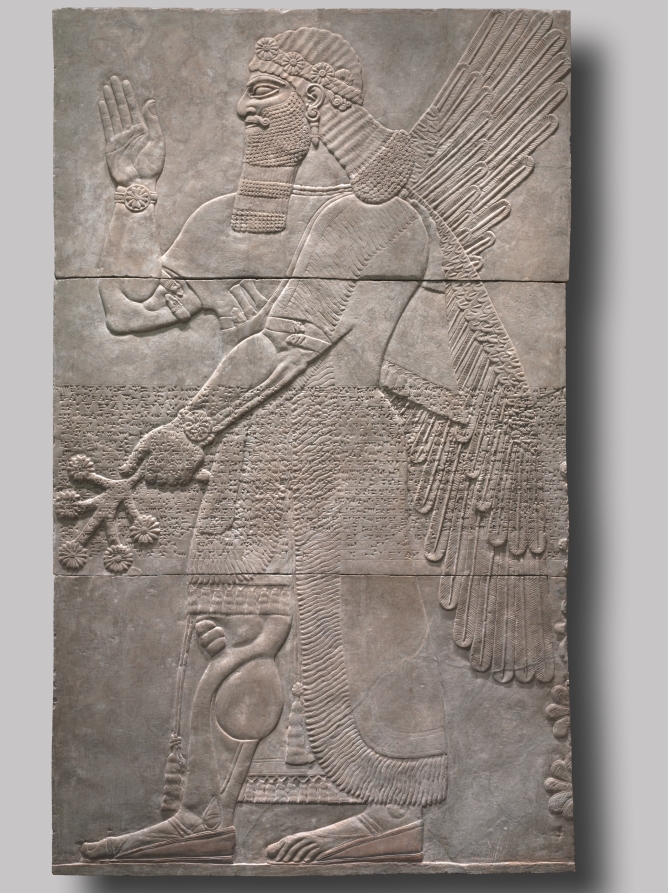
Saluting Protective Spirit at the Cleveland Museum of Art: 883–859 BCE, gypsum. Explore the work's context, creator attribution and collection history.
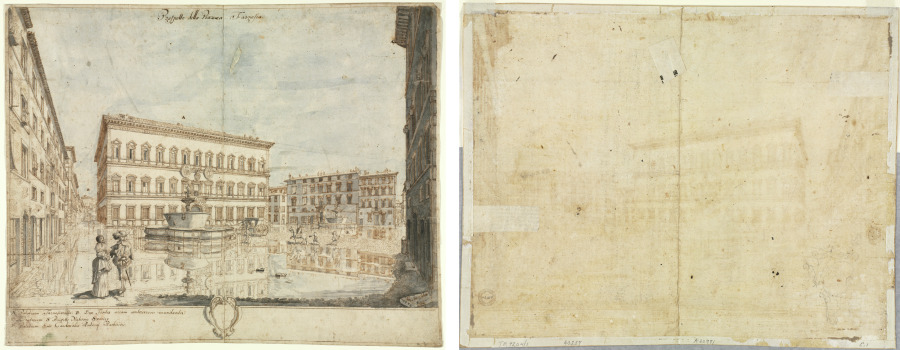
Eighteen Views of Rome: The Piazza Farnese (recto); Cartouche (verso) at the Cleveland Museum of Art: 1664, pen and brown ink and brush and gray and blue wash over graphite; squared in graphite (two figures in the foreground); framing lines
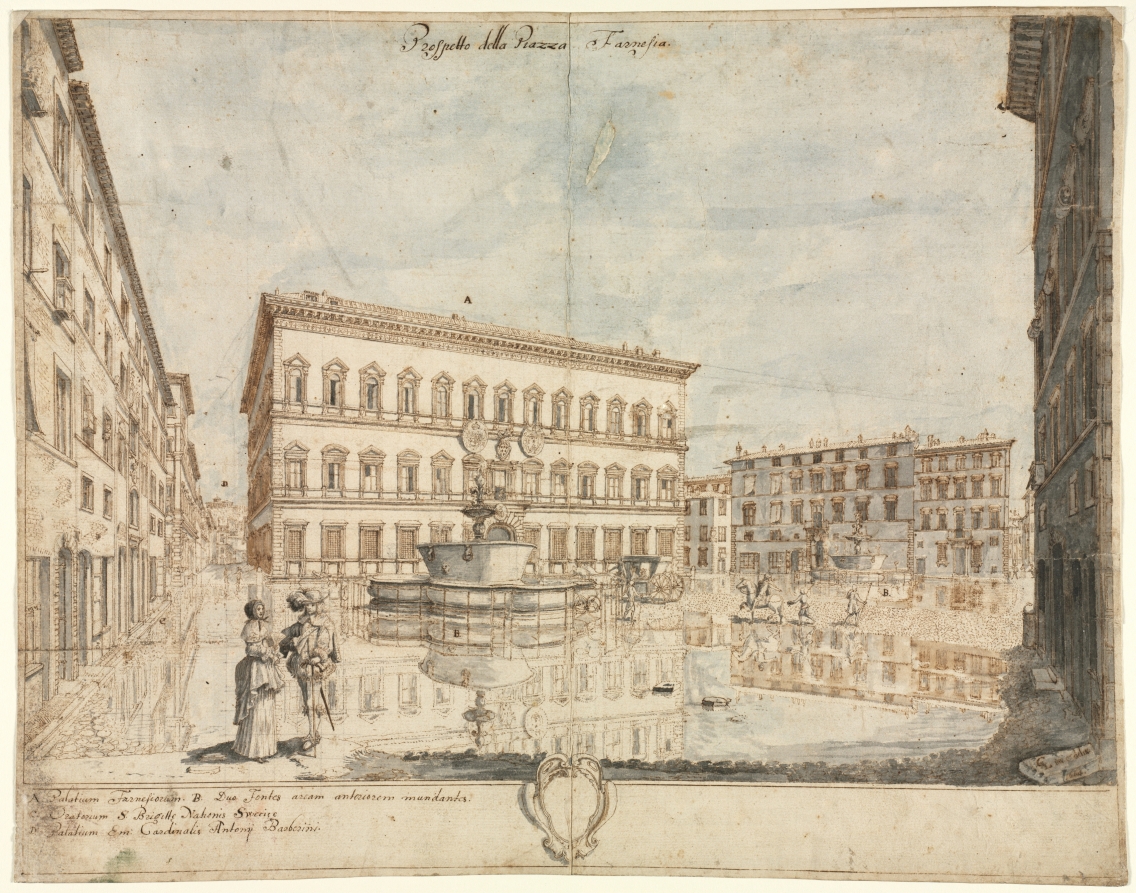
Eighteen Views of Rome: The Piazza Farnese (recto) at the Cleveland Museum of Art: 1664, pen and brown ink and brush and gray and blue wash over graphite; squared in graphite (two figures in the foreground); framing lines in brown ink. Expl
Cartouche (verso) at the Cleveland Museum of Art: 1664, graphite. Explore the work's context, creator attribution and collection history.
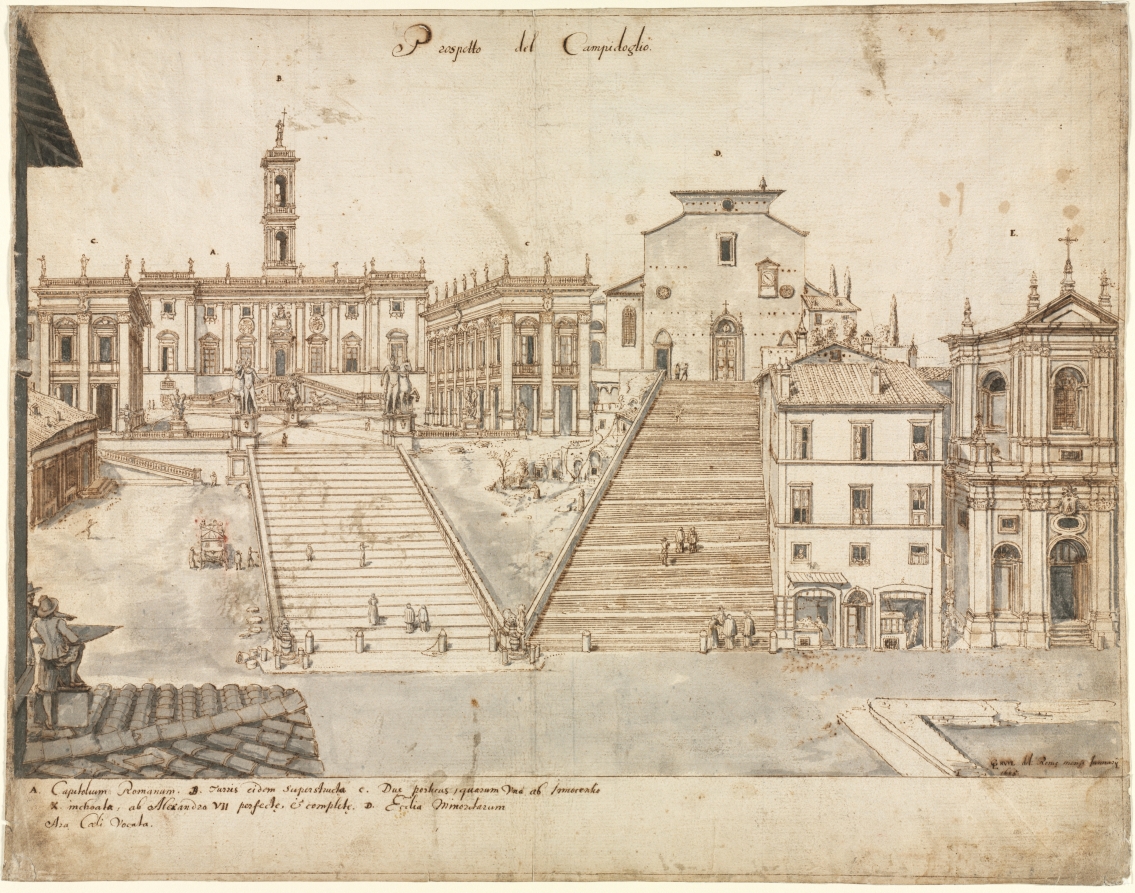
Eighteen Views of Rome: The Campidoglio at the Cleveland Museum of Art: 1665, pen and brown ink and brush and gray wash over graphite; framing lines in brown ink. Explore the work's context, creator attribution and collection history.

Albarello with Two Rabbits at the Cleveland Museum of Art: 1300s, tin-glazed earthenware (maiolica). Explore the work's context, creator attribution and collection history.
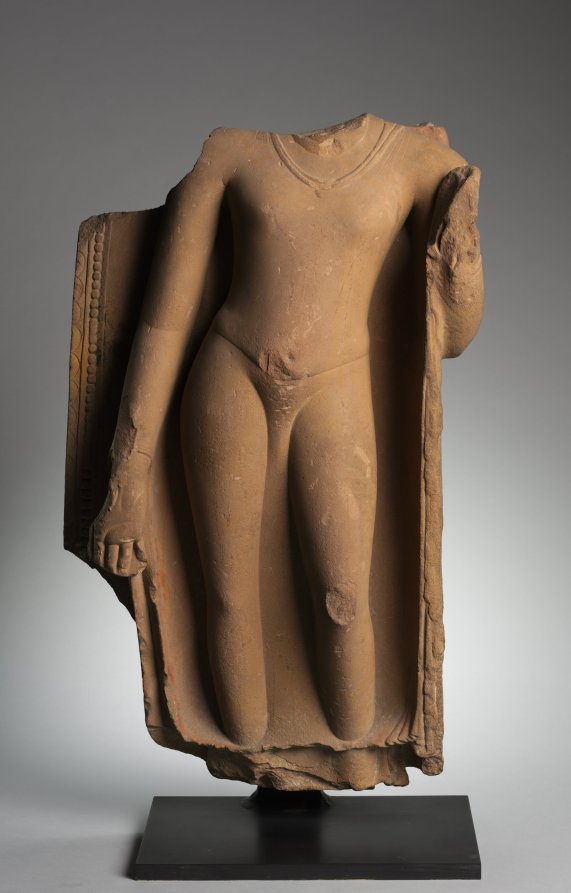
Standing Buddha at the Cleveland Museum of Art: 400s CE, sandstone. Explore the work's context, creator attribution and collection history.
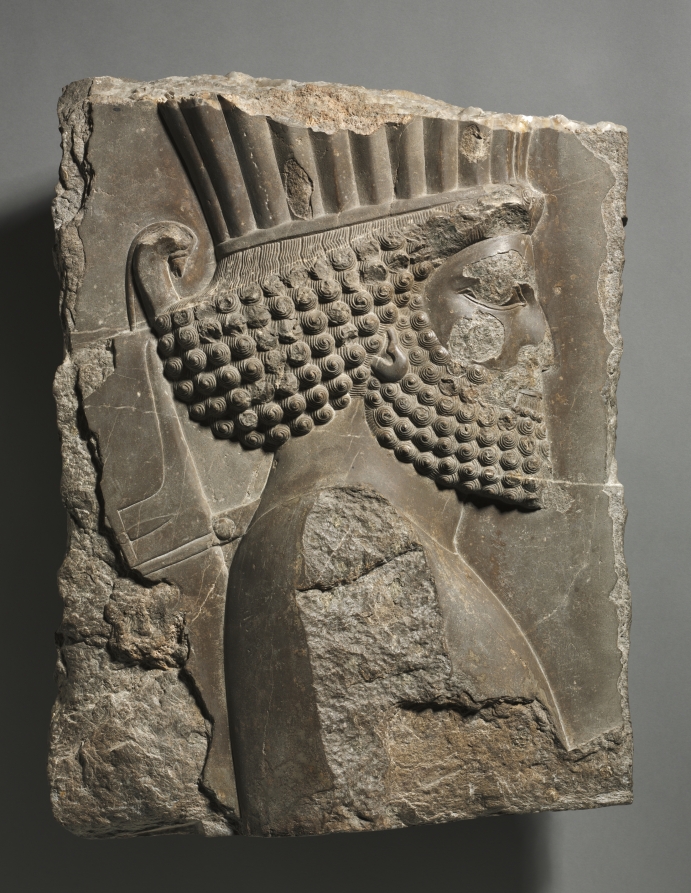
Fragment of a Wall Decoration from the Palace of Xerxes: "Guardsman" in Procession at the Cleveland Museum of Art: 486–465 BCE, gray limestone. Explore the work's context, creator attribution and collection history.
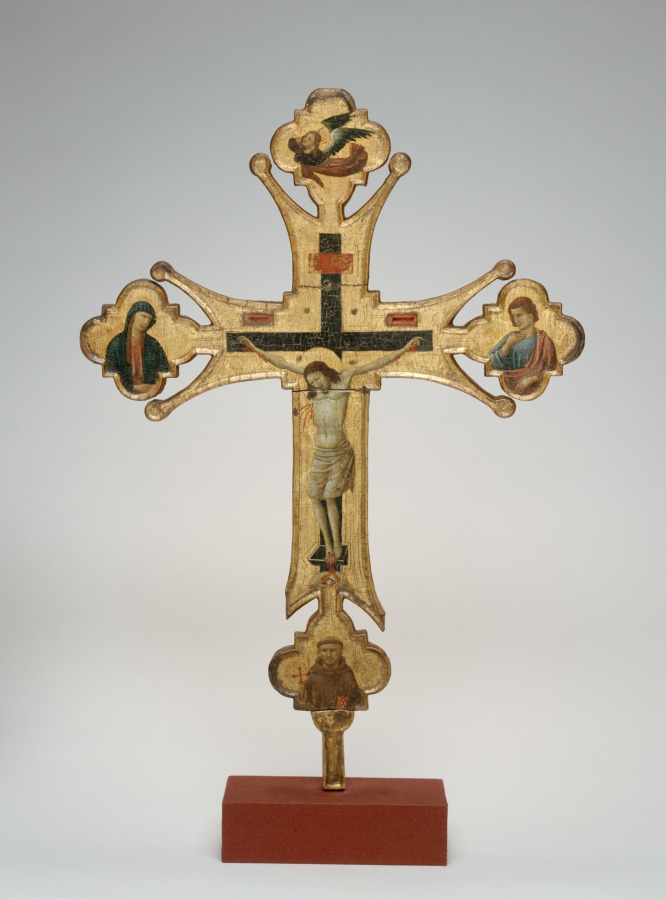
Processional Cross at the Cleveland Museum of Art: c. 1320, oil on canvas on wood. Explore the work's context, creator attribution and collection history.
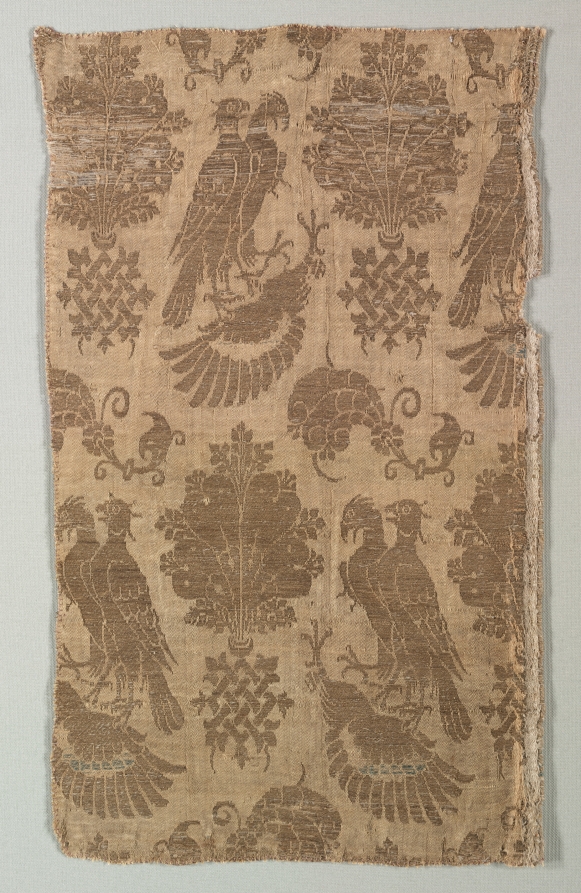
Gold-patterned Silk with Falcons and Heraldry at the Cleveland Museum of Art: 1360–1400, Silk, gold thread; a combination of two weaves (lampas). Explore the work's context, creator attribution and collection history.
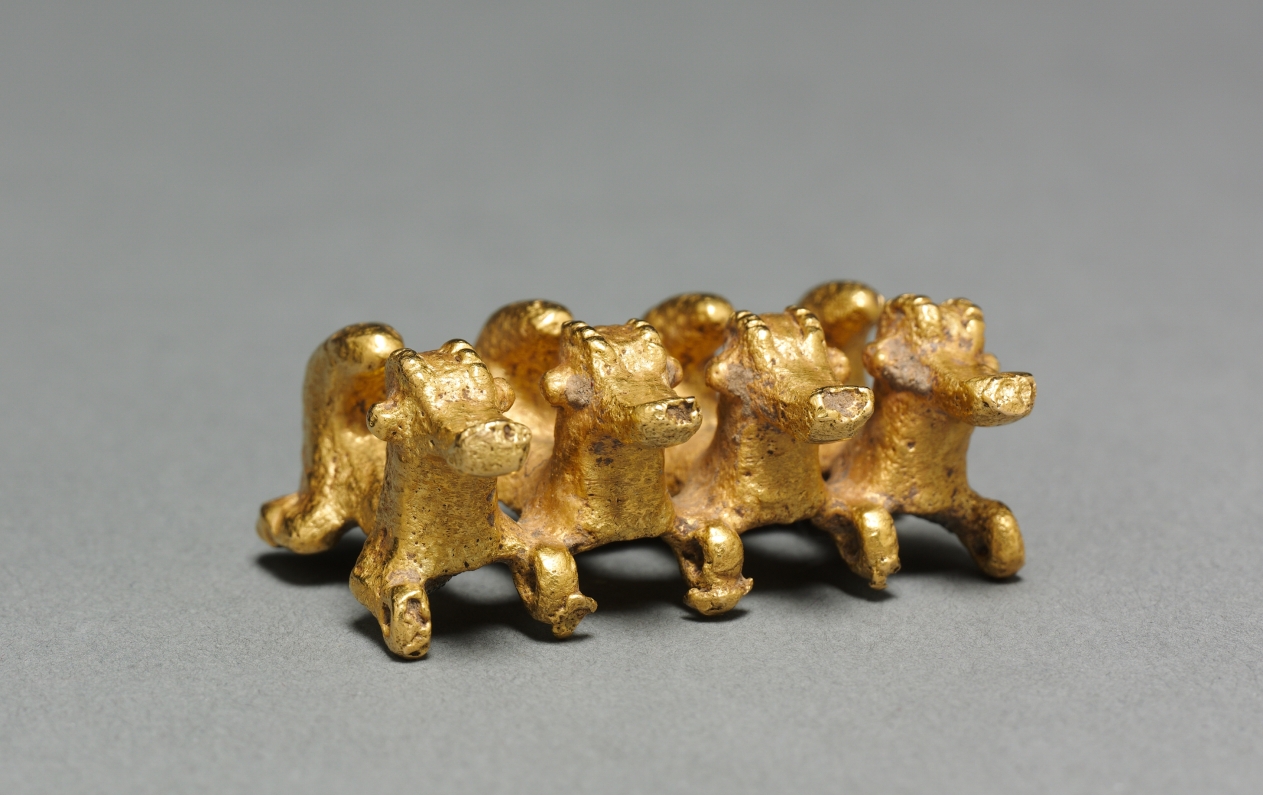
Curly-Tailed Animal Pendant at the Cleveland Museum of Art: 100–800 CE, gold. Explore the work's context, creator attribution and collection history.
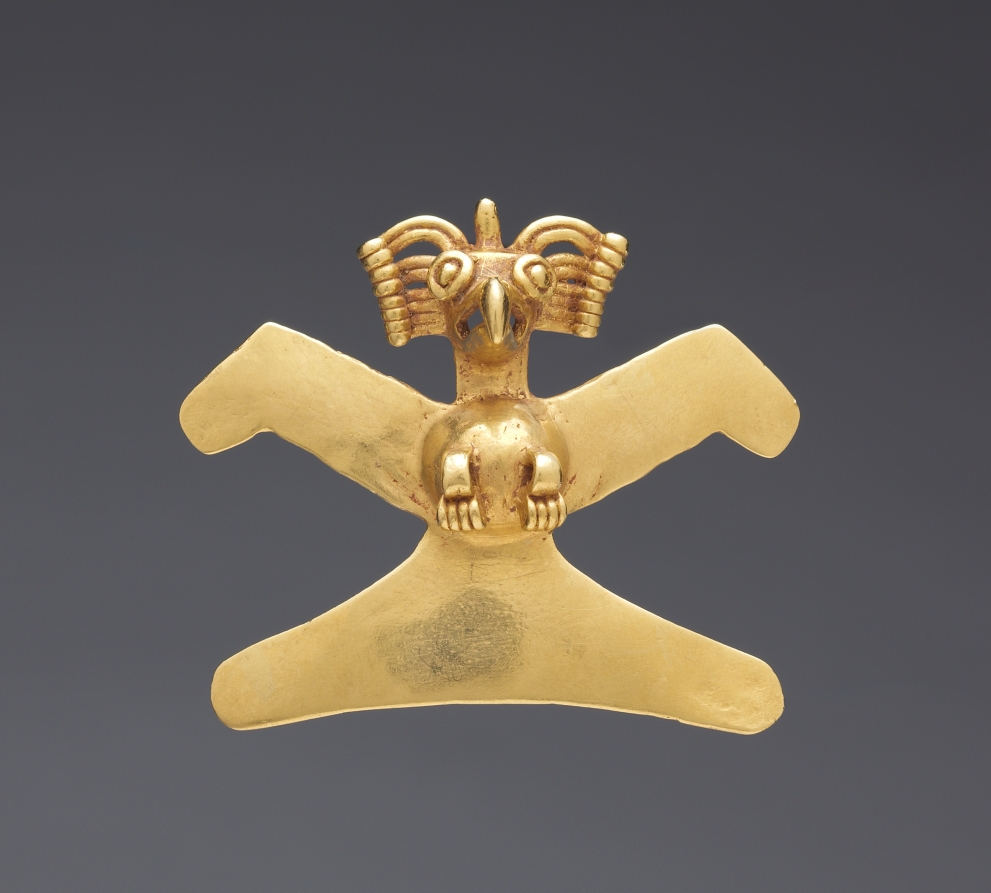
Bird Pendant at the Cleveland Museum of Art: c. 1000–1550, cast gold. Explore the work's context, creator attribution and collection history.

Lobster Pendant at the Cleveland Museum of Art: c. 1000–1500, cast gold. Explore the work's context, creator attribution and collection history.
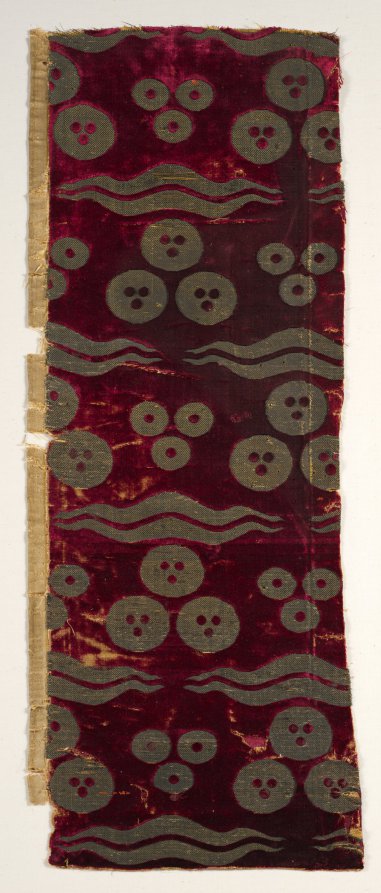
Brocaded velvet with chintamani design at the Cleveland Museum of Art: late 1400s, velvet, brocaded: silk and silver-metal thread. Explore the work's context, creator attribution and collection history.
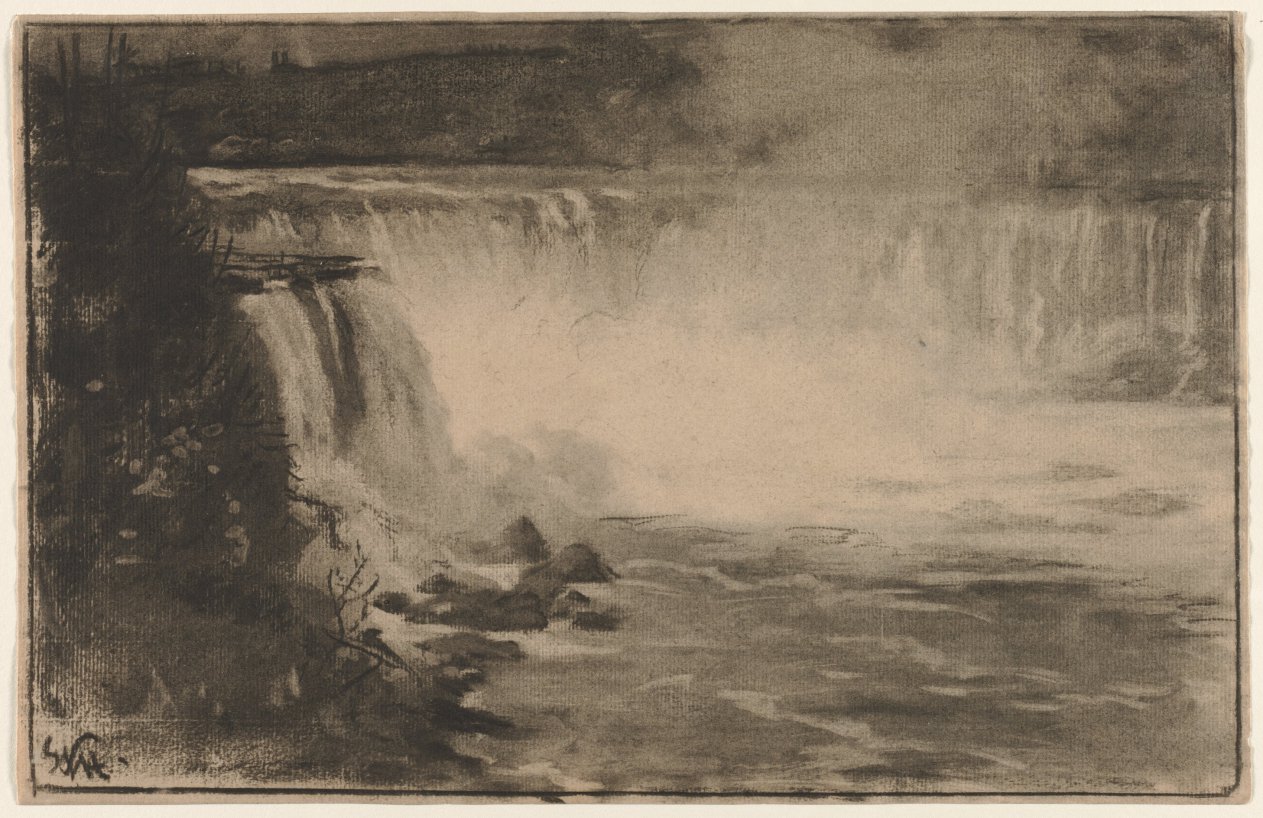
Niagara Falls at the Cleveland Museum of Art: 1878, charcoal and brush and charcoal wash; framing lines in charcoal. Explore the work's context, creator attribution and collection history.
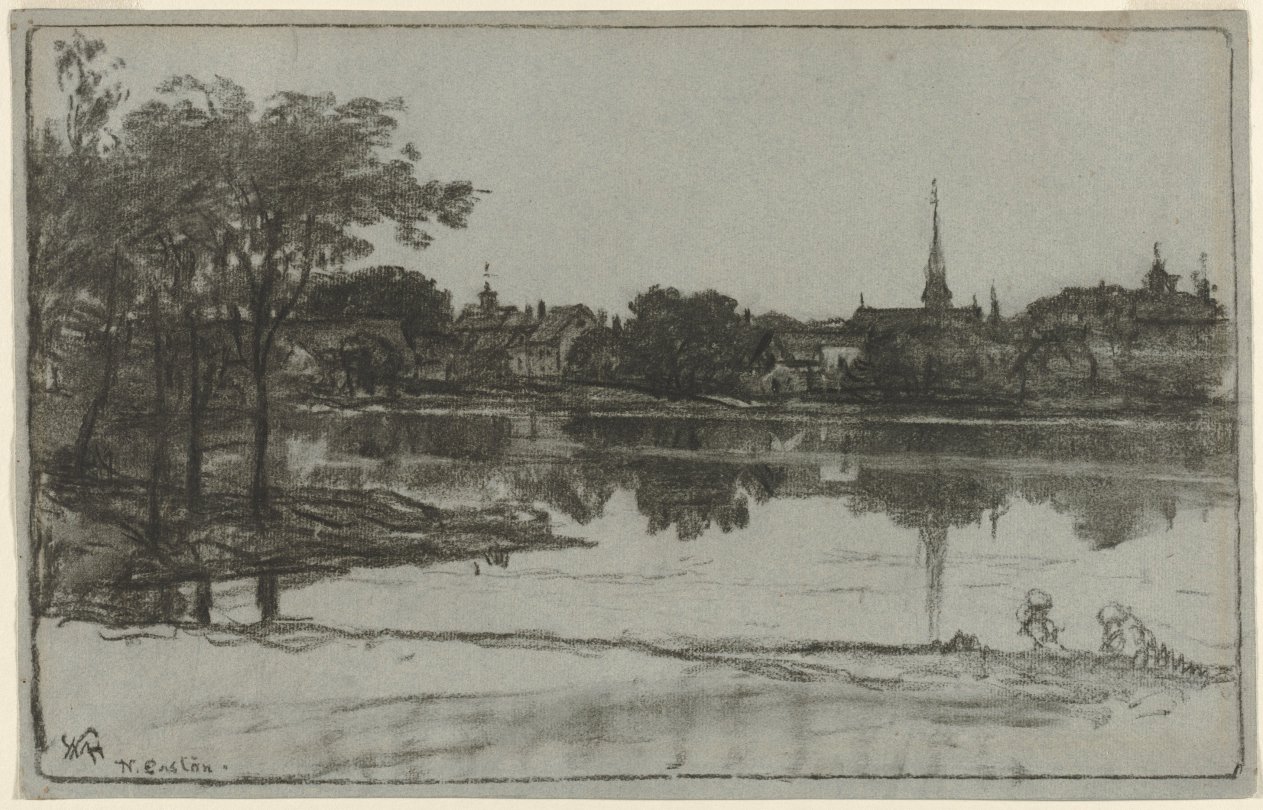
North Easton, Massachusetts at the Cleveland Museum of Art: 1877, charcoal; framing lines in charcoal. Explore the work's context, creator attribution and collection history.
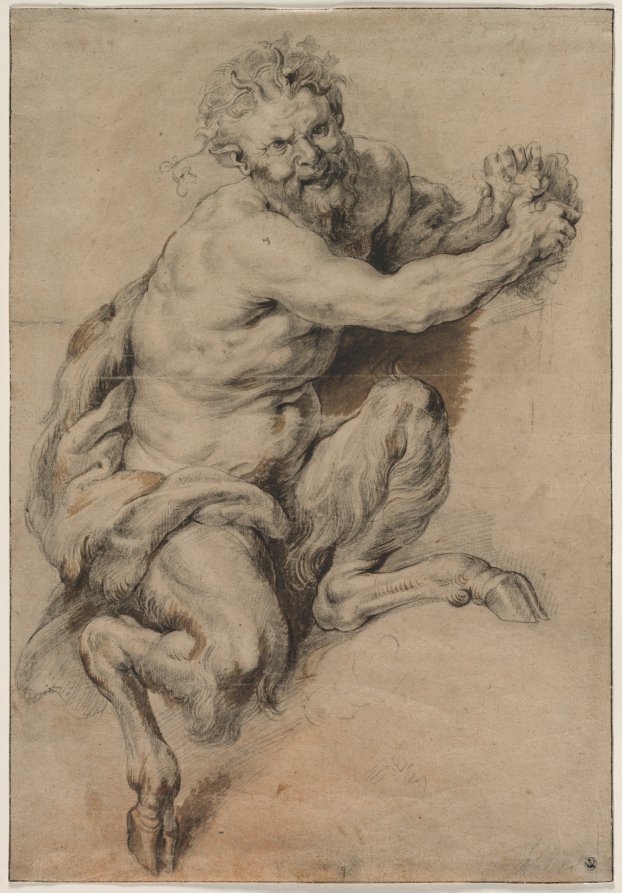
A Faun Grasping a Bunch of Grapes at the Cleveland Museum of Art: after 1616–18, black chalk and brush and brown wash; framing lines in pen and black ink. Explore the work's context, creator attribution and collection history.
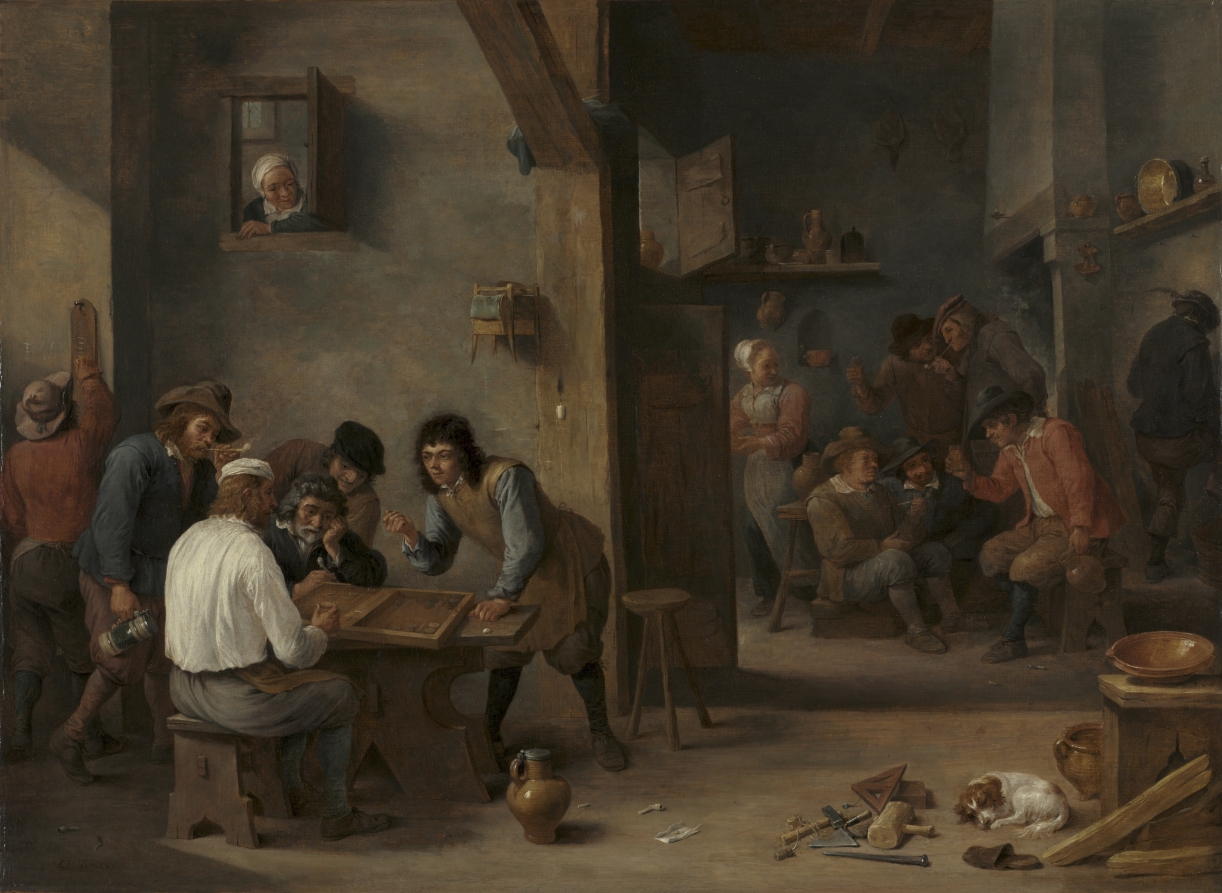
Game of Backgammon at the Cleveland Museum of Art: 1640s, oil on wood, transferred to canvas. Explore the work's context, creator attribution and collection history.

Pair of Lace Lappets at the Cleveland Museum of Art: 1880–99, Linen: bobbin lace (Duchesse). Explore the work's context, creator attribution and collection history.

Lace Fichu at the Cleveland Museum of Art: 1800s, Machine-made lace net with cotton embroidery in tambour stitch. Explore the work's context, creator attribution and collection history.
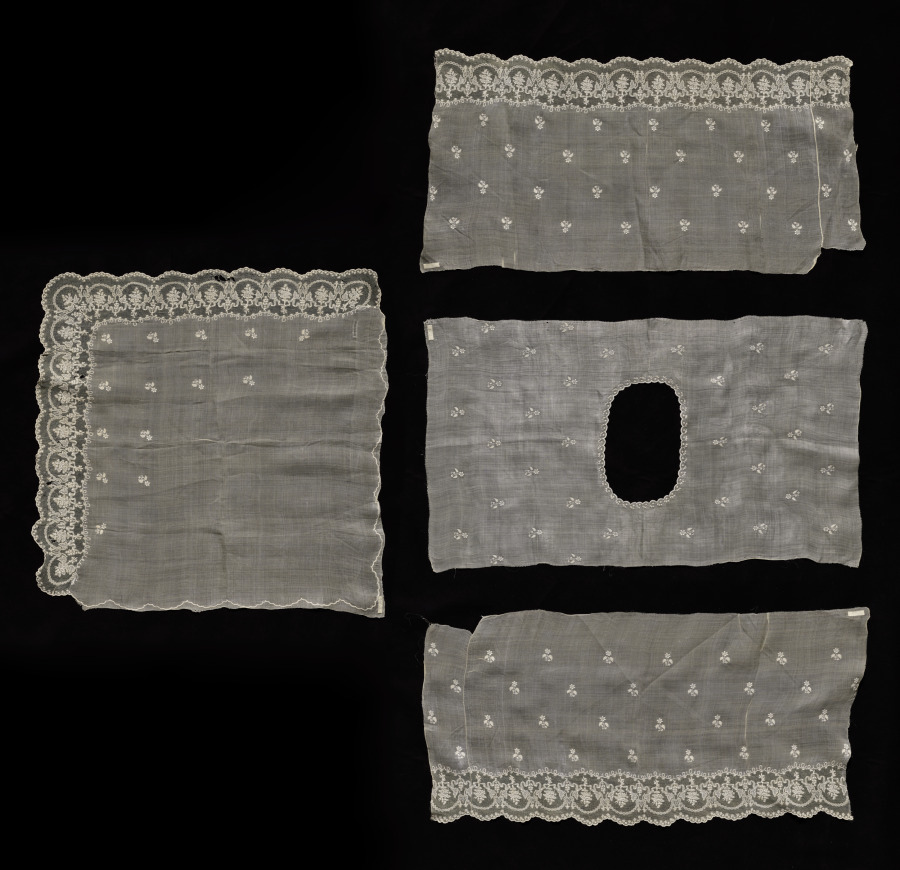
Blouse in four pieces at the Cleveland Museum of Art: 1800s, Plain weave piña; needle lace (drawnwork) and white cotton embroidery. Explore the work's context, creator attribution and collection history.
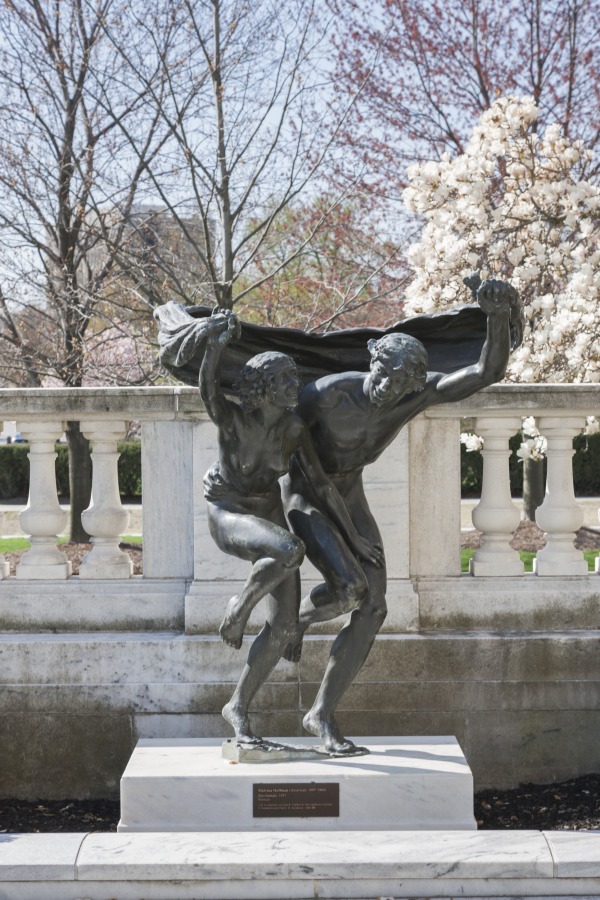
Bacchanale at the Cleveland Museum of Art: 1917, bronze, copper, brass. Explore the work's context, creator attribution and collection history.

Bifolium Excised from an Antiphonary: Initial D[ominus Iesus] with the Calling of Peter and Andrew at the Cleveland Museum of Art: c. 1425–1450, ink, tempera, and gold on vellum. Explore the work's context, creator attribution and collectio
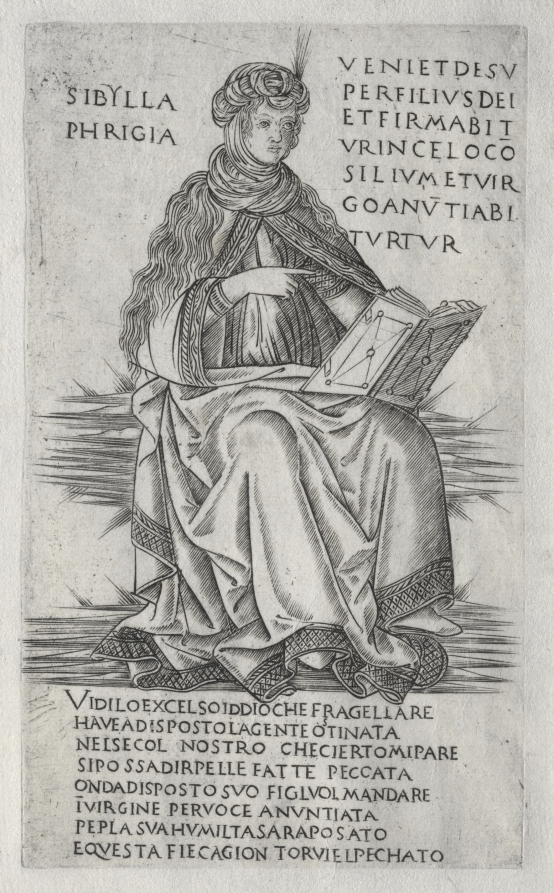
The Sibyls: The Phrygian Sibyl at the Cleveland Museum of Art: c. 1470–80, engraving. Explore the work's context, creator attribution and collection history.
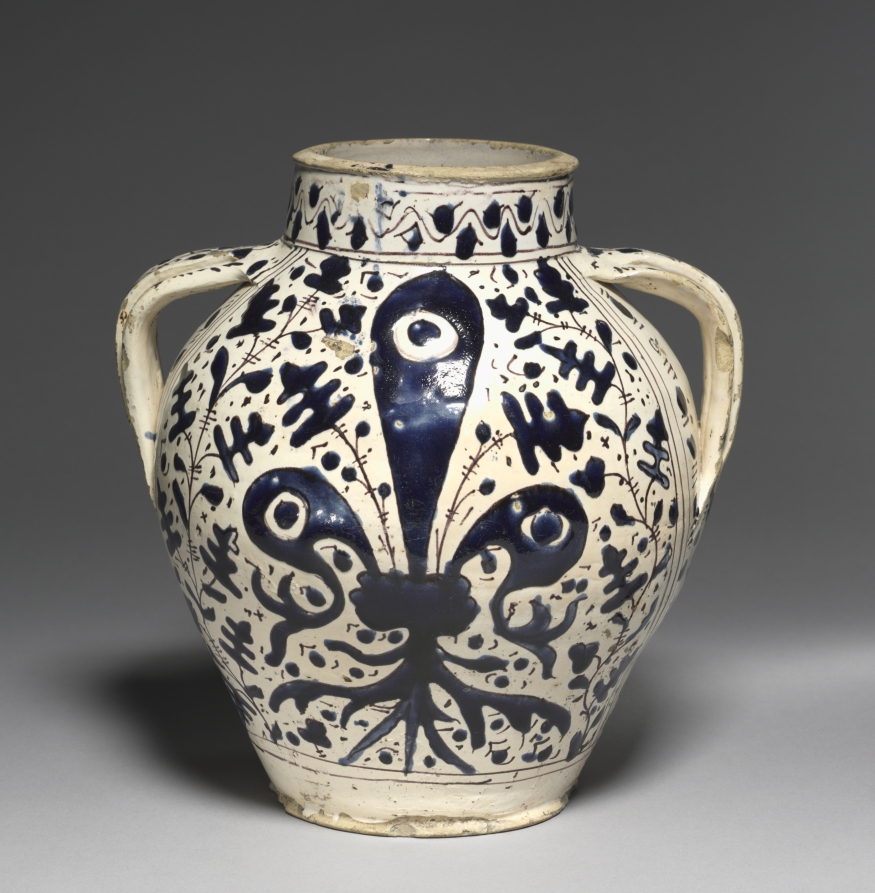
Two-Handled "Oak Leaf" Pharmacy Jar with Fleur-de-Lys at the Cleveland Museum of Art: c. 1430–50, tin-glazed earthenware (maiolica). Explore the work's context, creator attribution and collection history.
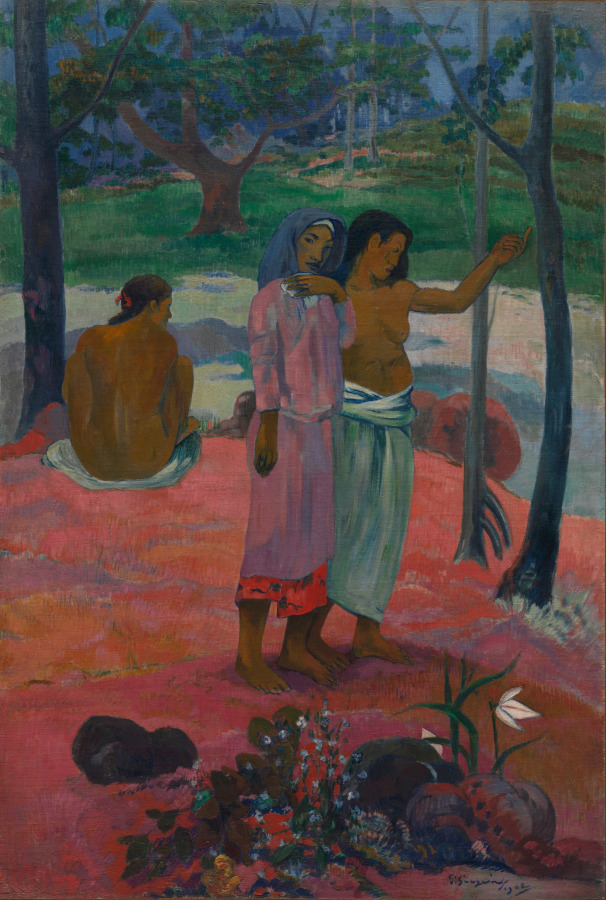
The Call at the Cleveland Museum of Art: 1902, oil on canvas. Explore the work's context, creator attribution and collection history.
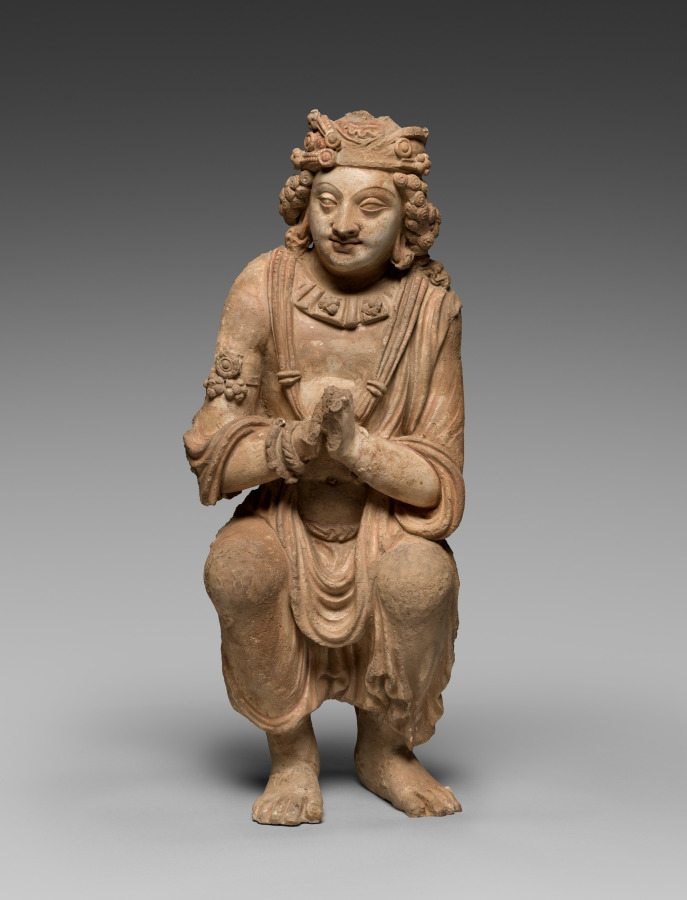
Adoring Attendant from a Buddhist Shrine at the Cleveland Museum of Art: c. 300s–400s CE, stucco. Explore the work's context, creator attribution and collection history.
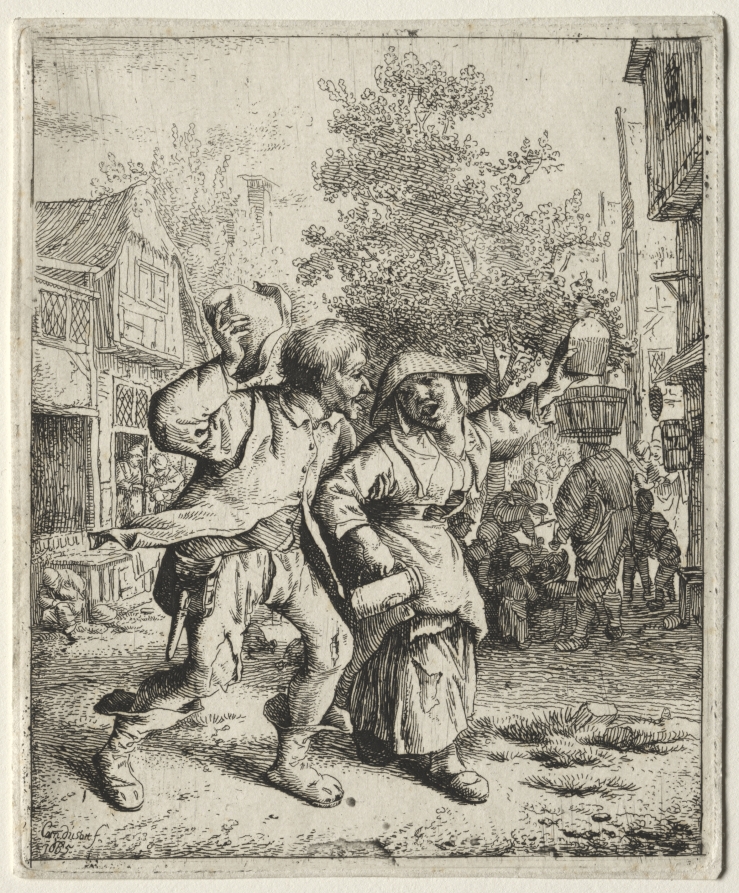
The Drunken Couple at the Cleveland Museum of Art: 1685, etching. Explore the work's context, creator attribution and collection history.

Violin Player Seated in the Inn at the Cleveland Museum of Art: 1685, etching. Explore the work's context, creator attribution and collection history.
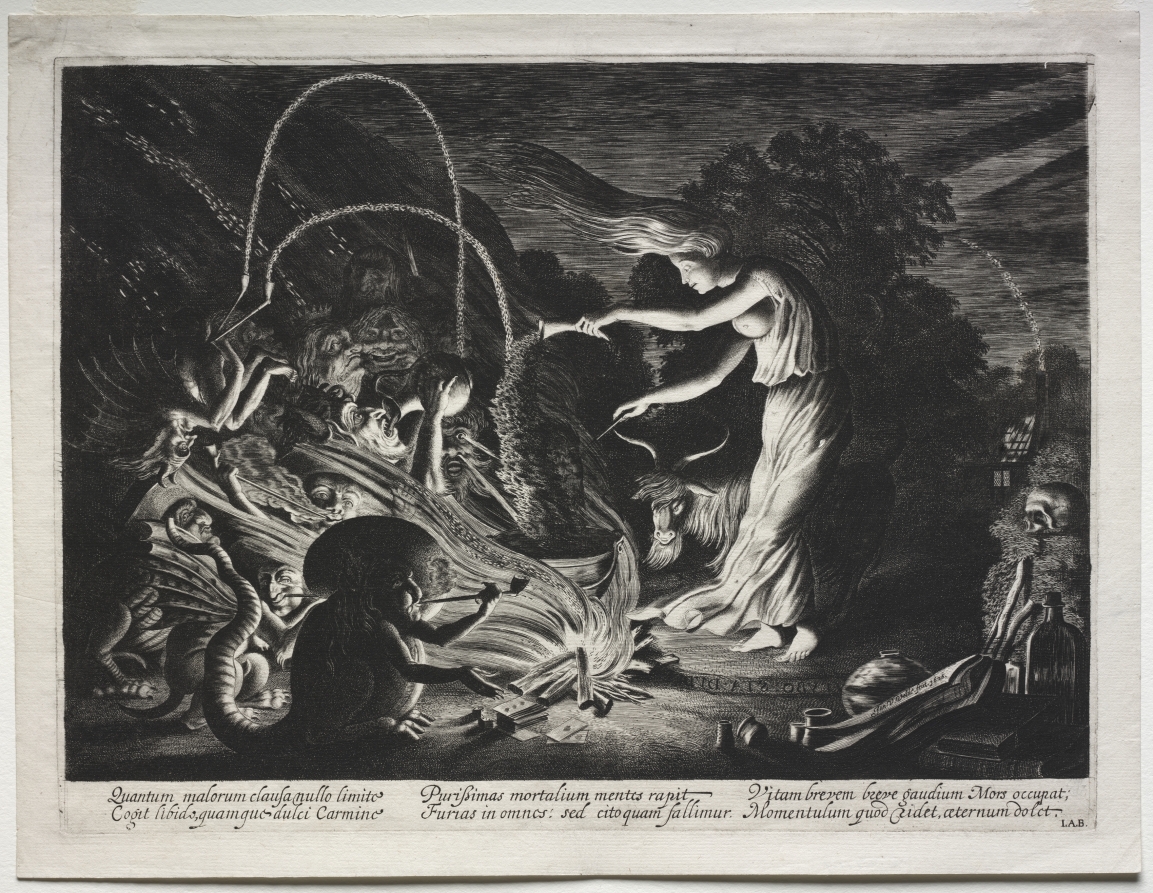
The Witch (Night Piece) at the Cleveland Museum of Art: 1626, engraving. Explore the work's context, creator attribution and collection history.
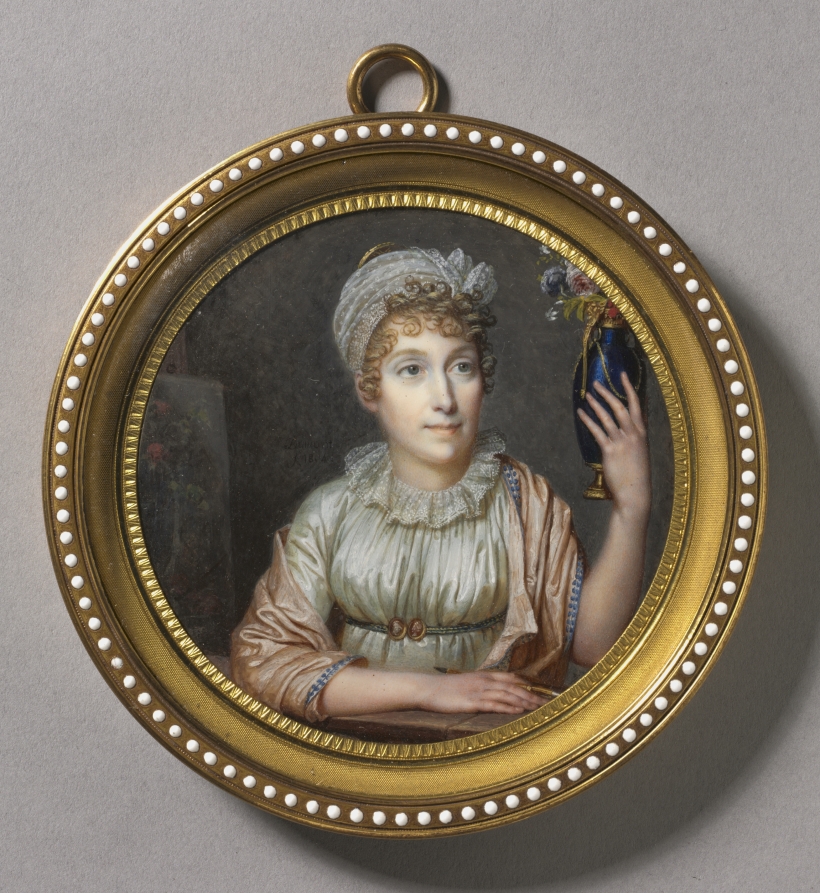
Portrait of Anne Vallayer-Coster at the Cleveland Museum of Art: 1804, watercolor on ivory in a gilt metal and enamel frame. Explore the work's context, creator attribution and collection history.
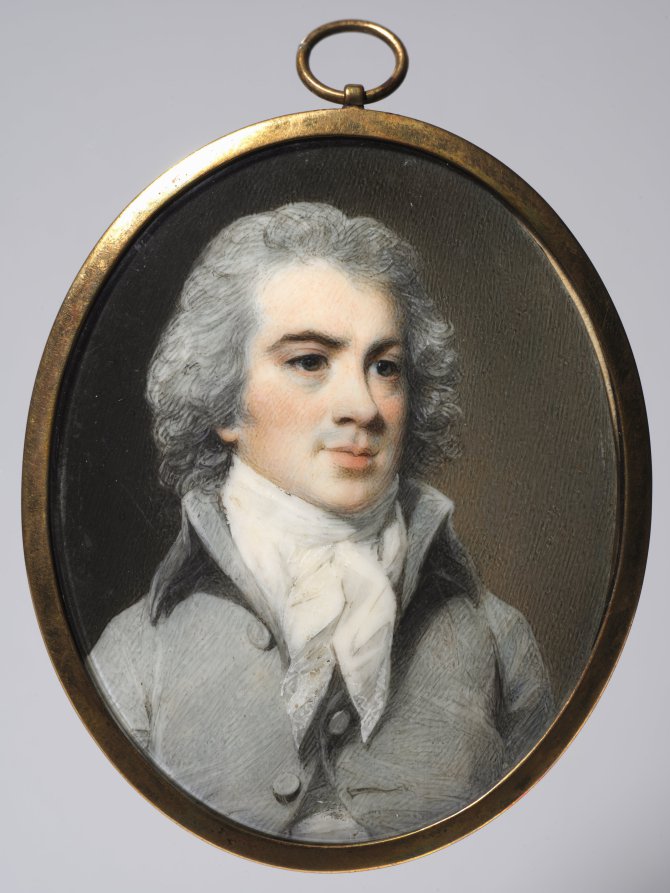
Portrait of a Man at the Cleveland Museum of Art: 1795, watercolor on ivory in an original gold frame. Explore the work's context, creator attribution and collection history.

Portrait of a Woman, called Mrs. Close at the Cleveland Museum of Art: 1786, watercolor on ivory in an ormolu frame. Explore the work's context, creator attribution and collection history.
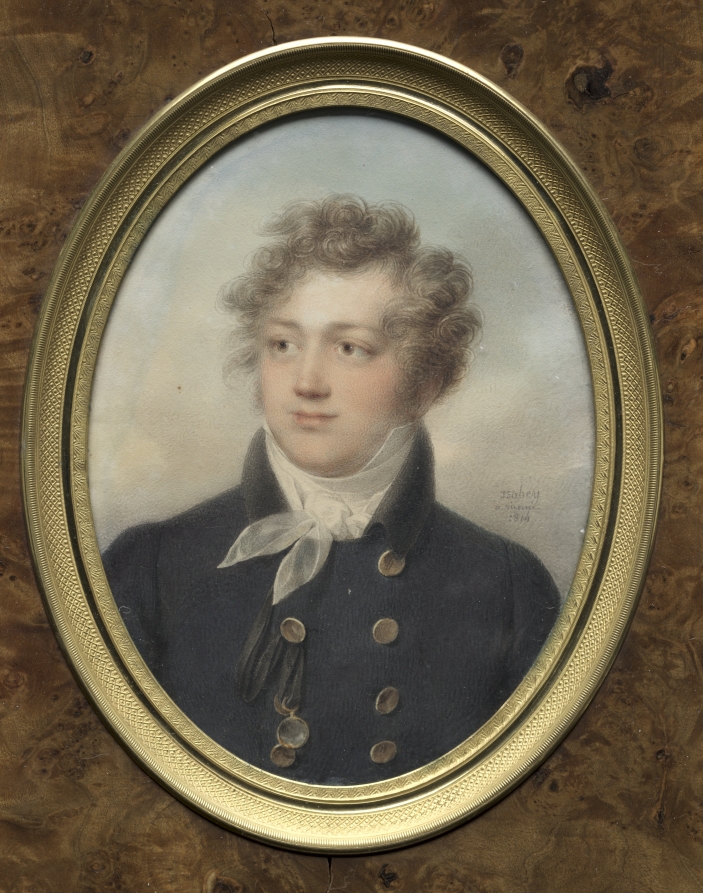
Portrait of a Man, possibly Alexander I, Emperor of Russia at the Cleveland Museum of Art: 1814, watercolor on paper in a gilt metal mount and burr wood frame. Explore the work's context, creator attribution and collection history.
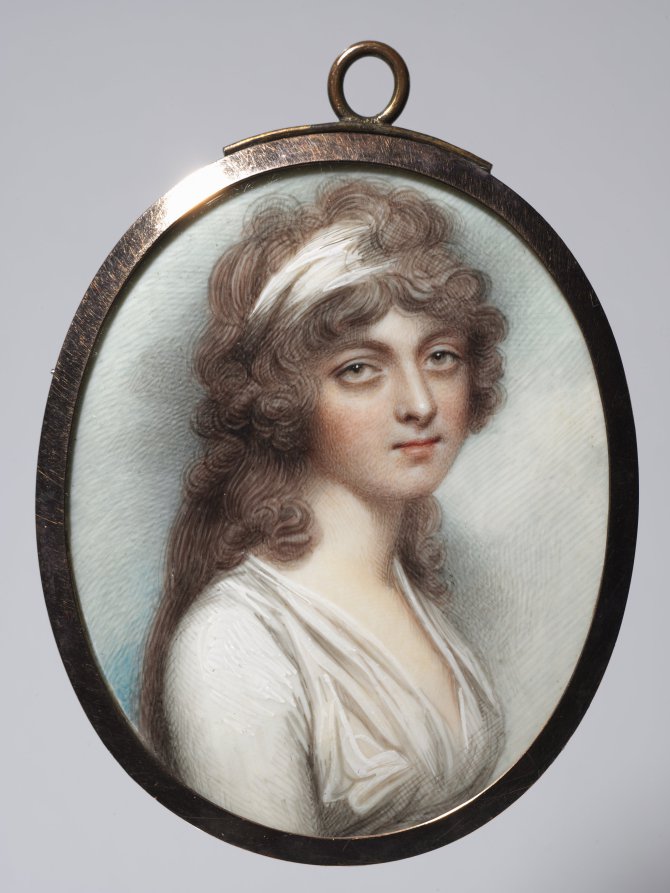
Portrait of Anna Walmesley at the Cleveland Museum of Art: 1795, watercolor on ivory in a gold frame with hair reverse. Explore the work's context, creator attribution and collection history.
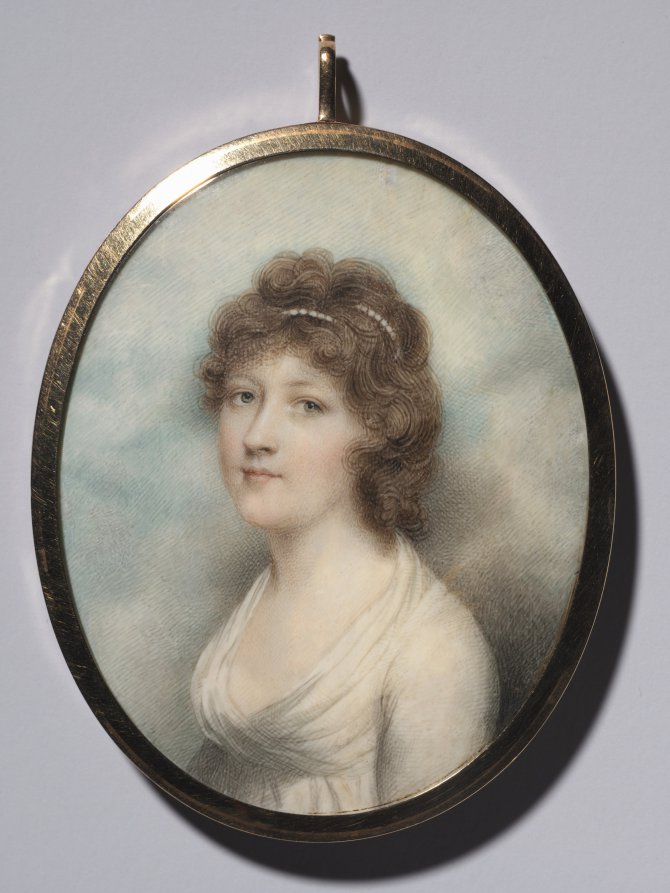
Portrait of a Woman at the Cleveland Museum of Art: 1790s, watercolor on ivory in a period gold frame. Explore the work's context, creator attribution and collection history.

Portrait of a Man at the Cleveland Museum of Art: 1789, watercolor on ivory in a gold and seed pearl frame. Explore the work's context, creator attribution and collection history.
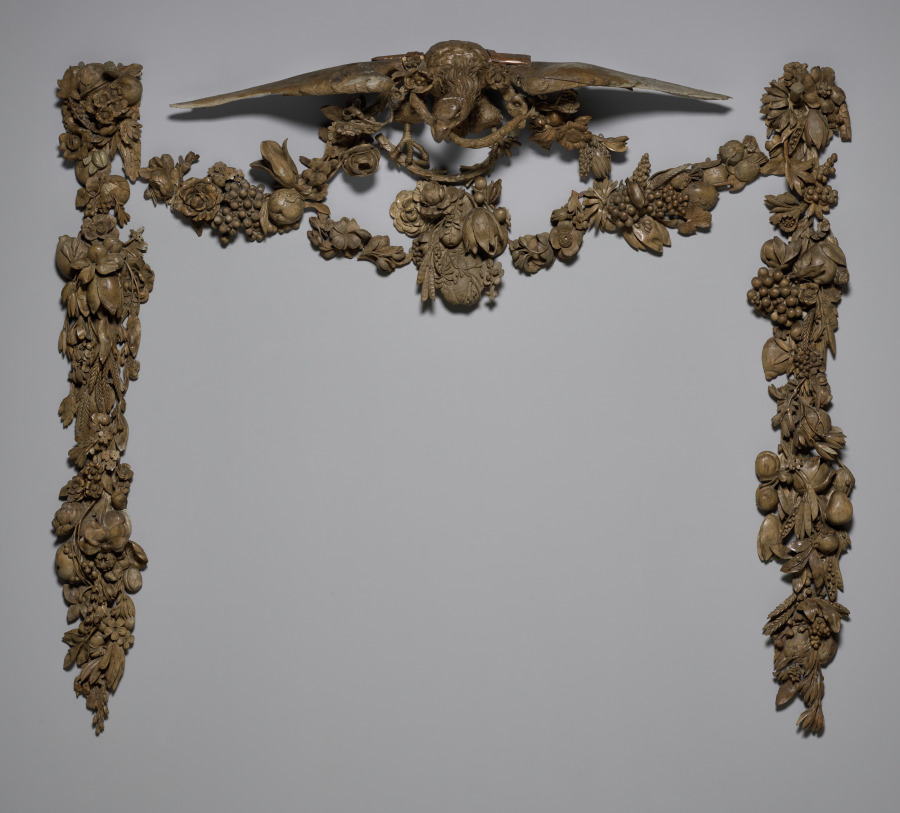
Overmantel Decoration at the Cleveland Museum of Art: c. 1675–77, lindenwood. Explore the work's context, creator attribution and collection history.
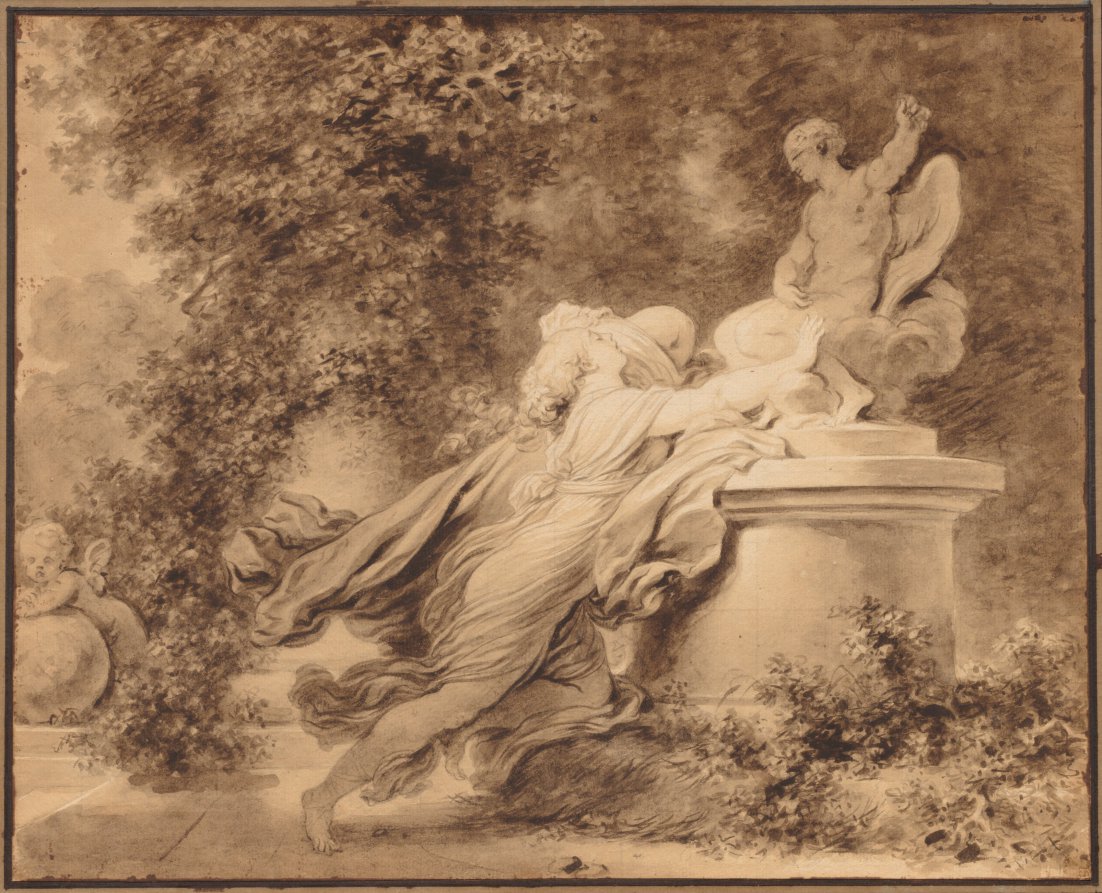
Invocation to Love at the Cleveland Museum of Art: c. 1781, Brush and brown wash with graphite squaring lines and underdrawing on cream laid paper. Explore the work's context, creator attribution and collection history.
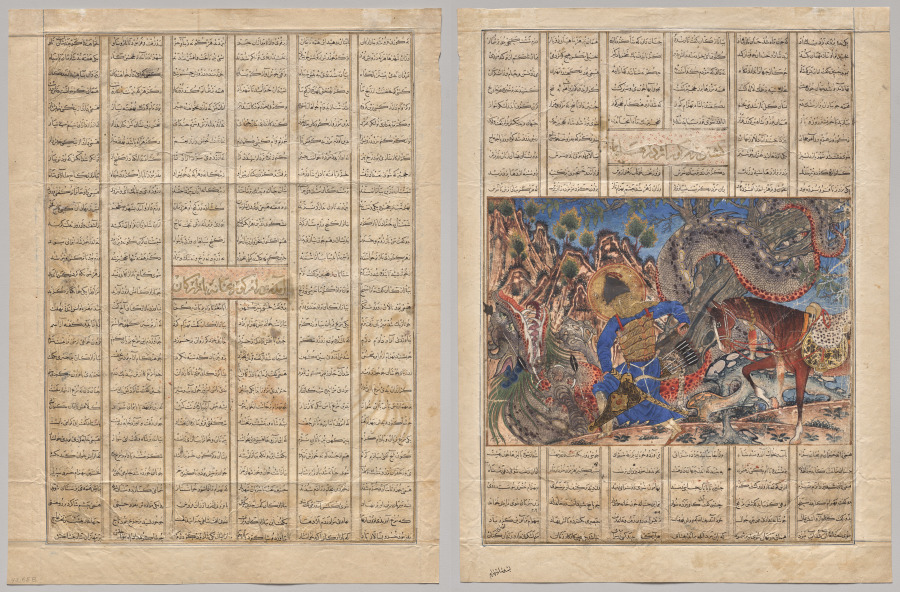
Bahram Gur Arrives at the House of a Merchant, text page (recto); Bahram Gur Slays a Dragon (verso), from a Shahnama (Book of Kings) of Firdausi (940–1019 or 1025), known as the Great Mongol Shahnama at the Cleveland Museum of Art: 1330–35,