Duck in Flight (mid-1500s): Art, History and Details
Duck in Flight at the Cleveland Museum of Art: mid-1500s, fan painting mounted as hanging scroll; ink and gold on paper. Explore the work's context, creator attribution and collection history.
Oldest entries first, in a fixed order. Newly added articles appear at the end. Explore a shuffled selection →
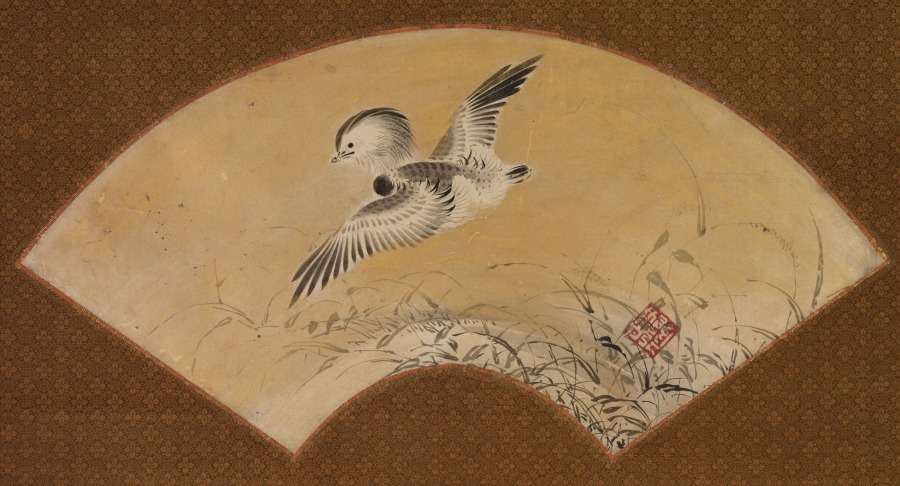
Duck in Flight at the Cleveland Museum of Art: mid-1500s, fan painting mounted as hanging scroll; ink and gold on paper. Explore the work's context, creator attribution and collection history.
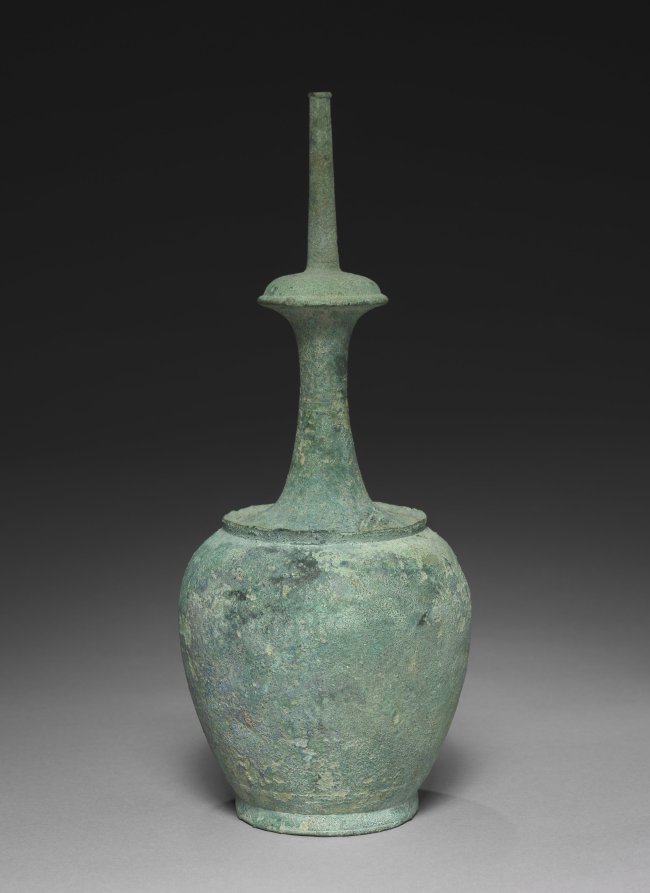
Water Ewer for Rituals (Kundika) at the Cleveland Museum of Art: 1100s, bronze. Explore the work's context, creator attribution and collection history.
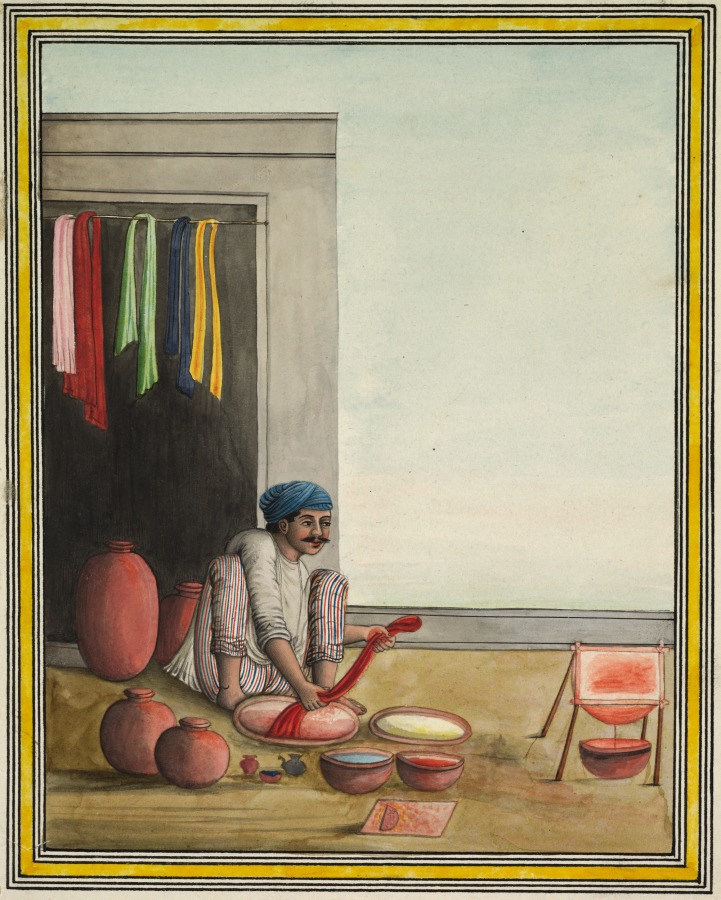
Man Dyeing Cloth at the Cleveland Museum of Art: early 1830s, Gum tempera and ink on paper. Explore the work's context, creator attribution and collection history.
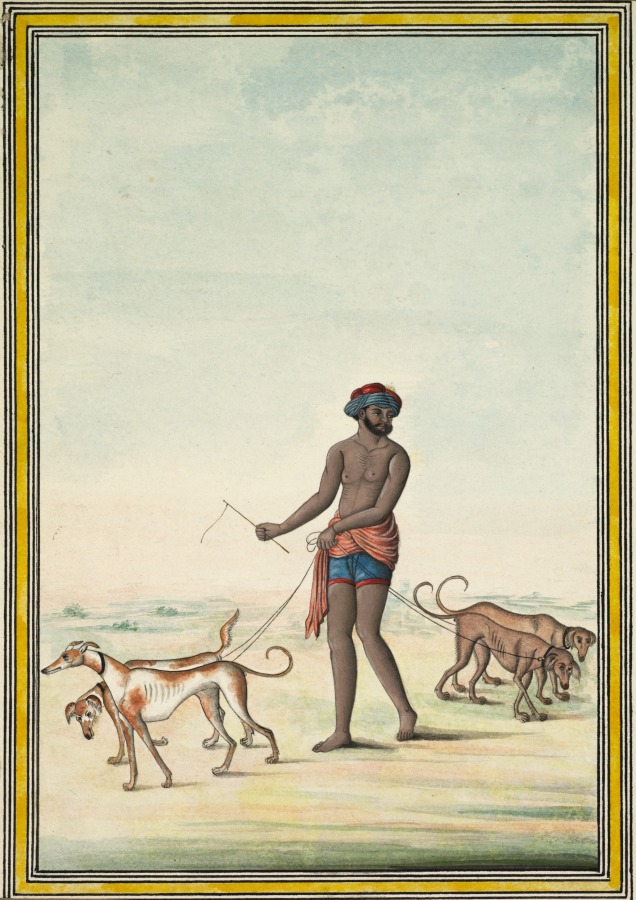
Dog Walker at the Cleveland Museum of Art: early 1830s, gum tempera and ink on paper. Explore the work's context, creator attribution and collection history.
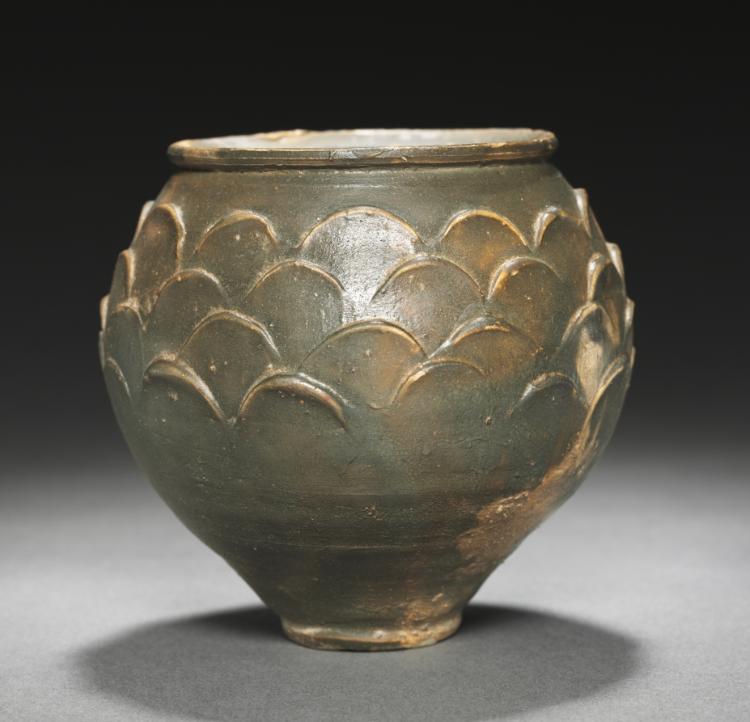
Beaker with Scale Pattern at the Cleveland Museum of Art: 1–100 CE, reddish ware with dark gray burnished slip. Explore the work's context, creator attribution and collection history.
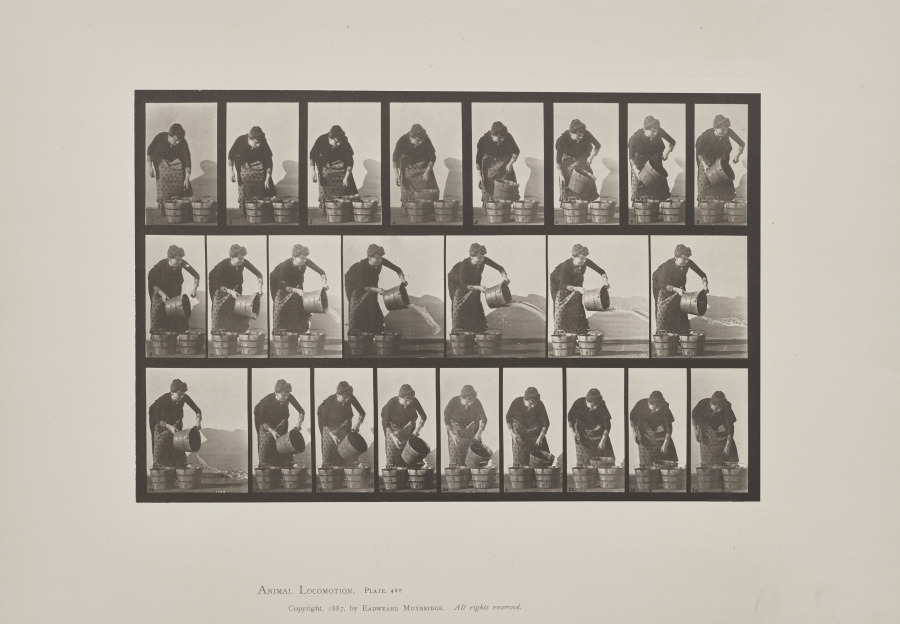
Emptying a Bucket of Water at the Cleveland Museum of Art: 1887, collotype. Explore the work's context, creator attribution and collection history.
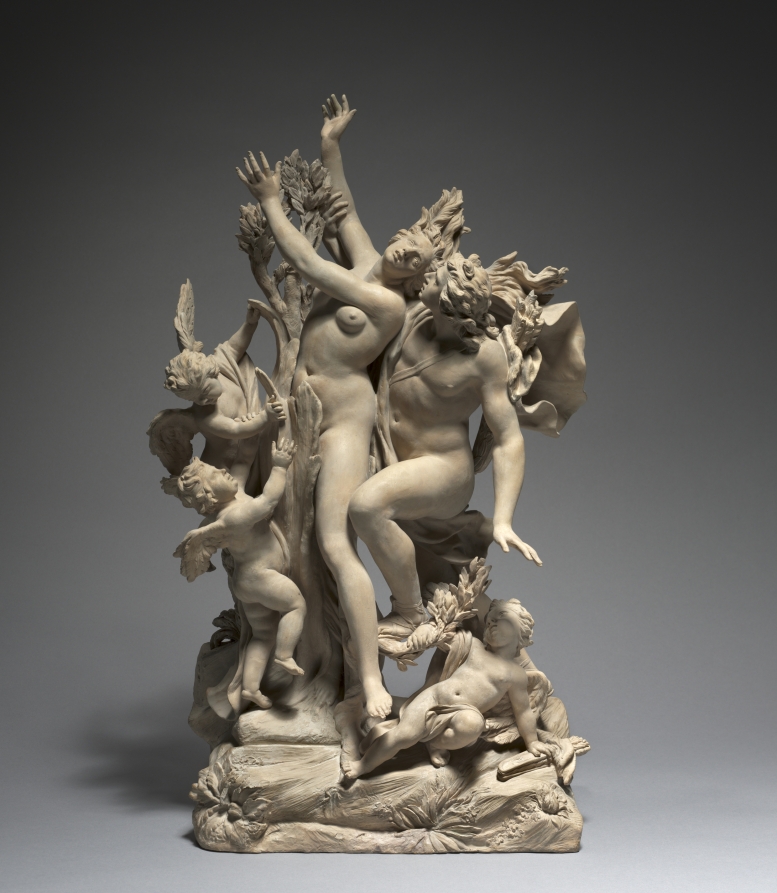
Apollo and Daphne at the Cleveland Museum of Art: c. 1700, terracotta. Explore the work's context, creator attribution and collection history.
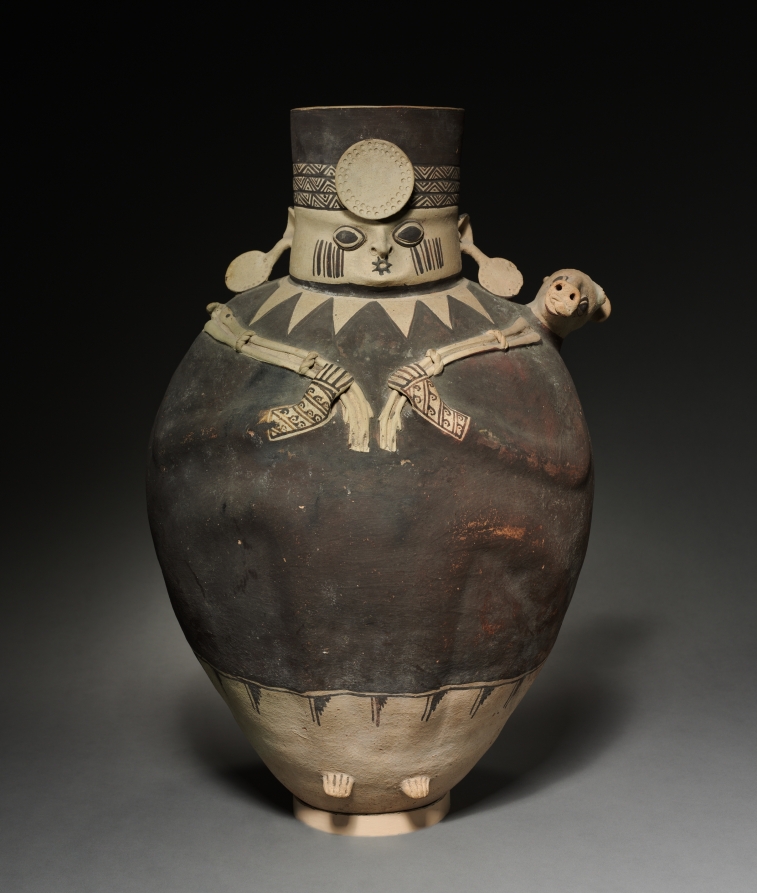
Vessel in the Shape of a Figure at the Cleveland Museum of Art: 1000–1460s, earthenware with painted slip. Explore the work's context, creator attribution and collection history.
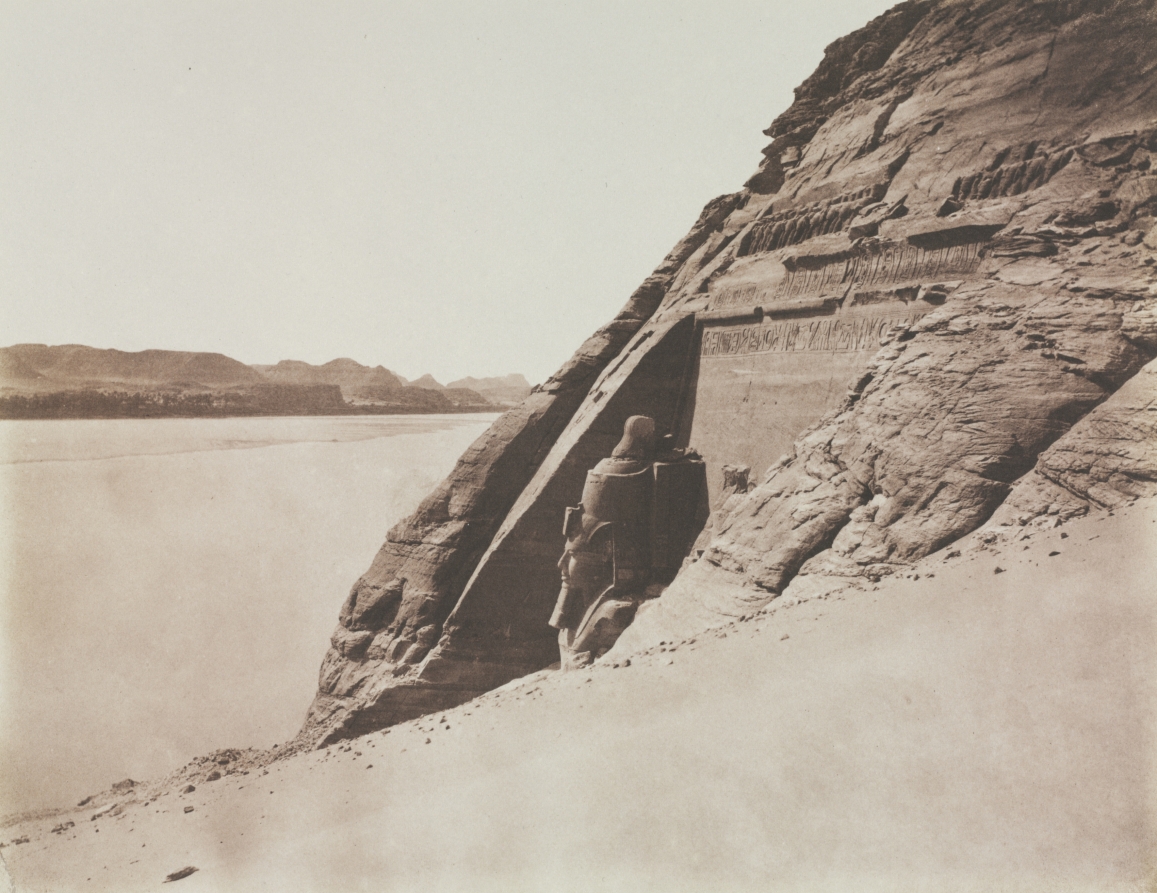
Large Speos - View taken from the Sand Slope (Temple of Ramesses II), Abu Simbel at the Cleveland Museum of Art: 1851–52, salted paper print from calotype negative. Explore the work's context, creator attribution and collection history.
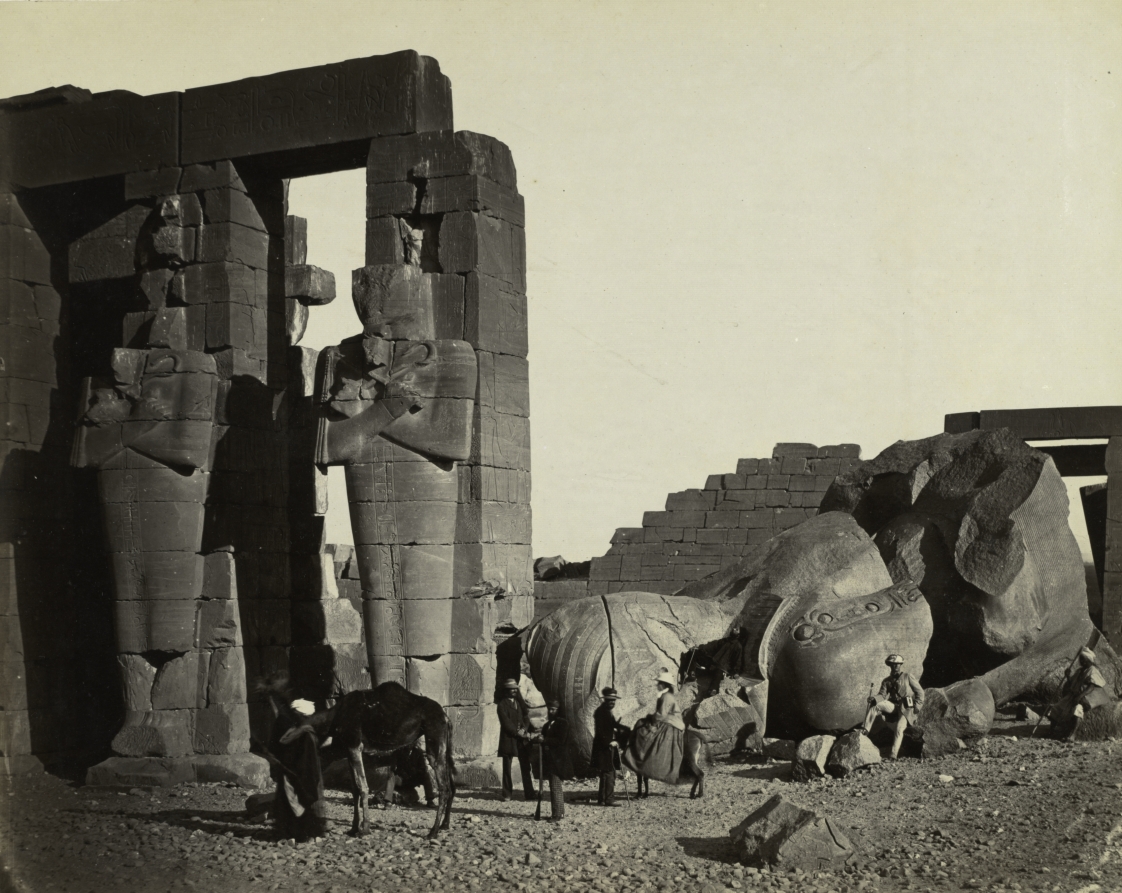
Fallen Statue at the Ramesseum, Thebes at the Cleveland Museum of Art: 1857, albumen print from wet collodion negative. Explore the work's context, creator attribution and collection history.
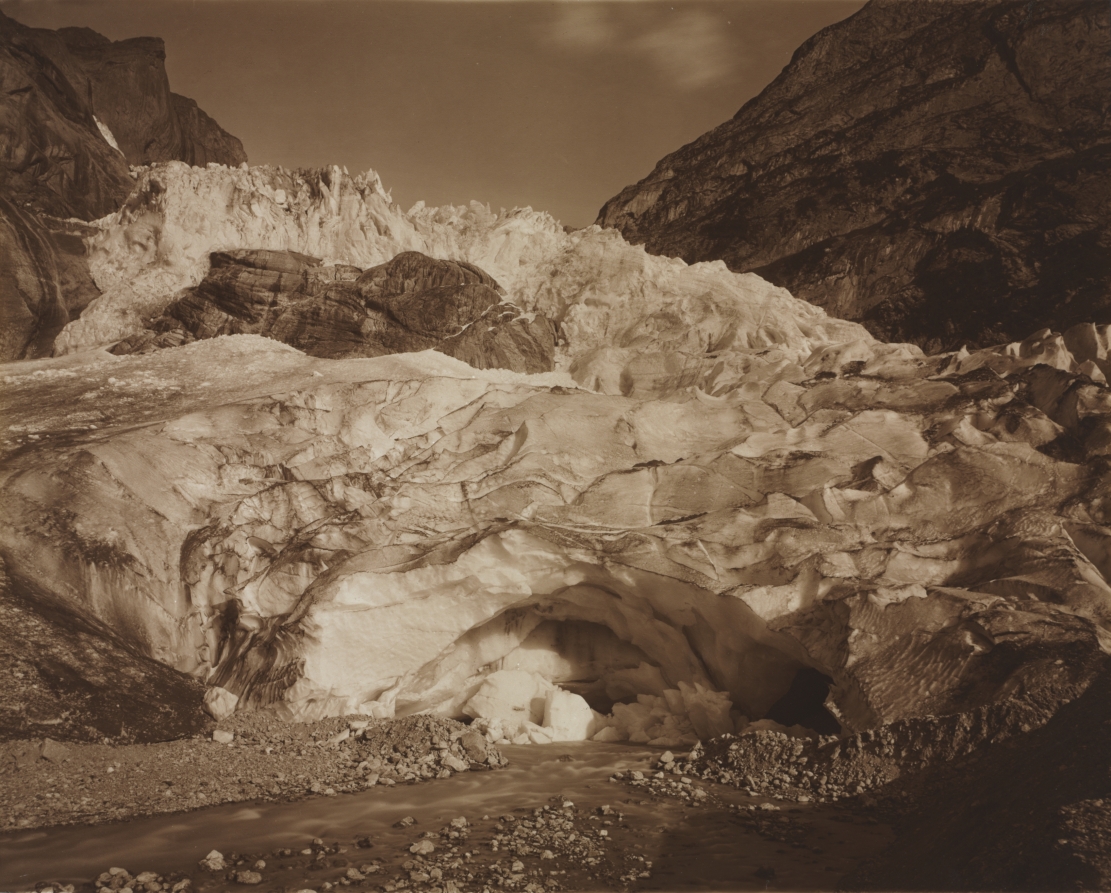
Switzerland. Grindelwald, Upper Glacier, Source of the Lutschine at the Cleveland Museum of Art: 1875–77, Carbon print, toned, from wet collodion negative. Explore the work's context, creator attribution and collection history.
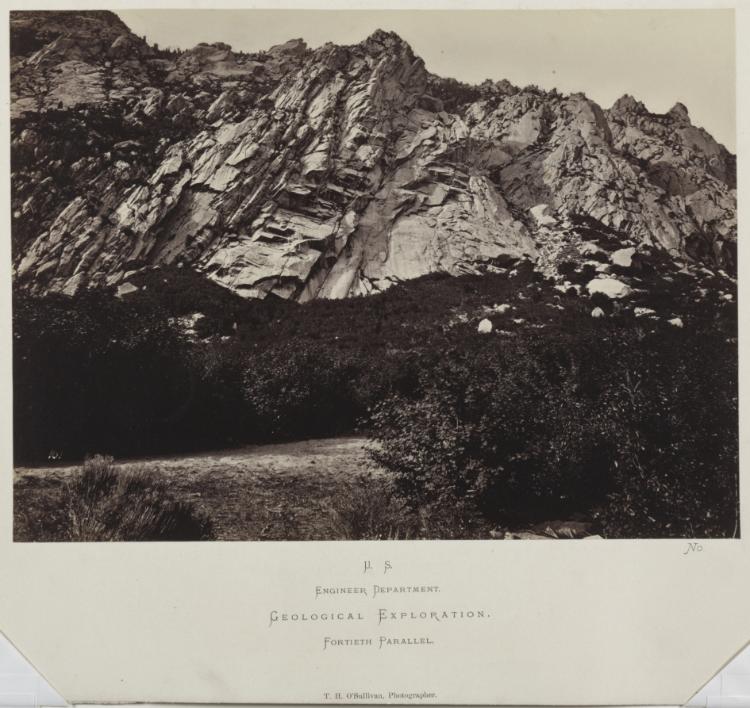
East Humboldt Mountains, Utah at the Cleveland Museum of Art: 1868, albumen print from wet collodion negative. Explore the work's context, creator attribution and collection history.

Hell's Half Acre, Prismatic Springs at the Cleveland Museum of Art: c. late 1880s, albumen print from glass negative. Explore the work's context, creator attribution and collection history.

The Rabbits at the Cleveland Museum of Art: 1893, woodcut. Explore the work's context, creator attribution and collection history.
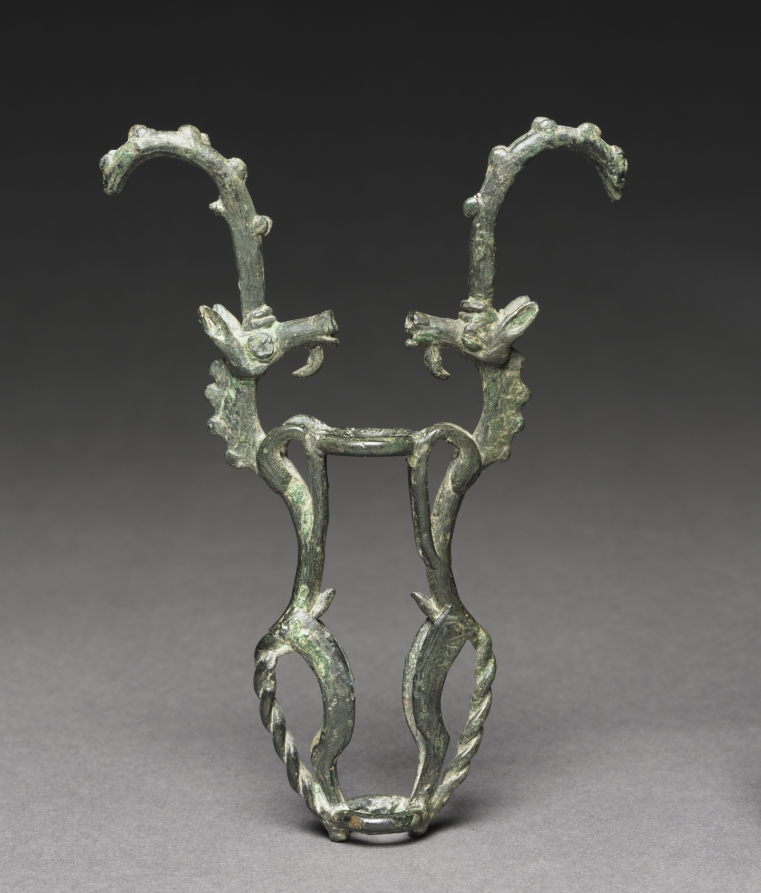
Ibex Standard Finial at the Cleveland Museum of Art: c. 700–600 BCE, bronze. Explore the work's context, creator attribution and collection history.
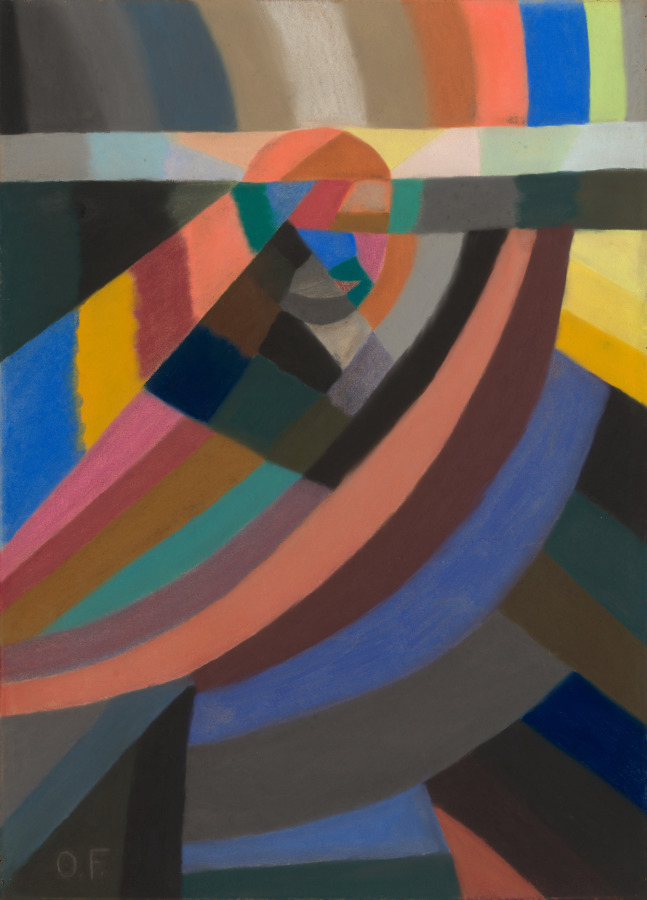
Composition at the Cleveland Museum of Art: 1924, pastel. Explore the work's context, creator attribution and collection history.
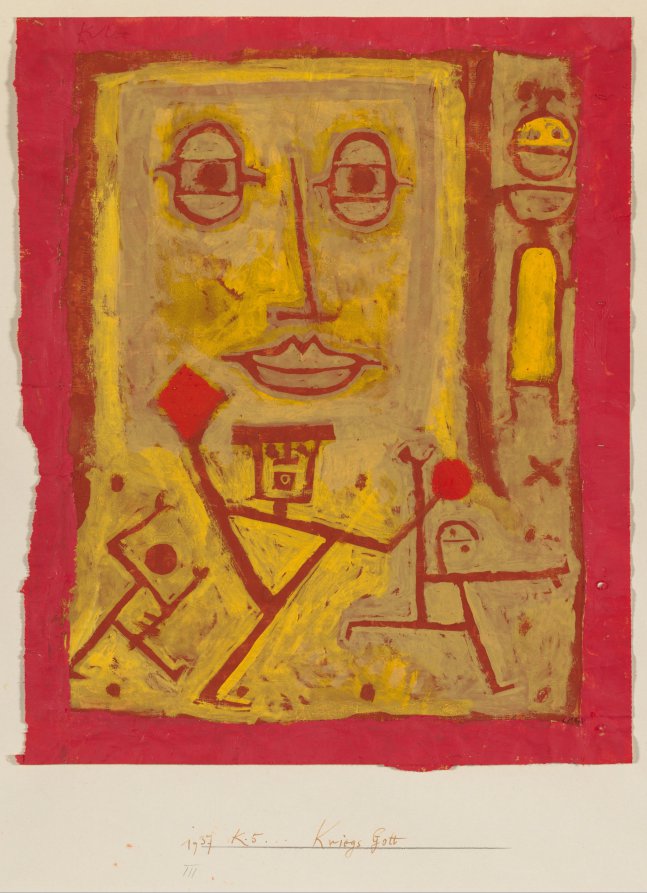
God of War at the Cleveland Museum of Art: 1937, Gouache and tempera. Explore the work's context, creator attribution and collection history.

Wilson Cary Nicholas at the Cleveland Museum of Art: c. 1805, oil on canvas. Explore the work's context, creator attribution and collection history.
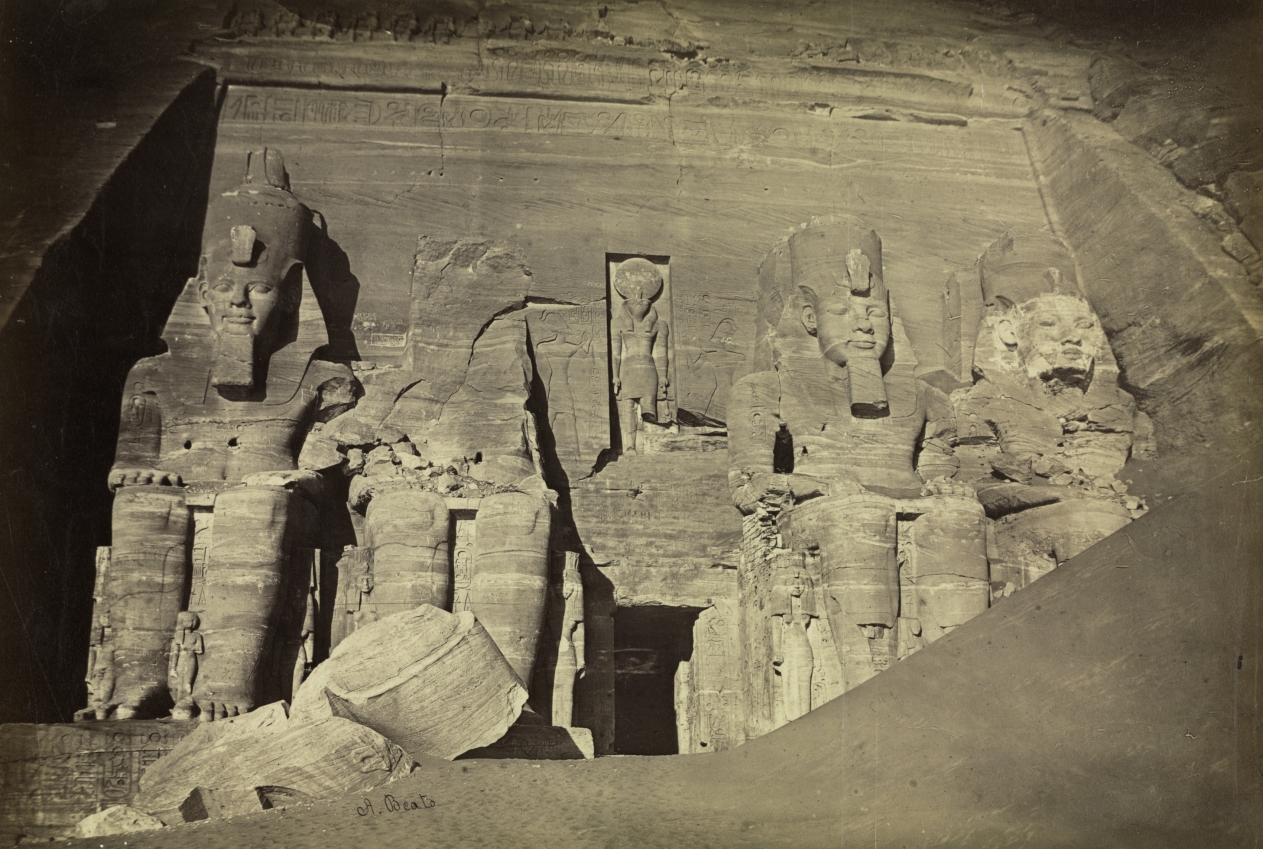
Temple of Ramesses II, Abu Simbel at the Cleveland Museum of Art: c. 1860s, albumen print from wet collodion negative. Explore the work's context, creator attribution and collection history.
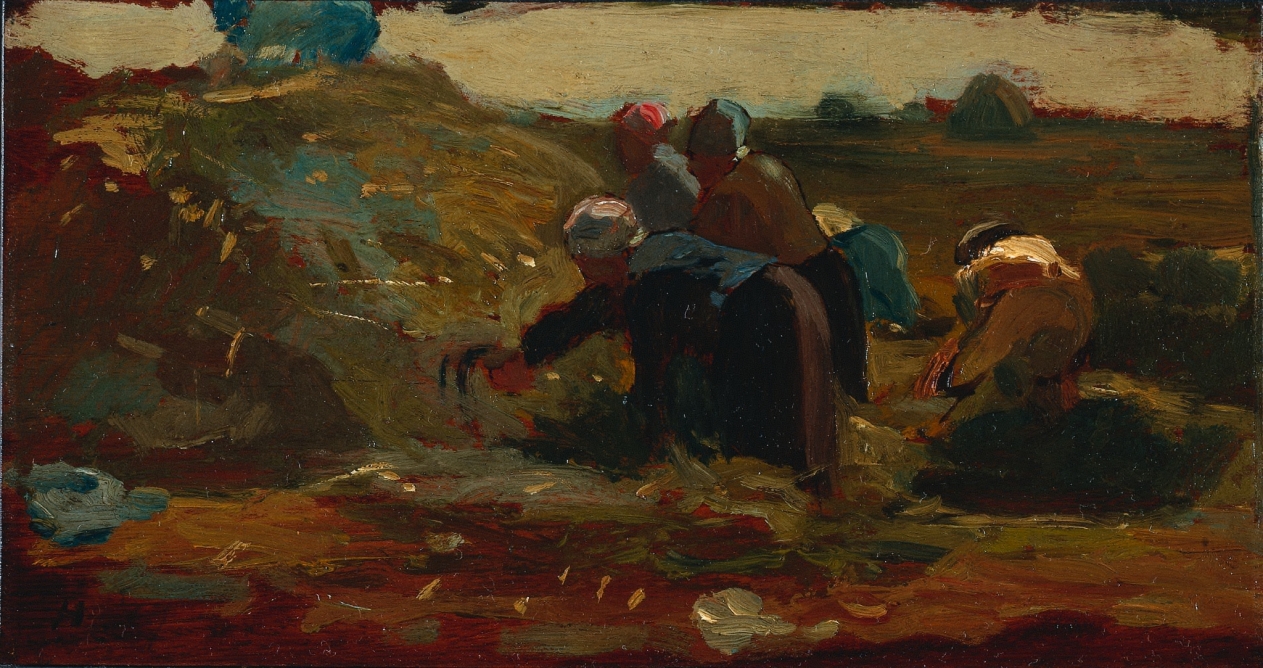
Women Working in a Field at the Cleveland Museum of Art: 1867, oil on wood. Explore the work's context, creator attribution and collection history.
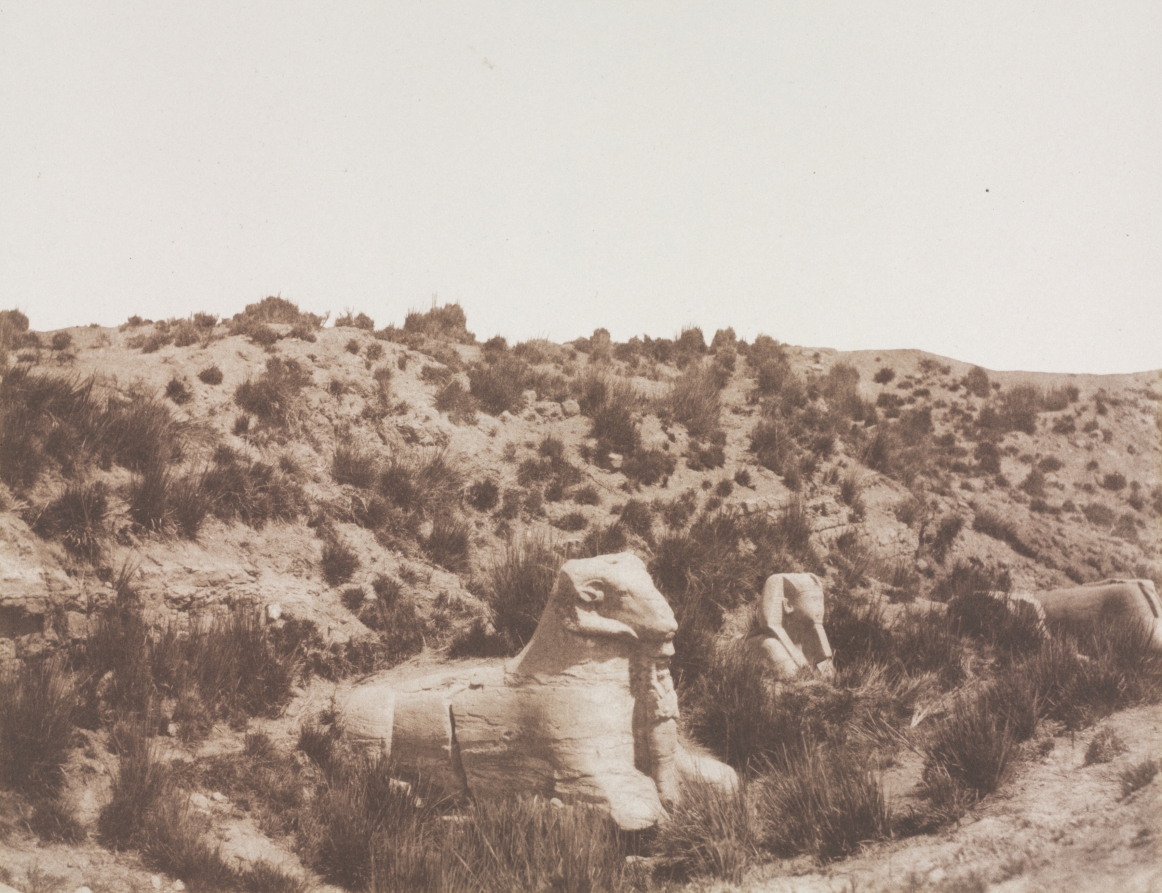
Sphinxes with a Human Head and with a Ram Head at Point Y. Karnak (Thebes) at the Cleveland Museum of Art: 1851–52, salted paper print from calotype negative. Explore the work's context, creator attribution and collection history.
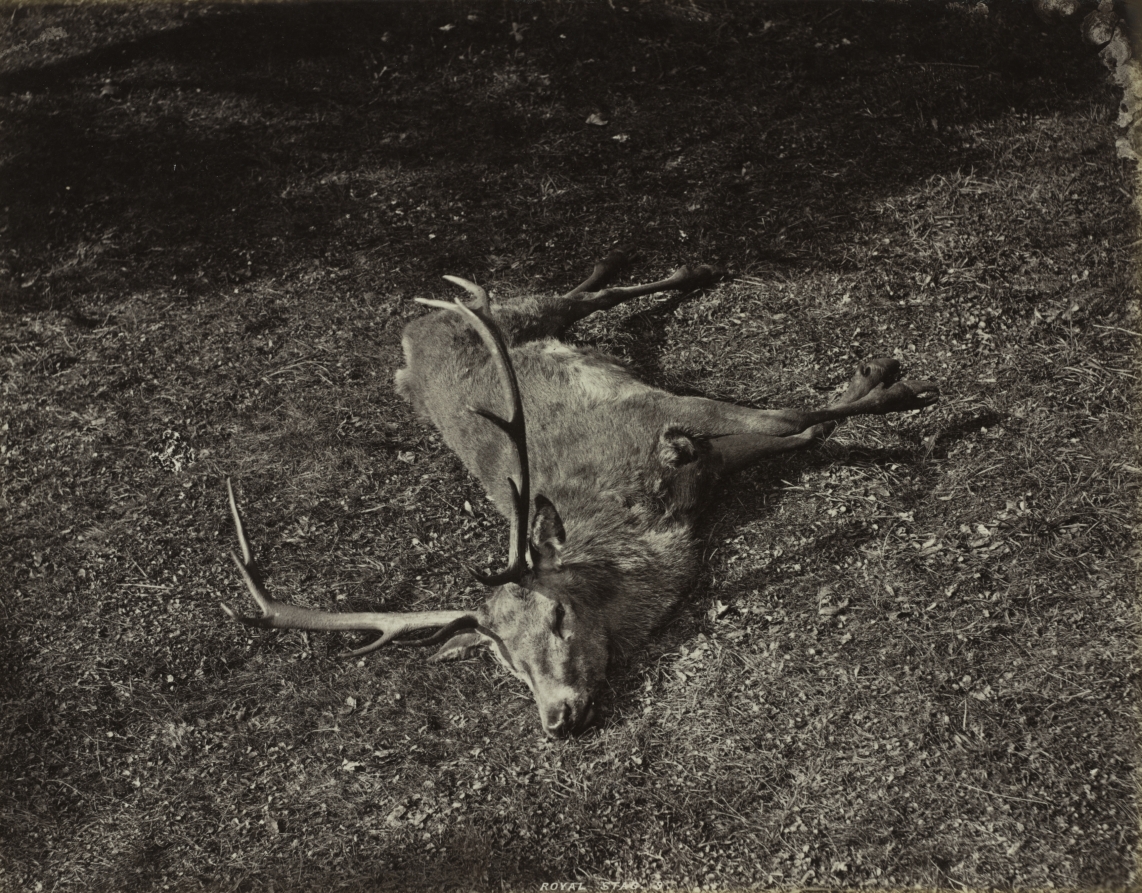
The Royal Stag at the Cleveland Museum of Art: c. 1870, albumen print from wet collodion negative. Explore the work's context, creator attribution and collection history.

Woman with an Umbrella at the Cleveland Museum of Art: 1894, color lithograph. Explore the work's context, creator attribution and collection history.
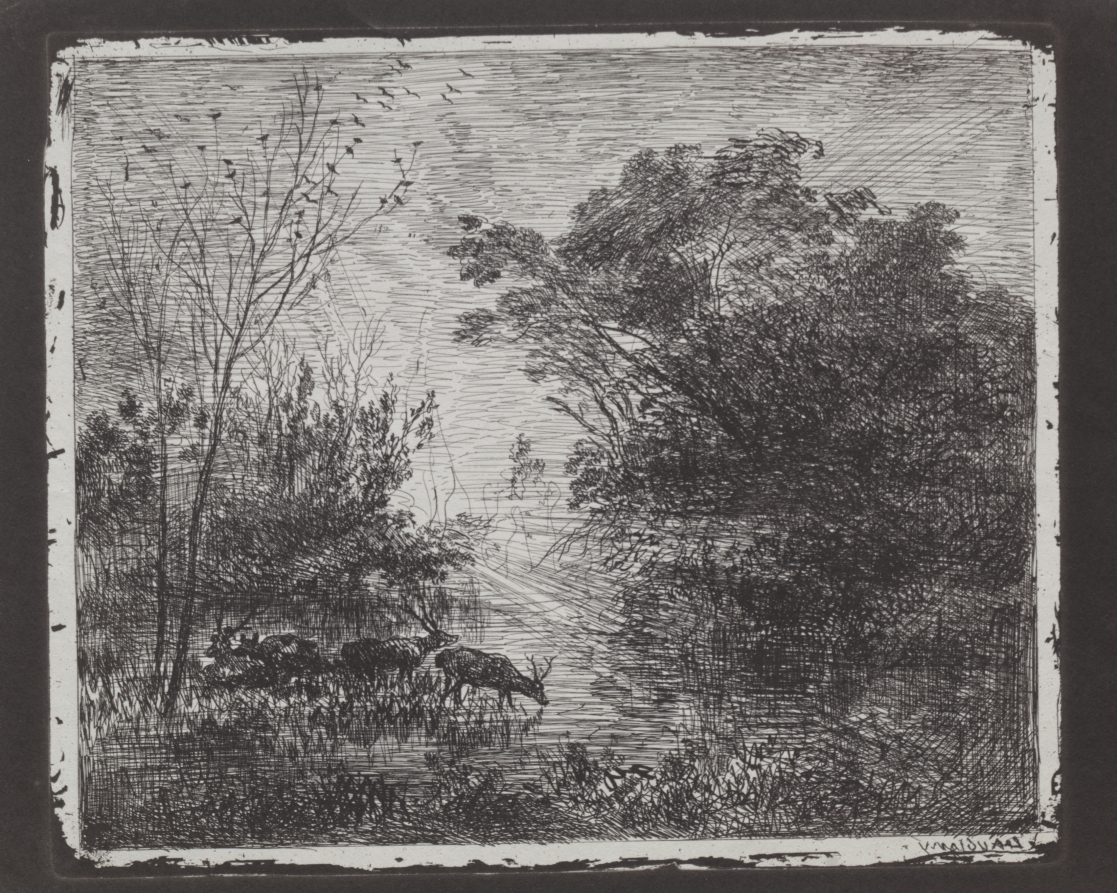
Deer at the Cleveland Museum of Art: c. 1862, cliché-verre. Explore the work's context, creator attribution and collection history.
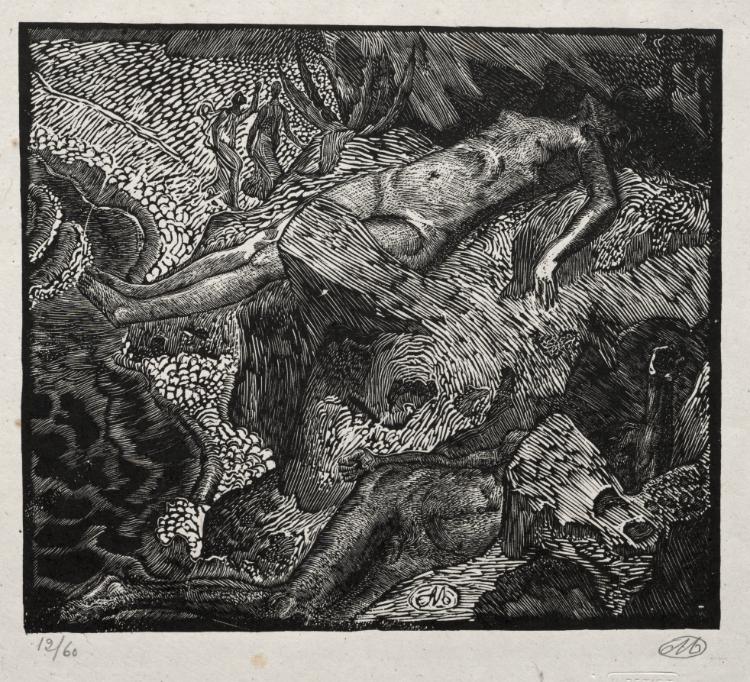
Hero and Leander at the Cleveland Museum of Art: 1893–94, wood engraving. Explore the work's context, creator attribution and collection history.

Mace Head at the Cleveland Museum of Art: c. 200 BCE–100 CE, stone. Explore the work's context, creator attribution and collection history.
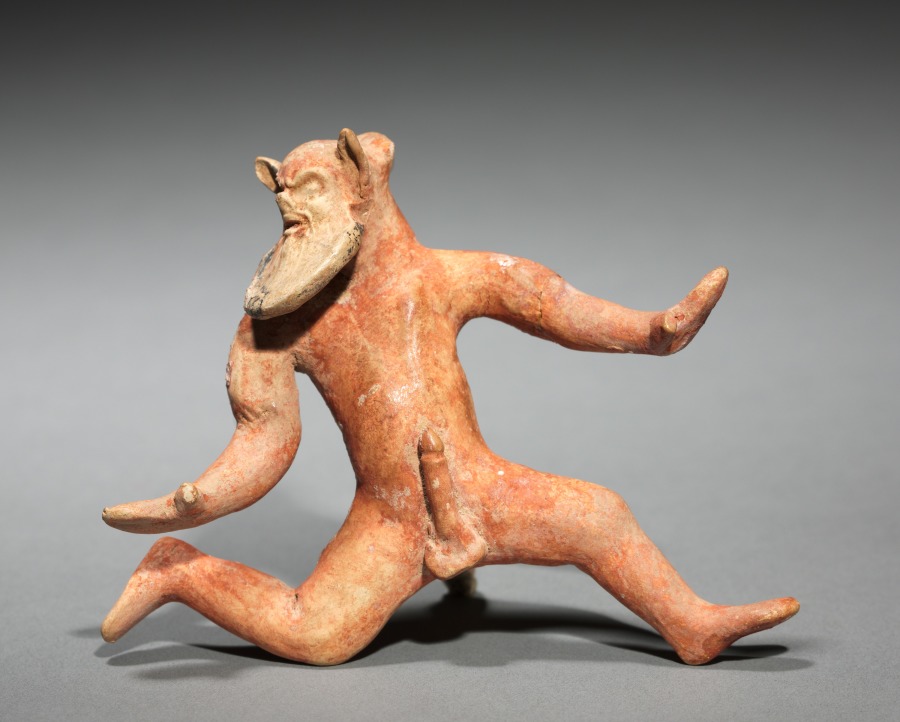
Dancing Satyr Group at the Cleveland Museum of Art: 500–475 BCE, painted terracotta. Explore the work's context, creator attribution and collection history.
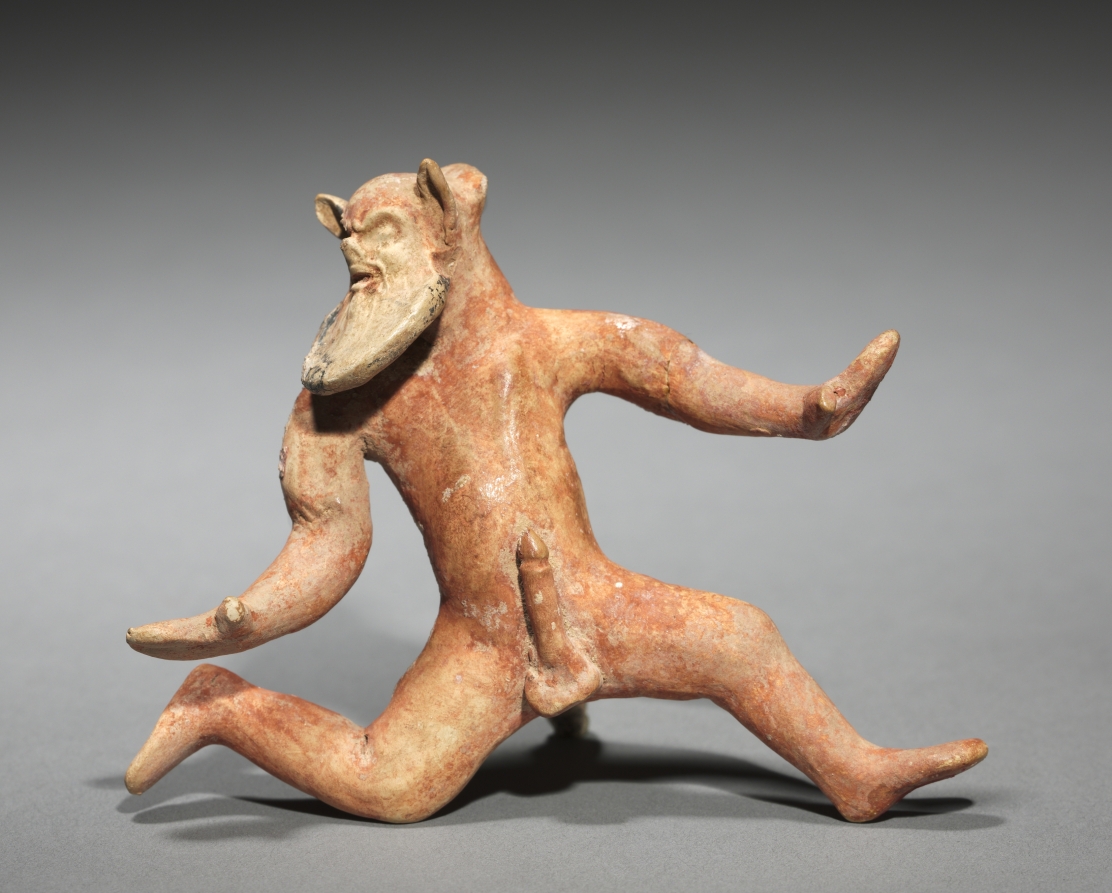
Dancing Satyr at the Cleveland Museum of Art: 500–475 BCE, painted terracotta. Explore the work's context, creator attribution and collection history.
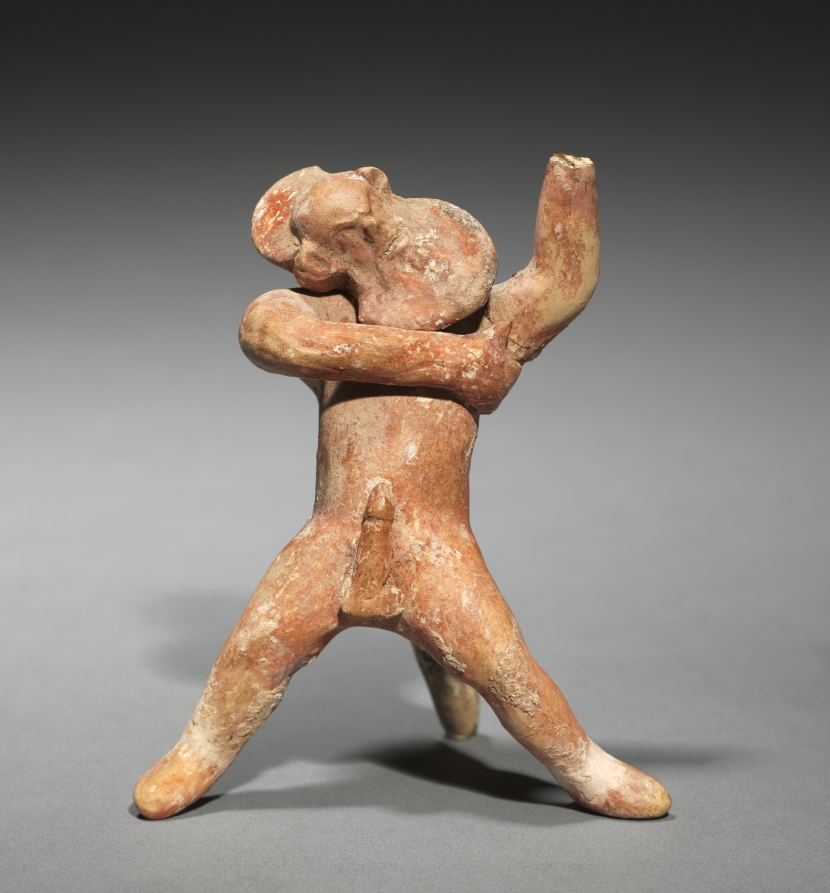
Dancing Satyr at the Cleveland Museum of Art: 500–475 BCE, painted terracotta. Explore the work's context, creator attribution and collection history.
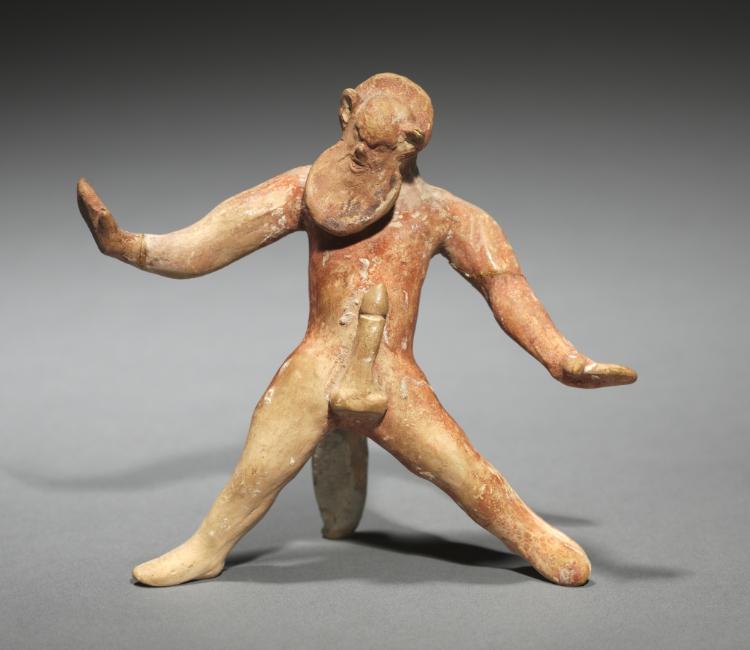
Dancing Satyr at the Cleveland Museum of Art: 500–475 BCE, painted terracotta. Explore the work's context, creator attribution and collection history.
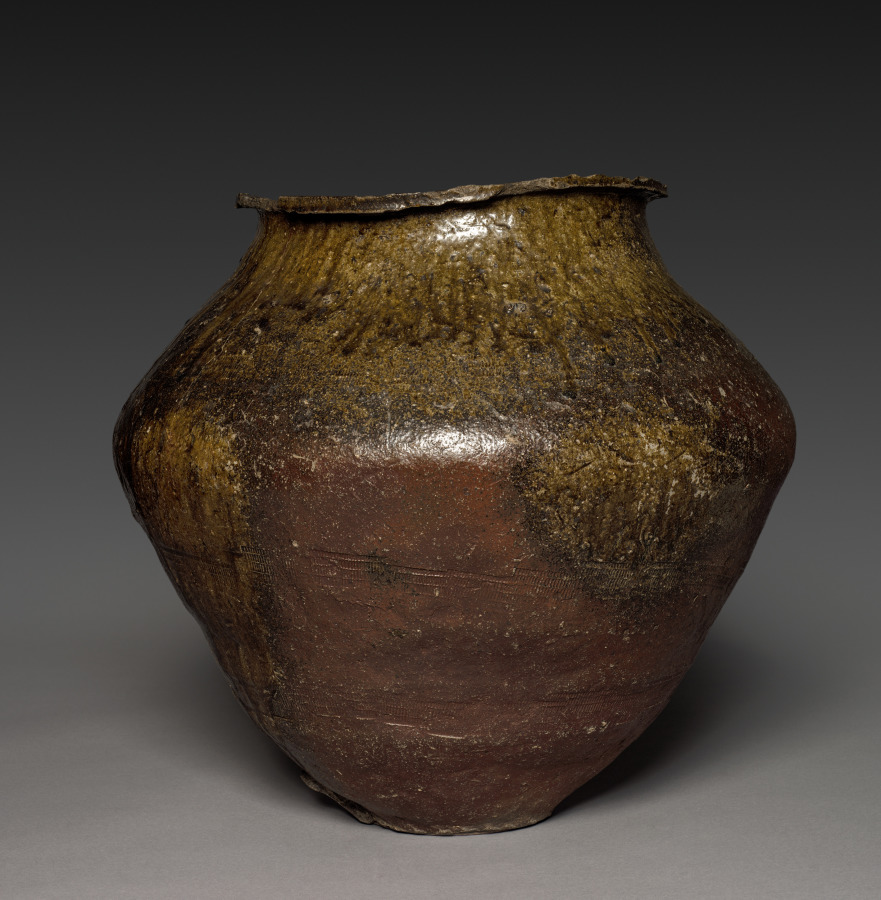
Storage Jar at the Cleveland Museum of Art: 1350–99, Stoneware with natural ash glaze and impressed designs (Tokoname ware). Explore the work's context, creator attribution and collection history.
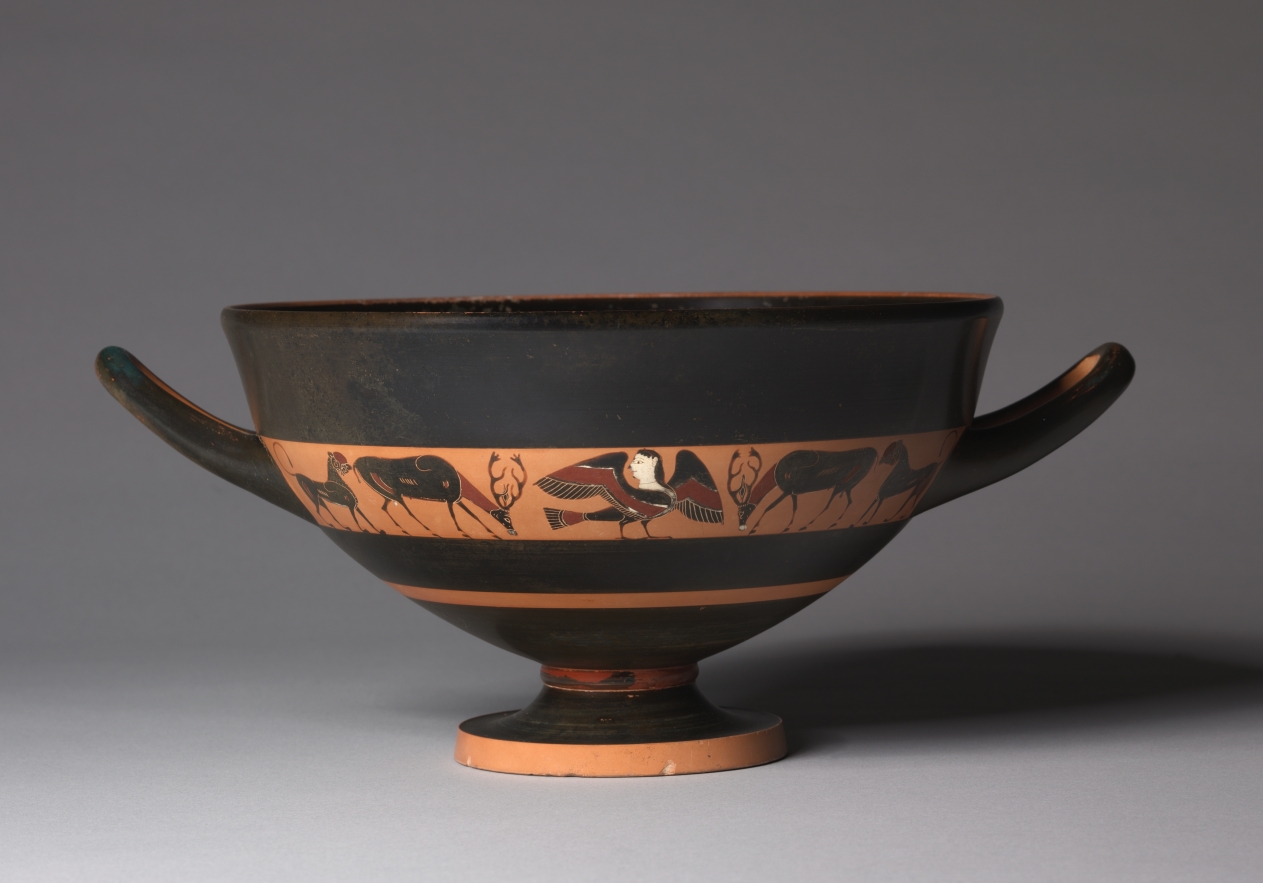
Black-Figure Band Skyphos (Drinking Cup): Sirens, Stags, and Panthers at the Cleveland Museum of Art: c. 540 BCE, ceramic. Explore the work's context, creator attribution and collection history.
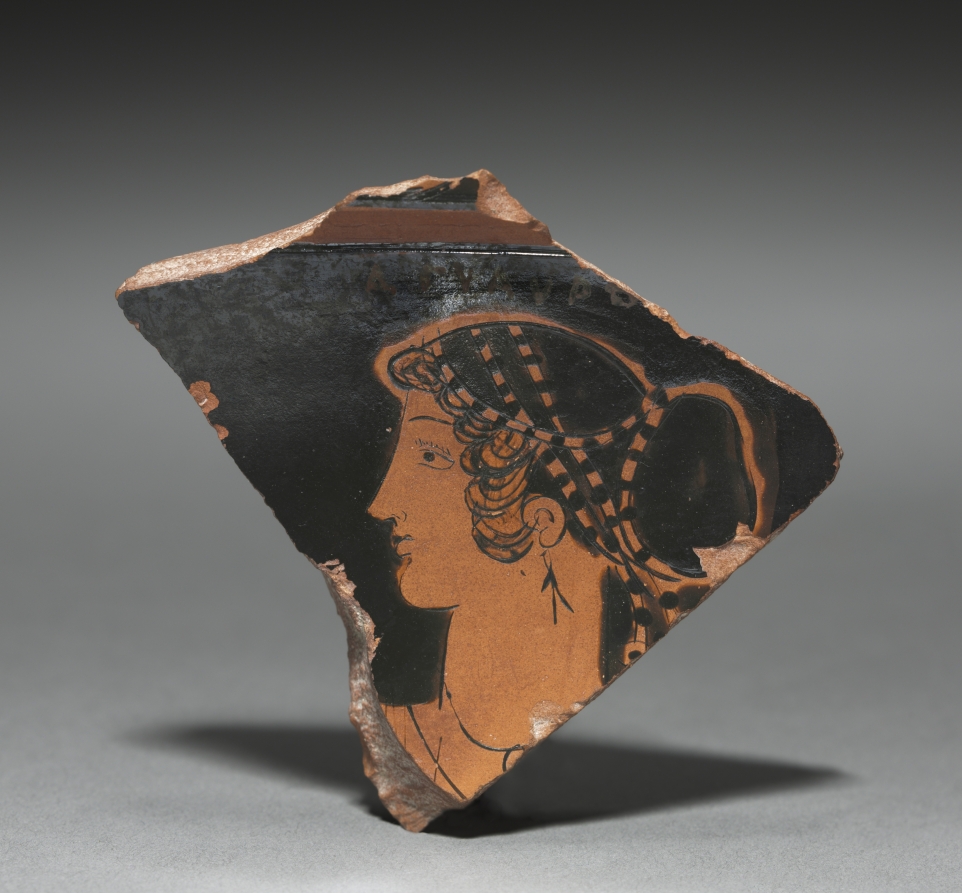
Fragment of a Red-Figure Bell-Krater or Calyx-Krater (Mixing Vessel): Female Head (Aglauros) at the Cleveland Museum of Art: c. 460–450 BCE, ceramic. Explore the work's context, creator attribution and collection history.
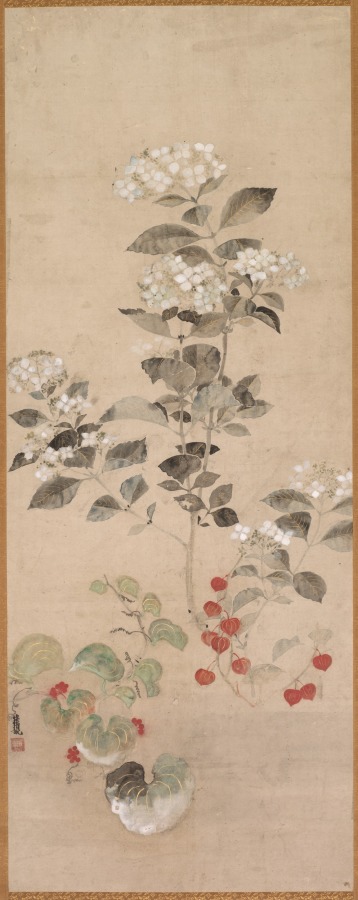
Summer Flowers at the Cleveland Museum of Art: mid-1600s, hanging scroll; ink, color, and gold on paper. Explore the work's context, creator attribution and collection history.
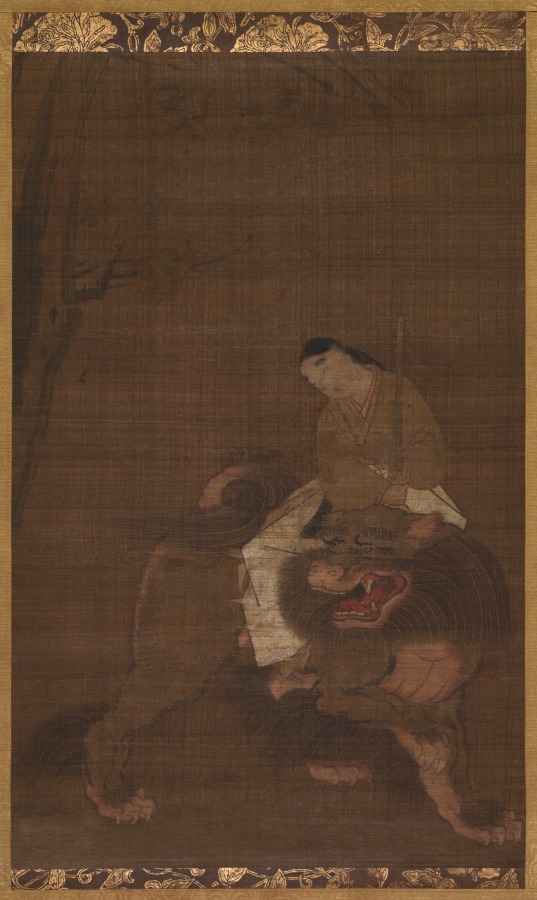
Monju as a Child at the Cleveland Museum of Art: 1400s–1500s, hanging scroll; ink and color on silk. Explore the work's context, creator attribution and collection history.
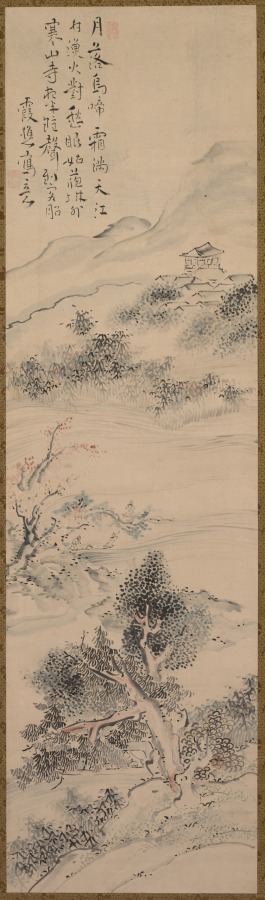
Night Mooring at Maple Bridge at the Cleveland Museum of Art: mid- to late 1700s, hanging scroll; ink and color on paper. Explore the work's context, creator attribution and collection history.

Writing Box (Suzuribako) with Chrysanthemum and Plum at the Cleveland Museum of Art: late 1800s-early 1900s, Lacquer over wood with gold and silver sprinkled powder (maki-e). Explore the work's context, creator attribution and collection hi

Base of Writing Box (Suzuribako) with Chrysanthemum and Plum Containing Inkstone, Water-dropper, Brushes, Ink-stick Holder, and Paper Knife at the Cleveland Museum of Art: late 1800s-early 1900s, Lacquer over wood with gold and silver sprin

Lid of Writing Box (Suzuribako) with Chrysanthemum and Plum at the Cleveland Museum of Art: late 1800s-early 1900s, Lacquer over wood with gold and silver sprinkled powder (maki-e). Explore the work's context, creator attribution and collec
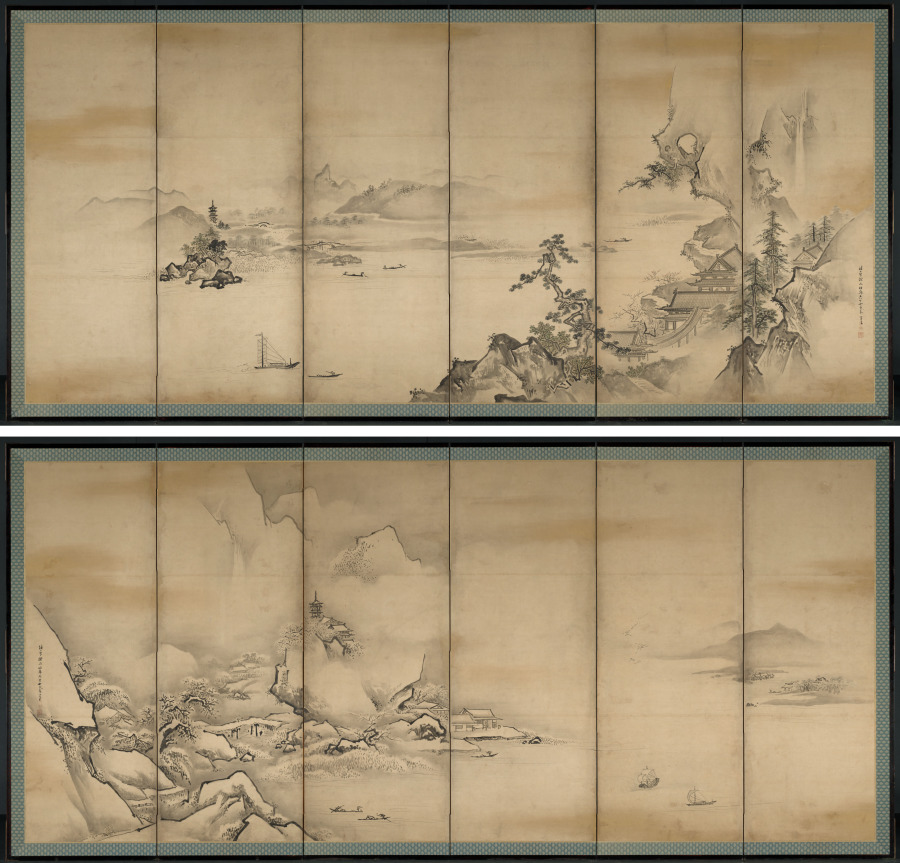
The Four Seasons at the Cleveland Museum of Art: 1668, pair of six-panel folding screens, ink and slight color on paper. Explore the work's context, creator attribution and collection history.