Standing Female with Basket (600–1000): Art, History and Details
Standing Female with Basket at the Cleveland Museum of Art: 600–1000, ceramic, slip. Explore the work's context, creator attribution and collection history.
Oldest entries first, in a fixed order. Newly added articles appear at the end. Explore a shuffled selection →

Standing Female with Basket at the Cleveland Museum of Art: 600–1000, ceramic, slip. Explore the work's context, creator attribution and collection history.
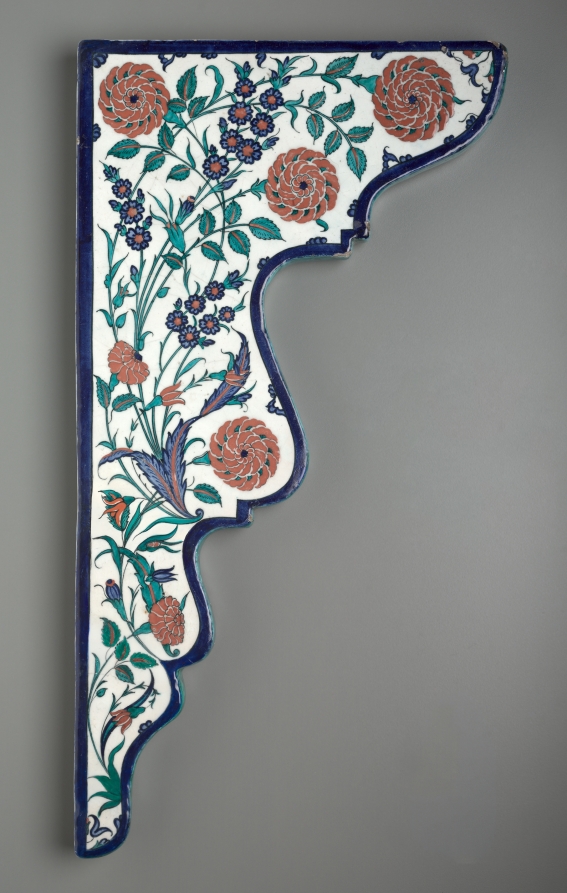
Tile Spandrel with Floral Sprays at the Cleveland Museum of Art: c. 1570–75, Fritware with red slip and underglaze design. Explore the work's context, creator attribution and collection history.
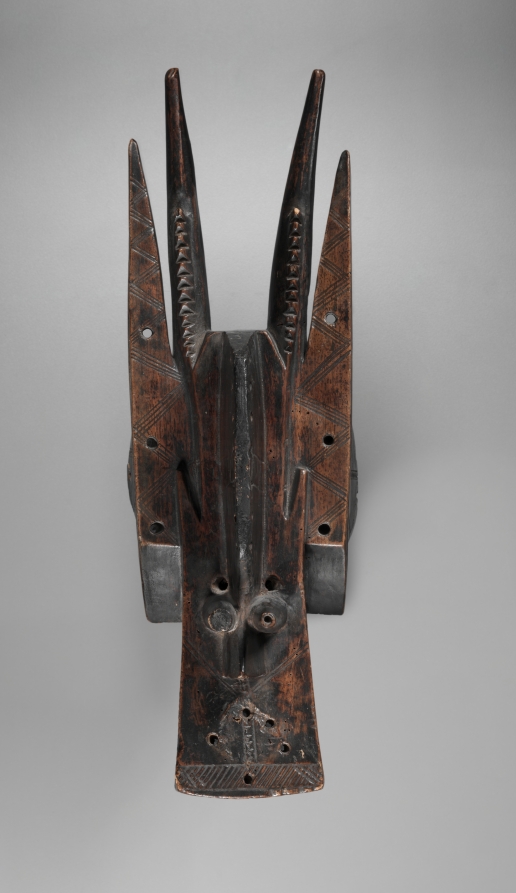
Helmet Mask at the Cleveland Museum of Art: mid- to late 1800s, Wood and probably resin. Explore the work's context, creator attribution and collection history.
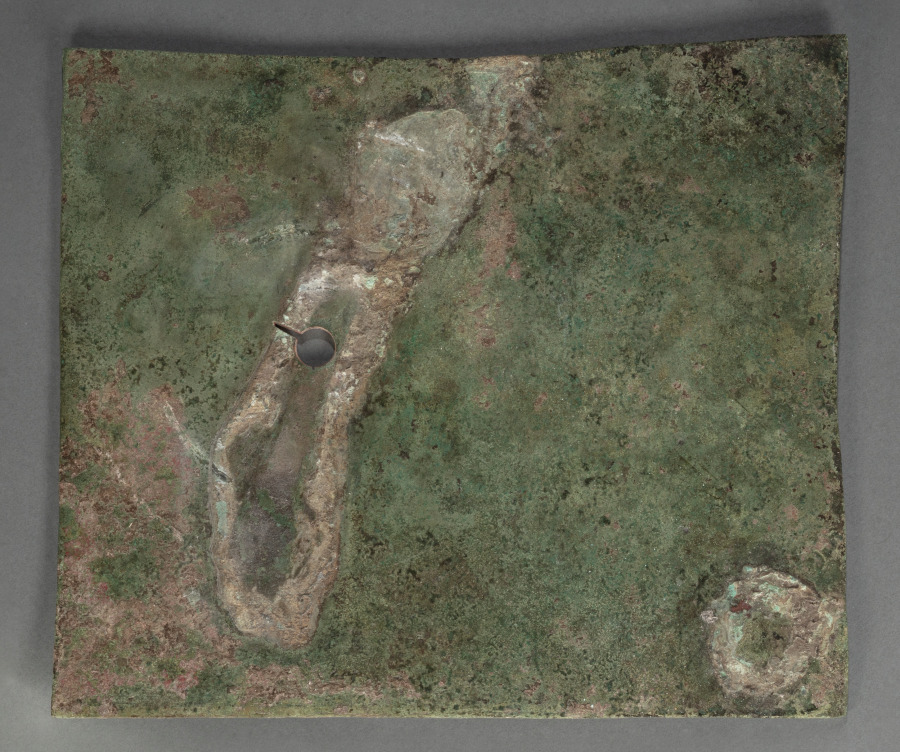
Baseplate for the Cleveland Apollo: Apollo Sauroktonos (Lizard-Slayer) or Apollo the Python-Slayer at the Cleveland Museum of Art: c. 350–200 BCE, or possibly later, bronze. Explore the work's context, creator attribution and collection his

Wooded Landscape at L'Hermitage, Pontoise at the Cleveland Museum of Art: 1879, softground, aquatint, and drypoint. Explore the work's context, creator attribution and collection history.

Sindhu Raga at the Cleveland Museum of Art: c. 1720, Gum tempera and ink on paper. Explore the work's context, creator attribution and collection history.

Staff of Office at the Cleveland Museum of Art: early to mid-1800s, Wood and iron. Explore the work's context, creator attribution and collection history.
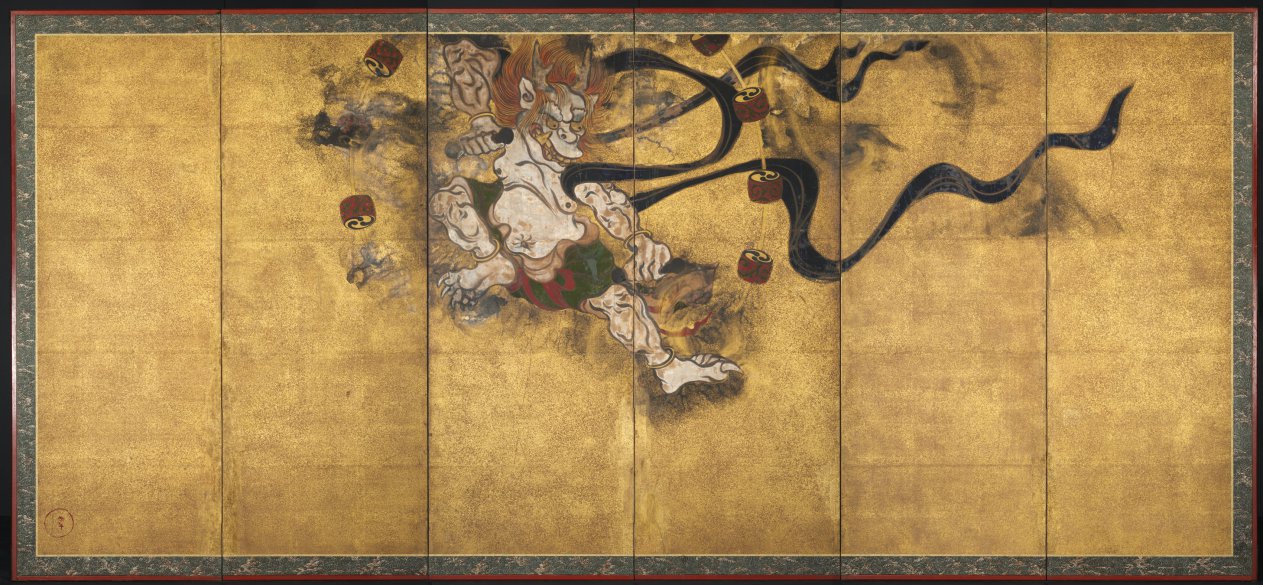
God of Thunder (Raijin) at the Cleveland Museum of Art: mid-1600s, six-panel folding screen; ink, color, and gold on paper. Explore the work's context, creator attribution and collection history.

Self-Portrait at the Cleveland Museum of Art: 1857, etching and drypoint. Explore the work's context, creator attribution and collection history.

Rhine Maidens at the Cleveland Museum of Art: 1930, glazed earthenware. Explore the work's context, creator attribution and collection history.
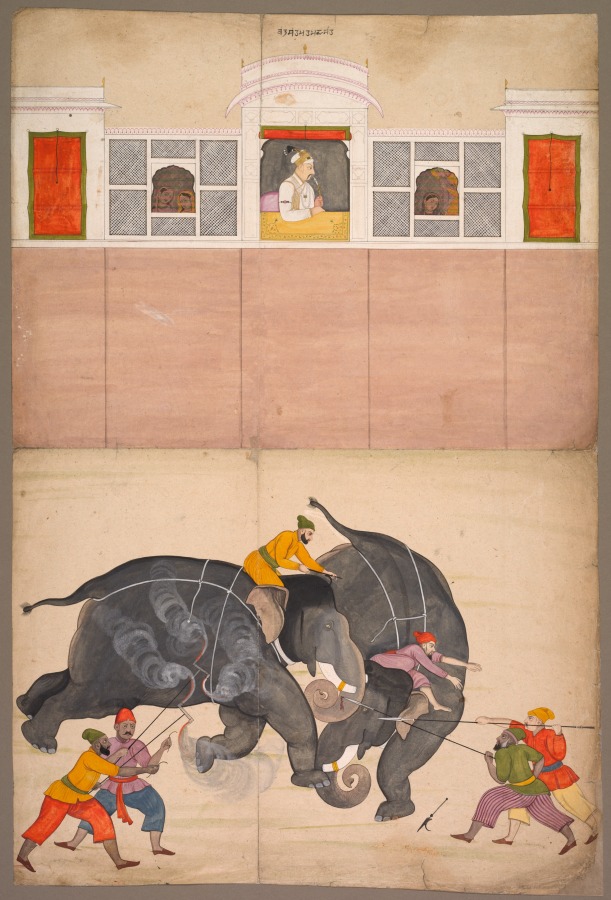
Two Elephants Fighting in a Courtyard Before Muhammad Shah at the Cleveland Museum of Art: c. 1730–40, Gum tempera, ink, and gold on paper. Explore the work's context, creator attribution and collection history.
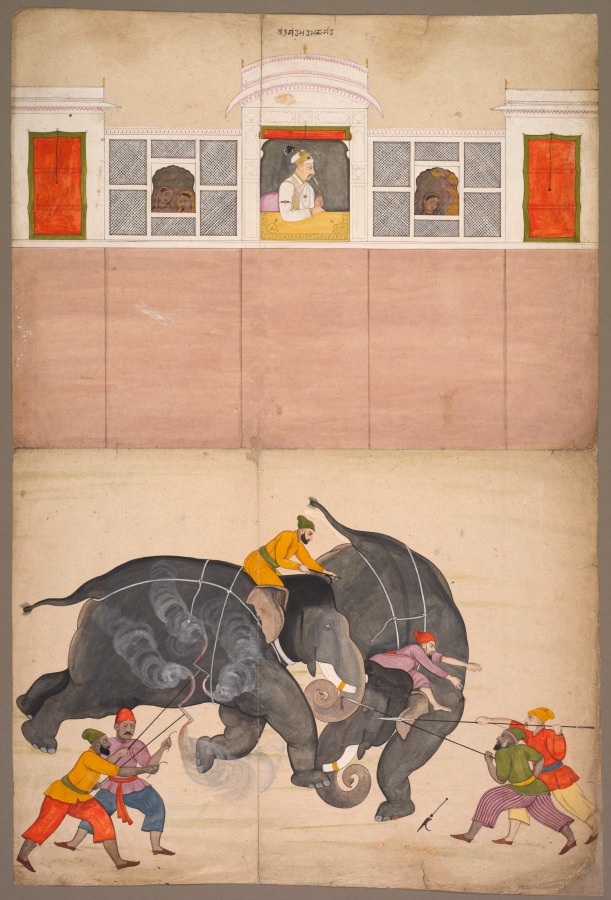
Two Elephants Fighting in a Courtyard Before Muhammad Shah at the Cleveland Museum of Art: c. 1730–40, Gum tempera, ink, and gold on paper. Explore the work's context, creator attribution and collection history.
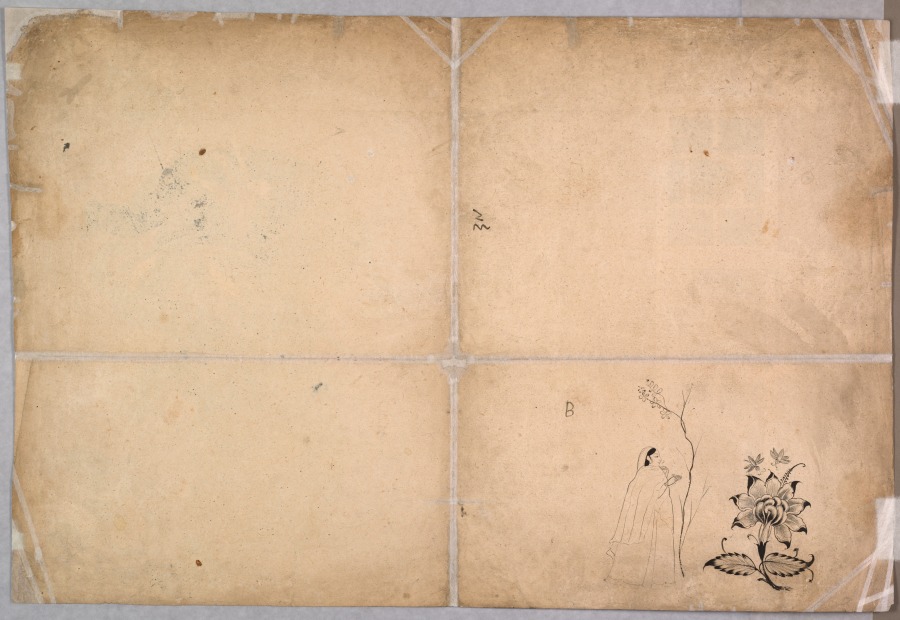
Two Elephants Fighting in a Courtyard Before Muhammad Shah at the Cleveland Museum of Art: c. 1730–40, Gum tempera and ink on paper. Explore the work's context, creator attribution and collection history.
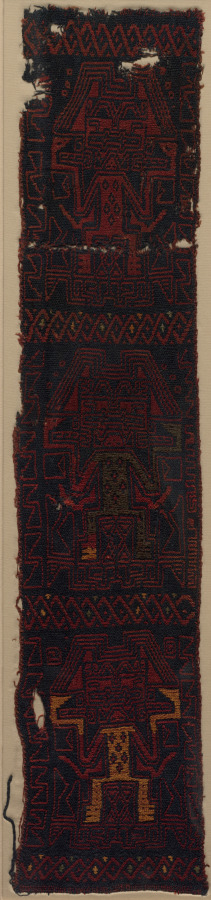
Textile Fragment with Three Frontal Deities and Interlace Pattern at the Cleveland Museum of Art: 700–400 BCE, camelid fiber; double-cloth with structural embroidery. Explore the work's context, creator attribution and collection history.
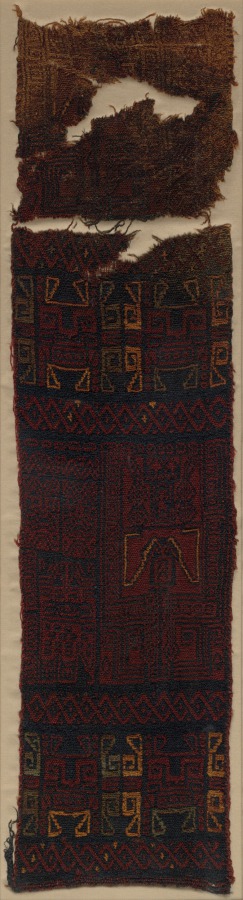
Textile Fragment with Frontal Deity Heads, Felines, and Interlace Pattern at the Cleveland Museum of Art: 700–400 BCE, camelid fiber; double-cloth with structural embroidery. Explore the work's context, creator attribution and collection hi
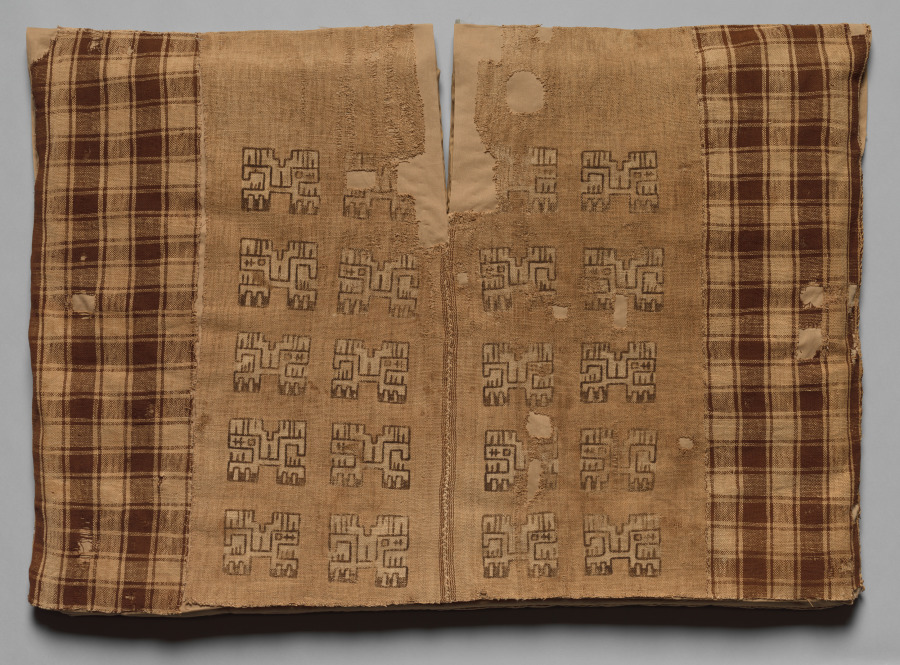
Tunic with Profile Animals and Checkerboards at the Cleveland Museum of Art: 410–540 CE (radiocarbon date, 93% probability), cotton; dye-patterned plain weave. Explore the work's context, creator attribution and collection history.

Tunic with Double-headed Serpents at the Cleveland Museum of Art: 400–200 BCE, cotton; gauze. Explore the work's context, creator attribution and collection history.
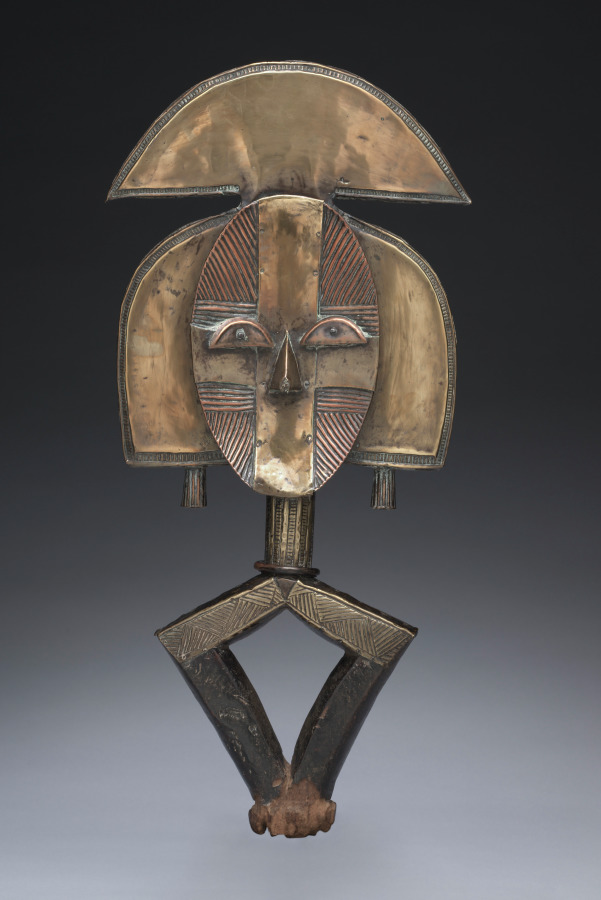
Sculptural Element from a Reliquary Ensemble (mbulu ngulu) at the Cleveland Museum of Art: probably 1800s, Wood, copper alloy, and iron. Explore the work's context, creator attribution and collection history.
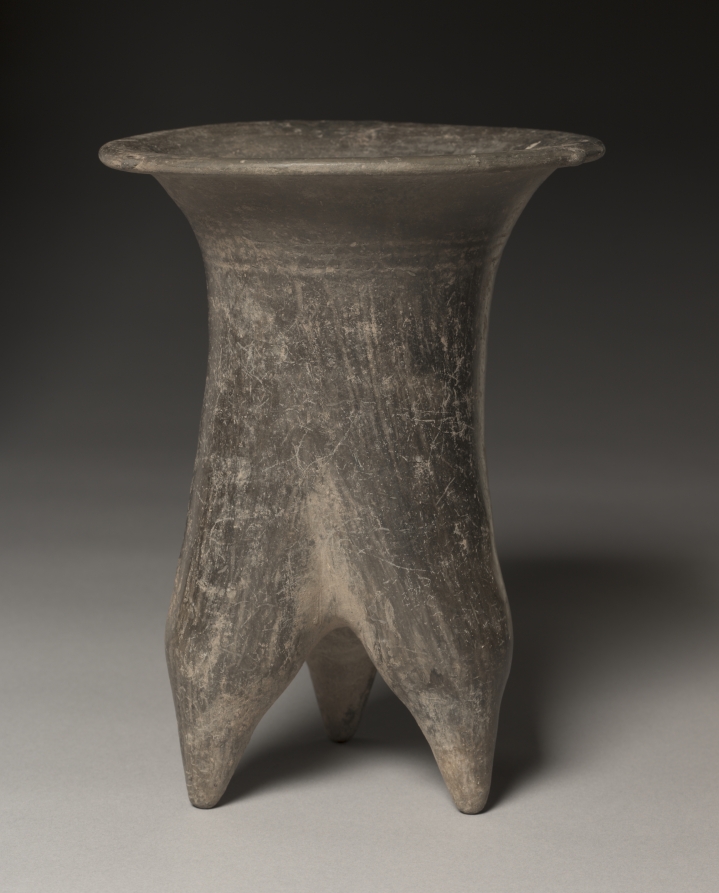
Li, Hollow-Legged Tripod at the Cleveland Museum of Art: 1200–800 BCE, dark gray earthenware. Explore the work's context, creator attribution and collection history.

Figure (iginga) at the Cleveland Museum of Art: probably 1800s, Elephant ivory, tukula, and oil. Explore the work's context, creator attribution and collection history.

Evening Mood-Lidingö at the Cleveland Museum of Art: 1900, oil on canvas. Explore the work's context, creator attribution and collection history.

Mantle or Hanging at the Cleveland Museum of Art: 1480–1635 (radiocarbon date, 95.4% probability), cotton; plain weave, brocaded and complex alternating gauze with 3 or 5 shots of plain weave between gauze shots. Explore the work's context,

Grave Stele (Relief) at the Cleveland Museum of Art: c. 50 BCE, marble. Explore the work's context, creator attribution and collection history.
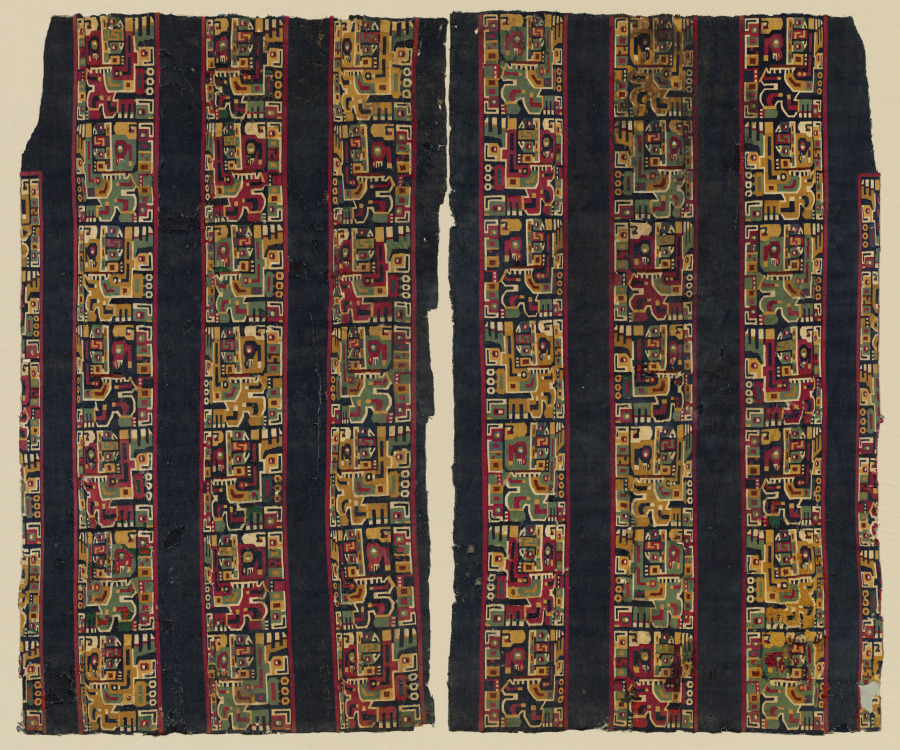
Tunic Fragments with Bird-Headed Creature at the Cleveland Museum of Art: 600–1000, Camelid fiber, cotton: tapestry weave. Explore the work's context, creator attribution and collection history.
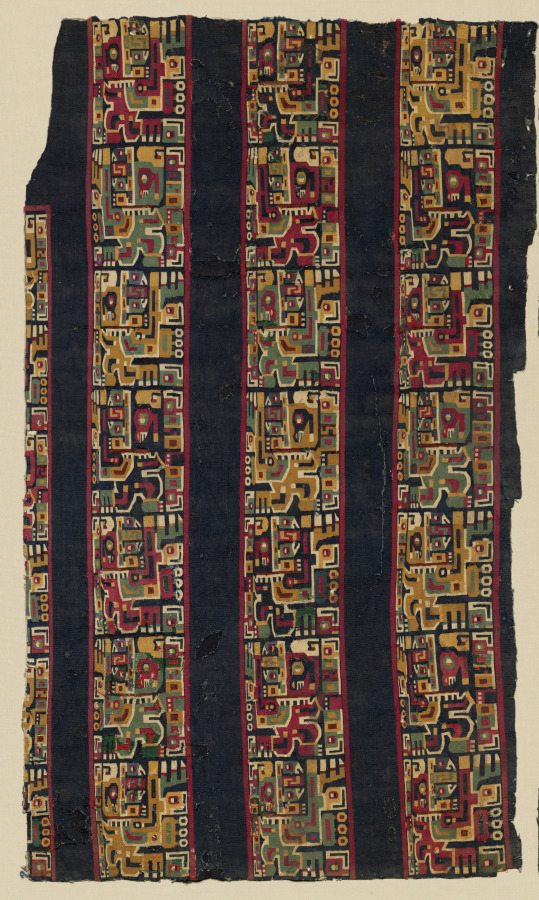
Half of a Sleeved Tunic at the Cleveland Museum of Art: c. 500–1000, camelid fiber, cotton: tapestry weave. Explore the work's context, creator attribution and collection history.
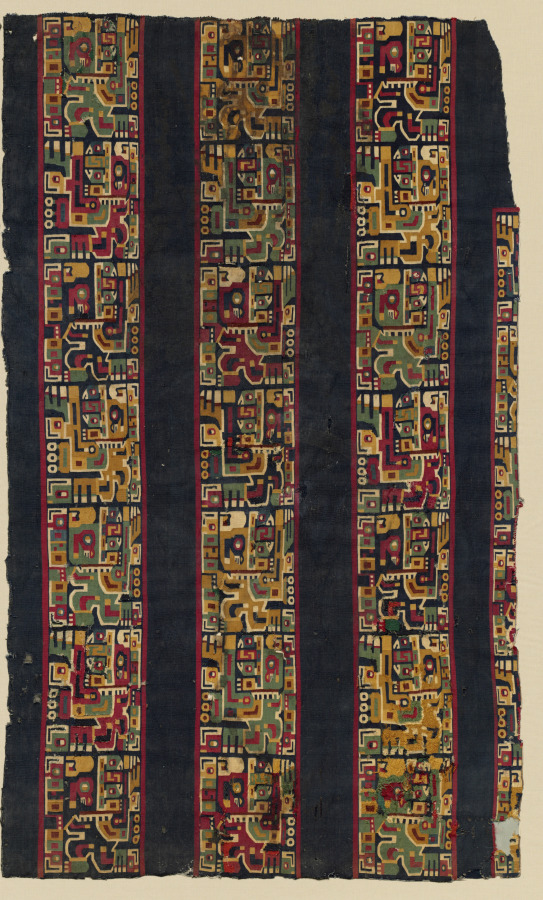
Half of a Sleeved Tunic at the Cleveland Museum of Art: c. 500–1000, single-interlocked tapestry; cotton warp; camelid fiber weft. Explore the work's context, creator attribution and collection history.
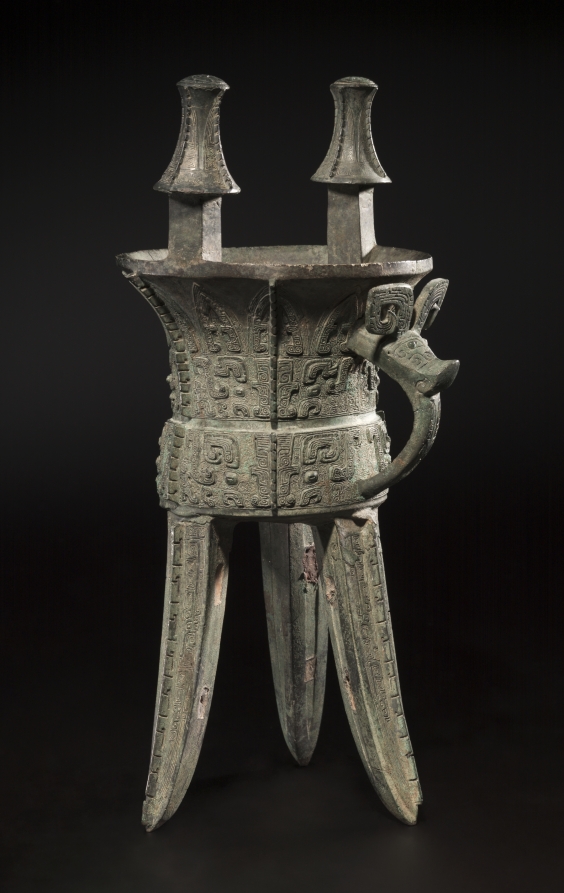
Wine Vessel (Jia) at the Cleveland Museum of Art: c. 1250–1046 BCE, bronze. Explore the work's context, creator attribution and collection history.

Leaf Excised from a Breviary of Charles the Bold and Margaret of York: The Martyrdom of Saint Denis at the Cleveland Museum of Art: c. 1467–70, tempera on vellum. Explore the work's context, creator attribution and collection history.

Big-Eared Brown Bat Vessel at the Cleveland Museum of Art: 200–850 CE, ceramic, slip. Explore the work's context, creator attribution and collection history.

Fichu at the Cleveland Museum of Art: c. 1875–80, Composite lace. Machine-made netting (reseau), Brussels bobbin lace and French needle point lace; linen. Explore the work's context, creator attribution and collection history.

Mirror of Holiness (Mir’at al-quds) of Father Jerome Xavier at the Cleveland Museum of Art: 1602–4, 24 full size illustrations with 160 folios of text; gum tempera, ink, and gold on paper. Explore the work's context, creator attribution and
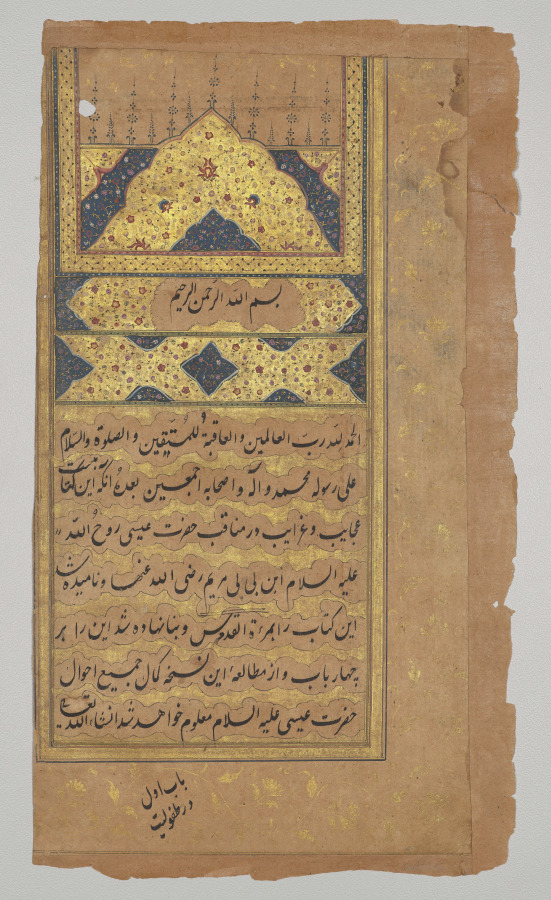
Illuminated opening page (folio 1 verso) and 131 folios with Persian text, from a Mirror of Holiness (Mir’at al-quds) of Father Jerome Xavier at the Cleveland Museum of Art: 1602–4; margins added with rebinding, about 1900, Gum tempera, ink
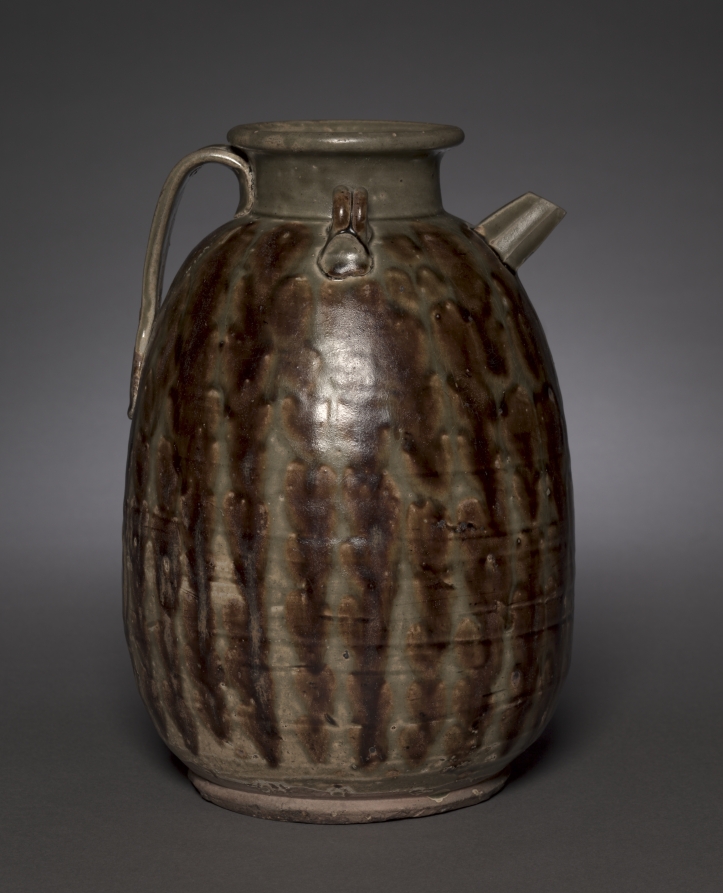
Ewer at the Cleveland Museum of Art: 800s, stoneware with olive-green glaze and ironbrown splashes, Changsha ware. Explore the work's context, creator attribution and collection history.

Portrait of a man at the Cleveland Museum of Art: late 1700s, Gum tempera on paper. Explore the work's context, creator attribution and collection history.

Four-armed goddess, with hearts in margin at the Cleveland Museum of Art: 1900s, ink and color on paper. Explore the work's context, creator attribution and collection history.

The Flowering of Joseph’s Rod (folio 11 verso), from a Mirror of Holiness (Mir’at al-quds) of Father Jerome Xavier at the Cleveland Museum of Art: 1602–04, Gum tempera, ink, and gold on paper. Explore the work's context, creator attribution

The Annunciation (folio 15 recto), from a Mirror of Holiness (Mir’at al-quds) of Father Jerome Xavier at the Cleveland Museum of Art: 1602–4, Gum tempera, ink, and gold on paper. Explore the work's context, creator attribution and collectio

Mary ascends the stairs to the temple, from a Mirror of Holiness (Mir’at al-quds) of Father Jerome Xavier at the Cleveland Museum of Art: 1602–4, Gum tempera, ink, color, and gold on paper. Explore the work's context, creator attribution an

Mary and Joseph Travel to Bethlehem (folio 24 verso), from a Mirror of Holiness (Mir’at al-quds) of Father Jerome Xavier at the Cleveland Museum of Art: 1602–4, Gum tempera, ink, and gold on paper. Explore the work's context, creator attrib
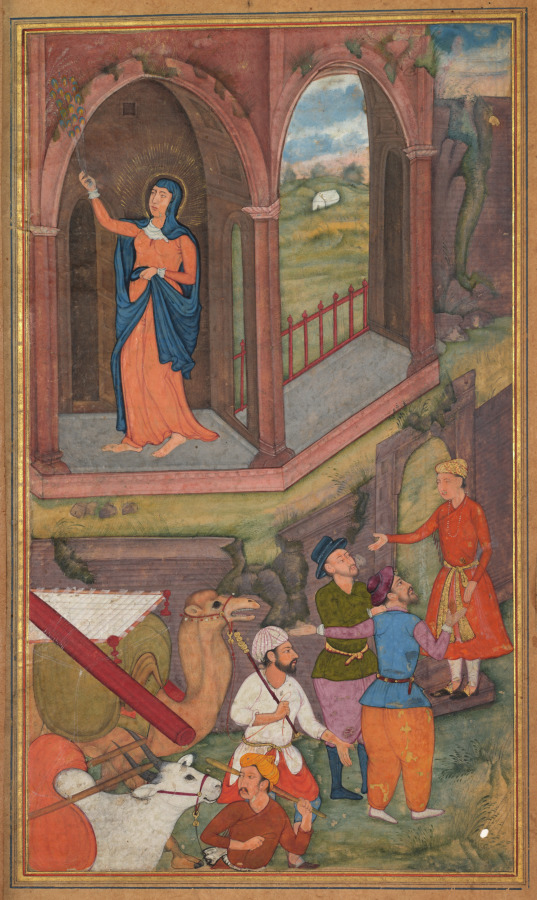
The place of Jesus’s birth (folio 25 recto), from a Mirror of Holiness (Mir’at al-quds) of Father Jerome Xavier at the Cleveland Museum of Art: 1602–4, Gum tempera, ink, and gold on paper. Explore the work's context, creator attribution and